There is a principle baked into nearly every high-performance application you use today, and most people outside of software engineering have never heard of it. It is called lazy loading, and it is the reason your favorite app feels fast even when it is juggling enormous amounts of data. The core idea is simple: don’t load what you don’t need yet. Only pull in resources when they are actually required. Elite programmers live by this rule in their code, and the best ones have quietly started applying it to their personal task management too.
This is not about being lazy in the way the word usually implies. It is about being strategically deferred, which is a very different thing. Multitasking apps were actually designed to push you toward single-threaded focus, and lazy loading is the personal productivity equivalent of that same philosophy: stop pre-loading everything into your working memory, and only render what the current moment actually demands.
What Lazy Loading Actually Means in Code
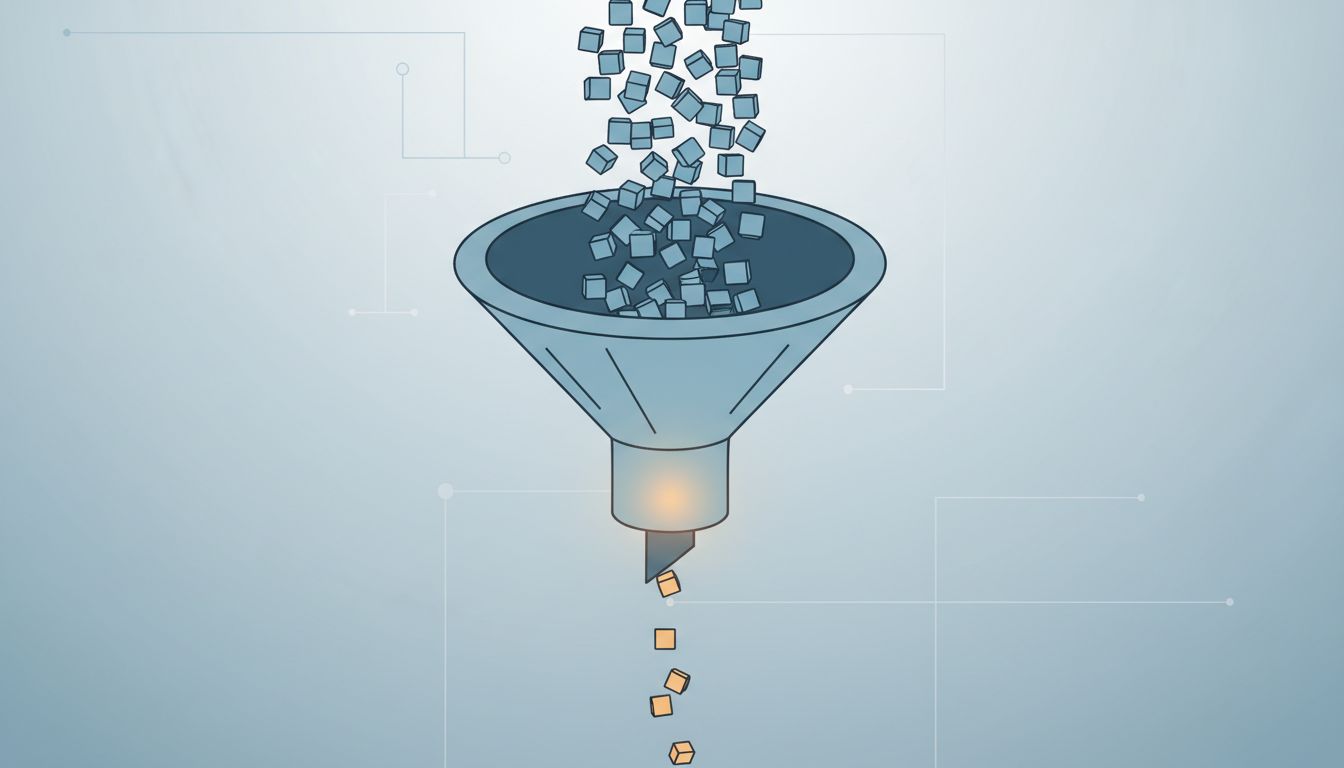
In software development, lazy loading is a design pattern where you defer the initialization of an object until it is needed. Think of an image-heavy webpage. A naive implementation loads every image the moment the page opens, which is slow and wastes bandwidth on content the user may never scroll down to see. A lazy-loaded page only fetches each image as it enters the viewport. The user gets speed. The server saves resources. Everyone wins.
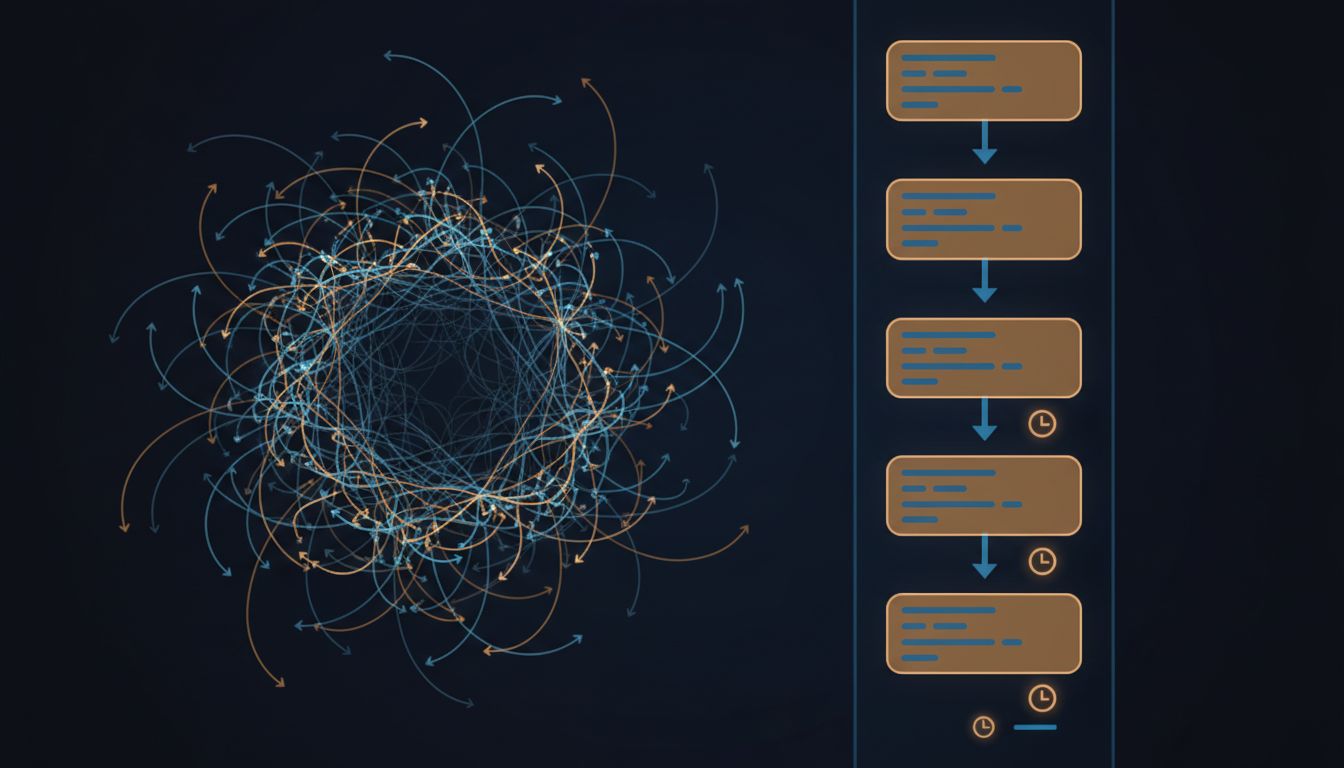
The opposite approach, eager loading, pulls everything upfront. It feels thorough. It feels responsible. But it creates bottlenecks, drains performance, and often loads things you will never actually use.
Sound familiar? It should. Most people manage their tasks with eager loading. They dump every obligation, idea, someday project, and nagging worry into one giant visible list, then feel crushed by the weight of it all before they have even started their morning coffee.
The Human Cost of Eager-Loading Your Brain
Your brain is not a server with unlimited RAM. Cognitive load is real, measurable, and surprisingly easy to max out. When you front-load your awareness with every task you might possibly need to do this week, this month, or this year, you are essentially asking your mental processor to hold all of it in active memory simultaneously. That is why staring at a 47-item to-do list often produces not productivity, but paralysis.
Researchers in cognitive science call this decision fatigue. Programmers, if they are being honest, call it the same thing they call an over-eager database query: expensive and unnecessary.
The fix is not to care less about your tasks. It is to change when you load them into conscious attention. Digital minimalists consistently outperform power users not because they have fewer tools, but because they stopped trying to process everything at once. Lazy loading gives you a framework for doing exactly that.
The Three-Layer Task Stack
Here is a practical framework you can set up today, borrowed directly from how lazy-loading architectures are actually structured.
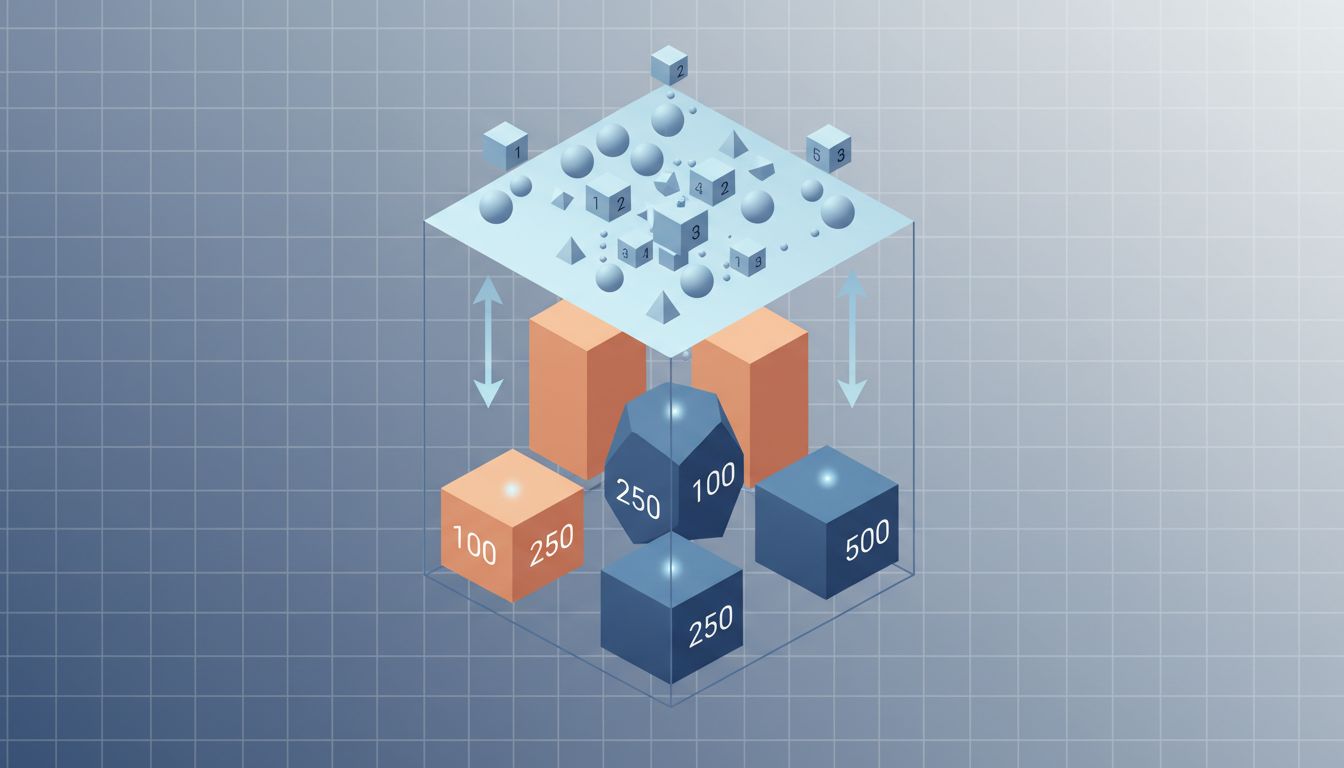
Layer 1: The Viewport (Today’s Render Queue) This is the only layer you look at during your working hours. It contains a maximum of three to five tasks. These are the items that have been explicitly promoted to active memory for today. Nothing else exists while you are working at this level. You are not scrolling ahead.
Layer 2: The Buffer (This Week’s Pending Queue) This layer holds tasks that are coming up soon but are not yet in the viewport. You review this layer once, briefly, at the start of each day to decide what (if anything) gets promoted to Layer 1. You do not stare at this layer during your workday. It is loaded only when you are actively making promotion decisions.
Layer 3: The Cold Storage (Someday/Maybe Archive) Everything else lives here. Ideas, long-term projects, things you want to do eventually, things you are not sure about. This layer is reviewed on a weekly or even monthly cadence. Most of the time it is completely out of sight. You pull from it intentionally, not reactively.
The discipline is in the boundaries. Layer 1 cannot overflow into a sixth or seventh item just because something feels urgent. If a new task arrives and demands attention, something else either gets demoted or you finish an existing item first to make room. This is the core principle: the viewport is constrained by design.
How to Promote Tasks Without Breaking the System
Promotion, the act of moving a task from a deeper layer to a shallower one, is where most people accidentally revert to eager loading. The trigger is usually anxiety. Something arrives in your inbox or pops into your head, and your instinct is to surface it immediately, add it to the viewport, and let it compete for attention.
Instead, build a promotion protocol. When a new item appears:
- Capture it into Layer 3 immediately, without evaluating it.
- Evaluate it only during your daily Layer 2 review.
- Promote it to Layer 1 only if it genuinely belongs in today’s render window.
This mirrors how good engineers handle new feature requests. The idea does not go straight into the sprint. It goes into backlog, gets reviewed during planning, and gets promoted only when the team has bandwidth and the task has earned its place. Software bugs multiply when teams skip this kind of structured intake process, and the same is true for personal task systems that accept everything into active memory without filtering.
If you run a calendar alongside this system, keeping your calendars clean and separate for different domains of your life makes the whole thing dramatically more effective. The most productive people run multiple calendars and have a specific method for keeping them from collapsing into chaos, and that same structural thinking applies to your task layers.
The Permission to Not Think About It Yet
The most liberating part of building a lazy-loading task system is the permission it gives you. Permission to capture something and genuinely not think about it until review time. Permission to have a hundred items in cold storage without feeling like you are behind. Permission to close the day having only moved three things forward, and to count that as a complete success.
Eager loading feels virtuous because it feels thorough. But thoroughness applied at the wrong stage is just overhead. The best programmers know that a system which only processes what it needs, exactly when it needs it, is not cutting corners. It is running optimally.
Your attention is the most constrained resource you have. Build a system that treats it that way.