There is a reason some software teams consistently ship clean, working products in the time it takes other teams to finish their sprint planning. It is not the tech stack. It is not hiring. It is not even process, exactly. It is something more fundamental: they have figured out how to work with the brain instead of against it. The concept is called Cognitive Load Theory, and once you understand it, you will start seeing its fingerprints everywhere, from how the best codebases are structured to why your most productive days feel almost effortless.
Successful teams have figured out that how you manage information flow matters as much as what tools you use. Cognitive Load Theory is the scientific foundation underneath that intuition.
What Cognitive Load Theory Actually Says
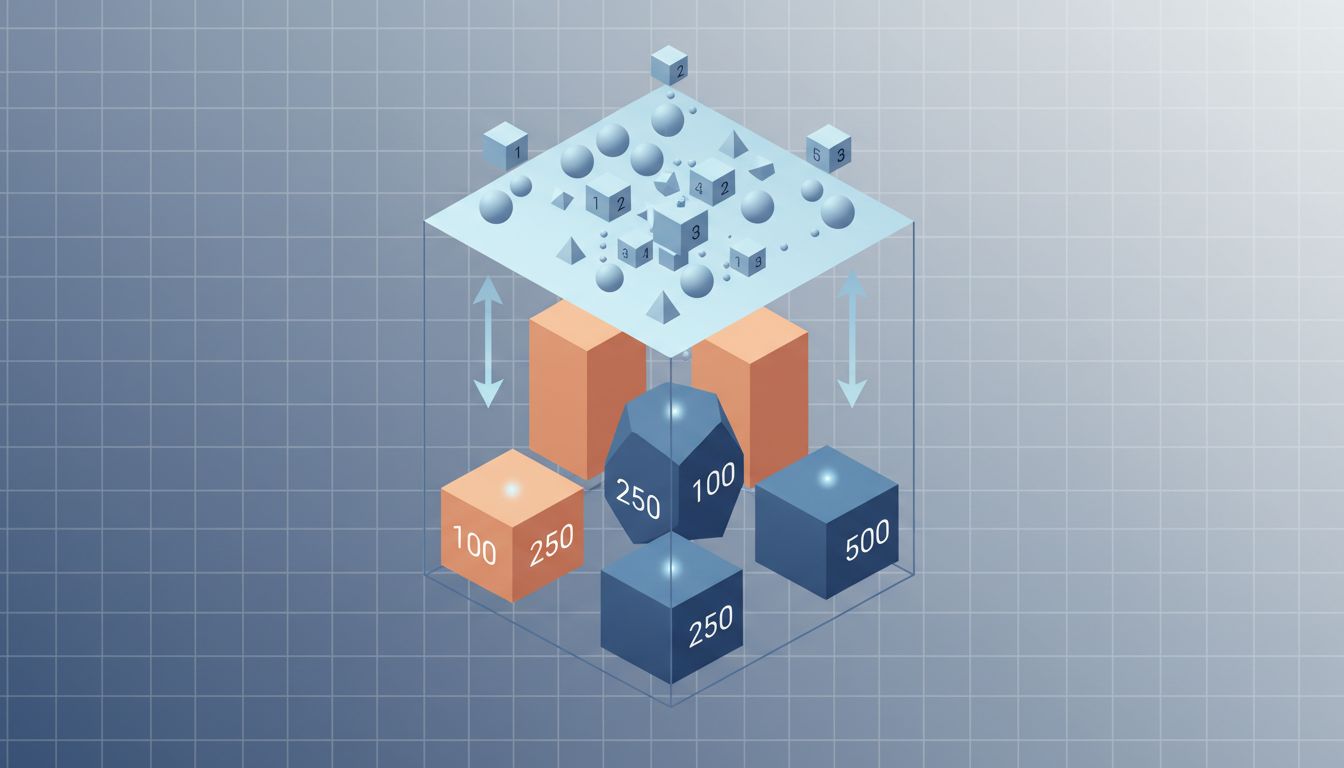
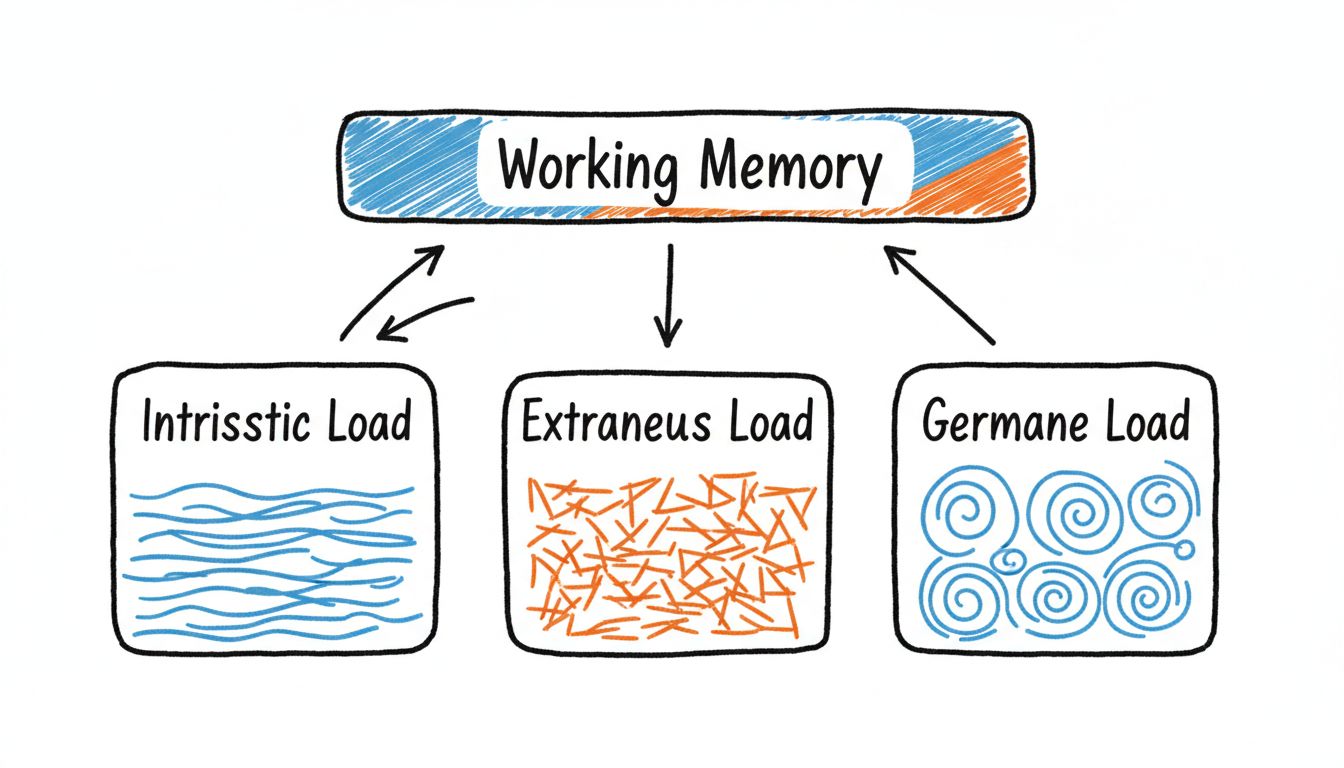
Cognitive Load Theory was developed by educational psychologist John Sweller in the 1980s. The core idea is straightforward: your working memory (the mental scratchpad you use for active thinking) is severely limited. Most research puts the limit at around four chunks of information at once, give or take. When you exceed that limit, performance degrades fast. You make mistakes. You miss things. You slow down.
Sweller identified three types of cognitive load. Intrinsic load is the inherent complexity of the task itself, the stuff you cannot eliminate. Extraneous load is the unnecessary complexity added by poor design, bad tooling, or confusing environments. And germane load is the productive mental effort spent building understanding and expertise.
The goal for high-performing teams is simple to state but hard to execute: minimize extraneous load so more working memory is available for intrinsic complexity. You cannot make the hard problems easier. But you can stop making them harder.
How This Shows Up in Real Codebases
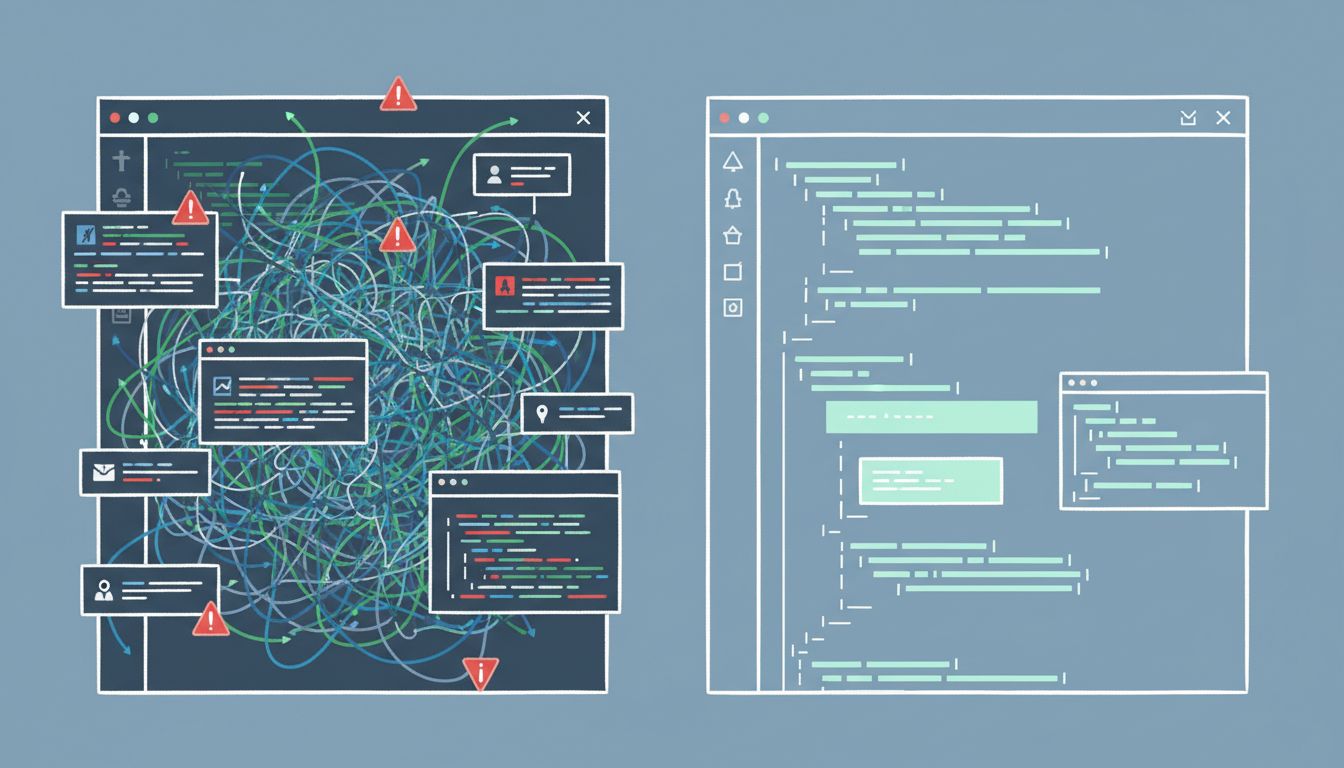
Let me give you a concrete example. Imagine you are onboarding to a new codebase. You open a file called userService.js and find it is 1,400 lines long, mixes database calls with business logic, uses three different naming conventions, and has a comment at the top that says “TODO: refactor this, it’s a mess, sorry.”
Every second you spend in that file is burning working memory just to navigate and interpret, before you have done a single useful thing. That is pure extraneous load.
Now imagine the same codebase, but userService.js is 120 lines, does one thing, has consistent naming, and the function signatures are so descriptive you almost do not need the comments. Your brain can hold the whole thing in working memory at once. You can reason about it. You can find the bug, write the fix, and move on.
The second team is not smarter. They have just stopped burning cognitive fuel on things that should not require it.
This is closely related to why software engineers who talk through problems out loud, even to an inanimate object, debug faster than those who stay silent. Externalizing a problem offloads it from working memory and lets you see it more clearly. Same principle.
The Meeting and Context-Switch Tax
Here is where Cognitive Load Theory gets organizational rather than just technical. Every context switch costs you. When a developer is pulled out of deep focus to answer a Slack message, review a pull request, or sit in a planning meeting, their working memory does not just pause, it collapses. Research by Gloria Mark at UC Irvine found it takes an average of 23 minutes to fully regain deep focus after an interruption.
Most developer workdays are structured in a way that makes deep focus nearly impossible. Standup at 9. Slack notifications every 10 minutes. A review request at 11. Lunch. A planning meeting at 2. By the time the calendar clears, there are maybe 90 minutes left in the day for actual building.
The teams that ship 3x faster have often made structural decisions to protect cognitive space. They batch communication into defined windows. They use asynchronous-first culture for anything that does not require immediate response. They treat a developer’s focus time as a resource to be protected, not a gap to be filled.

This connects to something worth reading if you have not already: the most productive tech workers deliberately break their routines every 90 days, and one of the reasons is that routine patterns of interruption get baked into your environment. Changing the environment forces a reset of bad cognitive habits.
How Team Structure Reduces Load at Scale
Cognitive Load Theory does not just apply to individual developers. It scales to teams, and the best engineering organizations design their structures around it.
This is actually the real reason Amazon’s Two-Pizza Rule works. The rule was never really about team size for its own sake. It was about preventing the cognitive overhead that grows exponentially with team size. Every additional person in a team adds communication paths. Those paths create coordination overhead. That overhead is, in cognitive load terms, pure extraneous complexity.
Smaller teams with clear ownership over bounded problem domains keep their cognitive budgets lean. Each person (and each team) can hold their whole domain in their head. They make faster decisions because they are not waiting for sign-off from people who do not have enough context to actually evaluate the decision anyway.
The same logic applies to API design, documentation, error messages, and even variable naming. Anything that requires the reader to hold more context in their head than necessary is a tax on the team’s ability to think clearly.
Making It Practical: Where to Start
If you want to apply this to your own team, here is how to think about it. Start by auditing for extraneous load, not for process compliance.
Look at your onboarding experience. How long does it take a new developer to make their first meaningful contribution? Every hour beyond what is strictly necessary is a signal of extraneous load embedded in your system.
Look at your code review comments. Are reviewers frequently confused by structure rather than logic? That is a sign the intrinsic complexity of the problem is being amplified by avoidable complexity in the implementation.
Look at your meetings. Which ones are generating decisions and which ones are generating more meetings? The second category is burning cognitive load without producing germane learning.
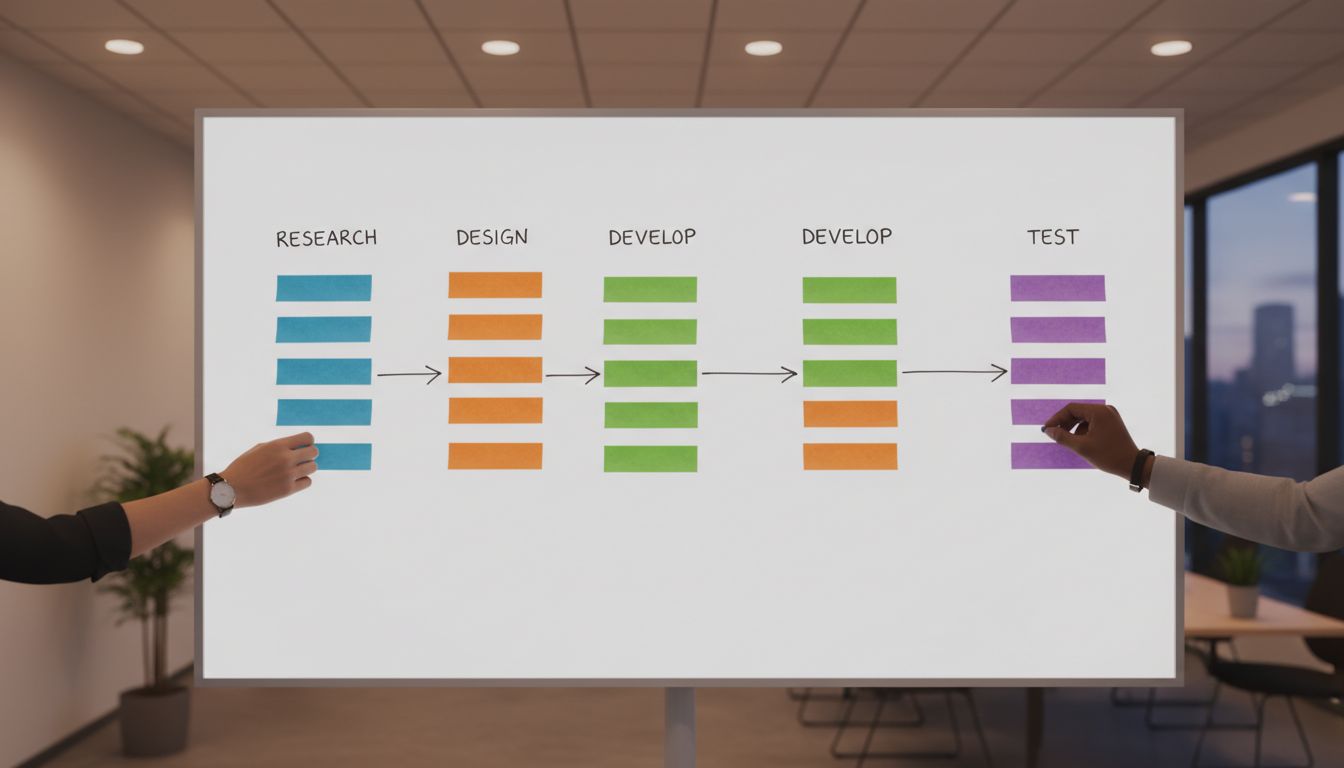
The teams that ship fastest are not the ones working harder. They are the ones who have made an ongoing, deliberate practice of removing friction from the path between a developer’s brain and a working product. Cognitive Load Theory is the lens that makes that friction visible. Once you can see it, you cannot stop seeing it, and that is when the real optimization begins.