
Researcher Gloria Mark at UC Irvine found that it takes an average of about 23 minutes to return to a task after an interruption. Most people hear that number, nod, and then do nothing differently. The problem is that those 23 minutes are not fixed. Your behavior immediately after the interruption is what stretches recovery time out or compresses it. You have more control here than you think.
1. The First Thing You Do After Being Interrupted Is Usually the Worst Possible Choice
When you get pulled away from deep work, the path of least resistance is to check something else. A message, a feed, a quick email. This feels productive because you are technically doing something. It is not. What you are actually doing is stacking a second context switch on top of the first.
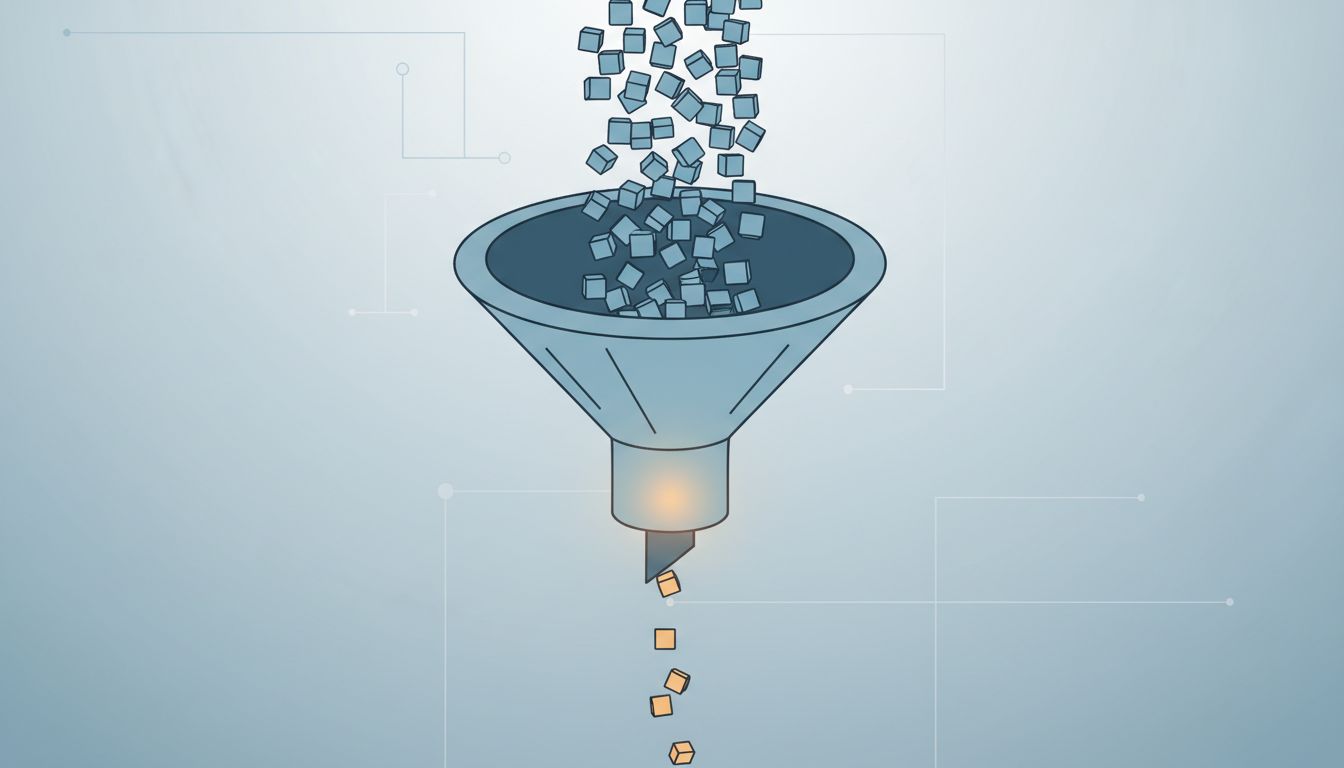
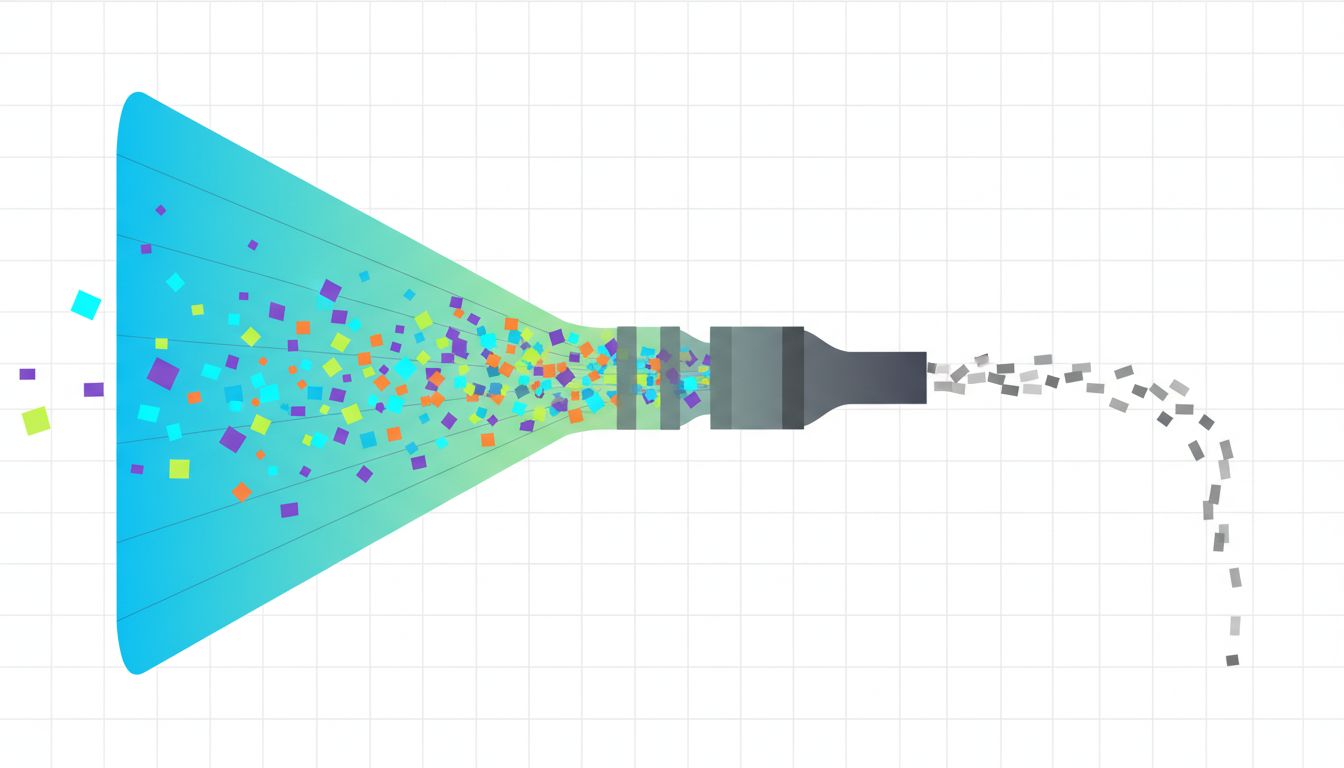
Every new piece of information you consume after an interruption competes with the mental state you are trying to rebuild. Your brain was holding a specific configuration of ideas, partial conclusions, and working memory when it got pulled away. Feeding it new inputs makes that configuration harder to reconstruct, not easier. The 23-minute clock does not start the moment the interruption ends. It starts the moment you stop adding noise.
2. Your Brain Does Not Save State Like a Computer
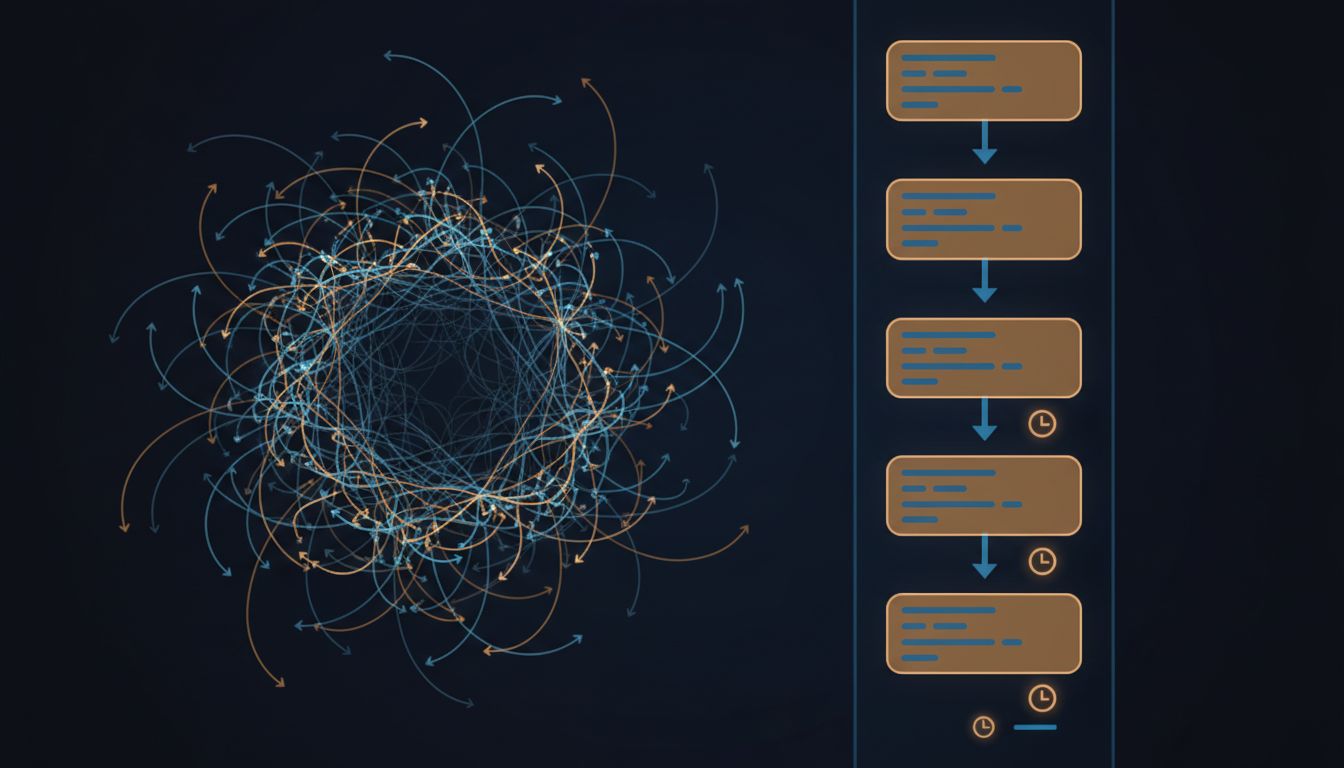
It is tempting to think of focus as something you pause and resume. You cannot. When you are deep in a problem, you are maintaining an active web of related concepts, half-formed hypotheses, and relevant constraints. That web is fragile. Interruptions do not pause it. They collapse it.
This is why coming back to a document and reading the last paragraph you wrote rarely gets you back to where you were. The words are there, but the surrounding mental structure is not. What you actually need to rebuild is context, not content. The document is a prompt, not a shortcut.
3. Interruptions You Expect Are Less Damaging Than Ones You Do Not
Research on interruption timing consistently shows that self-interruptions and anticipated breaks cause less cognitive disruption than unexpected ones. When you know a meeting is coming in 20 minutes, you unconsciously work differently. You avoid starting threads you cannot close. You stay closer to the surface.
This has a practical implication: if you cannot eliminate interruptions, schedule them. A known interruption at 2:30 pm is less damaging than a random one at 2:17 pm. You can design your day so interruptions land at natural transition points between tasks rather than in the middle of them. This is not a perfect solution, but it meaningfully reduces recovery time because you are less likely to be deep in something when the break arrives.
4. The “Just One Quick Thing” Problem Compounds Fast
The most common interruption pattern in knowledge work is not a single disruption. It is a cascade. Someone asks you a question. You answer it. On your way back to your desk you remember something you meant to tell a colleague. You stop to tell them. They mention something that reminds you to check a document. By the time you sit back down, 18 minutes have passed and you have crossed through four different contexts.
Each handoff in that chain was individually reasonable. Together they destroyed a productive hour. The solution is to treat the return to your original task as the priority, not as the thing you get to after you clear the small stuff. The damage from a notification starts before you ever look at it, and the cascade that follows is where most of the real cost accumulates.
5. Leaving Yourself a Breadcrumb Before You Get Interrupted Changes Everything
If you know an interruption is coming (a meeting, a colleague walking over, a scheduled call), take 30 seconds before you stop to write down exactly where you are. Not a summary of the work. A specific note about what you were thinking next. “Was about to check whether the caching layer is the bottleneck or whether it is the query itself” is useful. “Working on performance issue” is not.
This is one of the highest-leverage habits in knowledge work and almost nobody does it consistently. The note is not for future-you who has forgotten the work. It is for future-you who is trying to reconstruct the mental state, not just the facts. A specific, forward-looking note does that in a way a summary cannot.
6. Recovery Time Varies Wildly Depending on What Kind of Work You Were Doing
Not all deep work is equally hard to re-enter. Writing and creative synthesis are among the hardest because they depend heavily on a particular mental mood and momentum. Analytical tasks with clear structure (debugging a specific function, reviewing a defined document) are somewhat easier to re-enter because the structure itself helps you rebuild context.
This means you should sequence your work accordingly. Put your most interruption-vulnerable tasks in your most protected time blocks. Save the more structured, re-enterable work for times when interruptions are likely. This is less about finding more focus time and more about matching task type to the reality of your day.
7. Open Offices and Slack Did Not Create This Problem. They Scaled It.
The research on interruption costs predates modern communication tools by decades. What open-plan offices and always-on messaging did was dramatically increase interruption frequency while simultaneously making each individual interruption feel lower-stakes. A quick Slack message feels less disruptive than someone physically walking to your desk. It is not. It is just cheaper to send, which means you get more of them.
The solution most people reach for is willpower: “I will just ignore notifications better.” This works for about a week. The more durable approach is structural: notifications do not interrupt your work, they become your work when you let them set the rhythm of your day. Change the structure and the willpower requirement drops to something sustainable.
8. You Cannot Hack Your Way to Focus Recovery. You Can Only Shorten the Damage.
There is no technique that returns you instantly to a state of deep work after an interruption. Anyone selling you that is selling something else. What you can do is reduce how much time you lose by being deliberate about the three moments that matter most: the 30 seconds before an interruption (leave a breadcrumb), the 30 seconds after (resist the urge to check anything else), and the structure of your day (sequence work to match your actual interruption environment, not the idealized version of it).
Those three levers, applied consistently, will not eliminate the 23-minute average. But they can shrink it significantly, and they compound over weeks in a way that single-session productivity tricks simply do not.