How Silicon Valley Executives Actually Design Workspaces That Protect Deep Focus
There’s something quietly ironic about the fact that the people who build notification systems, infinite scroll feeds, and variable-reward interfaces are often the most aggressive about protecting their own attention. They understand exactly how the machinery works, which makes them better at dismantling it for themselves.
The term ‘attention architecture’ gets thrown around in productivity circles, but the underlying idea is sound: your environment encodes decisions. A desk with your phone face-up on it is a workspace that has made a decision for you. So has an open-plan office with a Slack channel pinging every eight minutes. Attention architecture is just the practice of making those decisions consciously instead of inheriting them by default.
Here’s what that looks like in practice, drawn from patterns that have become common enough among technical leaders to count as a genuine approach.
1. They Treat Notification Systems Like Production Alerts
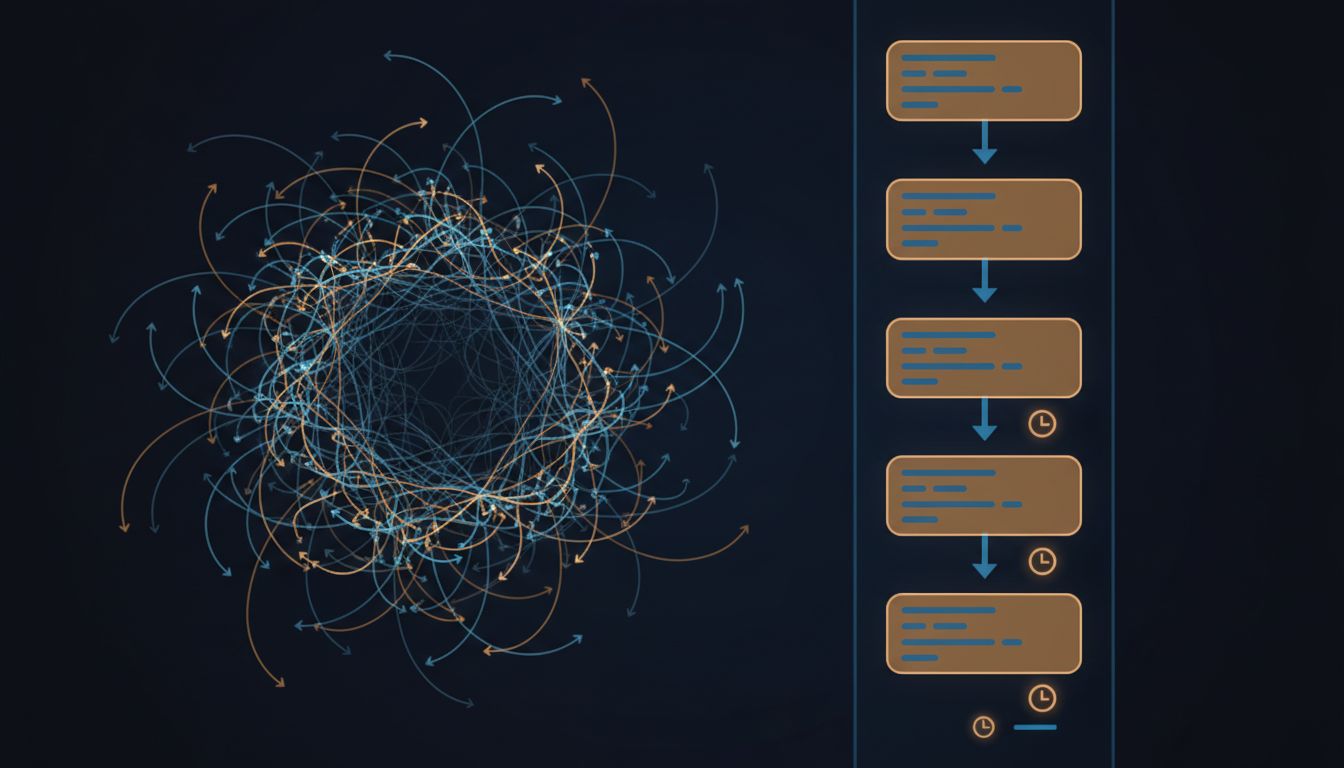
A good on-call engineer doesn’t get paged for every log warning. They set thresholds: page me when the error rate crosses 5%, not when it ticks up at all. The same logic applies to notifications, but almost nobody applies it. The default setting for most apps is ‘tell me everything immediately,’ which is the equivalent of setting your alerting system to page you for every 200 response.
Executives who think clearly about this set up explicit notification tiers. Tier one is synchronous and immediate: a direct call from a specific handful of people. Tier two is asynchronous but same-day: certain Slack DMs or email threads. Tier three is batched: newsletters, social mentions, anything that can wait for a scheduled check. The key insight here is that you’re not turning off information, you’re controlling its delivery schedule. The information doesn’t become less useful by arriving at 3pm instead of 9:43am.
2. Physical Space Gets Zoned Like Code Modules
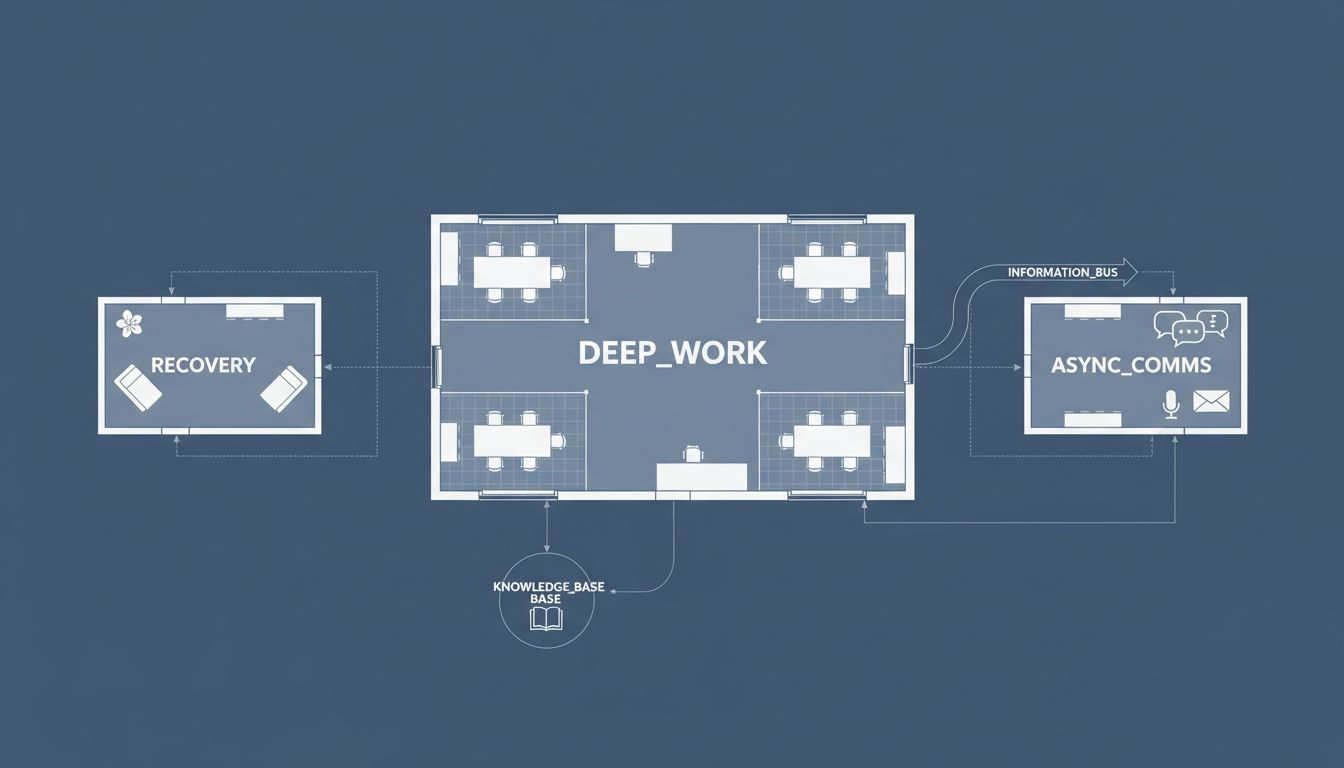
Good code has separation of concerns: your database layer doesn’t know about your UI logic. Good physical workspace design borrows the same principle. A space where you do deep work should not be the same space where you handle email, because every space accumulates behavioral associations over time. This is basic conditioning, the kind B.F. Skinner would have recognized immediately.
In practice this looks like separate physical locations for separate cognitive modes. Some people use different rooms. Others use different chairs, or even just a different orientation of the same desk. The point isn’t the furniture, it’s building a reliable trigger that tells your brain which mode it’s entering. When that trigger is consistent, the mode-switch gets faster and cheaper in terms of mental effort.
This also explains why many technical founders are fanatic about working from coffee shops for certain tasks. The coffee shop isn’t a better environment objectively. It’s a different environment, and different is often enough to break the associative clutter that accumulates in a primary workspace.
3. They Schedule Access to Distraction Rather Than Fighting It
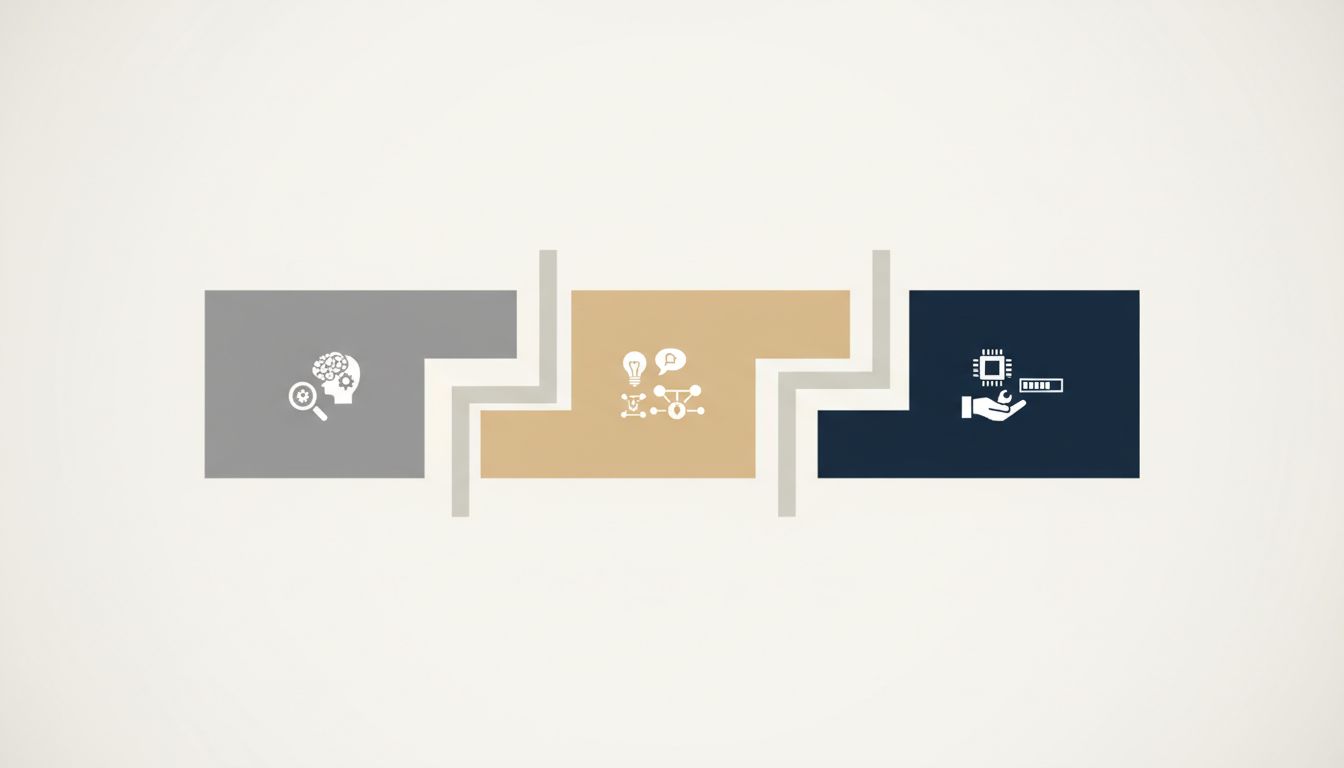
Banning distractions outright tends to work about as well as telling someone not to think about a white bear. The more interesting approach, and one that shows up consistently among people who think carefully about this, is scheduled access. You’re not avoiding Twitter, you’re deciding that Twitter happens at 12:15 and 5:30 and nowhere else.
This reframes the whole problem. Instead of exerting willpower continuously throughout the day (an exhaustible resource), you make one decision in the morning and then execute it. The compulsive check instinct doesn’t disappear, but it has somewhere to go. ‘Not now, but at 12:15’ is a much easier instruction for your brain to follow than ‘never.’ Top performers who schedule their interruptions rather than suppressing them report similar effects: giving distraction a time slot often reduces its grip on the rest of the day.
4. Devices Get Assigned Single Jobs
Multi-purpose devices are attention traps by design. When your laptop is simultaneously your writing environment, your communication hub, your video streaming device, and your news reader, every task carries the ambient possibility of every other task. The cognitive overhead of not switching is real and continuous.
The single-responsibility principle in software design says that a module should have one reason to change. Applied to devices: your writing machine should have one reason to exist. Some technical leaders take this further than most people find comfortable. A dedicated writing device with no browser installed. A phone with social apps removed and only reinstalled deliberately when needed. The point isn’t asceticism, it’s reducing the number of decisions your attention has to make per hour. Digital minimalists who use multiple devices for separated purposes are applying exactly this logic, even if they don’t frame it that way.
5. They Audit Their Own Attention Budget Like an Engineering Resource
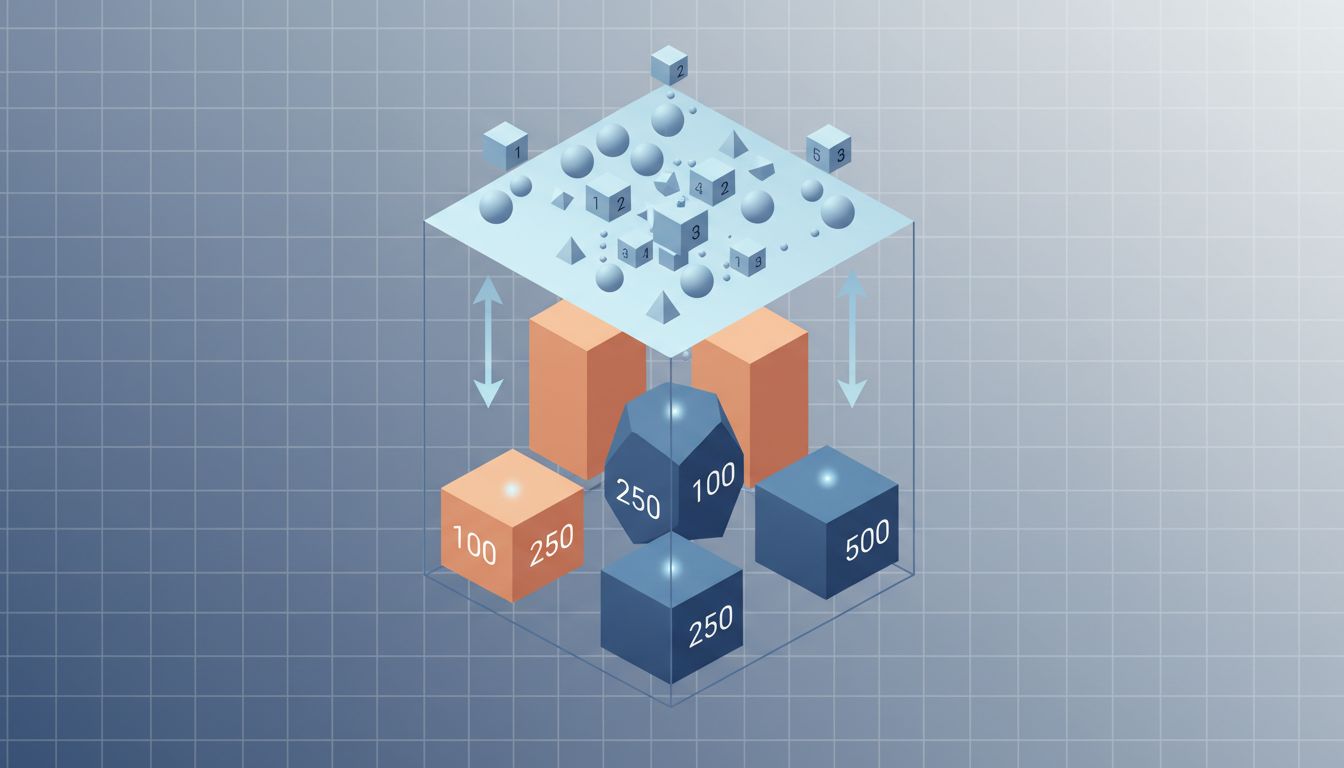
Attention is a finite resource with measurable throughput, and like any constrained resource, it responds well to careful allocation. The executives who think about this most rigorously treat their own focus capacity the way a systems engineer treats CPU cycles: something to be scheduled, not spent reactively.
Practically, this means time-blocking at a level of granularity that most productivity advice doesn’t go near. Not ‘deep work in the morning’ but ‘architecture decisions happen between 9 and 11, no exceptions, because that’s when my error rate on complex reasoning is lowest.’ Some track their own performance on cognitively demanding tasks at different times of day and actually plot it. This sounds extreme until you realize that the alternative is making your hardest decisions at whatever time the calendar happens to deliver them.
6. Meeting Culture Gets Treated as an Architecture Problem, Not a Calendar Problem
Meetings are often framed as a time management issue, but the deeper problem is interrupt-driven scheduling. A calendar with meetings at 10, 1, and 3:30 doesn’t just consume those three hours. It fragments the remaining time into blocks too short for focused work, because deep cognitive engagement requires 20 to 30 minutes of uninterrupted time just to reach full operating depth. Each meeting resets that counter.
The architectural solution is meeting consolidation: grouping all synchronous communication into specific days or half-days, leaving other blocks genuinely meeting-free. Paul Graham wrote about the ‘maker’s schedule versus manager’s schedule’ distinction in 2009 and it’s still the clearest articulation of why this matters technically. The executives who implement it well aren’t just protecting time, they’re protecting the cognitive state that makes certain kinds of work possible at all. Blocking a Tuesday morning for heads-down work is only useful if Tuesday morning doesn’t have a 10:15 standing sync embedded in it.
None of these practices are secret, and most aren’t even new. What’s notable is that the people who have thought hardest about how attention gets captured are often the most systematic about protecting their own. They’ve read the source code, in a sense, and they’re writing their environment to route around it.