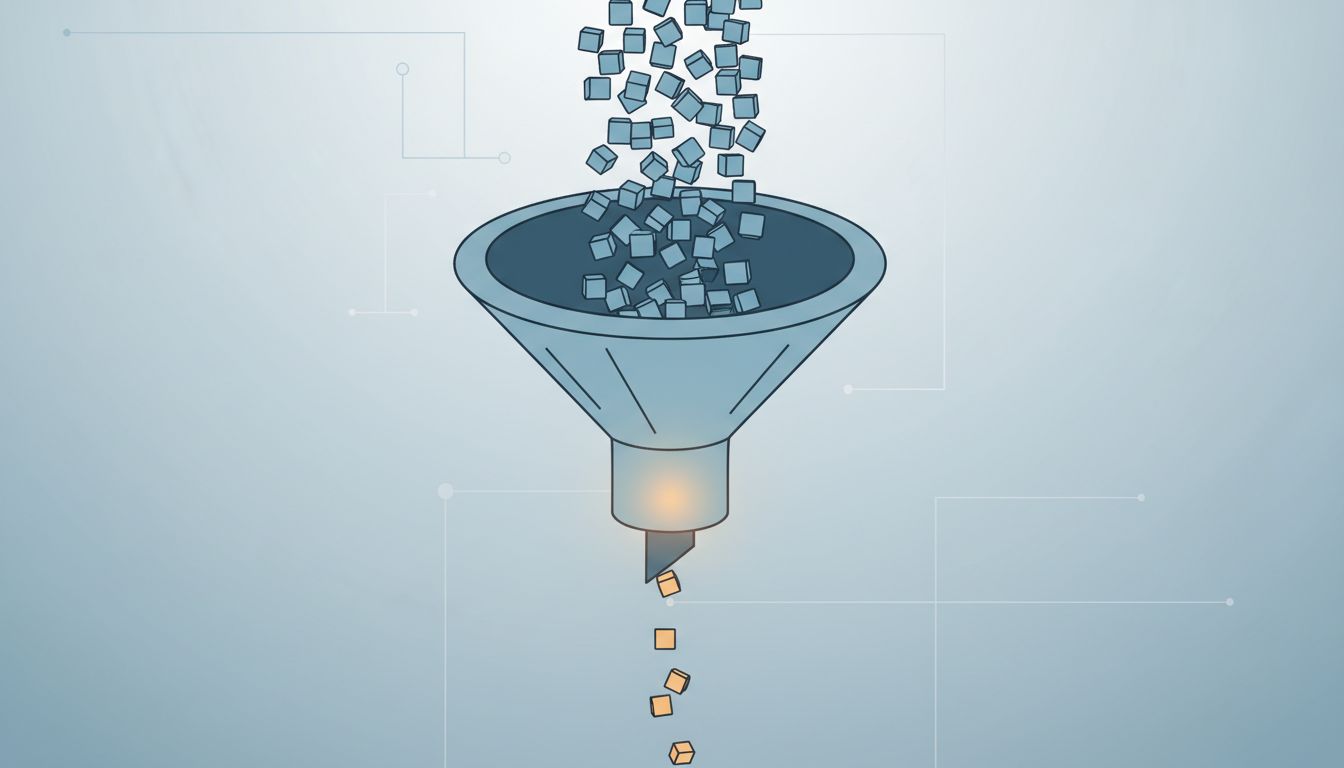
Here’s something worth sitting with: the average knowledge worker checks their phone 96 times a day. That’s once every ten minutes. And yet the executives running some of the most demanding companies in tech routinely produce their sharpest, most strategic thinking before most people have finished their morning coffee. The gap between them and everyone else isn’t discipline. It’s architecture.
This is where the 3-Device Rule comes in. It’s a framework that a growing number of senior tech leaders quietly use to protect their cognitive bandwidth, and once you understand it, you’ll probably want to implement your own version today. But first, it helps to understand what you’re actually up against. Notification systems are not designed to inform you. They are designed to train you. The devices sitting on your desk are optimized for engagement, not for your output.
What the 3-Device Rule Actually Is
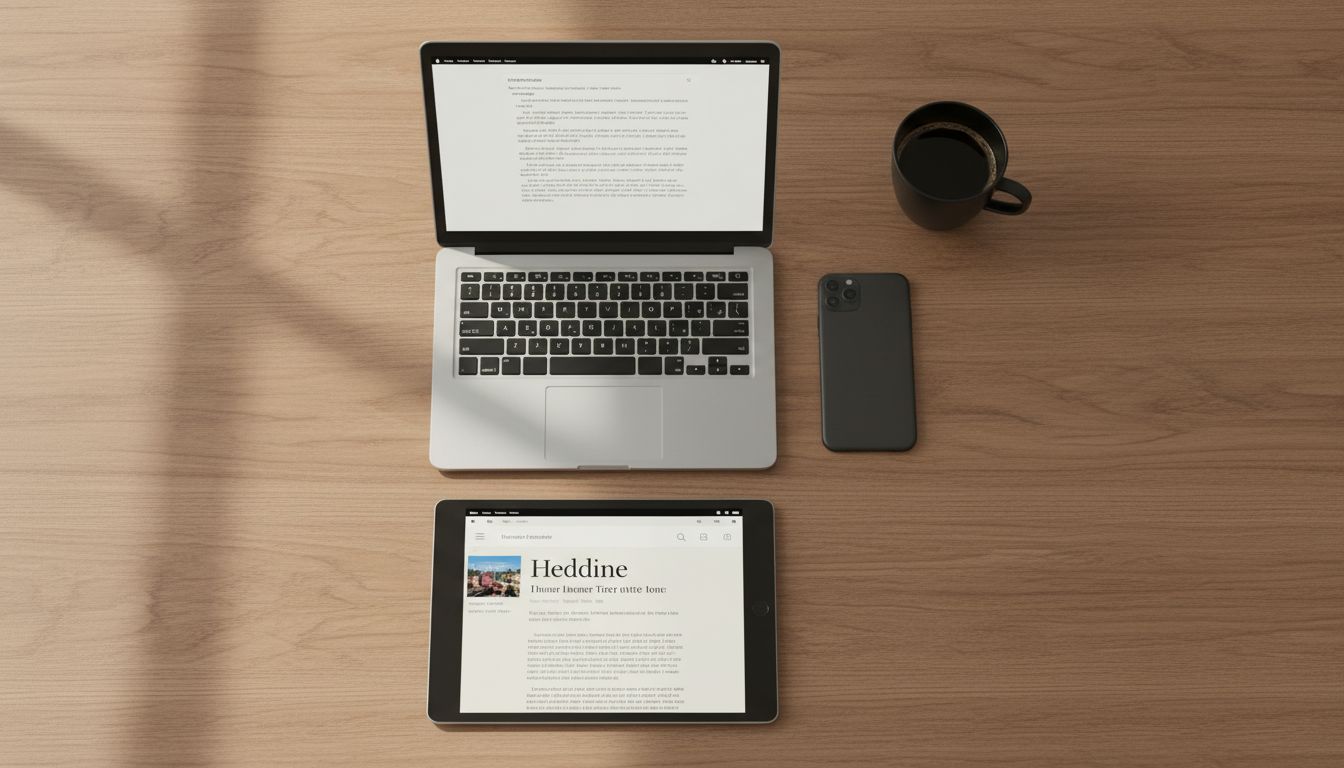
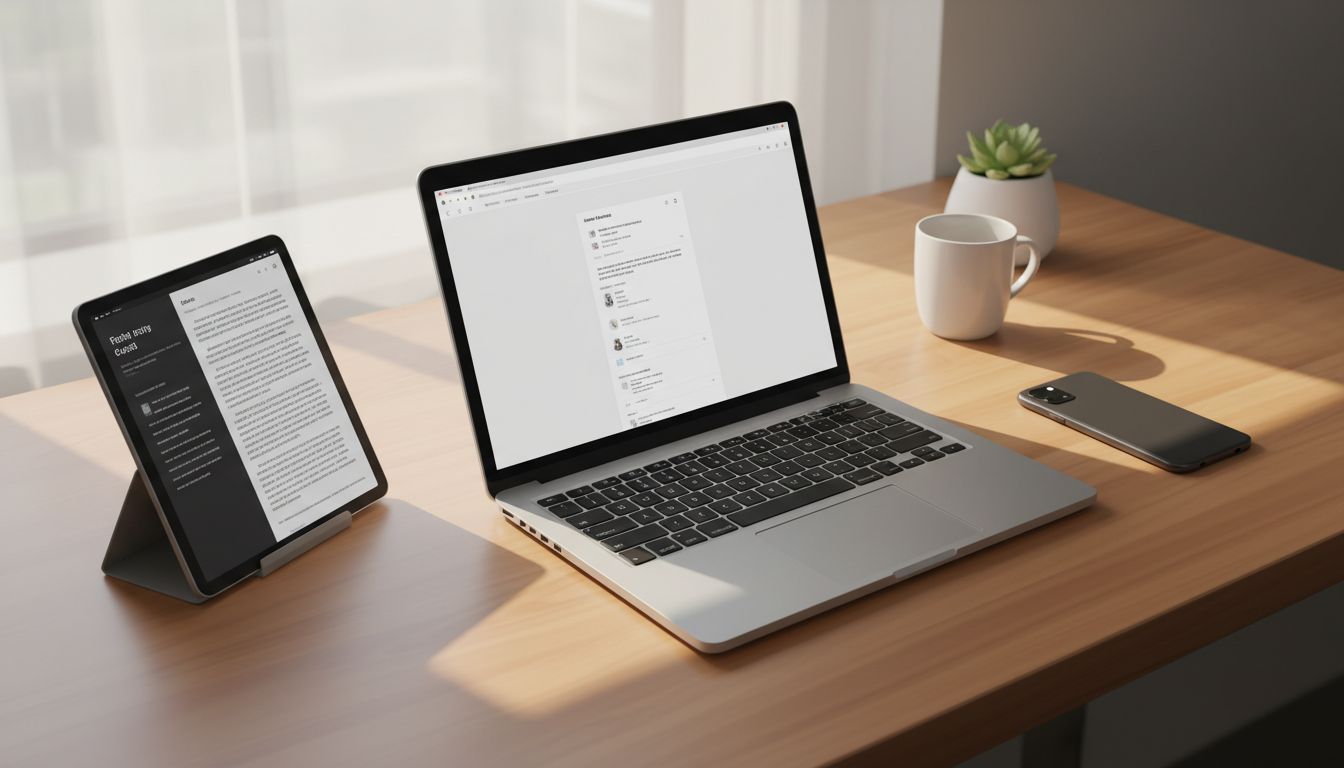
The concept is straightforward. You assign each of your primary devices a single functional category, and you enforce that boundary with intention. The three categories are: creation, communication, and consumption. Each device gets exactly one job.
Your creation device (typically a laptop or desktop) is where you write, build, analyze, and strategize. No social apps. No messaging platforms beyond what’s strictly necessary for the work itself. No browser tabs open to anything reactive. This machine is a tool for output, and it stays that way.
Your communication device (usually a smartphone) handles calls, messages, and email responses. The key move here is that you access it on a schedule, not on demand. Most executives using this system batch their communication into two or three fixed windows per day.
Your consumption device (a tablet works well here) is where you read, watch, and absorb. Industry research, long-form articles, videos, and recreational browsing all live here. Keeping it separate means you’re never accidentally sliding from a research tab into a Reddit spiral on the same machine where your work lives.
Why Device Separation Works When Willpower Doesn’t
Willpower is a finite resource, and tech companies know this better than anyone. The cognitive cost of resisting a notification on the same screen where you’re trying to think is real and cumulative. Every time you pull focus back from a distraction, research suggests it takes an average of 23 minutes to return to deep concentration. Multiply that by a dozen interruptions and you haven’t had a single productive hour, even if you’ve been at your desk all day.
The 3-Device Rule sidesteps this entirely by creating physical friction between you and distraction. When the temptation to check messages lives on a different device in a different part of the room, you’re no longer fighting your impulse in real time. You’ve already made the decision in advance. This is exactly the logic behind why the most productive remote workers deliberately create digital friction in their workflow, and it’s far more effective than relying on in-the-moment self-control.
Jeff Weiner, former CEO of LinkedIn, was known for scheduling “think time” as actual calendar blocks, a practice only possible when you’ve created the conditions for uninterrupted thought. Satya Nadella has spoken extensively about protecting time for reading and synthesis. These aren’t coincidences. They’re systems.
How to Set Up Your Own Version
You don’t need three separate devices to get most of the benefit. Here’s a practical implementation that works even if you’re starting with just a laptop and a phone.
Step 1: Define your creation window first. Decide when you do your best thinking and block it hard. For most people this is a two to three hour window in the morning. This is your creation time, and during it, your phone lives in another room.
Step 2: Strip your creation device down. Remove every app and browser bookmark that isn’t directly related to producing work. This includes email if you can manage it. The goal is to open your laptop and have nothing to do except the thing you sat down to do.
Step 3: Assign communication to time slots, not triggers. Rather than responding to messages as they arrive, pick two fixed windows (say, late morning and late afternoon) and batch everything. This alone can reclaim 90 minutes of fragmented attention per day.
Step 4: Give consumption a dedicated space. If you read industry news, research competitors, or consume educational content, do it on your tablet or a separate browser profile with no crossover to your work environment. Many executives find that making consumption a deliberate act (rather than a tab that’s always open) means they absorb far more of what they actually read.
The Deeper Pattern Behind the Rule
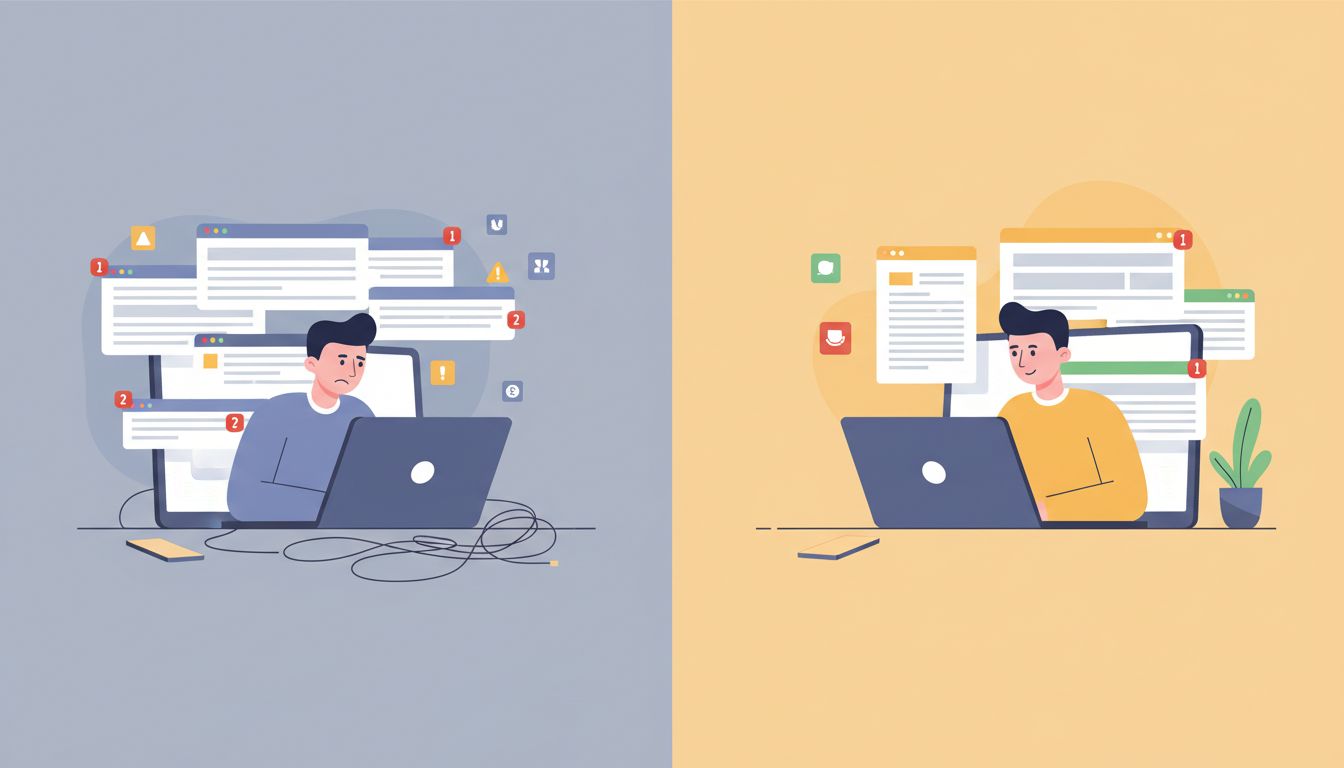
What the 3-Device Rule is really doing is forcing intentionality at the infrastructure level rather than the behavioral level. Most productivity advice asks you to be more disciplined with tools that are designed to undermine your discipline. That’s a losing game. Tech giants are actively using friction against you, and it’s working perfectly. The smarter move is to redesign your environment so the default is focus, not distraction.
This is also why the executives who use this approach don’t talk about it as a productivity hack. They talk about it as an operating model. It’s not something you do occasionally when you need to concentrate. It’s the baseline structure of how you work every day.
And here’s the practical upside: once you’ve protected your creation window consistently for two or three weeks, the quality of the work produced in that window tends to compound. Strategic clarity improves. Writing gets sharper. The decisions you make in those focused hours start to carry more weight than everything else you produce in the fragmented hours combined.
Start With One Change Today
You don’t have to overhaul everything at once. The single highest-leverage move you can make right now is this: for the next five working days, put your phone in a different room during your first two hours of work. Don’t check it. Don’t move it closer. Just leave it.
Notice what happens to the quality of your thinking. Notice how the work feels different when there’s no escape hatch. Then, once that’s solid, start separating your browser environments and building the communication windows.
The 3-Device Rule isn’t magic. It’s just a practical acknowledgment that your best work and your most distracting tools cannot coexist in the same physical and digital space. Give your best thinking the room it needs, and it will show up for you.