
Picture this: a developer is annoyed. Not inspired, not visionary, just annoyed. Their company’s internal deployment process is a nightmare, so they write a small script on a Saturday afternoon to fix it for themselves. They share it with a few friends who have the same problem. Six months later, they have paying customers. Two years later, they’re turning down acquisition offers. Nobody gave them runway. Nobody set a deadline. Nobody told them what features to build. They just scratched an itch, and the market told them they were onto something.
This is not a rare story. It’s practically the template. And yet, we keep celebrating the mythology of the founder who quit their job, burned the boats, and went all-in from day one. That story makes for better press. It’s just not usually how durable companies actually start. The boring truth about what actually wins extends beyond tech choices. It applies to the entire structure of how a company gets built.
The Pressure Trap
When you go all-in on a startup from day one, something changes psychologically. The clock starts ticking. You have runway, maybe 18 months, and you need to show traction or go raise more money. Every product decision gets filtered through the question, “Will this impress investors?” rather than “Does this actually solve the problem?”
Side projects don’t have that problem. When your mortgage doesn’t depend on it, you can be honest. You can kill features that aren’t working. You can admit that your initial thesis was wrong and try something else. You can leave things deliberately broken while you figure out what actually matters to users, without a board breathing down your neck asking why you haven’t fixed it yet.
This is the real reason side projects produce disproportionately strong foundations. They’re insulated from the pressure that causes founders to make short-term decisions that look like progress but aren’t.

What Side Projects Actually Teach You
The other thing nobody talks about is how much you learn before the stakes are high. When you’re building something on nights and weekends, you’re getting real signal without real consequences. Your early users are people who found you organically, people who wanted the thing badly enough to seek it out. That’s a very different user than someone who signed up because of a paid acquisition campaign.
Those early organic users tell you the truth. They tell you what they actually use, what confuses them, and what they’d pay for. By the time a side project founder goes full-time, they’ve usually already answered the hardest questions. They know the core use case. They know who the real customer is. They know which features matter and which ones they added because they thought they were supposed to.
Compare that to a funded startup that raises a seed round on a pitch deck and then has to go figure out product-market fit under investor scrutiny. Most unicorns were actually rejected by top VCs early on, partly because the founders who eventually succeeded often didn’t look investable until they’d already proven something real. The side project period was the proof-generation phase, and it happened off the radar.
The Learning Flywheel Nobody Sees
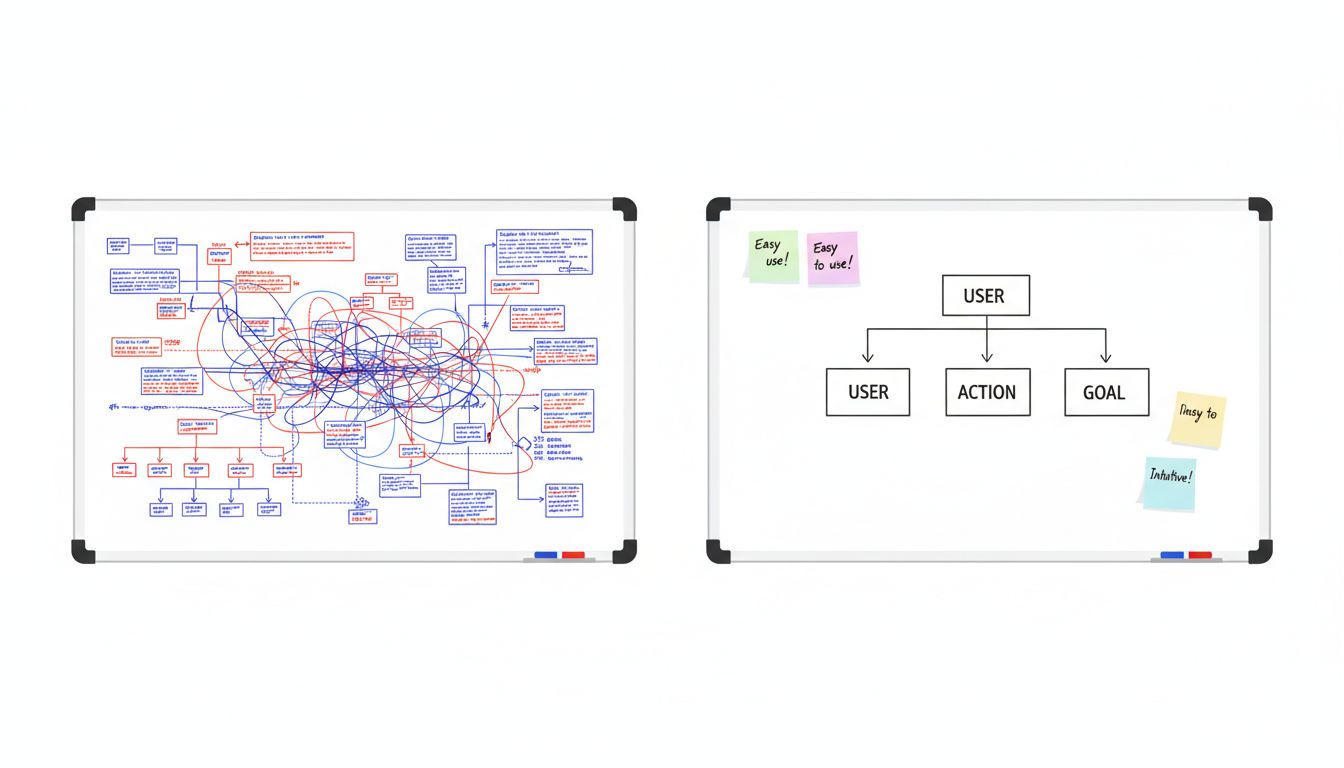
There’s a pattern in how successful side-project-turned-companies handle product decisions that’s worth paying close attention to. They tend to launch with dramatically fewer features than VC-backed competitors. Not because they can’t build more, but because they’ve already learned, through months of low-stakes iteration, that fewer features with sharper focus win. Launching with missing features on purpose isn’t a funding constraint for these teams. It’s a deliberate strategy they arrived at through experience.
They also tend to make better pivots. Not reactive, panic-driven pivots, but genuine course corrections based on accumulated insight. The side project phase is essentially a long discovery sprint with no artificial deadline. By the time these founders pivot (and most do), they’re not doing it because they failed. They’re doing it because they finally understand something true about the market that they couldn’t have known from the outside.
The “Boring Problem” Advantage
Here’s something that doesn’t get enough attention. The problems that make good side projects are almost always boring problems. Deployment friction. Expense reporting. Scheduling. Invoice tracking. Nobody writes think pieces about these problems. They don’t have glamorous pitch narratives. They’re just annoying, persistent, and shared by a lot of people who would happily pay someone to make the pain go away.
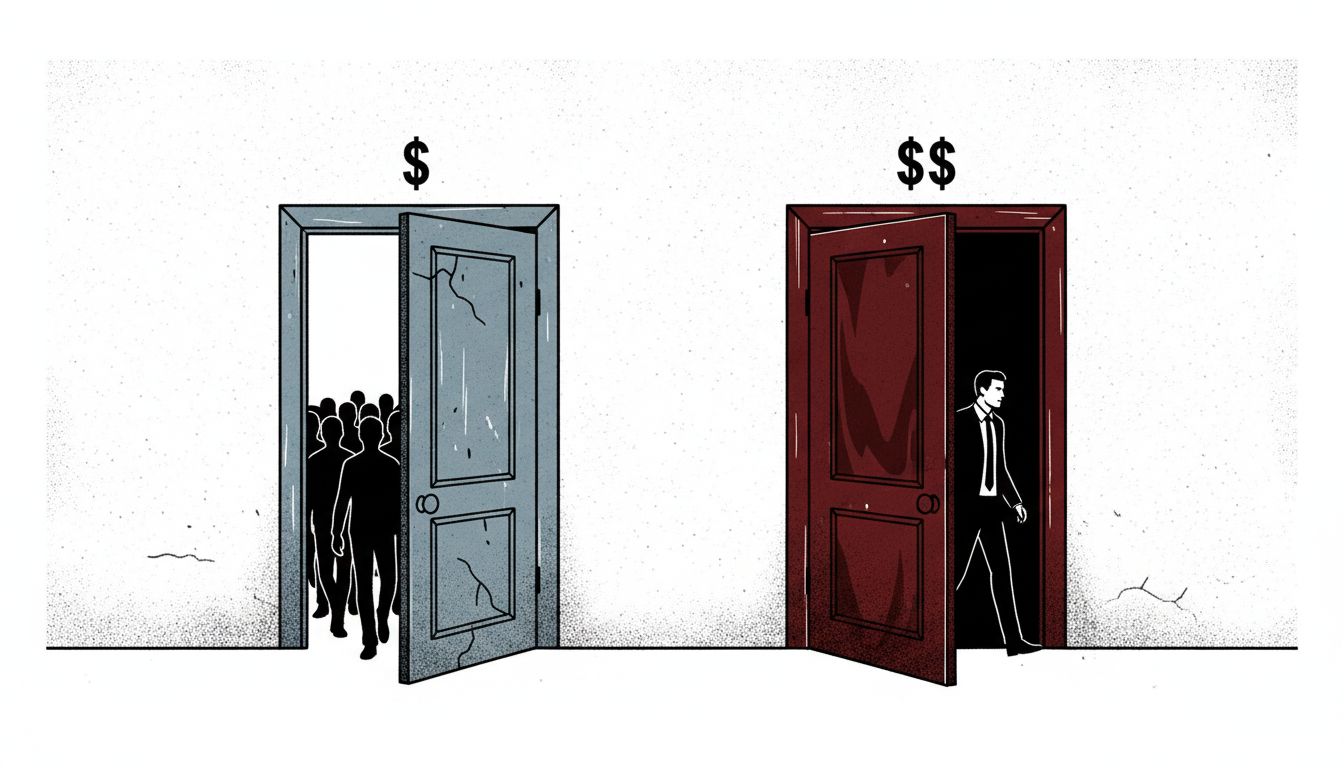
Funded startups, by contrast, feel pressure to work on problems that sound impressive in a pitch room. The bigger and more ambitious the vision, the better it plays to investors. The result is a systematic bias toward complex, speculative bets and away from the mundane problems where real money actually lives.
Side project founders don’t have a pitch room. They have a problem that annoyed them personally, which means it’s almost certainly a real problem with real demand. That alignment between builder frustration and user frustration is a much more reliable compass than a market sizing slide.
When to Cross the Line
None of this means you should stay in side project mode forever. There’s a point where keeping your day job becomes the constraint rather than the protection. The signal is usually pretty clear: when you’re turning away customers because you don’t have time, when users are asking for things you’d build in a week if you could focus, when the opportunity cost of your current job exceeds the security it provides. That’s when you cross over.
The founders who do this well don’t “burn the boats.” They cross a bridge they’ve already built. By the time they go full-time, they have paying customers, a clear use case, and enough validation that they’re not starting from zero under pressure. They’re just removing the constraint that was slowing them down.

The mythology of the bold, all-in founder makes for compelling content. The reality is that most of the companies quietly generating real revenue were built by people who were too busy solving their own problems to bother with the mythology. That’s not a bug. That’s exactly how it works.