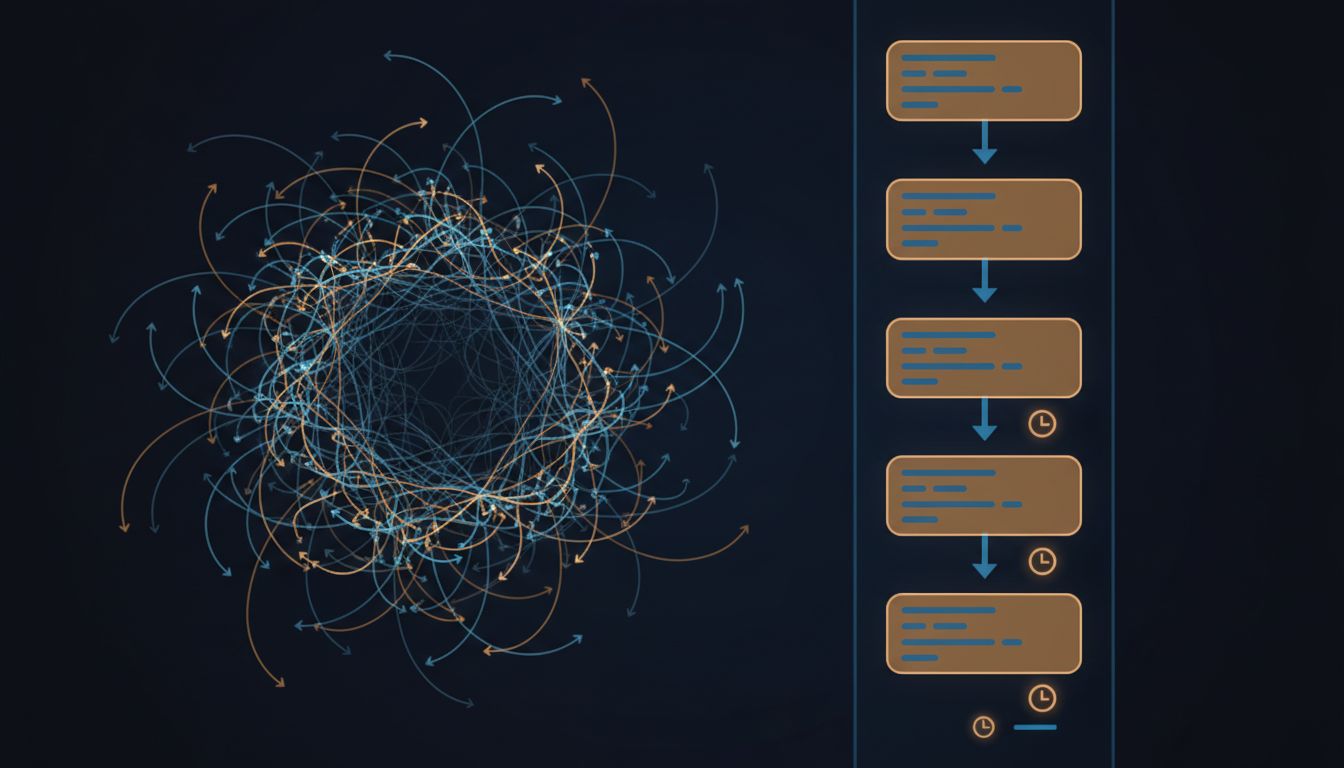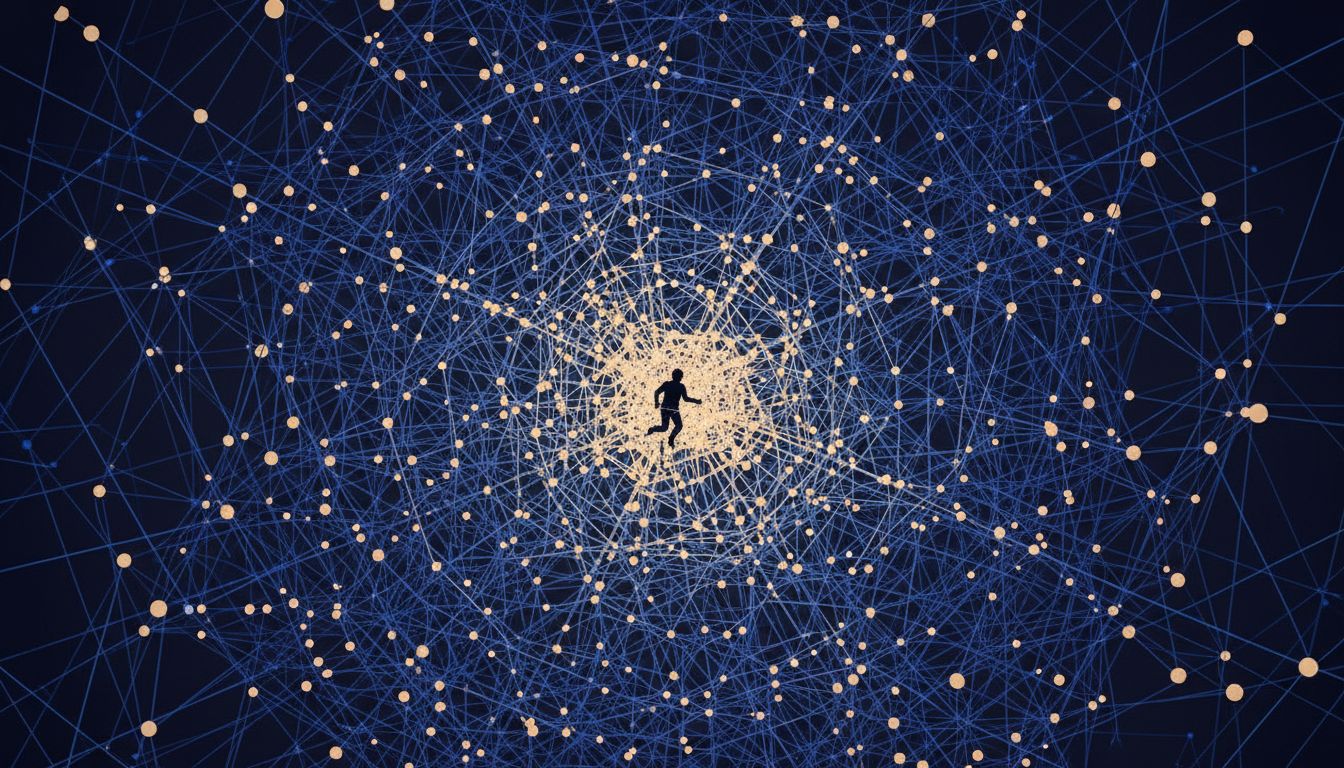
You open your productivity app feeling optimistic. You’ve got your tasks listed, your notifications enabled, your color-coded priorities all set up. Two hours later, you’ve switched between six different features, responded to seventeen pings, and somehow finished nothing important. This isn’t a personal failure. This is the product working exactly as designed.
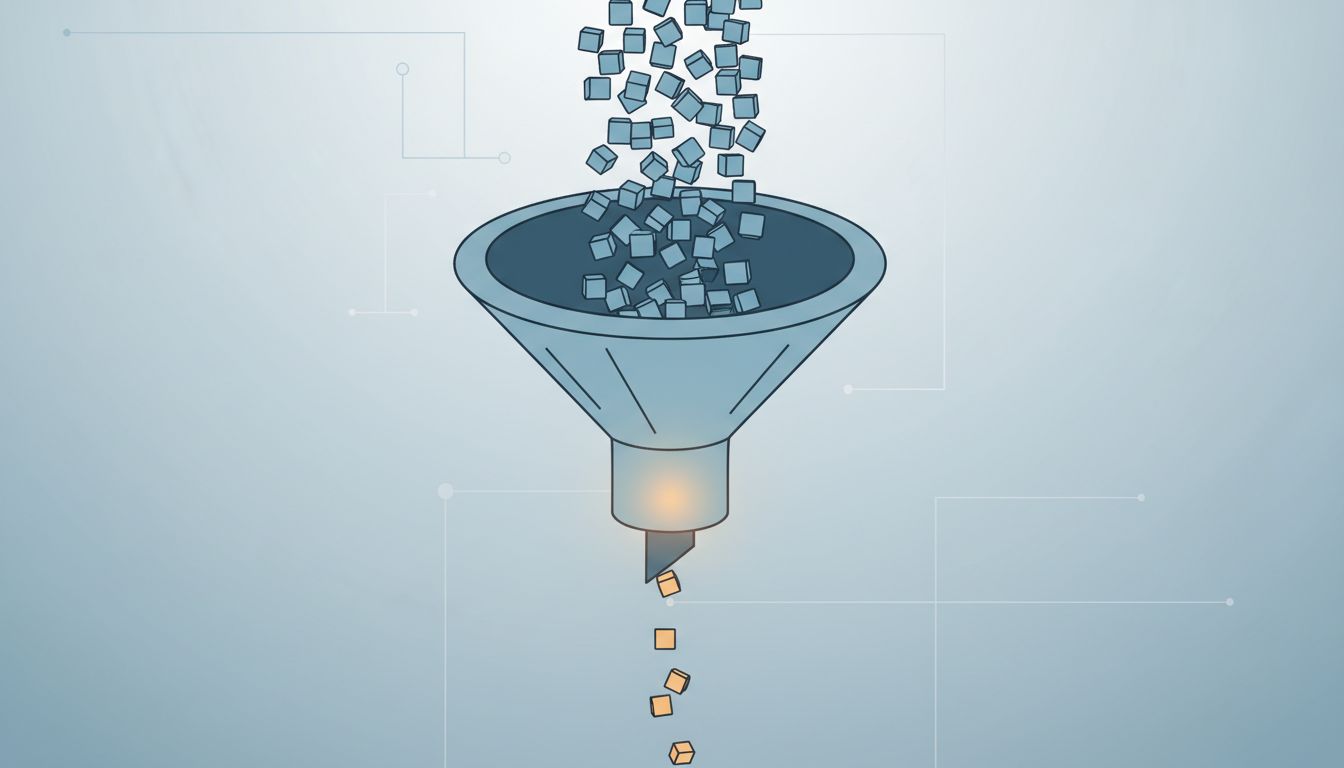
The uncomfortable truth is that most multitasking and productivity apps are built around engagement metrics, not productivity outcomes. The more you switch, tap, and respond, the better the app looks to its investors. If you’ve ever wondered why the tools meant to organize your work seem to create more chaos, you’re asking exactly the right question. It connects to a broader pattern worth understanding: the way tech companies build products their own employees often refuse to use.
Your Brain Has a Switching Cost, and Apps Are Exploiting It
Neuroscience research from the American Psychological Association puts a name to what you’re experiencing: task-switching cost. Every time you shift your attention from one task to another, your brain doesn’t flip a switch cleanly. It drags residue from the previous task into the new one. Researchers estimate this mental friction can reduce your productive output by as much as 40 percent across a workday.
Here’s where it gets interesting. That switching cost isn’t a bug in how you work. It’s a predictable, measurable feature of human cognition. And the teams building productivity software know it exists. They just have financial reasons not to fix it.
Notification systems, task badges, inbox counts, and activity feeds are all designed to trigger what behavioral scientists call “vigilance loops.” Your brain is wired to treat unresolved alerts as open loops that demand closure. Apps that surface new information constantly are essentially keeping your brain in a permanent state of low-grade anxiety, always half-attending to what just came in.
The Engagement Trap Hidden in Your Task List
Think about how most productivity apps are actually monetized. They’re not paid per task you complete. They’re paid per seat, per active user, per monthly engagement number that they report to investors. “Active” in this context almost never means “successfully finished deep work.” It means opened the app, tapped around, came back again.
This is why so many of these tools hide their best features from new users while surfacing the most engagement-friendly ones upfront. Collaboration feeds, comment threads, status updates, and reaction buttons are all prominent. The single-focus mode or distraction-blocking features, if they exist at all, are buried three menus deep.
The result is a system that rewards the appearance of productivity over the reality of it. You feel busy. The app looks successful. Neither of you is actually getting anything done.
What the Research Actually Says About Focused Work
Cognitive psychologist Mihaly Csikszentmihalyi spent decades studying peak performance and identified “flow” as the mental state where people produce their best work. Flow requires sustained, uninterrupted focus on a single challenging task, typically for 25 to 90 minutes at a stretch. Interruptions don’t just pause flow. They destroy it. Research from the University of California, Irvine found that after an interruption, it takes an average of 23 minutes to fully return to a task.
Now count how many times your current productivity setup interrupts you in a given hour.
This is also why your brain never actually finishes a task the way you think it does, and why top performers structure their environments to work with that tendency rather than against it. The Zeigarnik Effect, the psychological phenomenon where incomplete tasks occupy working memory, means every open notification is literally taking up mental bandwidth you need for real work.
A Practical Framework for Escaping the Trap
Once you understand what’s happening, you can start designing around it. Here’s a simple three-part approach that actually works:
1. Audit your tools for engagement features, not productivity features. For every app in your workflow, ask: does this tool help me finish things, or does it help me stay active inside the tool? If the honest answer is the latter, consider whether it’s earning its place in your day. The digital minimalists who outperform heavy tech users aren’t using fewer tools because they’re contrarian. They’ve done this audit and acted on what they found.
2. Create hard windows of single-task time. Pick your two or three most important tasks for the day before you open any app. Schedule 60 to 90 minute blocks to work on them with notifications off. This sounds obvious, and it works precisely because it’s the opposite of what your apps are nudging you to do.
3. Separate consumption from creation. Designate specific times to check messages, review project feeds, and respond to updates. Outside those windows, your apps are closed. This collapses the vigilance loop by giving your brain a reliable schedule for when the open loops will get resolved, which reduces the anxiety that keeps pulling you back to check.
The Industry Knows, and the Incentives Won’t Change
It’s worth being clear: the people building these products are often smart, well-meaning, and genuinely interested in helping users. The problem isn’t malice. It’s incentive structure. When your success metrics are daily active users and session length, you build for engagement. When your success metric is tasks completed, you build very differently.
A few tools are starting to move in the right direction, measuring completion rates, time-to-done, and focus session quality. But they’re exceptions. The majority of the productivity software market is still optimized for the wrong thing, and until that changes, the responsibility for protecting your focus sits with you.
You don’t need a new app to fix this problem. You need a clearer understanding of what the apps you already have are actually designed to do, and the willingness to use them on your terms instead of theirs.
The most productive thing you can do today might be to close a few tools entirely. Start there.