Here is a thing that will bother you once you see it. Every major productivity app on your device, the ones with tabs, sidebars, notification badges, and color-coded priority flags, was built by engineers who deeply understood that the human brain cannot actually do two cognitively demanding things at once. They knew this. They built the apps anyway. And buried inside the architecture of those apps is a design philosophy that quietly pushes you toward single-tasking while the marketing copy promises you the opposite.
This is not a conspiracy. It is an engineering constraint that became a product philosophy, and understanding it changes how you use every tool on your stack. It also connects to a broader pattern in tech where multitasking apps are scientifically designed to make you fail, and the failure is somewhat the point.
The CPU Analogy That Every Developer Already Knows
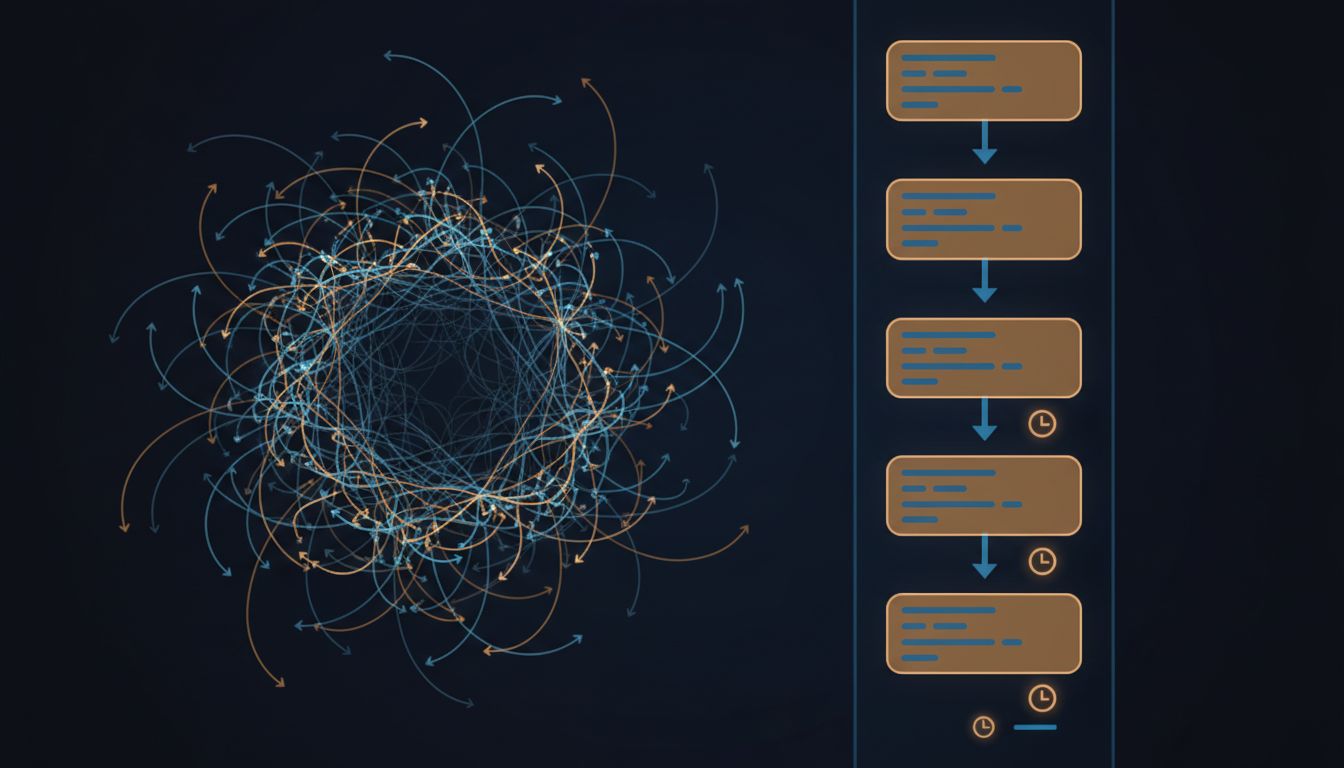
If you have spent any time with operating systems, you know that a single-core CPU does not actually run multiple processes simultaneously. It context-switches, meaning it saves the state of one process, loads the state of another, executes a few instructions, and switches back. This happens fast enough that it feels parallel, but under the hood it is strictly sequential. The cost of each switch is real: you burn cycles saving and restoring state, you risk cache misses, and if you switch too often, you spend more time switching than computing. This is called context-switch overhead, and it is one of the reasons modern systems try hard to batch work and minimize interruptions to a running process.
Your brain works the same way, and the researchers who study this are not subtle about the comparison. When you shift attention from writing a design document to answering a Slack message and back again, your prefrontal cortex has to reload the prior mental context, re-establish working memory pointers, and re-enter the problem space. Studies in cognitive neuroscience put the recovery time at somewhere between 15 and 23 minutes for complex tasks. Every interruption is a cache miss at the neurological level.
The engineers who built tools like Notion, Linear, and even early versions of Gmail knew this literature. Many of them came from software backgrounds where context-switch overhead was not a metaphor but a measured performance cost.
Why the Apps Look Like They Encourage Multitasking
So if the designers understood single-tasking was optimal, why do productivity apps look like cockpit dashboards? The answer lives at the intersection of sales, user acquisition, and a well-documented product trap.
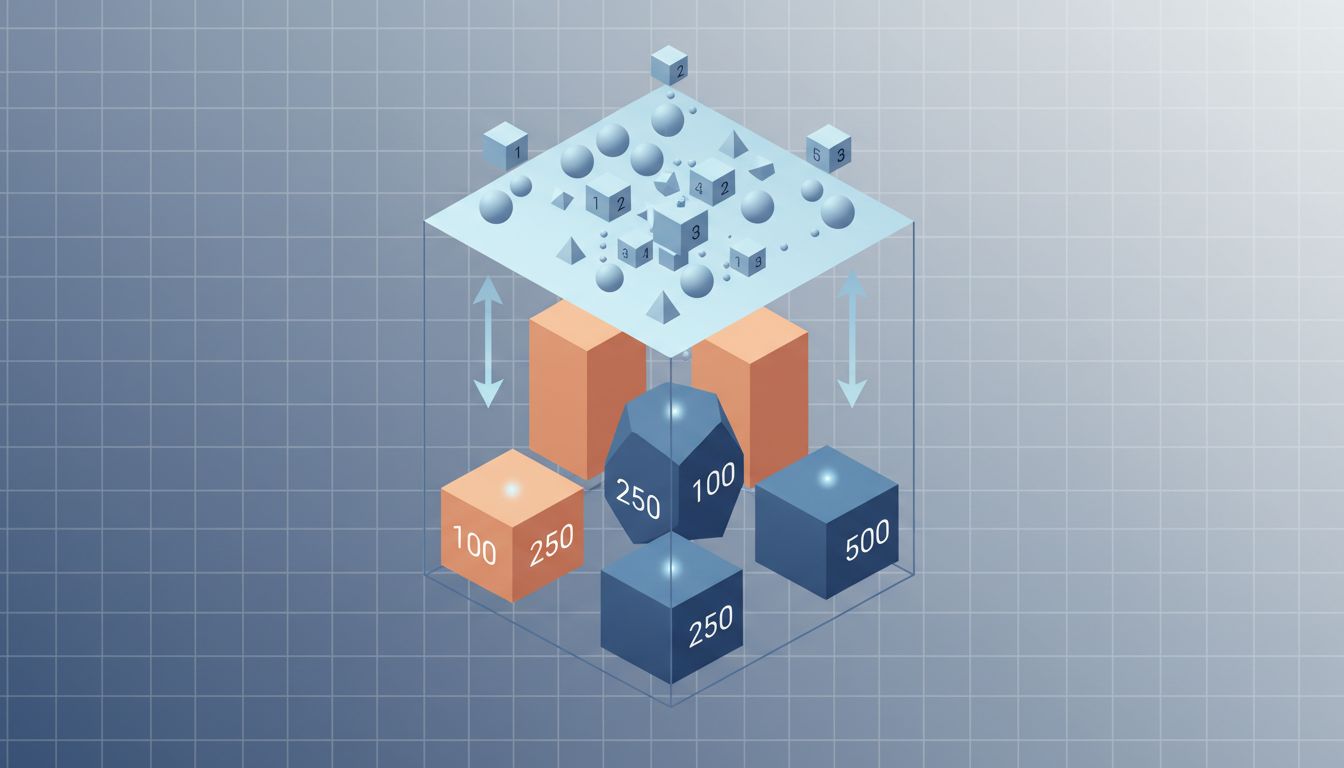
Feature surface area is how productivity tools get purchased, especially at the enterprise level. A buying committee evaluating project management software is not watching someone use it for six hours. They are looking at a feature matrix. The tool with more visible capabilities wins the procurement meeting, even if those capabilities actively degrade the experience of the person doing the actual work. This dynamic explains a lot about why enterprise software costs 10x more than consumer versions, and it has nothing to do with the underlying technology being more sophisticated.
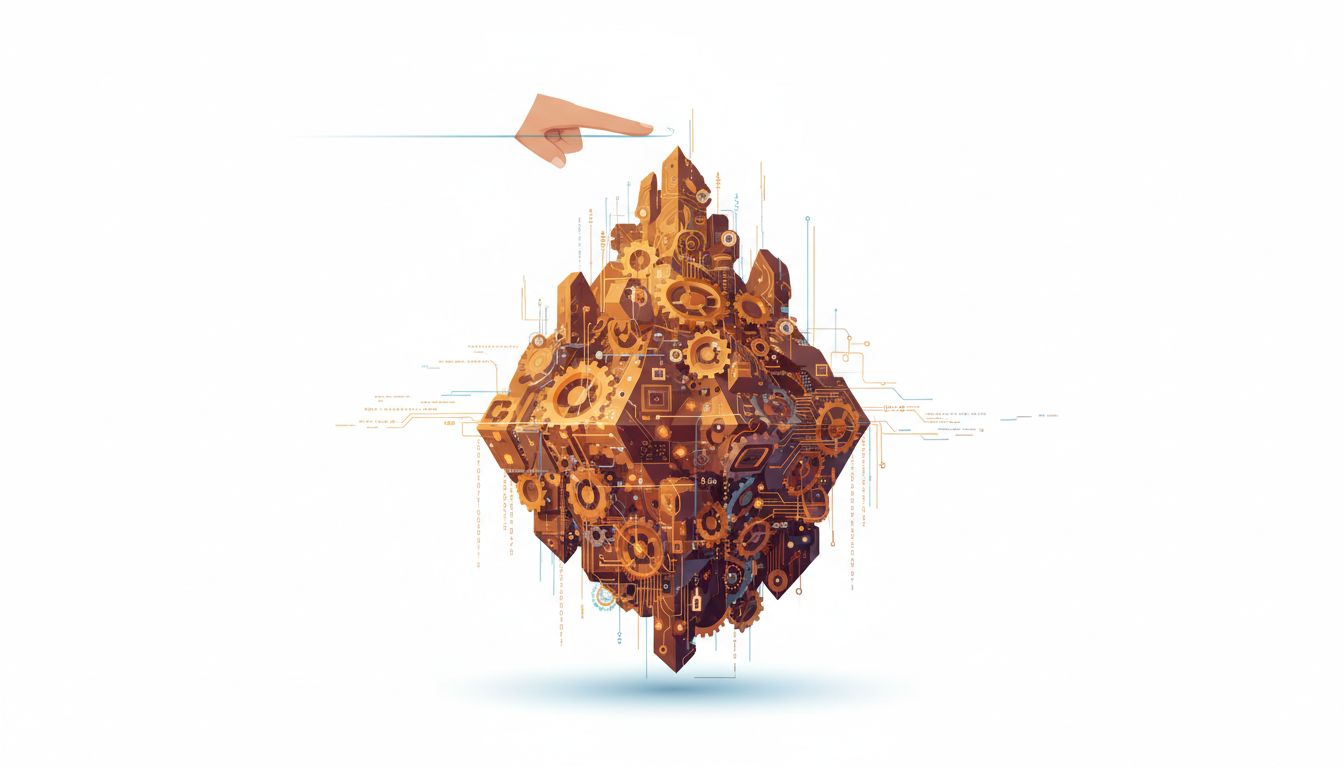
The result is a product that markets multitasking capability loudly while quietly encoding single-tasking nudges into its interaction design. Look carefully at how the best-regarded tools actually behave. Notion’s full-screen focus mode. Linear’s deliberate absence of a global notification feed. Things 3’s today view that collapses your entire backlog into a single prioritized list. These are not accidents. They are the engineers’ philosophy leaking through the product manager’s feature checklist.
The Architecture of Forced Attention
Let’s get specific about how this works at the design pattern level, because this is where it gets genuinely interesting.
Consider what is called a “modal interaction,” a UI pattern where the application forces you into a single context and blocks all other interactions until you complete or dismiss it. A modal dialog is the obvious example, but the concept extends further. When you open a task in Linear to write a description, the interface expands that task to near full-screen and dims everything else. That is a soft modal. It does not lock your keyboard, but it visually removes competing stimuli from your field of attention.
This is deliberate sensory narrowing, the software equivalent of closing the door to your office. The engineers who built it were essentially implementing, in interface form, the same principle that makes digital minimalists outperform power users. Fewer visible options means fewer decision interruptions, and fewer interruptions means the prefrontal cortex stays in its current task context longer.
There is also the concept of progressive disclosure, where an application hides advanced functionality behind deliberate navigation steps, revealing it only when you choose to look. On the surface this seems like a UX simplification technique. At a deeper level it is a context-protection mechanism. If you have to navigate to see your inbox, you are making an active choice to switch contexts, rather than being pulled by a badge count sitting permanently in your peripheral vision.
What This Means for How You Configure Your Tools
Once you understand that well-designed productivity tools are secretly single-tasking machines in multitasking clothing, you can start stripping away the multitasking theater and letting the underlying philosophy do its job.
The practical implications are fairly concrete. Turn off notification badges everywhere you can. Badges are a context-switch trigger sitting permanently in your visual field, and every time your eye lands on one, you pay a small but real attention tax. Configure your tools to surface one active priority at a time rather than a full backlog. Use focus modes and full-screen interfaces not as emergency measures but as your default operating state.
Teams that have operationalized this at scale tend to adopt strong async communication norms, which reduce the interruption surface dramatically. There is a well-documented playbook for this, and successful remote teams use async communication to outperform in-person offices in part because async by definition defers context-switching to scheduled, intentional intervals rather than real-time interruptions.
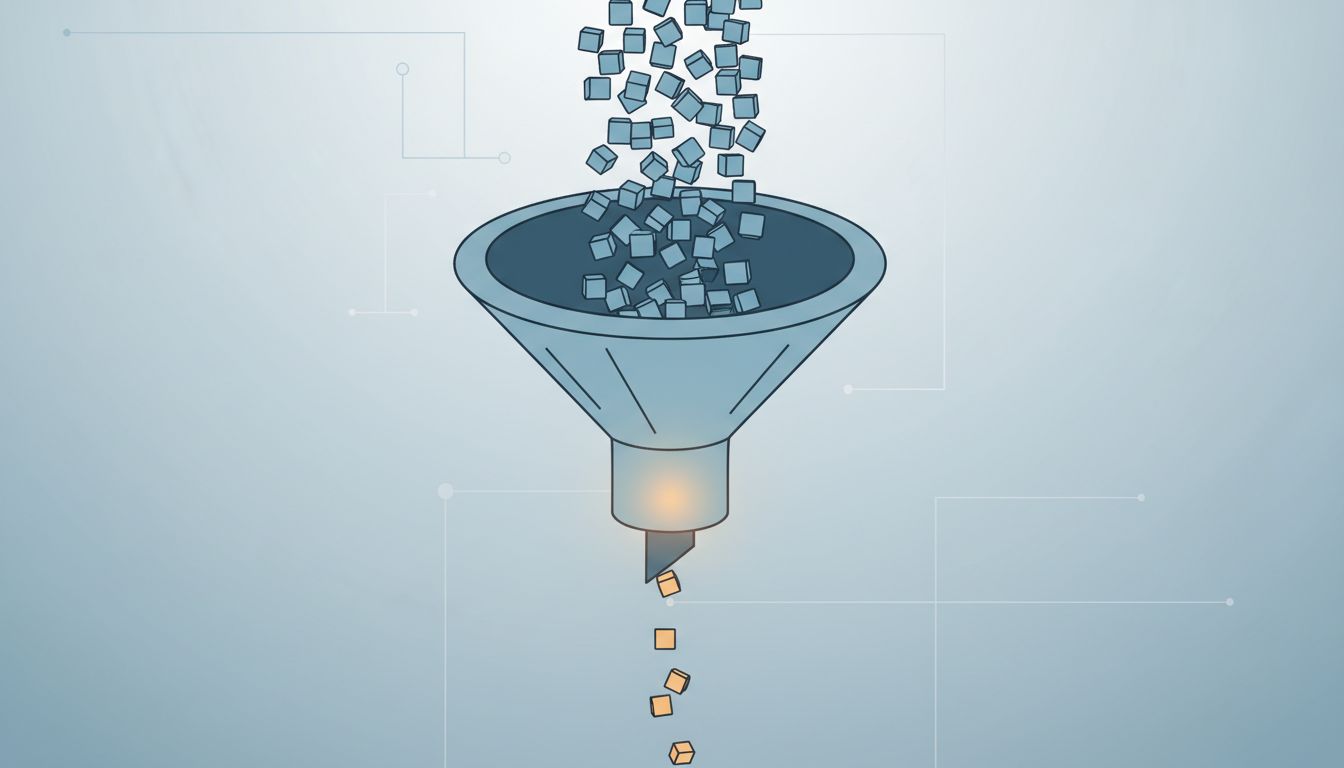
The underlying engineering insight is straightforward: batch your context switches the same way a well-tuned scheduler batches process switches. Do not let your tools interrupt you. Choose when to switch, load the new context fully, execute, and then choose when to switch back.
The Irony You Are Now Stuck With
Here is the slightly uncomfortable truth at the end of all this. The apps that were marketed to help you manage more are most powerful when you use them to manage less. The features you paid for in the enterprise tier are often the ones you should disable first. The notification systems that justified the product roadmap are the systems most worth turning off.
The engineers who built these tools often understood this perfectly. The product decisions that obscured it were made for rational business reasons, not out of ignorance. Understanding both sides of that gap is what separates someone who is used by their tools from someone who actually uses them.