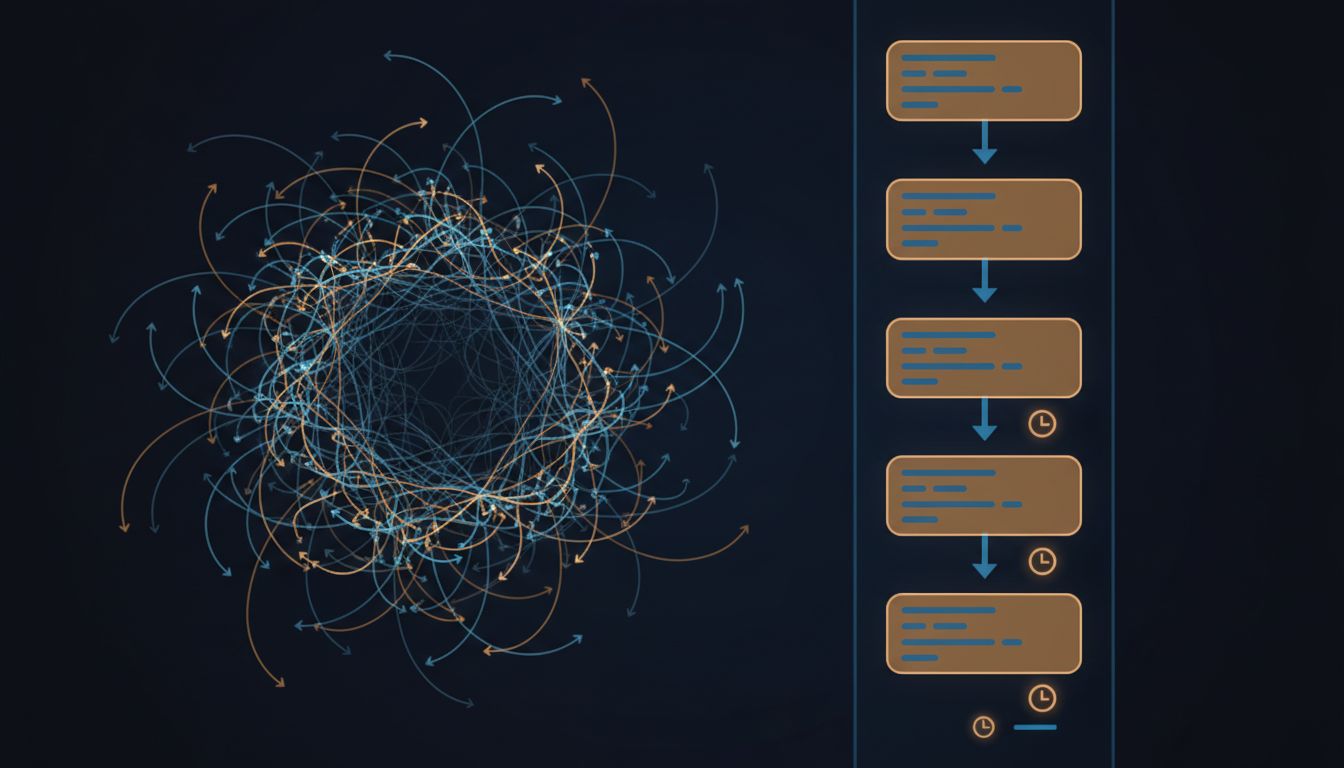

Here is the thing nobody tells you about multitasking: the cost is not just the time you lose switching between tasks. The cost is that you are actively training your brain to be bad at sustained attention, and that training sticks.
Most productivity advice treats multitasking as a bad habit you can simply stop. Close the tabs, silence the phone, get back to work. That framing misses something important. Years of chronic multitasking do not leave you where you started once you quit. They leave you with a brain that has genuinely reorganized itself around interruption, and rebuilding that capacity requires deliberate work.
Your brain learns what you practice, including fragmentation
Neuroscience has a principle worth taking seriously: neurons that fire together wire together. When you spend years responding to every ping, toggling between six browser tabs, and treating long stretches of unbroken work as uncomfortable, you are not just choosing a workflow. You are conditioning your brain to expect and prefer fragmented input.
Research by Clifford Nass and colleagues at Stanford found that heavy media multitaskers performed worse than light multitaskers not just at multitasking, but at filtering irrelevant information during focused tasks too. The chronic multitaskers were worse at the thing they practiced and worse at the thing they did not. That is not a productivity penalty. That is neural habit formation working exactly as designed, just in the wrong direction.
The implication is uncomfortable: if you have been multitasking heavily for years, you cannot simply decide to focus deeply and expect it to work. The mental equipment for sustained attention has been underused long enough that it needs rebuilding.
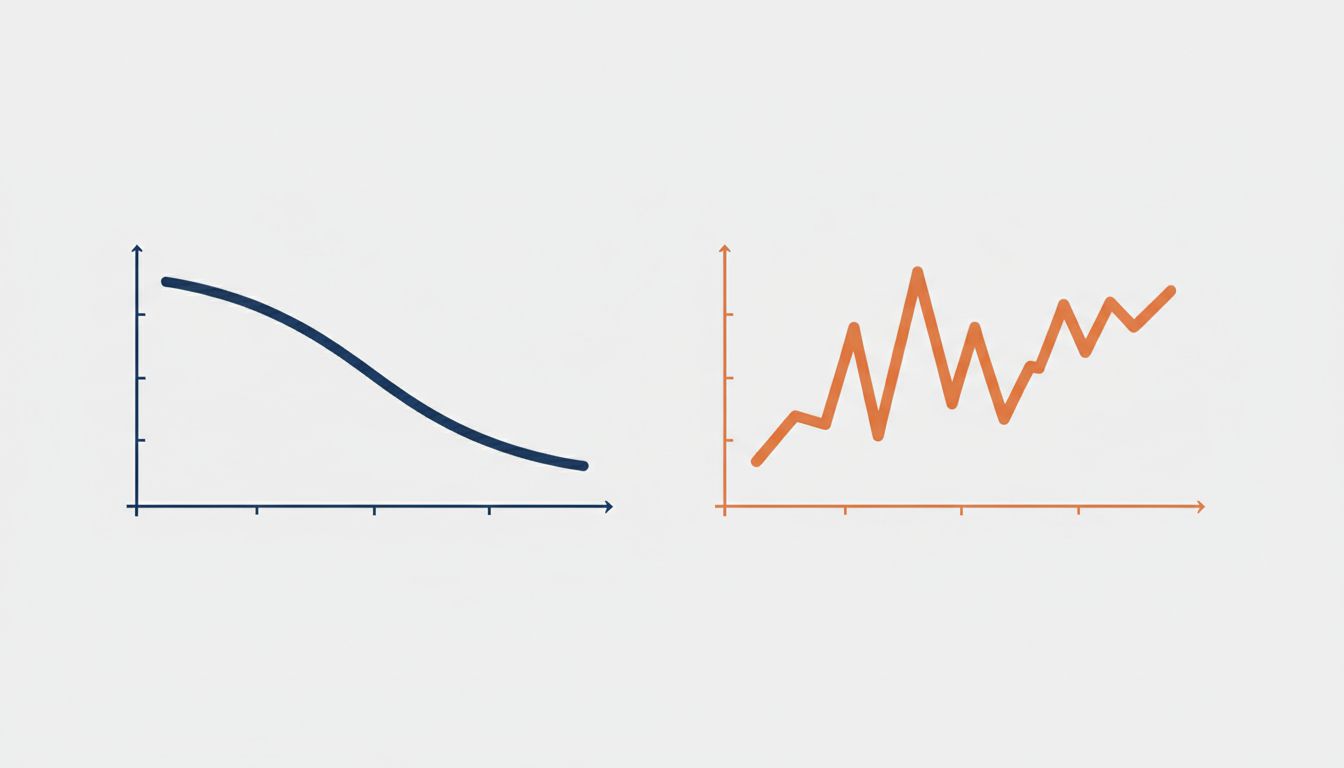
Attention is not a fixed resource. It is a trained skill.
We tend to talk about focus the way we talk about willpower, as something you have a finite amount of and need to conserve. That model is incomplete. Attention is also a capability you develop or degrade through use.
Cognitive psychologists distinguish between the ability to focus and the ability to resist distraction. These are related but not identical, and multitasking erodes both through different mechanisms. Habitual task-switching reduces your tolerance for the discomfort that comes at the start of hard cognitive work (the feeling before you get into flow). And constant exposure to notifications conditions you to treat any signal as potentially urgent, which keeps your threat-detection system running in the background even when there is nothing to detect.
The practical consequence is that focused work starts to feel harder than it actually is. You sit down to write something difficult or think through a complex problem, and within minutes you feel the pull to check something, anything. That pull is not weakness. It is a learned response you have spent years reinforcing. Your Brain Treats a Screen Like a Window and a Page Like a Map, and That Difference Costs You More Than You Think gets at a related piece of this: the medium you work in shapes how your cognition operates, not just what you produce.
The damage is slow and therefore invisible
This is the hidden part. If multitasking made you acutely worse each day, you would notice quickly and adjust. Instead, the degradation is gradual. Your baseline for what focused work feels like shifts slowly downward. You forget what genuine concentration used to feel like, or you assume the restlessness you now feel during focused work was always there.
People often tell me they have always been bad at focusing. Sometimes that is true. More often, they have just been steadily training themselves out of a capacity they once had, over long enough a period that the before-and-after is invisible to them.
This also explains why productivity systems so often fail to deliver lasting improvement. Productivity systems work for 30 days then stop because you solved the wrong problem. You can build the perfect task management setup, but if the underlying hardware (your trained attention capacity) is degraded, the system sits on a faulty foundation.
The counterargument
The reasonable pushback here is that modern knowledge work genuinely requires juggling multiple contexts. A product manager cannot spend six uninterrupted hours on a single deliverable. An engineer on-call cannot ignore the pager. Real jobs have real interruptions, and pretending otherwise is advice from someone who does not have your job.
This is fair. But it conflates two different things: strategic context-switching (moving between distinct responsibilities in a structured way) and reactive fragmentation (responding to whatever arrives next, whenever it arrives). The first is a skill you can develop and manage deliberately. The second is what actually degrades your capacity. The most productive people treat their calendar like source code, meaning they make intentional decisions about when to switch contexts rather than letting interruption govern the day.
You are not choosing between multitasking and some monk-like existence. You are choosing between letting your attention be shaped by whoever sends the next notification and taking active control of how and when your focus switches.
What you can actually do about it
The honest answer is that rebuilding attention capacity takes time and feels uncomfortable at first, specifically because the discomfort is the training signal.
Start with blocks of genuinely uninterrupted work, meaning no tabs, no phone, no background noise with lyrics. Begin with 25 minutes if that is all you can manage. The goal is not productivity in that session. The goal is tolerating the discomfort without escaping it. Over weeks, extend the blocks. Notice when the restlessness peaks and then passes. That passing is the skill being rebuilt.
Also audit what trained you into fragmentation in the first place. Notifications are the obvious target. But also consider whether your work environment rewards responsiveness so heavily that being unreachable for an hour feels professionally risky. If so, the problem is not personal habit, it is organizational incentives, and you need to address both.
Multitasking is not just making you less productive right now. It is making it progressively harder to do the work that actually matters. That is worth taking seriously before the compound interest gets too steep.