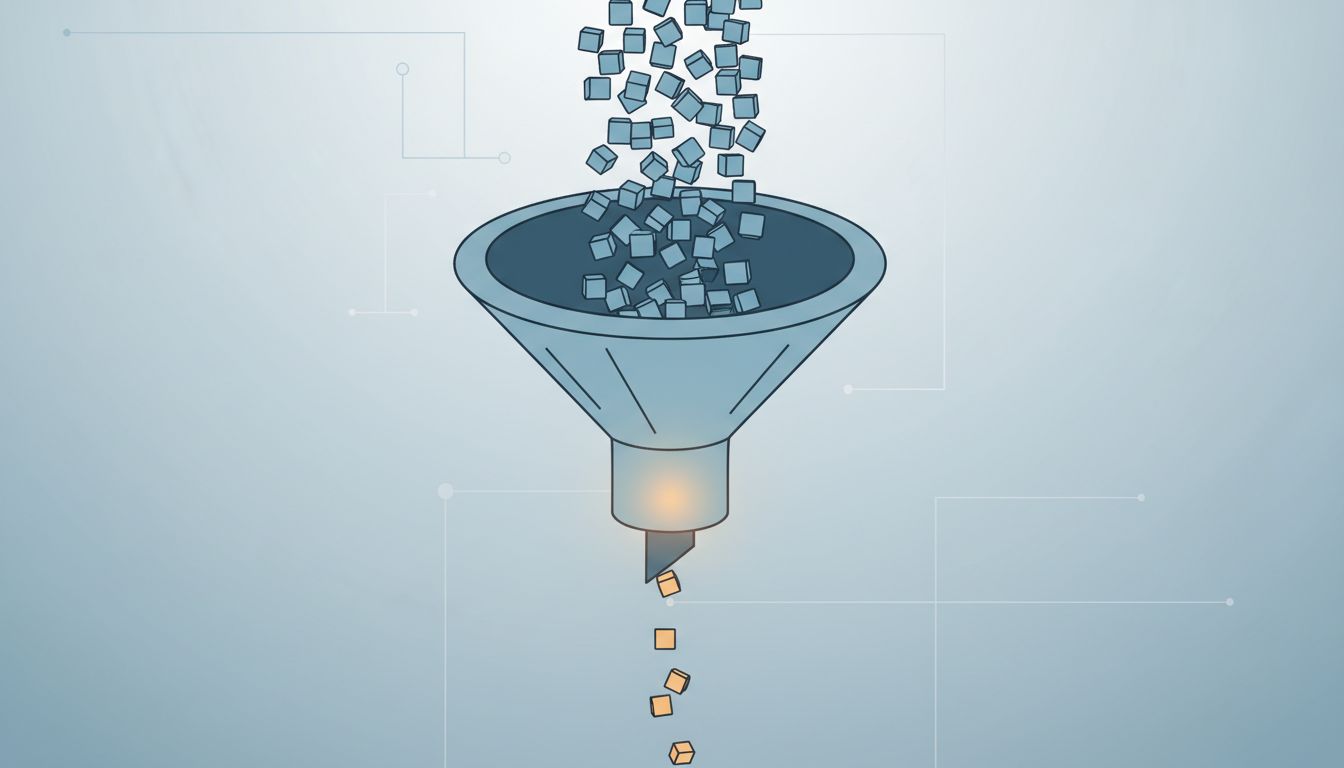
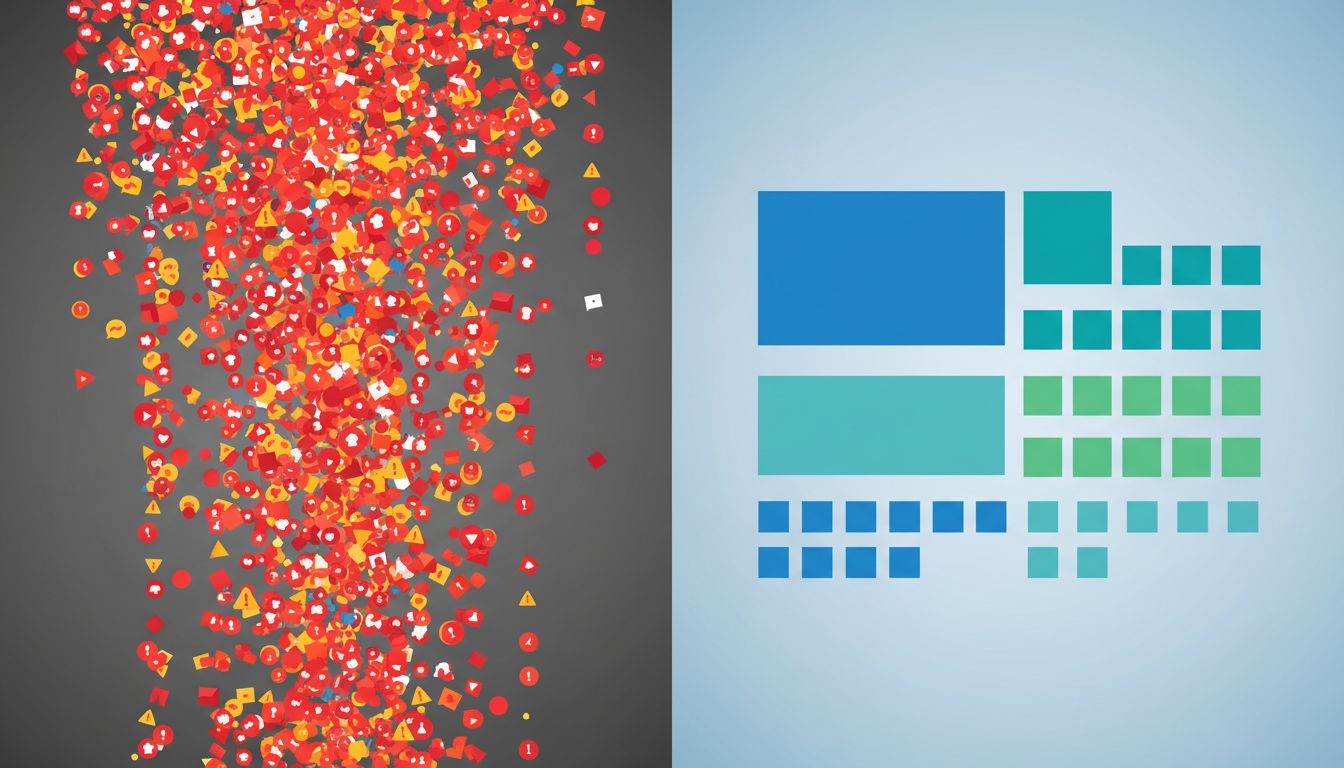
Most people think of notifications as interruptions, something that pulls you away from real work before you return to it. The more accurate picture is worse. When you check a notification and respond to it, you haven’t paused your work and resumed it. You’ve replaced your agenda with someone else’s.
This is not a willpower problem. It’s a system problem. And once you see the specific ways notification-driven work degrades your output, the fix becomes obvious.
1. Your brain does not multitask. It switches, and switching is expensive.
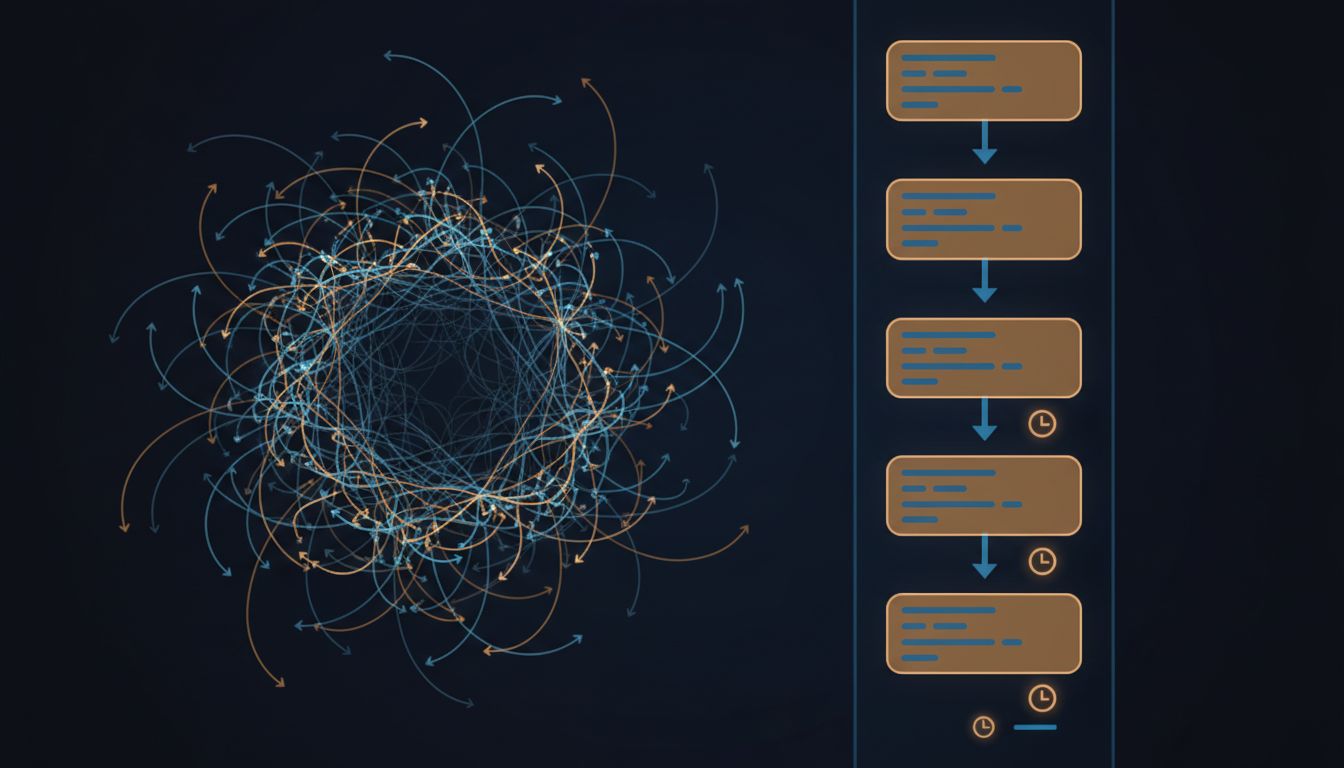
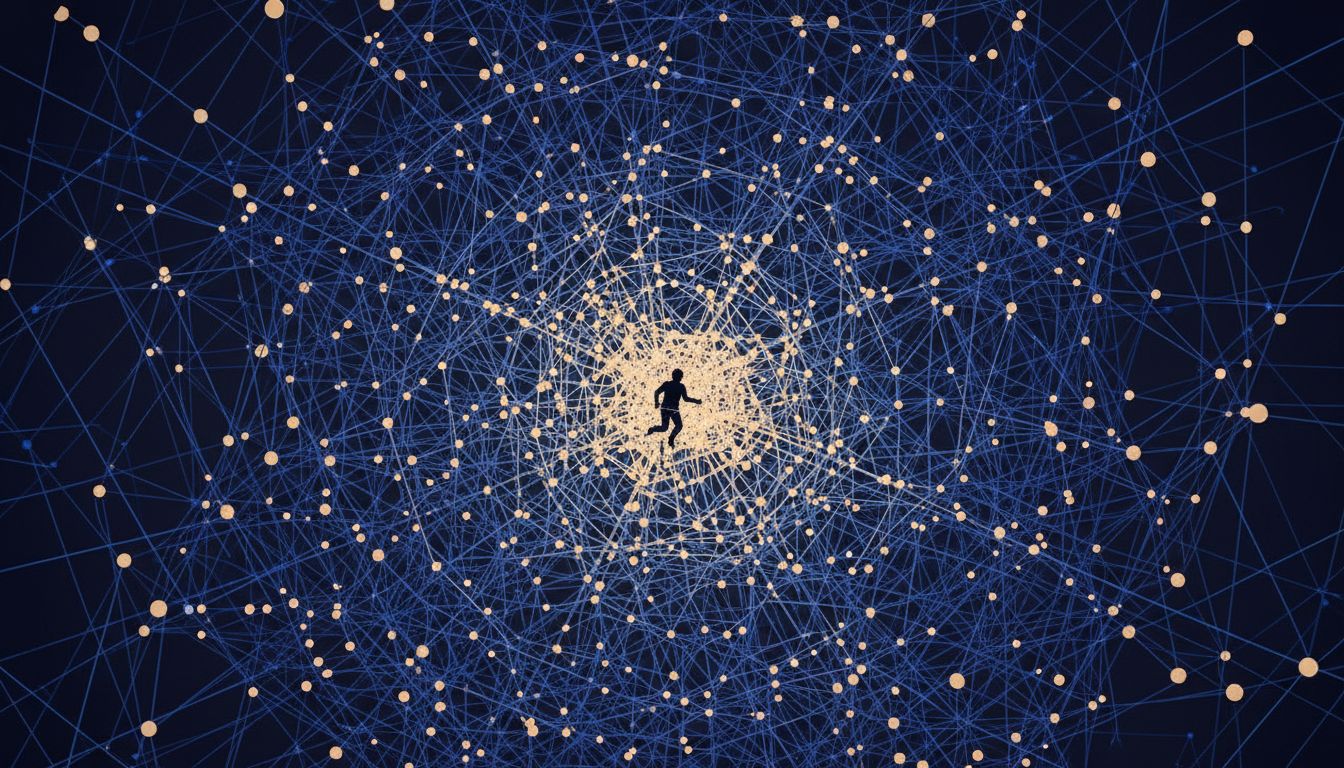
Every time a notification pulls your attention, your brain doesn’t cleanly pause one task and start another. It abandons the first task mid-load, carries residual activation from it into whatever comes next, and then has to rebuild context when you return. Gloria Mark’s research at UC Irvine found it takes an average of around 23 minutes to fully return to a task after an interruption. One Slack ping does not cost you 30 seconds. It costs you the rest of the morning.
The insidious part is that you won’t feel this cost clearly. You’ll feel a vague sense of having worked hard all day without finishing anything substantial. That feeling is accurate. You worked hard at context-switching, which produces the sensation of effort without the output of focus.
2. Notifications are ranked by recency, not importance.
Here is the logic your notification queue uses to order your priorities: whatever arrived most recently goes to the top. That’s it. There is no filter for urgency, no distinction between a message from your largest client and a reply-all thread about the office coffee situation.
When you respond to notifications in the order they arrive, you are operating on someone else’s schedule, determined by when they happened to send something, not by what actually matters to your work. Your digital calendar runs the same playbook, letting other people stake claims on your time simply by booking first. Notifications do the same thing at a finer grain, replacing your minute-by-minute decisions with a queue you didn’t design.
3. Deep work requires an on-ramp. Notifications destroy it before you arrive.
Getting into a genuine state of focused work isn’t instantaneous. You need a few minutes of uninterrupted effort before your thinking sharpens and the connections start forming. This is the mental state where your best output comes from, the one where you’re not just executing steps but actually solving something.
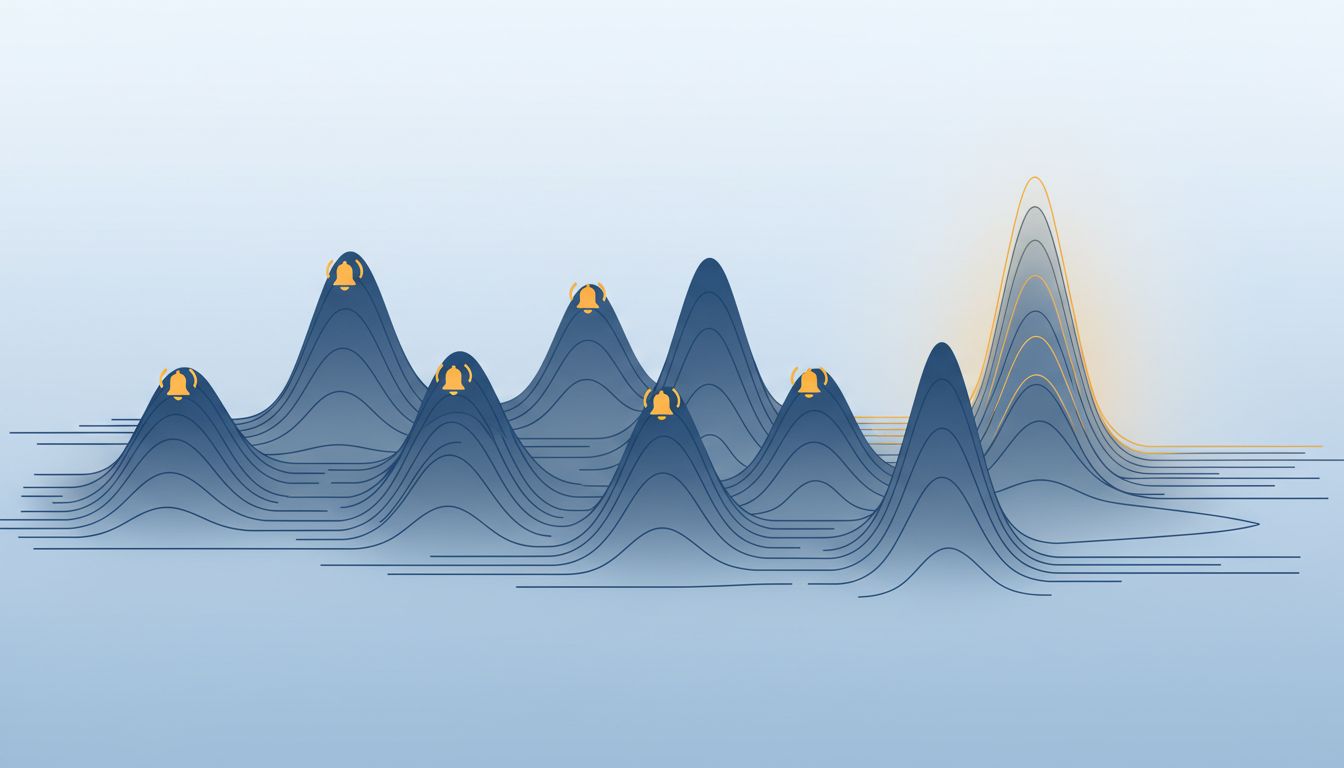
Notifications are specifically good at hitting you just as you’re approaching this state. You’ve cleared your inbox, you’ve opened the doc, you’re reading back through your notes to rebuild context, and then your phone buzzes. You’re back at zero. Well-designed software is optimized to interrupt you at the exact moment you can least afford it, and this is not a coincidence. Engagement metrics reward the interruption regardless of what it costs you.
4. You train yourself to need the stimulation.
The more you check notifications, the shorter your tolerance for not checking them becomes. This is straightforward conditioning. Each check delivers a small hit of novelty (sometimes a reward, sometimes just new information), and your brain begins to associate the discomfort of sustained focus with the relief of a quick check. Over time, you start interrupting yourself even without an incoming notification, just to see if something has arrived.
Researchers have documented this pattern in the same way they’ve documented variable reward schedules in gambling. The unpredictability of what you’ll find when you check is exactly what makes the habit sticky. You can’t fix this by trying harder to resist. You fix it by removing the trigger: notifications off, phone out of arm’s reach, specific check-in times scheduled in advance.
5. Reactive work crowds out the work that actually moves things forward.
There’s a reliable pattern in how notification-driven days feel: full but unproductive. You responded to 40 messages. You attended two impromptu calls. You sent a dozen quick replies. And the proposal you needed to finish, the one that requires sustained thinking, didn’t move.
This happens because reactive tasks are always available and always completable quickly. They give you the satisfaction of finishing something. Strategic work is harder to start, takes longer, and leaves you uncertain when you’re done. Given a choice made in the moment, under cognitive load, most people will choose the quick win. Notifications make that choice for you constantly, keeping you occupied with the urgent and leaving the important for a tomorrow that keeps moving.
6. The fix is a schedule, not a stronger will.
Turning off notifications entirely and checking messages on a set schedule (three or four times a day works for most people) is not a radical experiment. It’s a basic operating decision. The friction is social: people expect fast replies, and you may worry about appearing unresponsive.
The practical approach is to tell your team your check-in windows in advance and give them a genuine emergency channel if something genuinely can’t wait. Most people discover that almost nothing actually can’t wait two hours. What felt urgent in the moment rarely looks that way when they check in at noon and find the sender has already resolved it.
You don’t need to be unreachable. You need to be the one deciding when you’re reachable. That’s not a small distinction. It’s the whole difference between a day you designed and a day that happened to you.