
The term ‘productive procrastination’ sounds like something a life coach invented to make slacking feel virtuous. I want to argue it’s actually a precise description of how experienced programmers handle problems that resist direct attack.
The position I’m defending: deliberately deferring a problem, while doing something else useful, is not a workaround for poor discipline. For a specific class of hard problem, it is the correct technique. The programmers who do it well have internalized this. The ones who haven’t spend hours staring at code that won’t yield.
The Problem With Forcing It
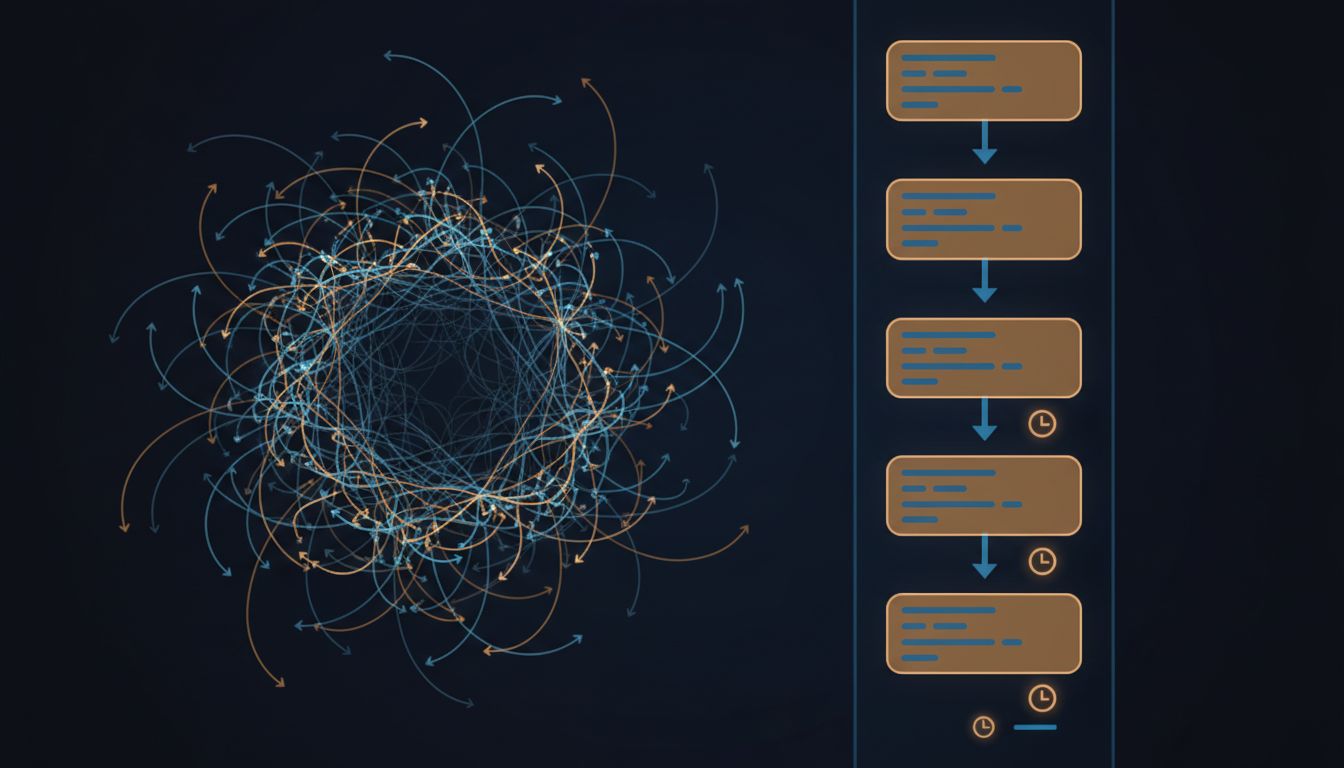
When you hit a genuinely hard problem, your first instinct is to concentrate harder. More coffee, fewer distractions, longer sessions. This works fine for a problem that’s hard because it’s complex but solvable with sustained attention. It does not work for a problem that’s hard because you’re missing a conceptual frame.
Consider the difference between implementing a known algorithm (complex but tractable) and designing the right data structure for a system you haven’t fully understood yet. The second problem isn’t solved by staring at it. You’re missing something, and the missing thing rarely surfaces under direct pressure.
This is the category where productive procrastination earns its name. You stop, you do something adjacent, and later, often annoyingly, the insight arrives.
What Is Actually Happening Cognitively
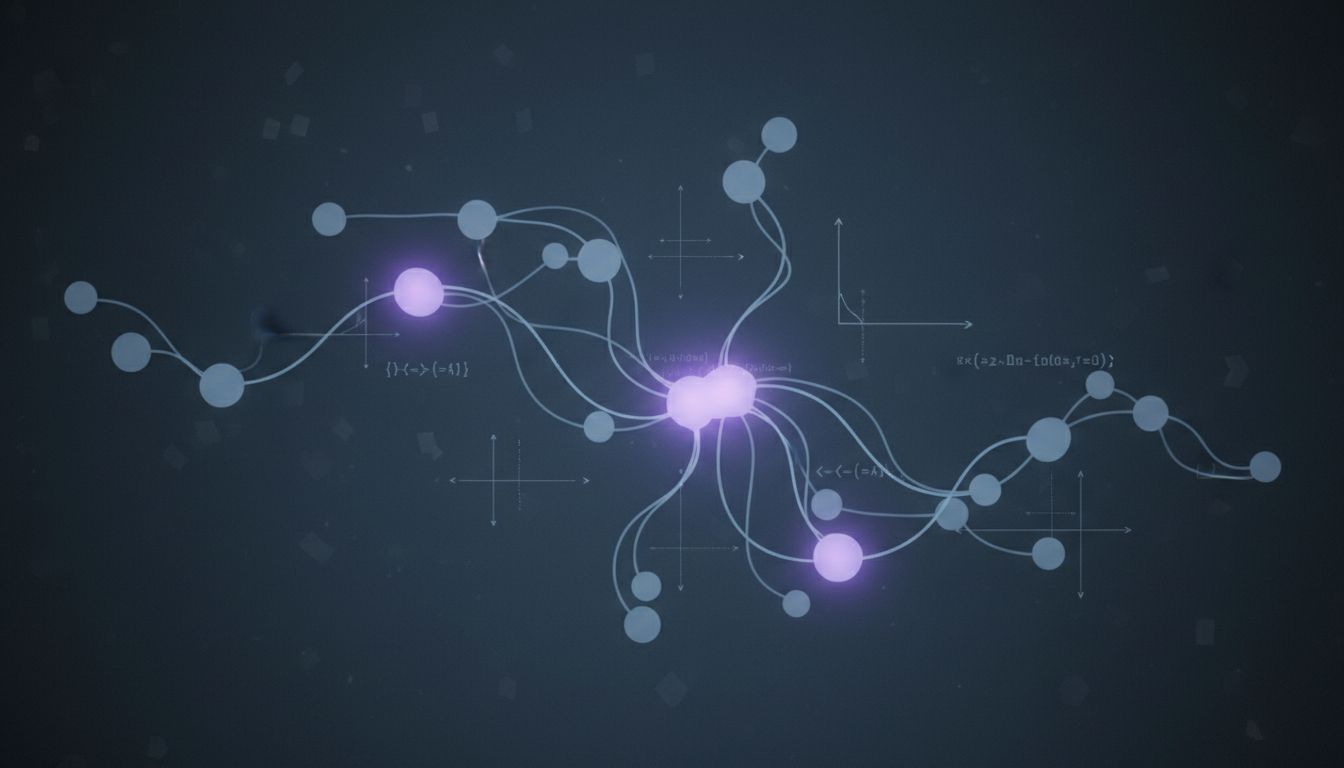
This isn’t mysticism. The underlying mechanism is reasonably well understood. When you stop consciously working on a problem, your brain’s default mode network (the set of regions active during mind-wandering and rest) continues processing it. This is distinct from focused attention, which relies on different neural circuits.
Psychologist Ap Dijksterhuis has studied what he calls ‘unconscious thought theory,’ the idea that for complex decisions involving many variables, periods of distraction can produce better outcomes than sustained deliberation. The research is genuinely contested, and I’d be cautious about over-applying it. But the basic observation that background processing exists and produces results is not controversial.
For programmers specifically, the ‘shower problem-solving’ phenomenon is so common it’s practically a meme. That’s not coincidence. You’ve loaded the problem into working memory, and when conscious attention releases it, something else takes over.
The Elite Part Is in the Execution
Anyone can walk away from a hard problem. What separates this from ordinary procrastination is what happens before and after.
Before stepping away, strong programmers do something specific: they articulate the problem as precisely as possible. This is load-bearing. Write down what you’ve tried, where it breaks, what properties the solution needs to have. This isn’t documentation busywork. It’s priming. You’re giving your background processing a well-formed problem to work on instead of a vague discomfort.
The ‘productive’ part of productive procrastination also refers to what you do during the break. You’re not watching videos or doom-scrolling. You’re doing something that requires mild, engaged attention but not deep focus. Code review. Writing documentation. Answering straightforward issues. Refactoring a small, understood module. The goal is to keep your hands busy with low-stakes work while your brain runs the harder job in the background.
After the break, you return with fresh eyes and, often, an actual idea. The programmers who do this well have a habit of keeping notes nearby during breaks, because insights that arrive mid-task tend to evaporate if you don’t capture them.
It Compounds Over a Career
There’s a longer-term effect worth naming. Programmers who learn to trust this process develop a different relationship with hard problems. They stop treating a stuck state as a sign of personal failure and start treating it as diagnostic information: this problem requires a different mode of engagement.
That reframe matters more than it sounds. Anxiety about being stuck tends to produce more staring, more forcing, and often some impulsive solution that technically works but creates debt you’ll pay for months. A programmer who recognizes the stuck state, prepares the problem carefully, and walks away is making a bet with a historically good return.
This is also why senior developers seem calmer about hard problems than junior ones. It’s not that hard problems bother them less. It’s that they’ve seen enough cycles of ‘stuck, walked away, insight’ to trust the process.
The Counterargument
The obvious objection is that this is just rationalized avoidance. And it’s fair. The line between productive procrastination and plain procrastination is not always obvious from the outside, or even from the inside.
The distinction I’d draw: if you can’t articulate why you’re stuck, you’re probably avoiding. If you can describe the problem precisely, identify what you’ve ruled out, and name what property the solution needs to satisfy, then stepping away is probably genuine technique. The problem has been properly loaded. Background processing has something to work with.
There’s also a real risk of using this as cover for indefinite deferral. That’s not a feature of the technique, that’s a failure mode. The programmer who says ‘I’m productively procrastinating’ and never returns to the problem is just procrastinating. The return is mandatory.
The Actual Position
Forcing attention onto a problem that requires background processing is not diligence. It’s a mismatch between the tool and the job. The programmers who produce consistently good solutions to hard problems have learned, usually through painful experience, that some problems need to be set down to be solved.
Doing this well requires preparation (articulate the problem clearly before stepping away), discipline (do something useful during the break, not something numbing), and a reliable return (come back, capture the insight, apply it). That’s not laziness dressed up. That’s a technique.
The hard part is that nothing about this looks like work from the outside. Which is probably why it took most of us years to give ourselves permission to do it.