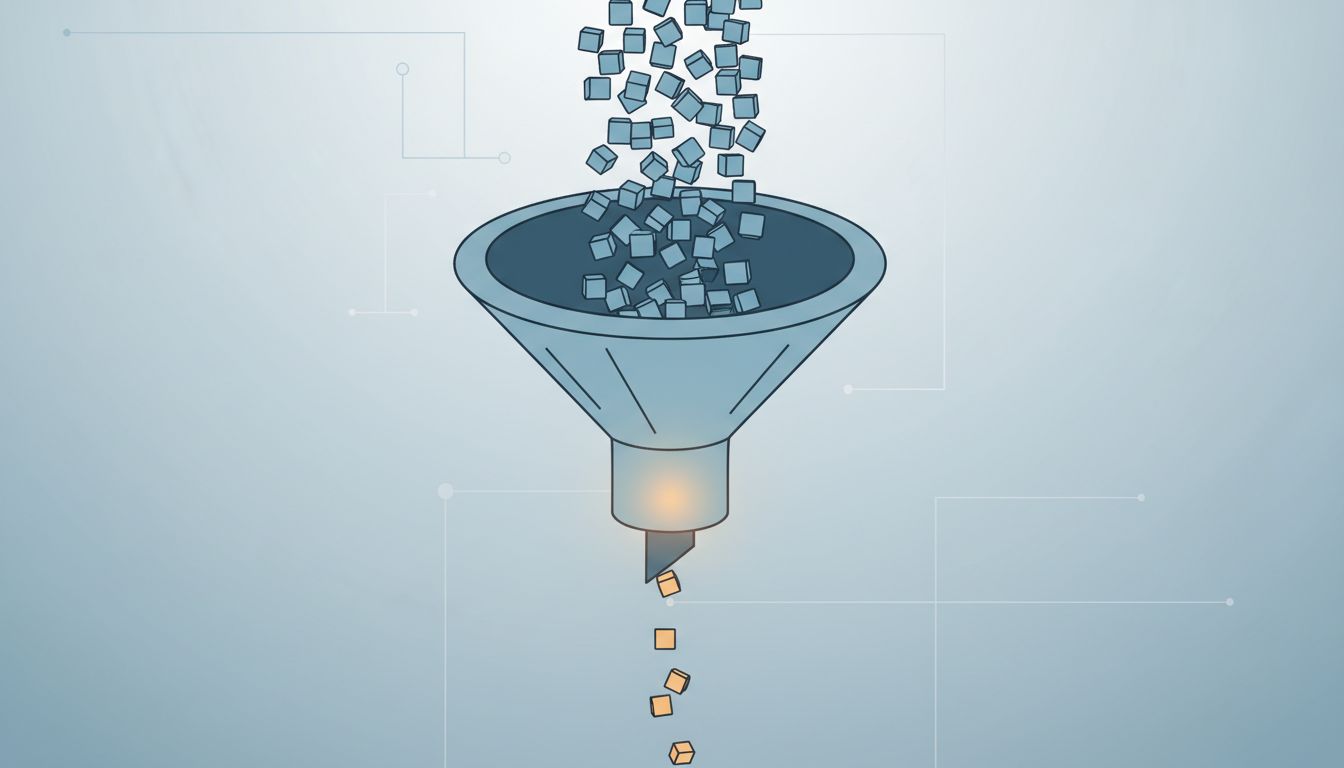

You download a new task manager because you’re falling behind. Within a week, you’re spending twenty minutes every morning organizing your tasks instead of doing them. Sound familiar? The cruel irony of productivity software is that it often creates the very problem it promises to solve, and understanding why is the first step to actually fixing it.
This isn’t a knock on any particular app. It’s about a deeper pattern in how productivity tools are designed and, more importantly, how your brain responds to using them. If you’ve ever felt weirdly busy while accomplishing almost nothing, keep reading. The Trojan Horse Economy: How Free Software Became Tech’s Most Profitable Weapon does a great job of explaining why many of these tools are built to maximize your engagement, not your output, and that context matters here.
The Completion Loop That Hijacks Your Focus
Productivity apps are phenomenally good at giving you small wins. You check off a task, move a card to “Done,” or watch a progress bar fill up, and your brain releases a small hit of dopamine. This feels productive. It often isn’t.
Researchers call this “completion bias,” the tendency to gravitate toward tasks that are easy to finish rather than tasks that matter. When your app makes every item on your list feel equally urgent and equally satisfying to check off, you’ll naturally drift toward the quick wins. You’ll answer three emails and reschedule a meeting before you ever touch the hard, important project sitting at the top of your list.
The apps aren’t malicious. They’re just optimized for engagement metrics, not your actual goals. Color-coded urgency labels, notification badges, and streak counters are all designed to pull you back in. If you want to understand exactly how intentional this design is, The Color Psychology Arms Race: How Tech Giants Weaponize Blue, Green, and White is a genuinely eye-opening read.
The Tool Becomes the Work
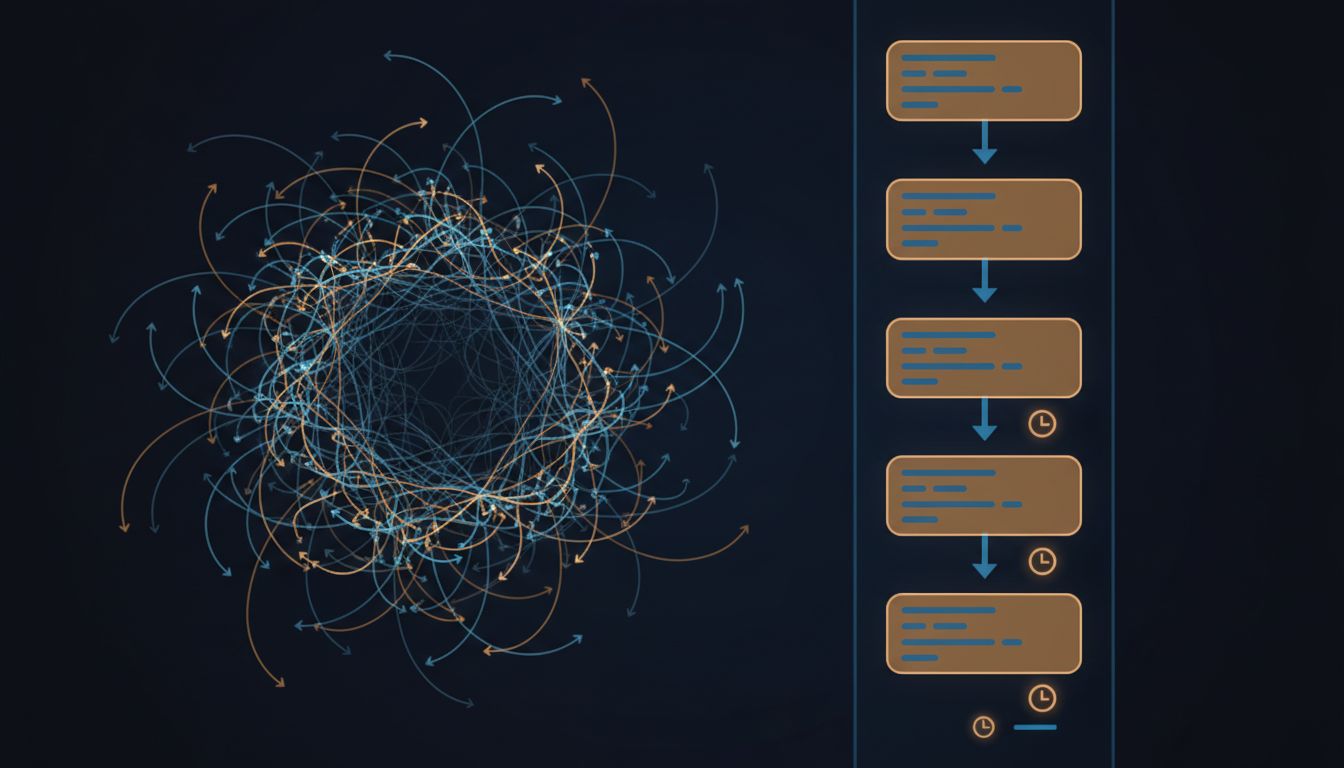
There’s a predictable lifecycle with productivity apps. Week one feels like clarity. You’ve got everything in one place, your system feels airtight, and you’re excited about the possibilities. By week three, you’re customizing tags, building templates, and watching tutorial videos about how to optimize your workspace.
At some point, managing the tool becomes a job in itself.
This is what productivity researchers sometimes call “meta-work,” the work you do about work instead of actual work. It’s seductive because it feels organized and purposeful. You’re being responsible, right? You’re setting yourself up for success. But if you’re spending ninety minutes a week maintaining a task system for projects that would take forty minutes to just do, the math doesn’t work.
The fix here is ruthlessly practical: time-box your system maintenance. Give yourself ten minutes on Monday to set up your week. That’s it. If your system requires more than that to maintain, it’s too complicated.
Why More Features Mean More Friction
Every feature a productivity app adds is a decision point it inserts into your day. Should this task go in the “Work” project or the “Priorities” project? Does it need a due date, or just a someday tag? Is this a subtask or a standalone item?
These decisions feel tiny. They add up to something significant. Decision fatigue is real, and you have a finite supply of cognitive bandwidth each day. Burning it on organizational micro-choices means you have less of it for the actual thinking your work requires.
This is part of why you’ll find so many serious engineers and founders still reaching for a paper notebook. Why the Best Engineers and Founders Still Reach for a Notebook explores this in depth, but the short version is that analog tools create almost zero friction and impose almost zero structure, which forces you to supply the structure yourself. And your own judgment about what matters is almost always better than a feature-set designed for millions of different users.
A Simple Framework for Using These Tools Without Being Used by Them
None of this means you should delete everything and go live in a cabin. Productivity apps genuinely help with specific things, particularly tracking commitments, managing collaborative work, and storing reference material. The goal is to use them deliberately.
Here’s a three-part framework you can apply right now.
1. Separate capture from planning from doing. Most productivity apps collapse these three things together, which is where the confusion starts. Use your app to capture tasks quickly (thirty seconds or less per item). Set aside one short block each day to plan (decide what actually moves the needle today). Then close the app and do the work. Seriously, close it.
2. Keep one physical list of your top three priorities. Not digital. Write it on a sticky note or a notepad before you open your laptop. These three things are what success looks like today. Your app can hold everything else. This physical list is your anchor.
3. Audit your app time once a week. At the end of the week, ask yourself honestly: how much time did I spend organizing tasks versus completing them? If the ratio feels off, simplify your system. Delete tags you haven’t used. Archive projects that are dormant. Make the tool smaller.
The Real Productivity Unlock
The deepest problem with productivity culture is that it treats the system as the solution. If you just had the right app, the right method, the right setup, everything would click. But the research, and honestly just common sense, points somewhere else.
What separates genuinely productive people isn’t their tools. It’s their clarity about what actually matters, and their willingness to protect time for it. That’s a judgment call no app can make for you.
You already know what your most important work is. The apps are often just a sophisticated way of avoiding it. So use them as the simple capture-and-track utilities they work best as, keep your actual priorities somewhere you can see them with your own eyes, and spend the rest of your energy on the work itself.
That’s the whole system. It’s less exciting than a new app, and it works considerably better.