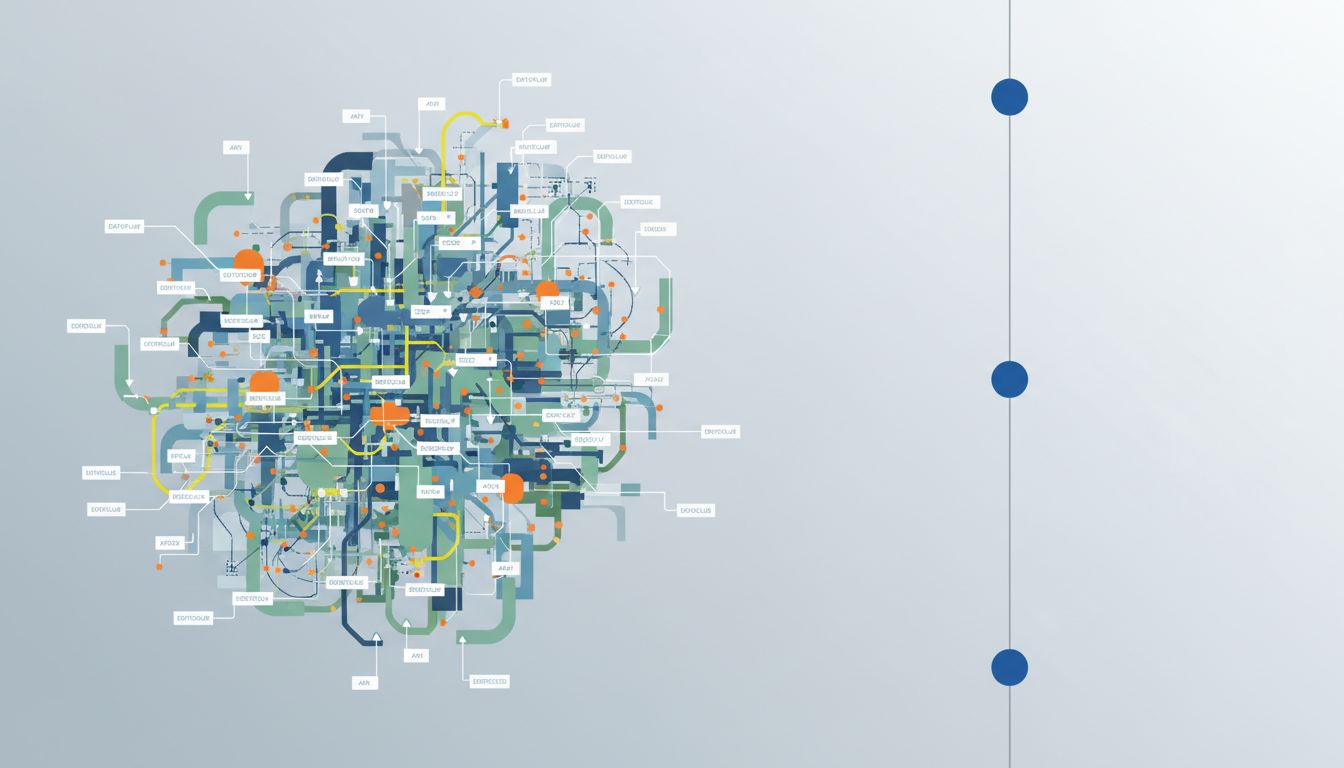
The productivity optimization community has built an entire culture around accumulation. More apps, more frameworks, more integrations, more acronyms. GTD, PKM, PARA, Zettelkasten. The implicit promise is that the right system, properly configured, will finally unlock your potential. It won’t. And the people quietly outperforming the productivity hackers know why.
Digital minimalists don’t win because they’re disciplined ascetics who’ve rejected technology. They win because they’ve correctly diagnosed what actually drains productive capacity, and it isn’t a lack of optimization. It’s friction, decision fatigue, and the cognitive overhead of managing complexity that was never necessary in the first place.
Productivity tools create maintenance debt
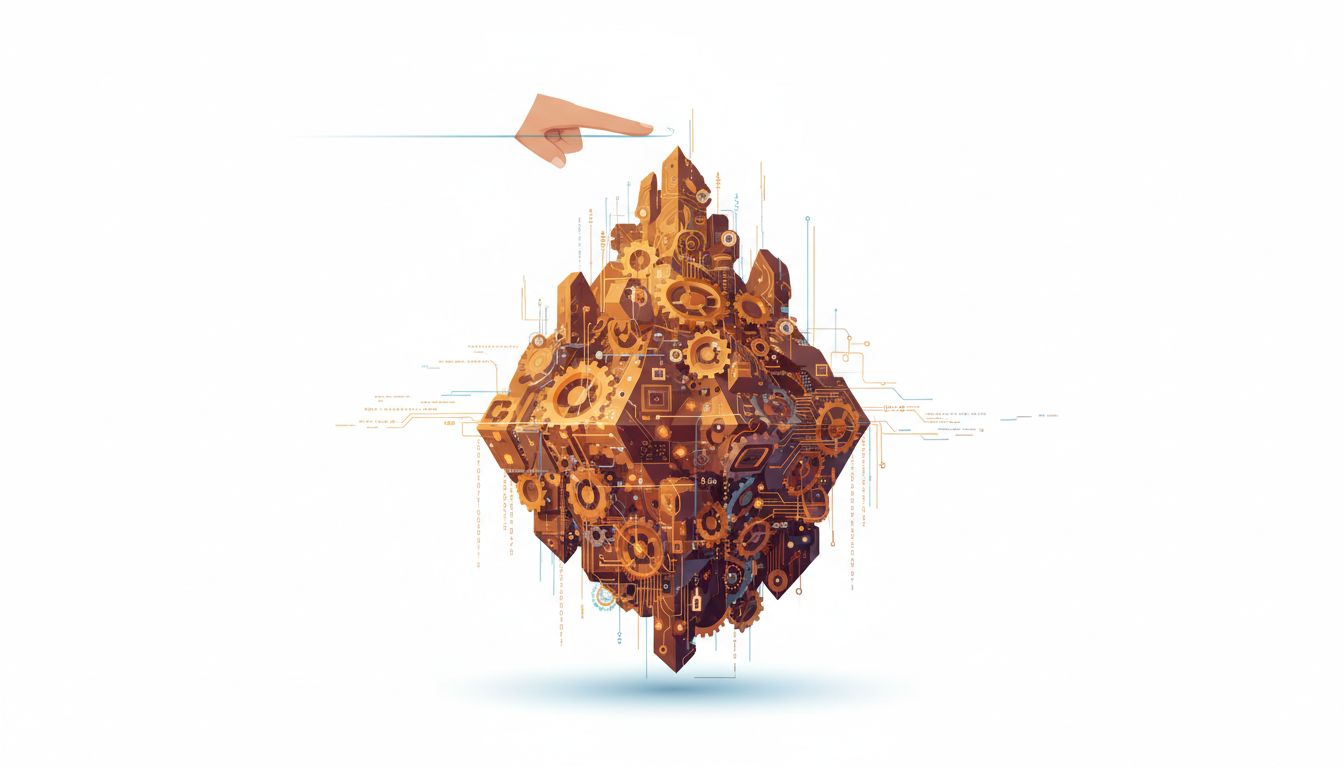
Every app you add to your workflow is a commitment. You have to learn it, configure it, maintain it, and update your mental model of it every time it changes. A task manager with seventeen views and four inbox processing rituals doesn’t just help you manage tasks. It becomes a task. You’ve seen this pattern: the person with the most elaborate Notion setup who nevertheless misses deadlines, because half their productive energy goes into curating the system rather than doing the work.
Digital minimalists treat their tool stack the same way a good engineer treats dependencies: every addition has to justify its weight, and the default answer is no. This isn’t about being low-tech. It’s about recognizing that productivity systems fall apart after 30 days because they were never solving the right problem. The minimalist skips that cycle entirely.
Fewer inputs means better thinking
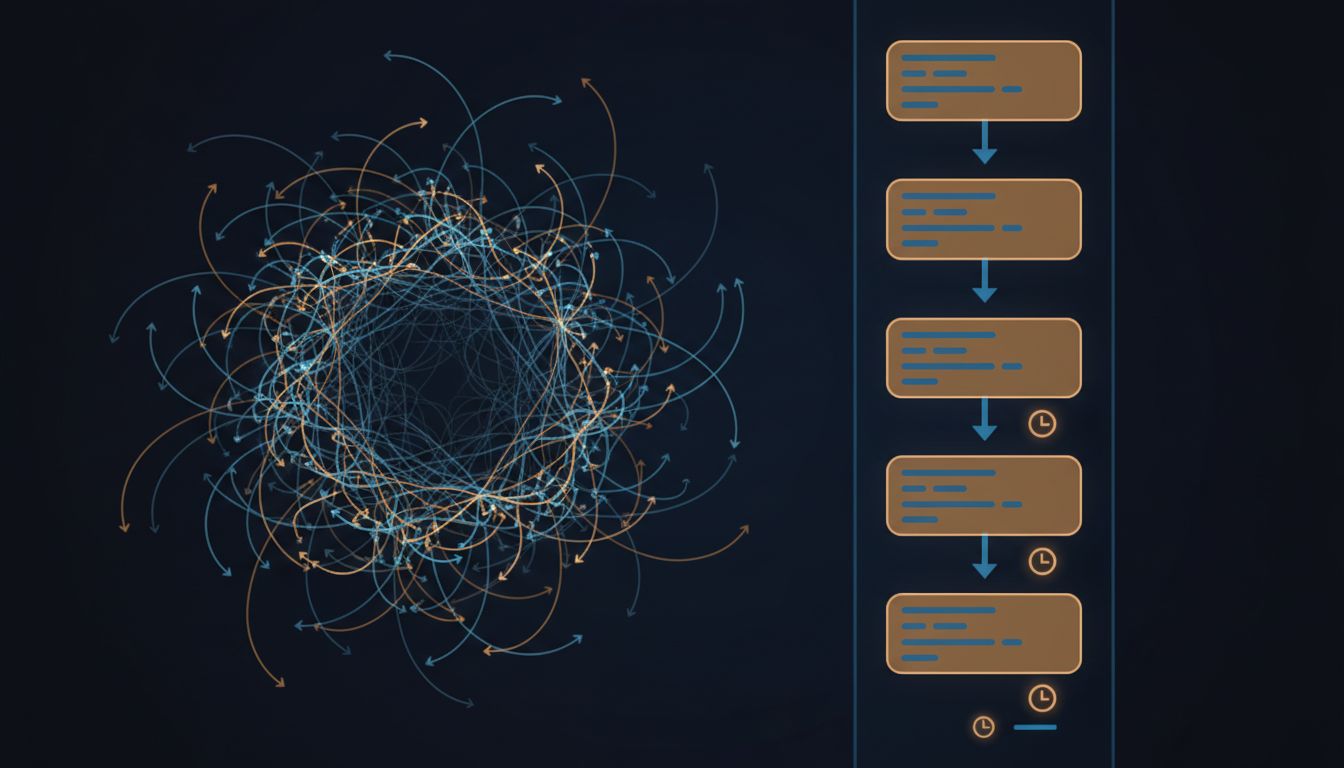
Here’s the thing about context-switching that the productivity optimization crowd underestimates: the cost isn’t just the time lost in transition. It’s the degradation of the thinking you return to. Research on attention fragmentation consistently shows that interruptions don’t just pause deep work, they degrade the quality of the work that follows. When your workflow involves eight open tabs, four notification streams, and a task manager pinging you to review your weekly review, you’re not multitasking. You’re ensuring that nothing gets your full attention.
Digital minimalists create conditions where sustained attention is structurally possible, not just aspirationally desirable. A writer who works in a plain text editor with wifi off for two hours produces more and better output than one who spends that time triaging Slack, switching between a beautifully designed notes app and a distraction blocker, and logging completed tasks with the correct tags and energy levels.

Simplicity makes constraints visible
One underrated advantage of minimal tooling is that it forces you to confront the actual shape of your work. When you can’t hide behind elaborate organization systems, you quickly discover what you’re actually avoiding. The person with forty-two Notion databases often doesn’t know what their three most important tasks are today. The person with a single notebook does, because that’s all they have room for.
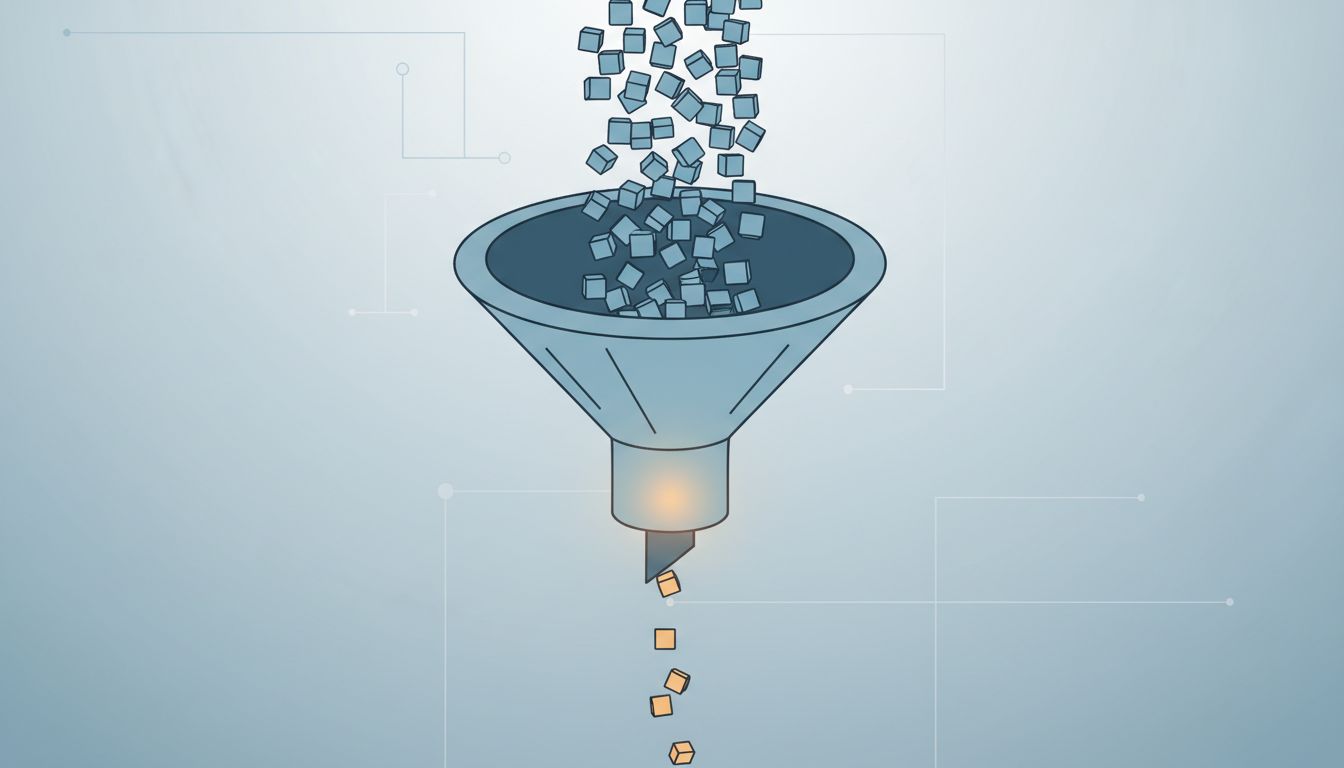
This connects to something practical: minimalist setups make prioritization unavoidable. You can’t defer the question of what matters by adding another organizational layer. Constraints, it turns out, are a feature. Writers, programmers, and designers who work within tight constraints routinely report that the limitation improves focus and output quality. The constraint isn’t the obstacle. It’s the structure.
The counterargument
The obvious pushback is that some work genuinely requires sophisticated tooling. A software team coordinating across time zones needs more than a notebook. A researcher managing hundreds of sources can’t operate from a single plain text file. Fair point. Digital minimalism isn’t a mandate to use the least possible technology regardless of context. It’s a decision framework that starts from restraint rather than accumulation.
The productivity hacker’s instinct, faced with a complex workflow, is to find a tool that handles the complexity. The minimalist’s instinct is to ask whether the complexity itself is necessary. Often it isn’t. The complexity is a symptom of unclear thinking about what the work actually requires, and adding a more powerful tool treats the symptom rather than the cause. The minimalist addresses the underlying problem; the productivity hacker manages it.
There’s also the question of personality. Some people genuinely enjoy building and refining systems, and if that enjoyment is real rather than procrastination dressed up as productivity, the optimization approach may suit them. But most people who deep-dive into productivity culture aren’t optimization enthusiasts. They’re anxious about their output and hoping a better system will solve it. For them, minimalism is almost always the better prescription.
The actual advantage
The productivity hacker spends significant time and attention on the meta-level: optimizing the system that manages the work. The digital minimalist spends that time and attention on the work itself. Over weeks and months, that difference compounds.
You don’t need a better system. You probably need a simpler one. Cut the apps you use to manage the apps you use. Close the tabs you have open “just in case.” Stop treating your task manager like a creative project. Then spend the cognitive budget you’ve recovered on the thing you actually want to produce.
That’s the whole argument. The minimalists aren’t winning because they’ve found a better productivity hack. They’re winning because they stopped looking for one.