
You open an app, it crashes, you sigh, and you think: how did this get past testing? The honest answer is that it probably did get past testing. Someone saw the bug, logged it, and a product manager made a deliberate call to ship anyway. This isn’t negligence. It’s strategy. And once you understand how it works, you’ll never look at a software update the same way again.
This kind of intentional imperfection shows up across the industry in ways that feel counterintuitive until you zoom out. If you’ve read about how tech companies deliberately launch products they know will lose money, you already know that rational-looking decisions in tech often have hidden architecture underneath them. Buggy releases are no different.
The Market Dictates the Timeline, Not the Engineers
Here’s the core tension every software team lives with: the market moves on a schedule that has nothing to do with code quality. A competitor is shipping. A conference is coming. A fiscal quarter needs a headline feature. Engineers can tell you exactly what’s broken and roughly how long it will take to fix it. But that information rarely changes the ship date.
The result is a triage system that most companies won’t advertise. Bugs get sorted into tiers: critical crashes that block core functionality stay in, everything else is negotiable. A button that’s misaligned on one Android model? Ships. A rare edge case that corrupts data for 0.3% of users? That one might hold the release. But a sluggish animation, a confusing error message, a feature that works in 95% of scenarios? Those ship constantly.
This isn’t unique to small companies cutting corners. Enterprise software, operating systems, and consumer apps all follow this logic. The question product teams actually ask isn’t “is this ready?” It’s “is this ready enough?”

Bugs Are a Form of Market Research
Here’s the part that most people miss: shipping a buggy product to real users is often the fastest and cheapest way to find out what actually matters.
Internal testing catches what testers can predict. Real users do things no one predicted. They use your app in bright sunlight with bad cellular service while doing three other things. They input data in formats you never imagined. They find paths through your product that your team never walked.
When a bug surfaces in the wild, companies learn two things at once: what broke, and how many people hit it. A bug that generates 50,000 crash reports in 48 hours gets fixed immediately. A bug that generates 12 reports across three months teaches the team that almost no one uses that feature, which is valuable information too.
This is why successful startups launch with missing features on purpose. The logic extends to bugs. Shipping an imperfect product lets real usage patterns, not assumptions, drive what gets fixed and what gets quietly dropped.
The companies doing this well treat their user base as a distributed QA team. The companies doing it poorly just treat their users as collateral damage. The difference usually comes down to how fast they respond once the bug reports start coming in.
The Economics of Patching vs. Perfecting
There’s a cold calculation happening behind every release decision, and it’s worth understanding.
Polishing software before launch is expensive in a specific way: you’re paying engineers to fix problems you’re not sure users will ever encounter. Fixing bugs after launch is expensive in a different way: you’re paying engineers to fix problems you know users have encountered, which means you have actual data justifying the cost.
For most companies, the second model is more efficient. You avoid spending weeks fixing issues that turn out to be irrelevant, and you focus your repair work on the problems with the highest real-world impact.
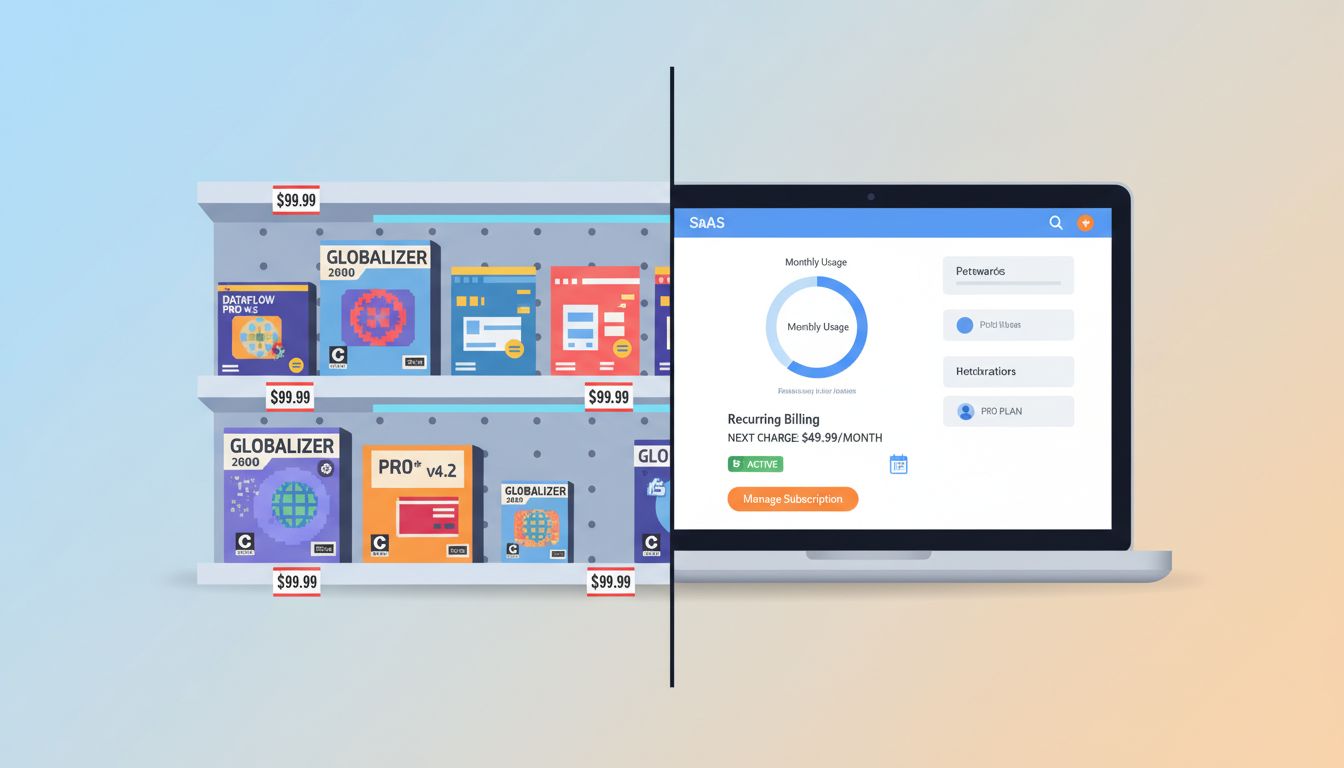
This is also why the software subscription model changed everything. When you charged users a one-time license fee, a buggy release was a reputational and financial disaster. You had already collected the money, and an angry user might never come back. With subscriptions, the relationship is ongoing. A buggy launch is recoverable if the patch comes fast and the communication is honest. The economics of recurring revenue actually make the “ship and patch” model more viable, not less.
What This Means for You as a User
Understanding this strategy gives you real leverage, and here’s how to use it.
Wait for the .1 release. For any major software launch, the version that ships on day one is almost never the version you want. The first patch cycle, usually within 30 to 60 days, addresses the most common crashes and the most visible issues. If you can wait, wait.
Report bugs specifically. Companies prioritize fixes based on volume and specificity. A detailed bug report with your device, OS version, and exact steps to reproduce the problem is far more actionable than a one-star review saying “this app is broken.” Your report moves the needle in ways your frustration alone cannot.
Read patch notes like a newspaper. What a company fixes tells you what it values. A company that consistently patches security issues quickly but lets usability problems linger for months is showing you its priorities. That’s useful information when you’re deciding whether to trust that platform with your data or your workflow.
Recognize the difference between calculated and careless. Some buggy releases are strategic, with teams monitoring closely and patches ready to roll. Others are just the result of dysfunctional team communication and poor process. The tell is response time. Strategic bugginess produces fast, specific patches. Careless bugginess produces silence followed by a generic update weeks later.

The Line Between Strategy and Disrespect
None of this means you have to be okay with broken software. The “ship and patch” model only works as a legitimate strategy when companies hold up their end of the bargain: fast fixes, honest communication, and a genuine commitment to making the product better.
When that commitment is missing, what looks like strategy is just disrespect with better branding. You can usually tell the difference within a few product cycles. Does the company fix the things you reported? Does it communicate clearly about what’s coming? Does the product actually improve over time, or does it just ship new features while the old bugs pile up?
The companies worth your patience treat buggy launches as a temporary state. The ones worth leaving treat them as a permanent condition they’ve simply reframed as agility.
Now you know how to tell the difference.