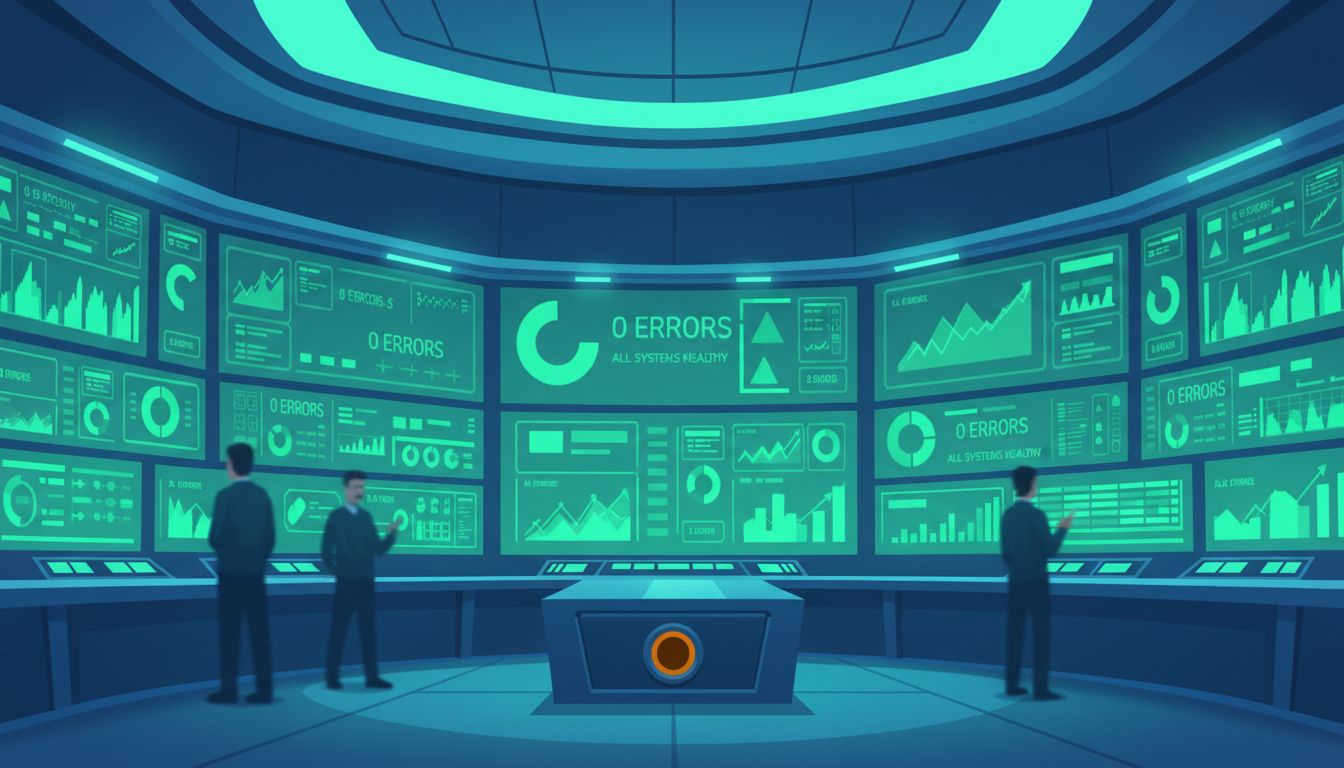
You watch a software demo and think: this is exactly what I need. The interface is smooth, the data loads instantly, every click lands perfectly, and the presenter glides through edge cases like they don’t exist. Then you buy the product, open it on your actual machine with your actual data, and something feels different. Slower. Clunkier. Less magic. You are not imagining things, and you are not alone.
This gap between demo and reality is one of the most consistent experiences in the software industry, and it has a name inside engineering teams: the demo-reality gap. Understanding why it exists, and what it means for how you evaluate, build, or buy software, will change how you approach every product decision you make. Most successful apps started as internal tools nobody meant to sell, which means many products begin life optimized for one specific environment before they ever have to survive yours.
The Demo Is a Performance, Not a Preview
Here is the first thing you need to understand: a software demo is a rehearsed performance of the best possible path through a product. Teams spend days or weeks preparing them. They load sample data that is small, clean, and perfectly formatted. They test the exact sequence of clicks they plan to show. They run the demo on a high-spec machine, usually with a wired internet connection, no background processes running, and no other users hitting the same servers.
This is not deception, exactly. It is curation. The demo team is showing you what the software can do, not what it routinely does. Think of it like a restaurant sending a dish to a food photography shoot. The dish is technically real food made from the real menu. But nobody eats it.
What you are buying, when you sign a contract after a demo, is the right to live in the un-styled version.
Why Real Environments Break the Spell
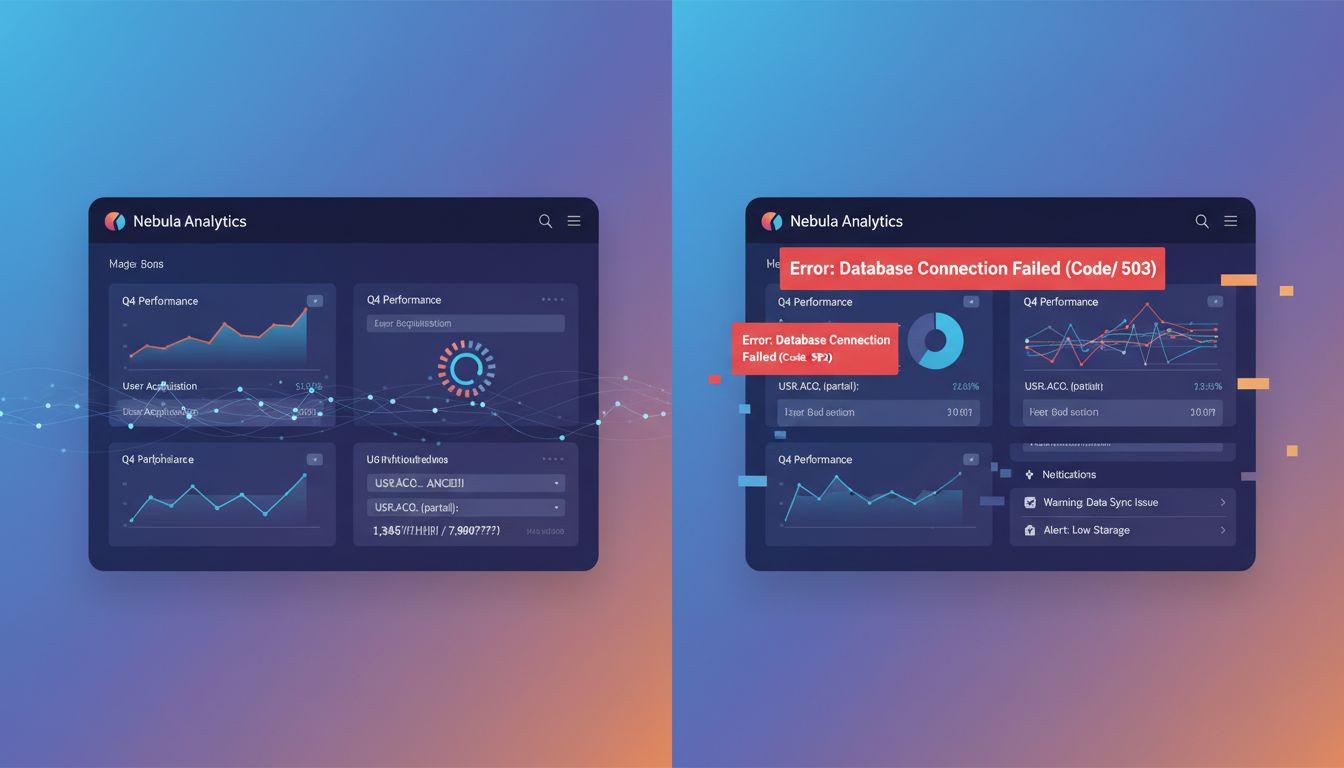
Your environment is the biggest variable that demo conditions never account for. Here is what typically changes between a demo and real deployment:
Data volume. Demo databases contain hundreds of records. Your database contains millions. Response times that felt instant at small scale can balloon dramatically because many queries scale non-linearly. An operation that takes 0.2 seconds on 1,000 rows can take 40 seconds on 5 million.
Concurrent users. The demo ran with one presenter and maybe a handful of observers. Your deployment runs with 200 users simultaneously. Server load, connection pooling, and caching behavior are entirely different under that pressure. This is partly why tech companies deliberately design software that becomes slower over time, because the conditions that reveal performance problems only emerge at scale.
Messy data. Your real data has inconsistencies, missing fields, unusual characters, and legacy formatting that no demo dataset ever includes. Validation logic that looks seamless on clean data surfaces errors constantly on yours.
Integration friction. Demos show the product in isolation. Your reality involves connecting it to five other tools, two of which use outdated APIs.
The Deliberate Choices That Widen the Gap
Some of the gap is accidental. A lot of it is not. Software teams make deliberate product decisions that favor demo-worthiness over everyday usability, because demos are what close deals.
Features get prioritized by how impressive they look in a 45-minute presentation. The onboarding flow gets polished to a mirror shine. The dashboard gets animated. Meanwhile, the batch import tool, the permission management system, and the error recovery workflows, the things you will use every single day, get deferred to a later sprint that never quite arrives. It is worth knowing that tech companies deliberately hide their best features, and for similar reasons, they also surface their most photogenic features, even when those are not the most useful ones.
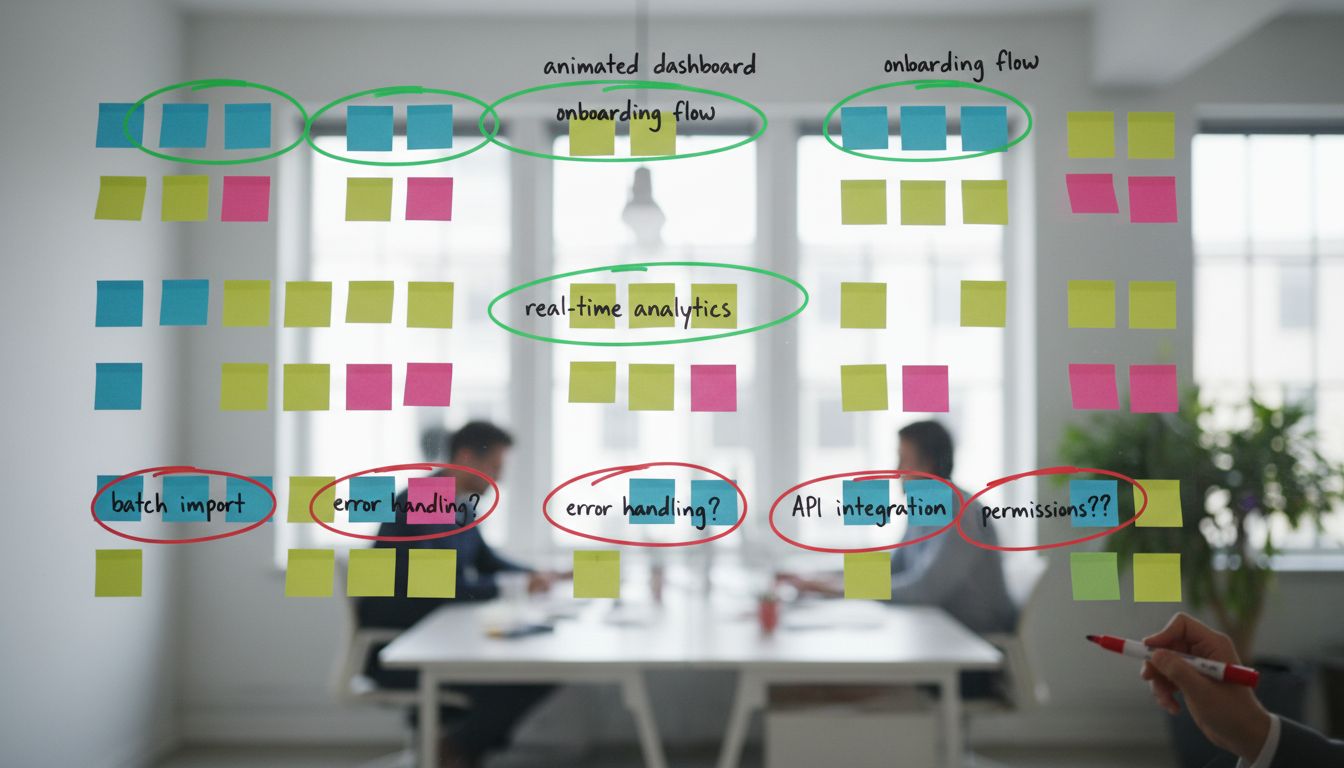
There is also a subtler psychological factor at play. The people building and demoing the software know it intimately. They know which sequences work, which edge cases to avoid, and where the bodies are buried. When they navigate the product, they look like expert skiers on a slope they have run a thousand times. You are being handed those same skis on your first day.
What You Can Do About It Before You Buy
You have more leverage before a purchase than you think. Here is a practical framework for closing the demo-reality gap on your own terms.
1. Bring your own data. Ask to run a portion of the demo using a sanitized sample of your actual data. Even 500 real rows will surface formatting issues and edge cases that sample data never will.
2. Request a sandboxed trial with real user numbers. Ask how the product performs with the number of concurrent users you expect on day one, not average usage, peak usage.
3. Ask specifically about the features you will use daily. The demo will show you the glamour shots. Push past them. Ask to see the import/export workflow, the error states, the admin settings, and the support ticket process.
4. Talk to current customers without the vendor in the room. Any reputable vendor will connect you with references. Ask those references what the first 90 days actually felt like.
5. Watch how bugs get handled. This one is underrated. Ask the sales team what happens when something breaks, who you call, and how long resolution typically takes. The answer tells you everything about post-sale reality. It is worth knowing that software bugs are sometimes left unfixed on purpose, and the business logic behind that decision will directly affect your experience as a customer.
If You Are Building Software, Flip the Script
If you are on the building side of this equation, the demo-reality gap is both a warning and an opportunity. Teams that close the gap, that make the real product feel as smooth as the demo, create something rare: genuine word-of-mouth.
The practical move is to treat your customer complaints as your actual product roadmap. Winning startups treat customer complaints as a product roadmap precisely because complaints are the places where the demo illusion broke down. Every complaint is a user pointing at the exact seam between what you promised and what you delivered.
Do demos with messy data on purpose. Run them on a mid-range laptop. Let a team member who is not an expert give the tour. These uncomfortable exercises reveal the gaps before your customers do.
The software demo will probably always be a curated performance. That is fine, and it is not entirely dishonest. But when you know what you are watching, you can ask better questions, make smarter buying decisions, and if you are building, build something that survives contact with reality. That is where the real competitive advantage lives.