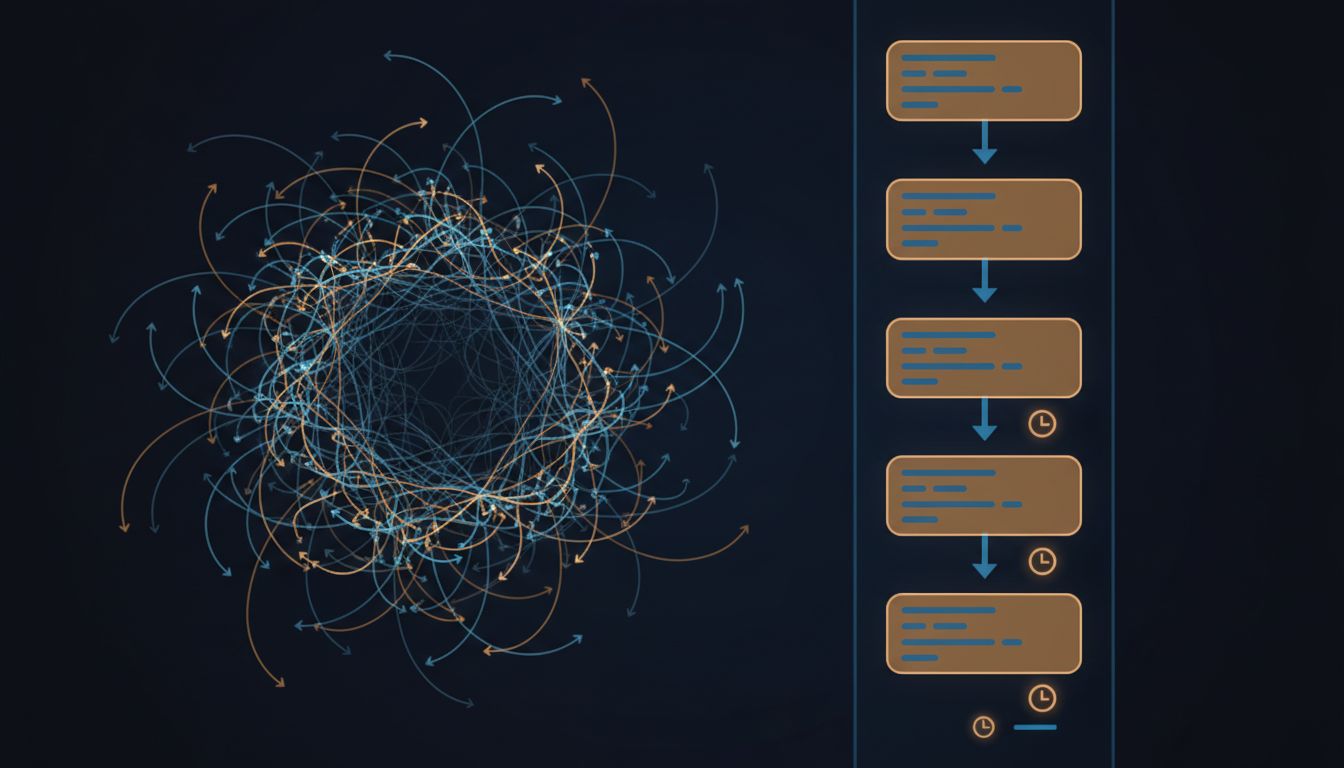
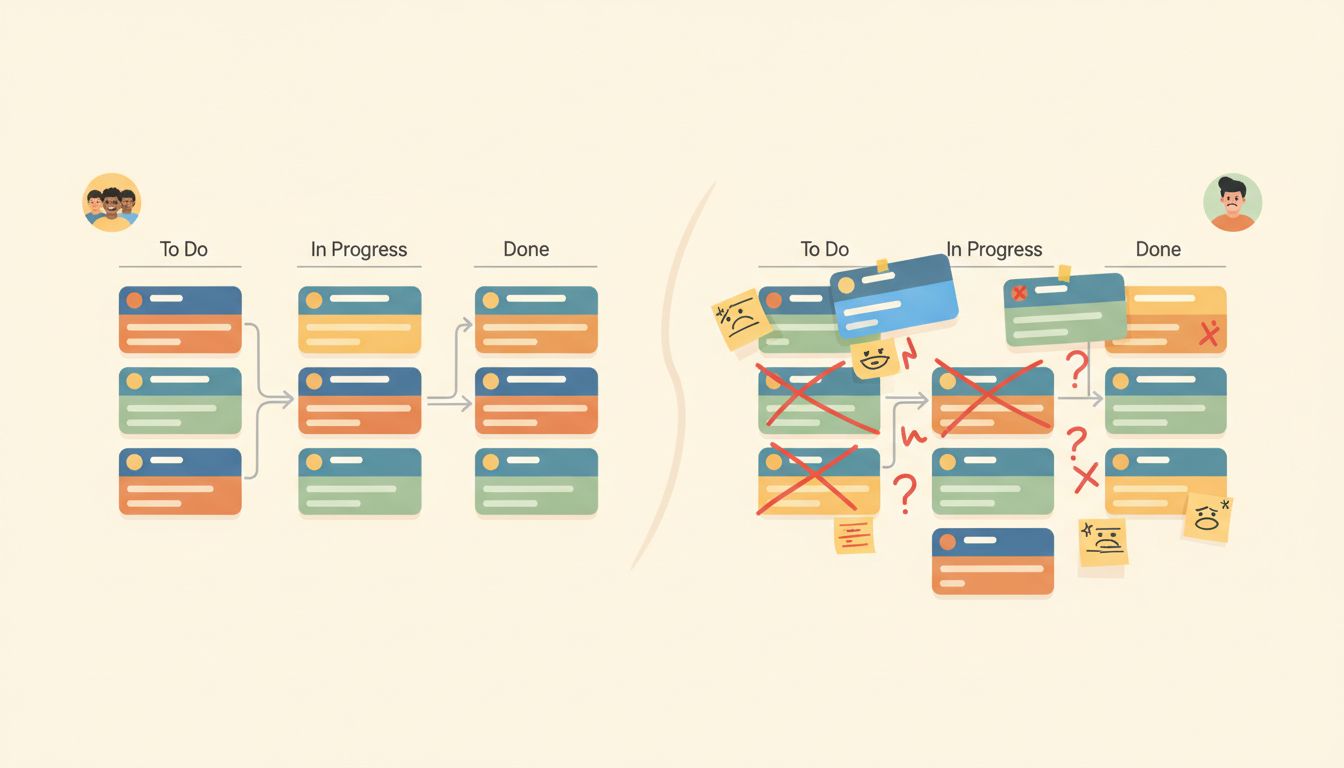
Here is something counterintuitive that high-performing remote teams figured out before everyone else did: the week before a major deadline is exactly when you should open up your communication channels, break your usual routines, and invite a little productive disorder into your workflow. Not because chaos is fun, but because the right kind of friction surfaces problems that polished processes hide.
This runs against almost everything you have been told about deadline management. Tighten up. Focus. Eliminate distractions. But the teams consistently shipping great work under pressure have quietly learned that context switching and cognitive load work differently under deadline stress, and that a deliberately loosened structure in the final stretch can catch more errors, surface more blockers, and produce better outcomes than a locked-down sprint ever will.
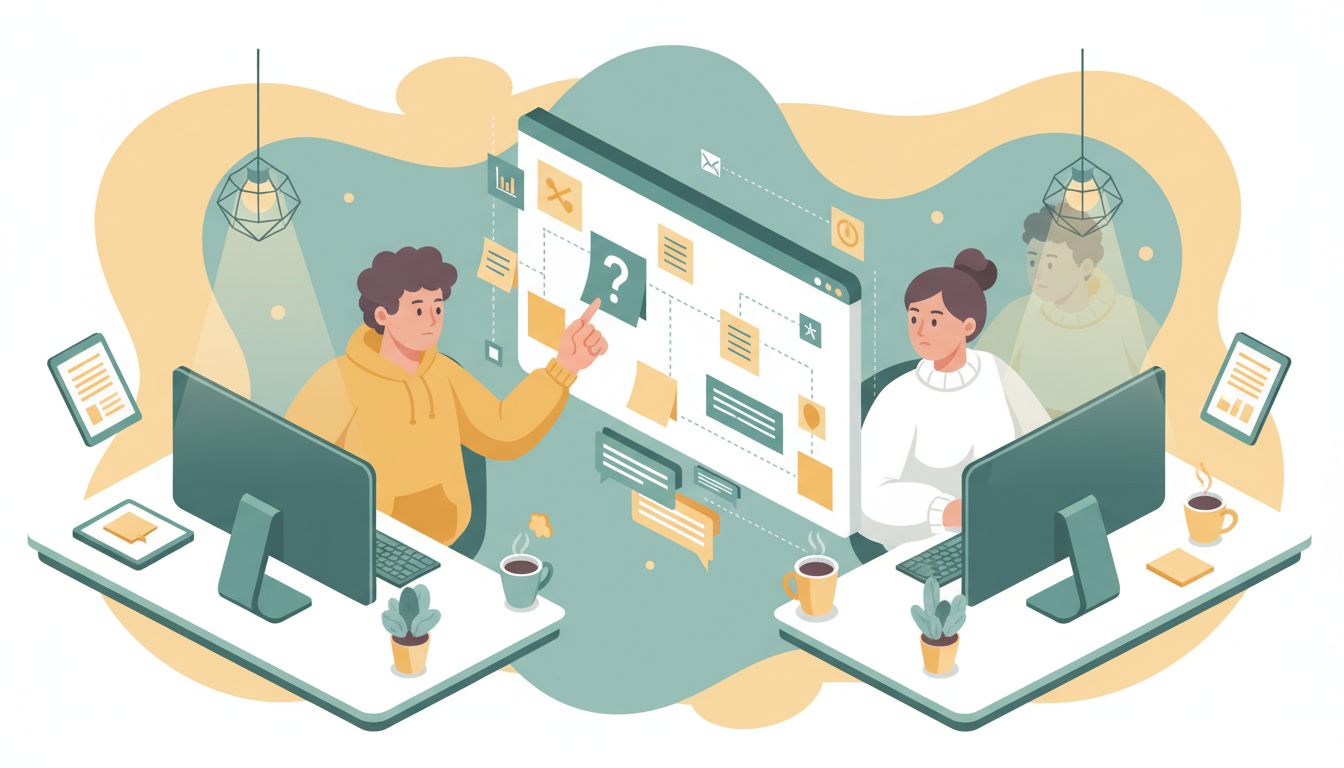
What “Digital Chaos” Actually Means
Let’s be clear about what we are not talking about. This is not about letting your Slack explode with memes, missing standups, or abandoning your project management tools. The chaos that works is deliberate and bounded. Think of it as controlled turbulence rather than a free-for-all.
In practice, it looks like this: teams that usually operate in async-first mode temporarily open synchronous channels. Teams that usually meet daily briefly pause the formal agenda and replace it with open working sessions. People who normally stay in their lanes are actively invited to poke at someone else’s work.
The goal is to interrupt the comfortable rhythms that let assumptions slide through unexamined. When everything runs smoothly, nobody asks the uncomfortable question. The deliberate disruption is the question.
Why Tight Processes Hide the Biggest Problems
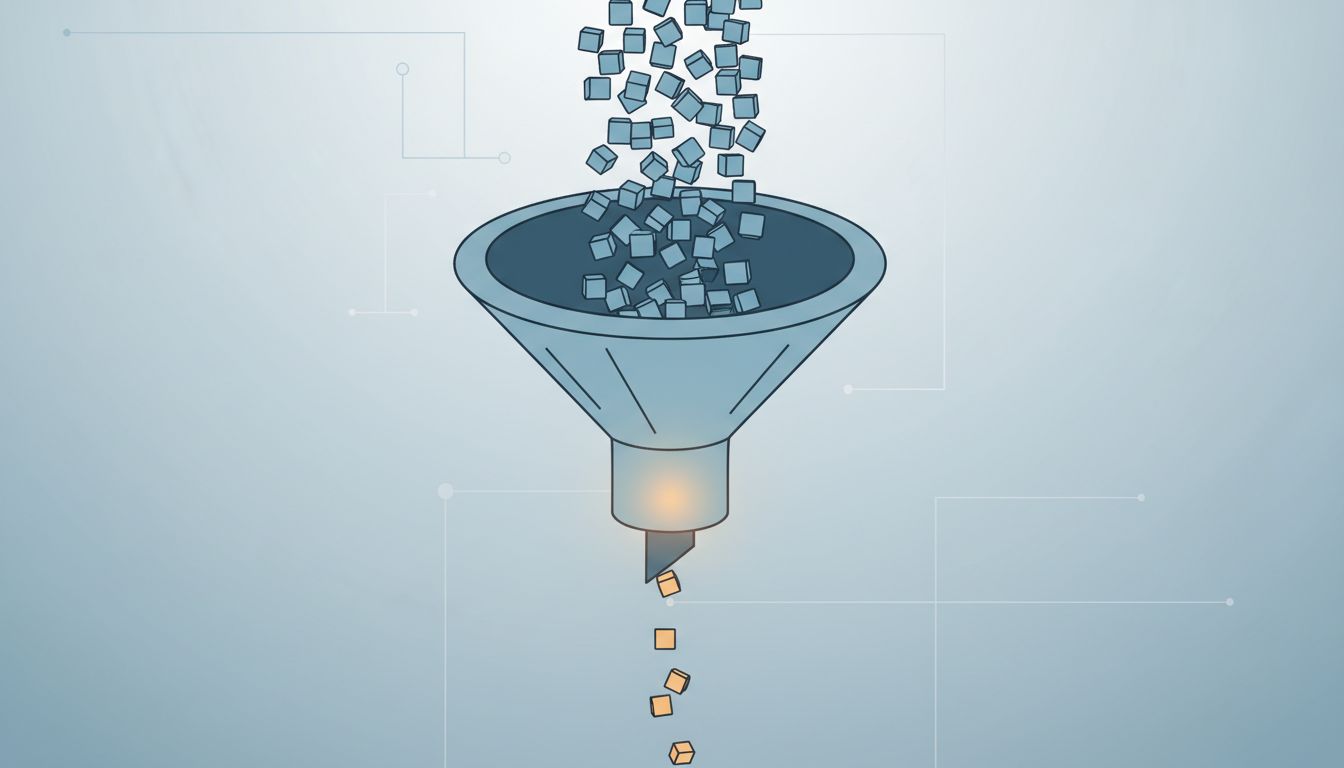
Most remote teams spend enormous energy building clean workflows. Organized Notion databases, clear ownership, documented SOPs. That investment is worthwhile for most of the year. But tight processes have a hidden cost: they optimize for flow, not for inspection.
When a task moves cleanly from one stage to the next, nobody is forced to re-examine the assumptions baked into the original brief. The process trusts that the right questions were asked at the start. And often, they were not.
This is similar to the dynamic described in how the most productive teams stopped using real-time collaboration tools. Removing real-time friction improved daily throughput but created blind spots in collective understanding. The teams that performed best long-term found ways to reintroduce productive friction at strategic moments, and the pre-deadline window is exactly that kind of moment.
Consider a real example. A product team at a mid-sized SaaS company had a tight deployment workflow: code review, QA, staging, release. Two days before a major customer demo, the team lead opened a general working session with no agenda, just a shared screen and an open invitation. Within forty minutes, a junior developer noticed that the staging environment was running a different configuration than production. Not a new problem, but one the clean process had never surfaced because staging always passed QA.
The chaos found it. The process had not.
The Four-Part Pre-Deadline Disruption Framework
If you want to apply this to your own team, here is a practical structure that works without melting your final week.
Step 1: Open a temporary “question everything” channel. Create a dedicated Slack channel or Teams thread specifically for surfacing assumptions. Name it something obvious like #deadline-sanity-check. Encourage anyone on the team to post anything that feels slightly off, even if they cannot articulate why. You are hunting for instincts that the process smoothed over.
Step 2: Run one unstructured working session. Replace one of your normal standups with a ninety-minute open session where people work in the same virtual room with no fixed agenda. The social pressure of shared presence tends to surface questions people would otherwise suppress in async tools. Someone will say “wait, I assumed you were handling that” and that conversation is exactly what you need.
Step 3: Do a deliberate role swap review. Have someone who did not build a piece of work read through it and describe what they think it does. This is especially powerful for product copy, technical documentation, and customer-facing features. Mismatches between intent and interpretation almost always appear immediately.
Step 4: Run a five-minute “what are we not saying?” prompt. At the end of each meeting in the final week, ask the team to privately write down one thing they are nervous about that has not been discussed yet. Collect these anonymously in a shared doc. You will consistently find that multiple people share the same unspoken concern, and that concern is usually the real risk.
How to Contain the Chaos So It Stays Useful
The disruption only works if it is time-bounded and purposeful. A few guardrails keep it productive.
First, separate the disruption phase from the execution phase. Give the chaos a clear window (usually forty-eight to seventy-two hours before the deadline) and a clear ending point. After that window closes, you re-enter tight execution mode with the new information you have gathered.
Second, assign someone to triage what surfaces. Not everything the chaos uncovers is a real problem. You need one person empowered to quickly sort issues into “fix now,” “document and defer,” and “not actually a problem.” Without this, the disruption creates anxiety instead of clarity.
Third, protect your core execution threads. The chaos should happen around the work, not inside it. Keep your build, review, and deployment pipelines clean while the open questioning happens in parallel.
This is also worth connecting to how digital minimalists think about tool selection. The best teams are not using more tools during this phase. They are using existing tools differently, with a temporarily different set of permissions and expectations.
The Thing That Makes This Work Long-Term
Teams that run this process once tend to find one significant issue they would have otherwise missed. Teams that build it into their regular pre-deadline rhythm start to notice something more valuable: the issues surface earlier. The simple act of knowing that a disruption window is coming makes people flag concerns sooner, because they know there will be a formal moment to raise them.
Over time, the deliberate chaos becomes a kind of organizational immune system. It does not prevent mistakes. It creates a repeatable mechanism for catching them at the moment when catching them still matters.
You do not need to rebuild your entire workflow to start. Pick the framework step that sounds most uncomfortable for your team, and try just that one thing before your next major deadline. Discomfort, in this context, is usually the signal that you have found exactly the right place to look.