Every major tech company is sitting on a pile of finished, tested, working features that users will probably never see. Not broken features, not half-built experiments, but polished, code-reviewed, QA-approved functionality that someone spent weeks or months building, and then watched get quietly shelved. If you’ve ever worked inside a large engineering organization, you’ve almost certainly built one of these. If you haven’t, you’ve probably wondered why your favorite app seems frozen in time while the company’s blog posts breathlessly announce a roadmap full of things that never actually arrive.
The gap between what gets built and what gets shipped isn’t a bug in the process. It’s a feature. And understanding why it exists tells you something important about how software development actually works versus how most people imagine it works. Tech companies already have the features you’re waiting for, they’re just not ready to give them to you yet, and the reasons behind that timing are more strategic than most people realize.
The Staging Groundwork Problem
Let’s start with the most purely technical reason features go unreleased: dependencies. Software systems are not collections of independent pieces. They’re more like a web of promises that components make to each other. When you build Feature A, it often assumes that Feature B, C, and D exist in a certain state. If B and C are still being built, A sits in a branch, merged into the codebase but disabled behind a flag.
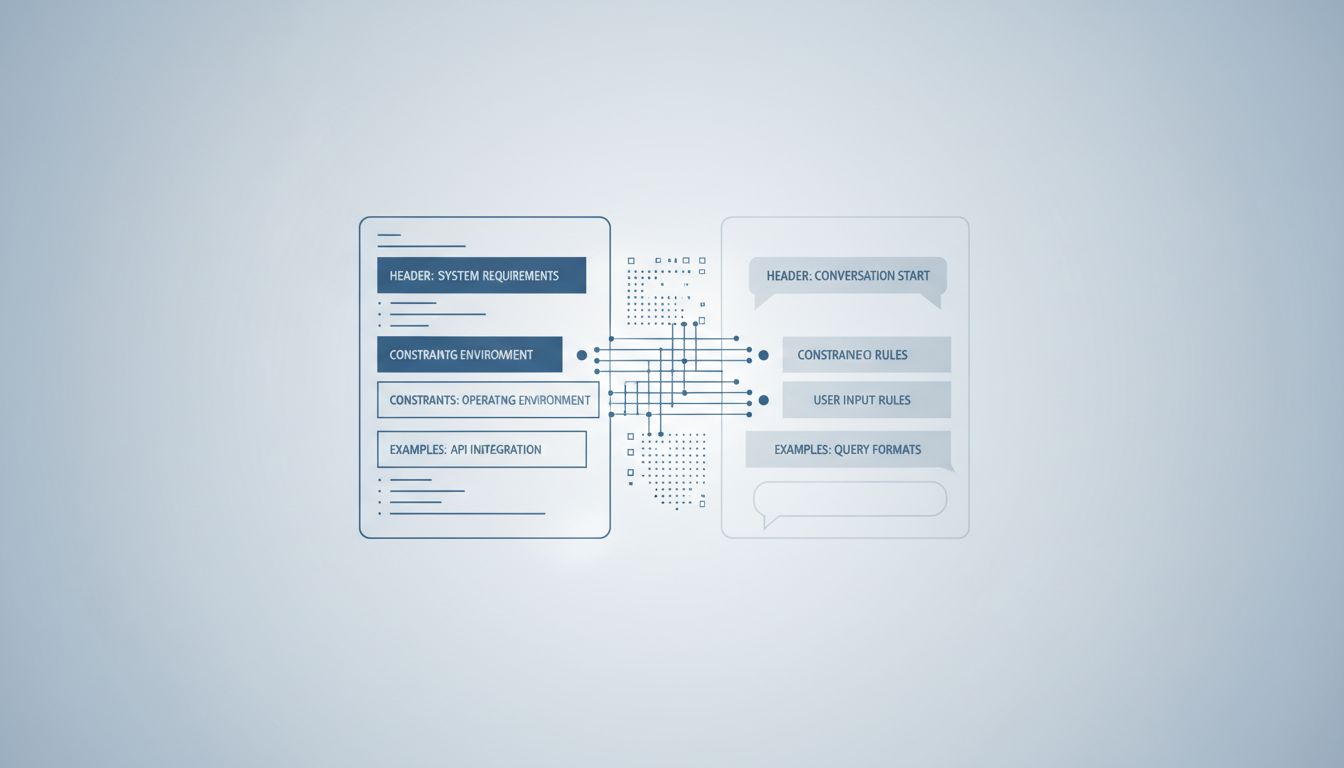
Feature flags (also called feature toggles) are the mechanism most engineering teams use to handle this. The code is in production, running on real servers, but a conditional check at the start of the relevant code path ensures no user ever triggers it. In pseudocode it looks something like this:
if feature_enabled('new_checkout_flow', user):
    render_new_checkout()
else:
    render_legacy_checkout()
This approach is genuinely useful. It lets teams merge code continuously without exposing unfinished experiences. But it also means the feature graveyard grows with every sprint. Some flags get cleaned up. Many don’t. Engineers leave, context gets lost, and suddenly you have a feature that technically works but that nobody on the current team fully understands or trusts enough to turn on.
The Risk Calculus Nobody Talks About
Here’s where it gets interesting from a business perspective. Shipping a feature isn’t just a technical act, it’s a commitment. Once users can see something, they form expectations around it. They build workflows. They complain when it changes. Product teams call this “feature lock-in” and it’s one of the most underappreciated forces in software design.
The decision to withhold a working feature often comes down to a simple but uncomfortable calculation: what does this feature cost us if it goes wrong after release? The cost of fixing problems in production is dramatically higher than catching them before shipping. This is a principle the industry has understood for decades, and it quietly shapes decisions at every level of a product organization. If you want to understand just how steep that cost curve is, the industry has known for fifty years that fixing a software bug costs 100x more than preventing it, and that math makes product managers very cautious about what they turn on.
So features get held. The risk/reward math doesn’t clear the bar this quarter. The team that built it moves on to other projects. The feature sits in the dark.
Strategic Timing Is a Product Discipline
Beyond pure risk management, there’s a more deliberate reason for the graveyard: competitive timing. Companies routinely build capabilities well ahead of when they plan to release them, partly to ensure they can release on demand, and partly to avoid tipping off competitors.
This is especially true in platform businesses where a new feature signals strategic direction. If a company quietly builds support for a new file format, or a new payment method, or a new type of API endpoint, that capability is an asset that has value even before it’s public. Announcing it too early, or shipping it before the surrounding ecosystem is ready, can dilute the impact or invite a competitor to copy and ship faster.
It’s a version of the same logic behind tech companies launching products they know will fail: sometimes the build is the point, not the release.
The Organizational Debt Nobody Accounts For
There’s a third reason, and it’s the messiest one: organizational entropy. Features get built by teams that then get reorganized, downsized, or redirected. The engineers who understood the design decisions are gone. The documentation (if it existed) is outdated. The feature still technically works, but nobody wants to own it.
This problem scales badly. As teams grow, communication overhead grows faster, which means more work gets done in isolation, more assumptions get made without being validated across teams, and more finished things end up in limbo because the handoff never happened cleanly. Software bugs multiply when teams grow because of a communication problem, not a coding problem, and the same communication failures that breed bugs also breed orphaned features.
The irony is that the code is often fine. The problem is the surrounding knowledge. Who owns it? Who do users call when something breaks? What’s the support story? Large companies have entire review processes for releasing features because these questions need answers before you ship, and sometimes those answers never materialize.
What This Means for How We Think About Software
The existence of the feature graveyard is a useful corrective to a few popular misconceptions. The first is that slow-moving products are run by incompetent teams. Often the opposite is true. A team that ships slowly is frequently one that has learned, sometimes through painful experience, how much hidden cost lives in each release.
The second misconception is that users and companies want the same things. Users want features now. Companies want features that succeed long-term, which sometimes means waiting for the ecosystem, the infrastructure, or the organizational readiness to catch up. That tension is real and it doesn’t resolve cleanly.
The third misconception is that software is a finished product. It isn’t. It’s a living system where the visible surface is only a fraction of what exists. Like lazy loading in software architecture, where a system deliberately defers loading resources until they’re needed, product teams defer exposing capabilities until the timing is right. The resource exists. It’s just waiting for the right conditions to activate.
Next time you wish your favorite app would ship that obvious improvement everyone keeps asking for, consider the possibility that somewhere in a feature flag configuration file, it already exists. It’s just waiting for the math to work out.