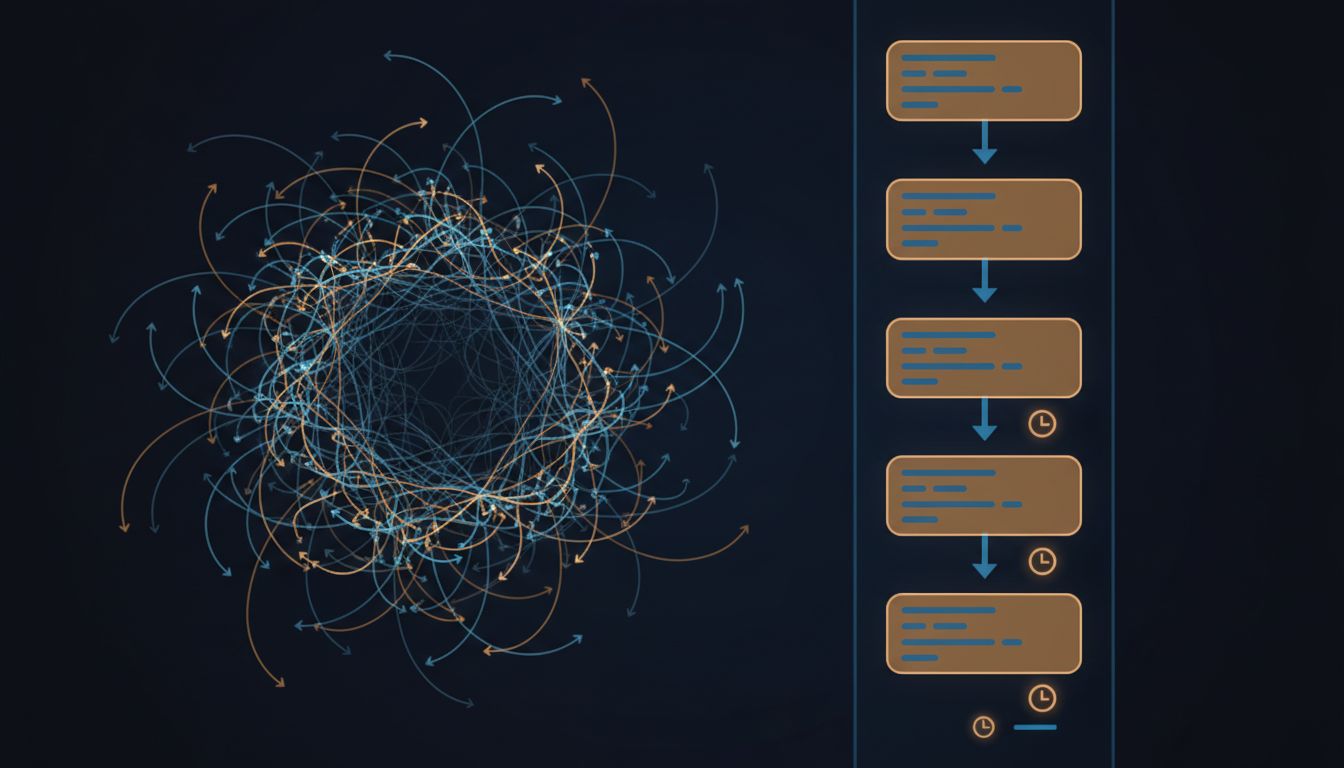
You open a new app, and within ten minutes you feel slightly lost. The interface is clean enough, but finding the feature you actually need takes three more clicks than it should. You assume it’s just poor design. You’re probably wrong. That friction is often intentional, engineered with precision, and serving someone’s business goals, just not yours.
This isn’t paranoia. It’s a pattern that runs through the entire software industry, and understanding it changes how you evaluate, adopt, and use the tools in your digital life. It also connects to a broader truth about how tech companies make decisions that look user-hostile on the surface but are completely logical once you follow the money. Much like how tech companies deliberately launch broken features and fix them later, intentional complexity is a calculated move, not an accident.
The Switching Cost Strategy Hidden in Plain Sight
Here’s the core mechanic: the harder a tool is to learn, the harder it is to leave.
This is called switching cost engineering, and it’s one of the most effective retention strategies in software. When you invest ten hours learning Figma’s component system, or thirty hours mastering Salesforce’s CRM architecture, you’ve built something economists call “sunk cost capital.” Walking away from that investment feels painful, even if a simpler competitor would serve you just as well.
Software companies know this. They budget for it. Onboarding teams are given metrics not just for activation (getting you to use the feature) but for “depth of usage,” meaning how many interconnected parts of the product you touch. The more parts you use, the more it costs you to switch.
This is also why enterprise software is almost comically complex. Tools like SAP, Oracle, or legacy HR platforms aren’t difficult because the problems they solve are inherently difficult. They’re difficult because complexity is the product. Complexity is what justifies six-figure annual contracts and armies of consultants. It’s a feature, not a failure of engineering.
The Certification Industrial Complex
One of the clearest signals that complexity is intentional is the existence of official certification programs.
Think about it. When did you last see a certification for using a hammer? Or a credential for Microsoft Word basics? Straightforward tools don’t need certifications because straightforward tools don’t require 40 hours of study.
But AWS has over a dozen certifications. Salesforce has an entire credentialing ecosystem. Google Workspace, HubSpot, and Adobe all have certification tracks. These programs do two things simultaneously. They generate direct revenue from exam fees and training materials. And they create a professional class of certified users whose careers become intertwined with the platform’s continued existence.
When your resume lists “Certified Salesforce Administrator,” you have a personal financial incentive to keep Salesforce relevant in every organization you join. The company has effectively turned its learning curve into a sales force. That’s not a coincidence.
This behavior mirrors something worth noting about how software licenses cost more than the hardware they run on because you’re not really buying software. What you’re often buying is dependency, and the learning curve is the mechanism that creates it.
How to Recognize Intentional Friction vs. Necessary Complexity
Not all complexity is cynical. Some tools are hard because the underlying work is genuinely hard. Video editing software is complex because video production is complex. Statistical analysis tools have steep curves because statistics is deep. The question you want to ask is whether the complexity lives in the domain or in the interface.
Here’s a simple framework for figuring out which you’re dealing with:
Step 1: Find a power user and time them. Ask someone who has used the tool for two years to complete a task you’d expect to do daily. If it still takes meaningful effort for them, the complexity might be domain-appropriate. If they fly through it effortlessly while you struggle, the curve was designed for newcomers specifically.
Step 2: Look for beginner gates. Some tools hide their best features behind prerequisite steps that have no functional reason to exist. If you have to complete a setup wizard before accessing a core feature, and the wizard doesn’t actually configure anything critical, you’re looking at a manufactured journey.
Step 3: Check the export options. Companies that engineer complexity for retention almost always make exporting your data painful. If getting your data out requires a support ticket, a premium plan, or a format no other tool can read, the lock-in is the point.
Step 4: Compare the mobile and desktop versions. When a company has deliberately simplified the mobile version of a complex product, that simplicity reveals what was possible all along. The desktop complexity was a choice.
What You Can Actually Do About It
Once you see this pattern, you have real leverage. Here’s how to use it.
Audit your current stack with fresh eyes. The most productive teams delete half their digital tools every quarter, and they do it precisely because sunk cost keeps most people paying for complexity they no longer need. Ask yourself: if you had to start fresh today, would you choose this tool?
Separate learning cost from ongoing value. A high learning curve is only worth it if the tool delivers compounding returns after you climb it. If you’re still fighting the interface six months in, the complexity isn’t protecting sophisticated capability, it’s just protecting the company’s retention metrics.
Use trials to stress-test the exit. Before committing to any platform, run a trial and try to export everything you’ve entered. Do it on day three, not day thirty. You want to know how painful the exit is before you’ve invested real time and data.
Negotiate using complexity as leverage. Enterprise vendors expect customers to feel locked in. If you’ve mapped your switching costs and know what migration would actually take, you can use that as a negotiating tool at renewal. “We’ve priced out moving to a competitor and it would take four weeks” is a very different conversation than “we rely on you completely.”
The Bigger Picture
Intentional complexity is just one thread in a larger pattern of software decisions that prioritize company outcomes over user experience. You see it in multitasking apps scientifically designed to make you fail, in interface choices that benefit engagement metrics over your actual productivity, and in update cycles that reset your muscle memory just often enough to keep you feeling like a beginner.
None of this means the tools are worthless. Many of them are genuinely powerful. But going in with clear eyes means you can extract that power without surrendering more than you bargained for. You get to decide when the learning investment is worth it, and when the curve is just a wall someone built to keep you from leaving.
That’s a much better position to make decisions from.