A few years ago I watched a founder agonize over whether to charge $15 or $25 per seat per month. She kept coming back to the same fear: what if the extra ten dollars is the reason someone says no? She went with $15. Eighteen months later she was grinding through hundreds of small accounts, churning faster than she could close, and her sales team was exhausted. A competitor entered the same market at $60 per seat, closed ten enterprise deals in the first year, and raised a Series B at a valuation three times hers.
The founder’s instinct, the one most founders share, was that price is a barrier. Lower the barrier, more people get through. This is how consumer products work, and it has infected the way people think about B2B software. It is almost always wrong.
The companies that charge the most per seat are not growing despite their prices. They are growing because of them.
High prices buy you the customers who actually use the product
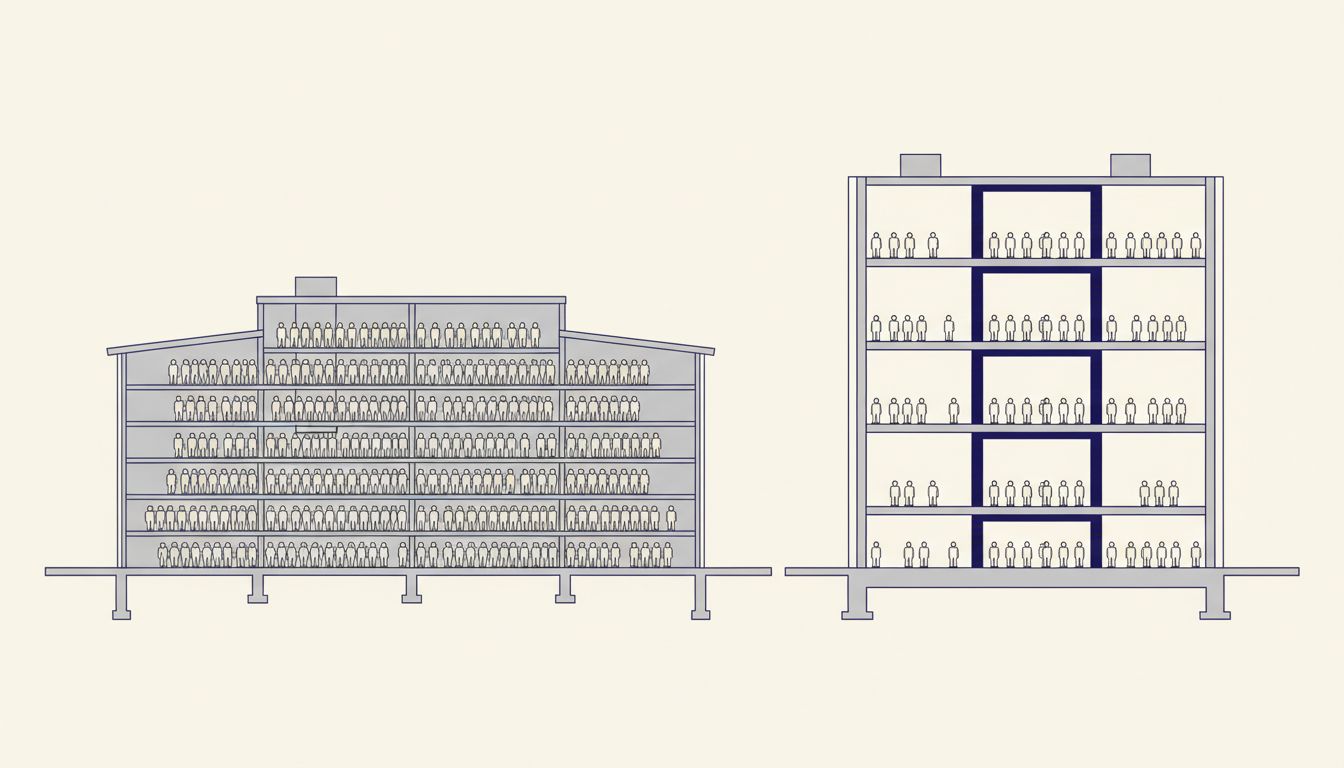
When you charge very little, you attract everyone willing to pay very little. That sounds obvious, but the downstream effects are brutal. Low-cost customers tend to have vague problems, low urgency, and weak internal champions. They sign up, kick the tires, and disappear. Your churn looks terrible, your support queue fills up with one-off requests, and your product roadmap gets pulled in seventeen directions by accounts that collectively generate less revenue than one serious customer would.
Contrast that with what happens when you price at the high end of your market. Customers who pay a lot have budgeted for a solution. They have a problem serious enough to justify real spend. They show up to onboarding calls. They push back when the product does not do what they need, which is some of the most valuable feedback a company can get. Your second customer matters more than your first, and the second customer you want is one who takes the product seriously enough to stress-test it.
Revenue per customer determines what you can afford to do next
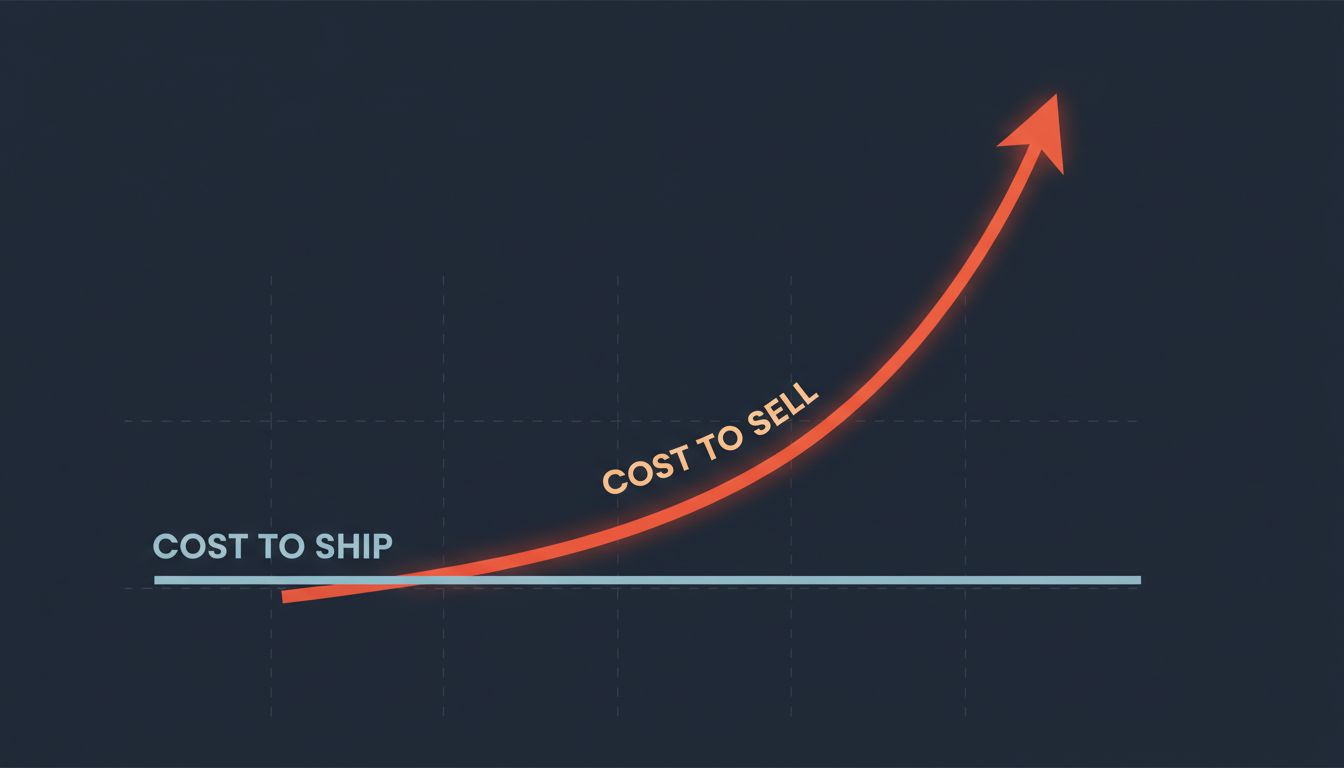
Sales is expensive. Enterprise software companies often spend a year of contract value or more acquiring a single account when you factor in sales salaries, marketing, and the time investment of a proper procurement cycle. At $15 per seat for a 10-person team, you are booking $150 per month. The math on customer acquisition cost versus lifetime value is impossible. You need volume, which means you need a self-serve motion, which means you need a product simple enough to not require human onboarding, which means you have capped the complexity of problems you can solve.
At $60 per seat, the same 10-person team is worth $600 per month. At $200 per seat for enterprise accounts with 50 or more users, you are booking $10,000 per month from a single logo. Suddenly you can afford a real sales rep, a customer success manager, and the engineering cycles to build the integrations your buyers actually need. High prices create margin, and margin creates options.
This is not a philosophical argument. It is arithmetic. The startup that charges too little dies twice: once when it runs out of cash, and again when it realizes it built the wrong product for the wrong customers.
Price signals position, and position determines the deals you get considered for
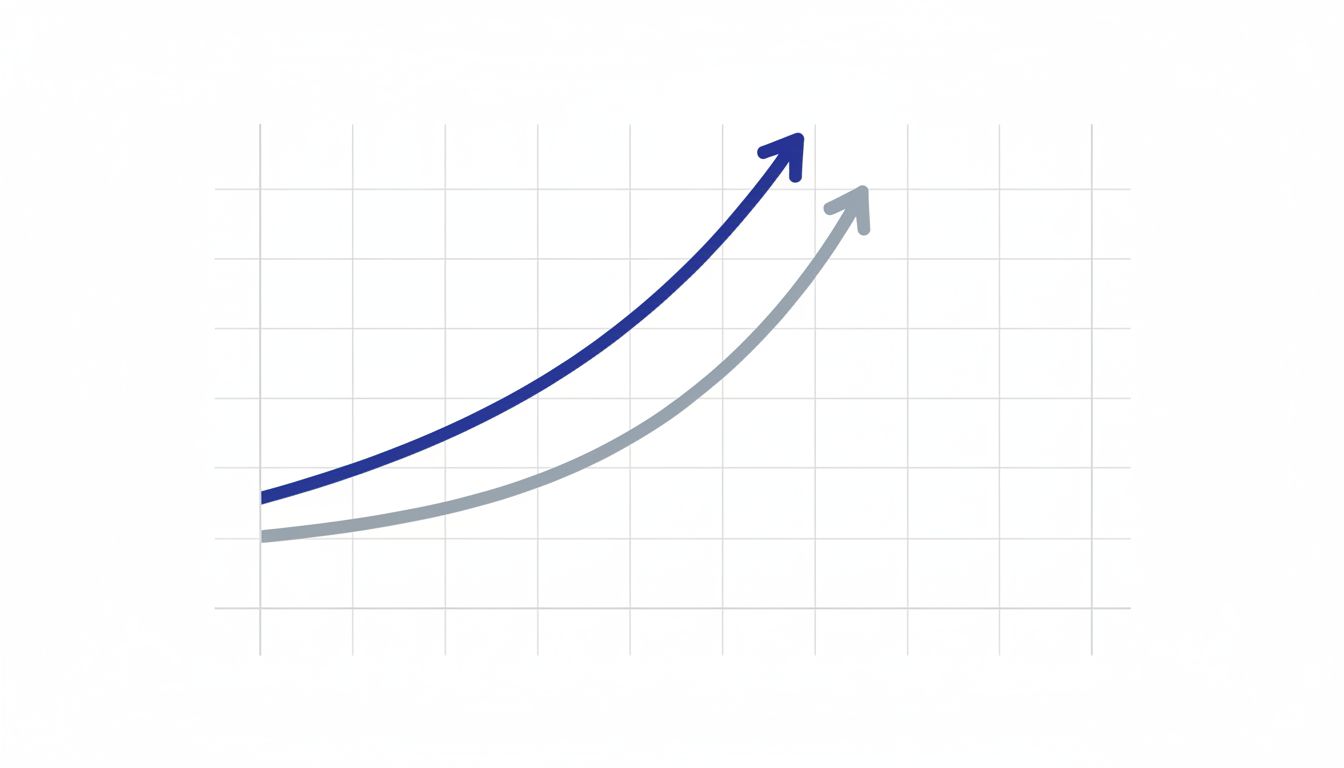
Buyers use price as a proxy for capability. When a procurement team at a serious company is evaluating software, they are not just calculating cost, they are reading signals about whether a vendor can handle their requirements. A tool that costs $15 per seat reads as a startup that has not figured out its value yet. A tool that costs $150 per seat reads as a product for serious operators.
ServiceNow charges what it charges in part because the price itself communicates that it belongs in a conversation with Salesforce and Workday. Figma was not cheap when it entered a market full of free and low-cost design tools. Neither was Notion relative to its earliest competitors. Price is positioning, and positioning determines which deals you even show up in.
The companies that get into the shortlist for large contracts are almost never the cheapest option. They are the ones whose pricing says: we believe we are worth serious consideration.
The counterargument
The obvious pushback is that this logic only works if you have the product to back it up. You cannot charge $200 per seat for something that is not genuinely better than cheaper alternatives, and plenty of startups have tried to fake their way to enterprise positioning through pricing alone. That works until the first renewal cycle, when customers who paid a lot and received little cancel loudly.
The counterargument is real, but it misses the direction of causality. High prices do not work because companies declare themselves premium. They work because companies that commit to high prices have to build products good enough to justify them. The pricing constraint forces the right product decisions. You cannot survive at $150 per seat with a flimsy product, so you do not ship a flimsy product.
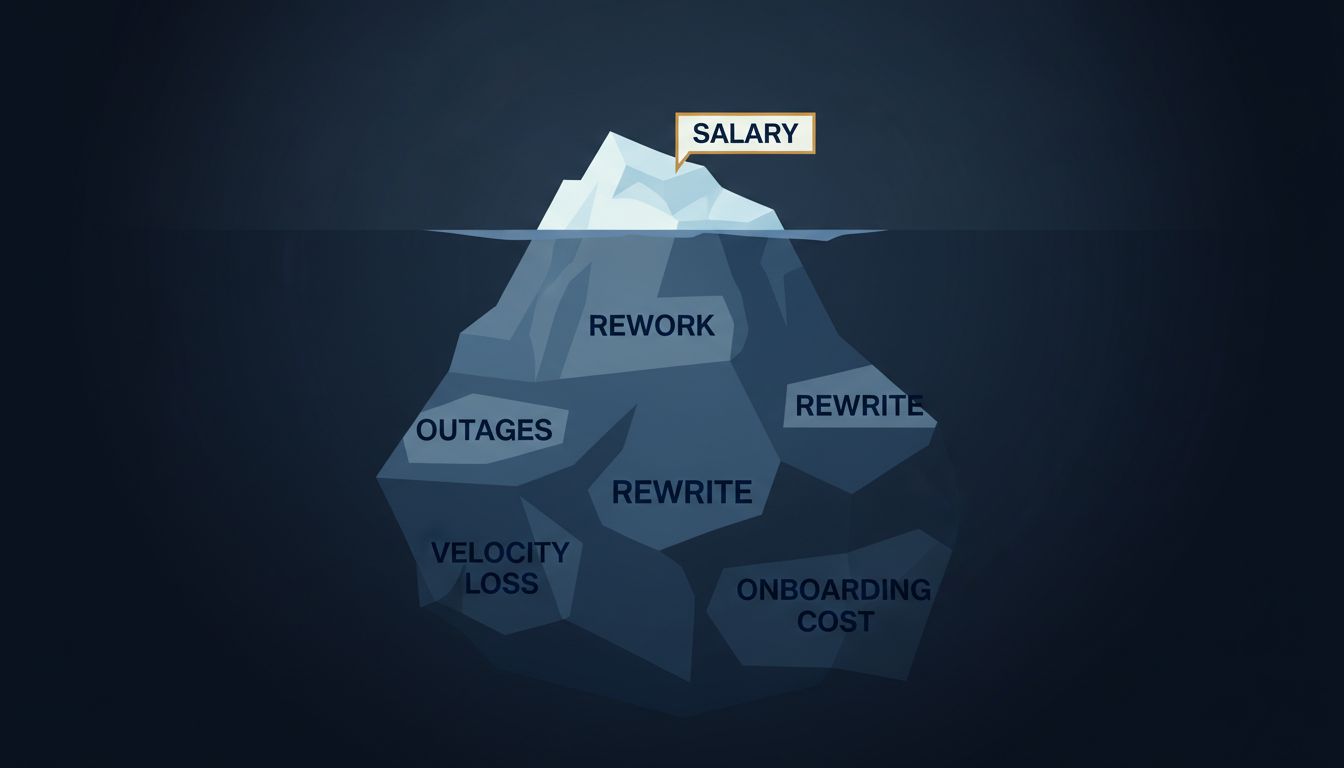
The lower-priced alternative is actually harder to execute well. You can survive for a long time at low prices with a mediocre product because individual customers are not paying enough to bother churning loudly. You accumulate technical debt, product debt, and customer debt simultaneously, and none of it is obvious until the whole thing stops growing.
The founders who figure this out early win disproportionately
The companies growing fastest in B2B software are not the ones racing to the bottom on per-seat pricing. They are the ones who decided early that they would serve customers willing to pay for real value, built the product those customers needed, and let the revenue fund the next layer of capability. The virtuous cycle runs in one direction.
Charge more. Build for the customer who takes you seriously. Use the margin to get better. The founder agonizing over $15 versus $25 was asking the wrong question. The right question was: what kind of company do I actually want to build, and what price signals that to the market?