
There is a claim circulating in productivity circles that taking one full day offline each week will double your output over the remaining six. It gets shared in engineering Slack channels, cited in conference talks, and repeated with the confidence of a benchmarked result. The claim is almost certainly overstated. But the practice it describes is genuinely valuable, and understanding why requires separating the marketing from the mechanism.
The digital sabbath, for those unfamiliar, is simple in concept: one day per week with no email, no Slack, no pull requests, no screens (or at minimum, no work-adjacent screens). It borrows the structure of religious rest traditions and applies them to knowledge work. The productivity doubling claim almost always lacks a rigorous control group. What the practice actually does is harder to quantify and more interesting.
Your Brain Treats Unfinished Problems as Open Processes
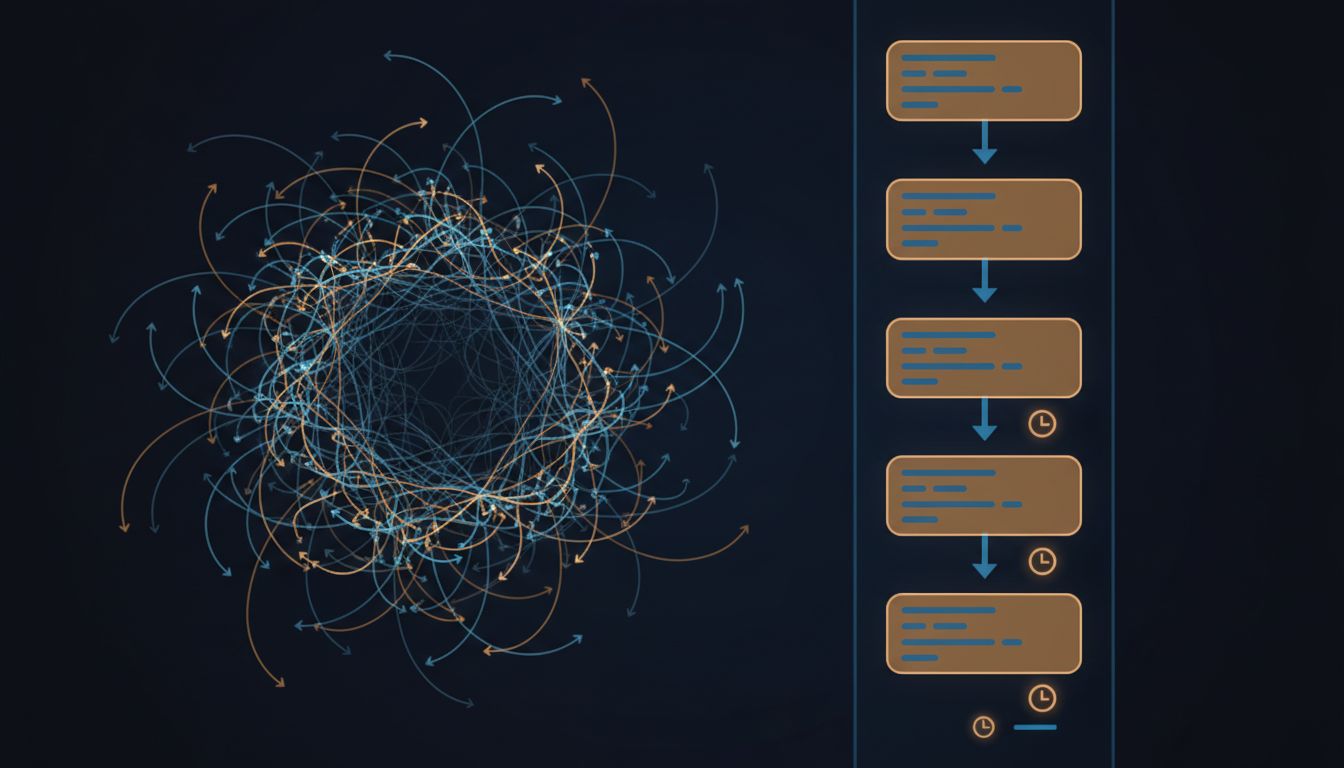
Here is what the neuroscience does support. The brain does not stop processing hard problems when you stop consciously working on them. The Zeigarnik effect, first documented by Soviet psychologist Bluma Zeigarnik in the 1920s, describes how the mind continues to allocate attention to incomplete tasks. This is useful when it produces insight, and costly when it produces the low-grade cognitive hum that makes evenings feel like overtime.
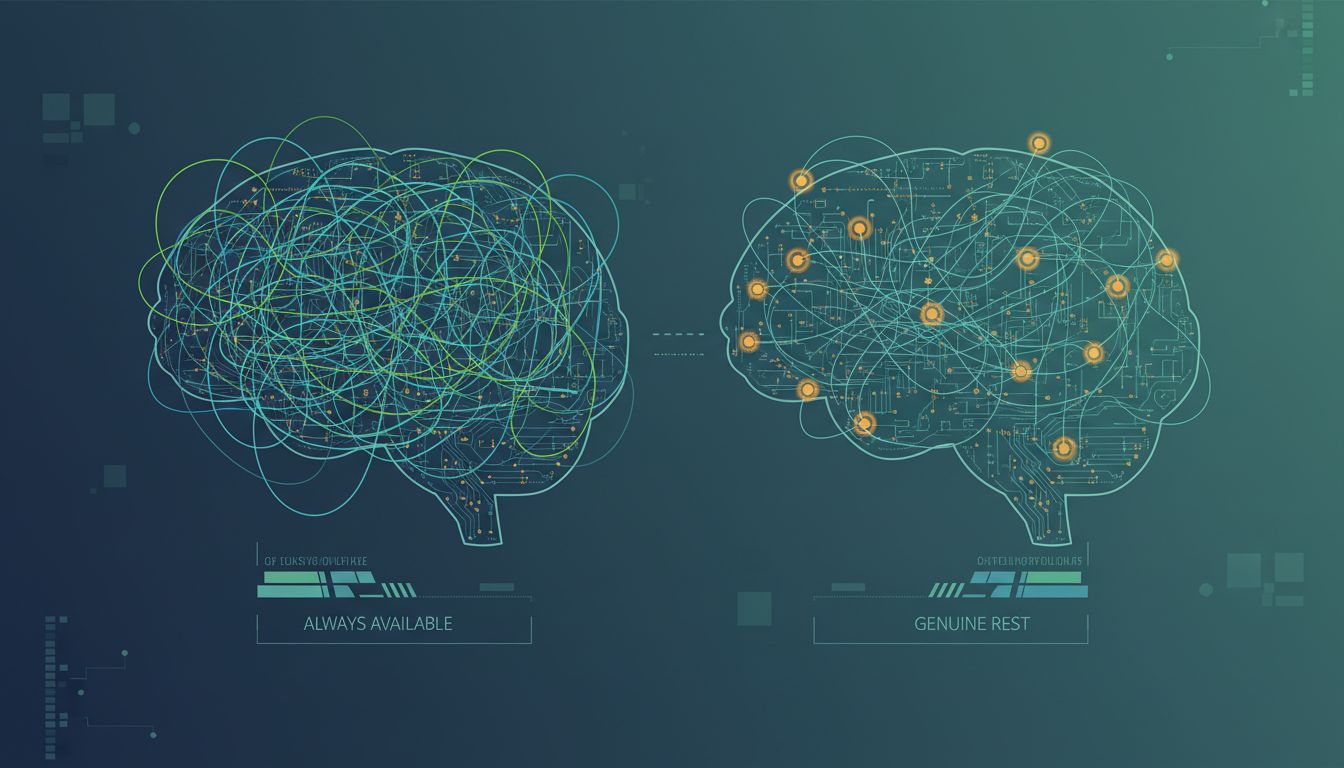
When you remain reachable on weekends, even passively, you keep those processes running without giving them the inputs they actually need to resolve. You are spinning threads with no CPU budget to execute them. A full offline day does not eliminate that hum immediately, but it trains the system over time. Engineers who practice this consistently often report that their Monday mornings feel qualitatively different from those of colleagues who were technically available all weekend. Not because they worked more, but because they stopped partially working.
This connects to something productive procrastination researchers have noted: the brain solves hard problems more effectively when given permission to work on them non-linearly. Forced availability short-circuits that.
Attention Is Not Infinitely Renewable
The dominant mental model in tech treats time as the constrained resource. But attention is the actual bottleneck, and it depletes differently than time does. Cognitive fatigue research (particularly work coming out of sleep science and decision-making studies) consistently shows that the quality of high-complexity thought degrades significantly across a week without genuine rest intervals. Not slower thinking, but systematically worse thinking, with the person doing it often unable to detect the degradation.
A developer who writes code for six days straight is not producing six days of peak-quality reasoning. They are probably producing four days of solid work and two days of confident-feeling noise. Bugs that seem obvious in retrospect, architectural decisions that need to be revisited, variable names that made sense at 9pm on Saturday. The digital sabbath does not add hours. It recovers quality from hours that would otherwise be degraded.
The Signal Problem in Always-On Teams
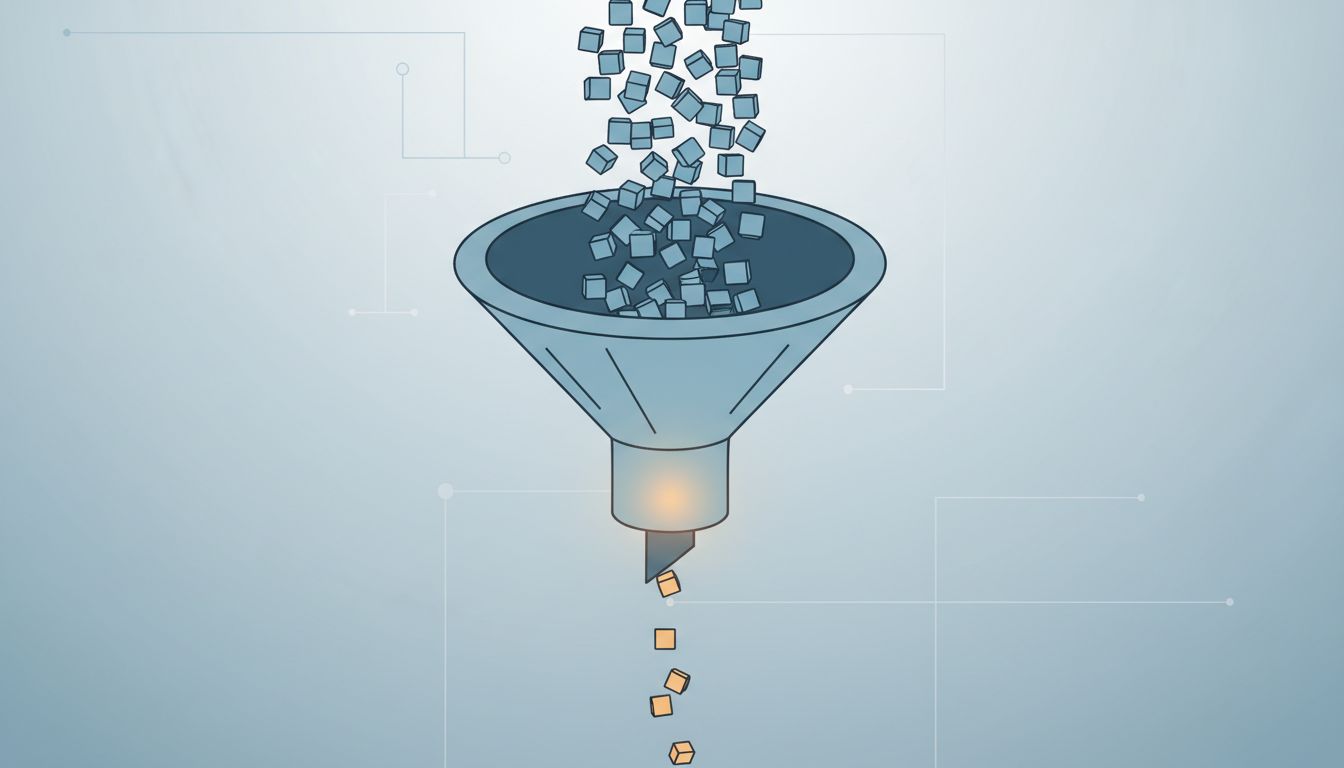
There is a second-order effect that gets less attention. Teams where individuals are always reachable tend to generate low-quality communication at high volume because the cost of sending a message drops to near zero. If everyone is always on, there is no reason to batch questions, synthesize thoughts before sharing them, or decide whether something is actually urgent.
Teams that normalize genuine offline periods, including weekend days, are forced to develop better communication discipline. The person who cannot ping a colleague on Sunday has to decide: is this actually urgent enough to be an exception, or can I write it up properly on Monday? That friction is a feature. It surfaces in the form of fewer but more substantive communications, which means less context-switching for everyone. The most productive teams often impose exactly this kind of friction deliberately, not despite efficiency concerns, but because of them.
The Counterargument
The strongest objection is structural, not philosophical. For many tech workers, especially those at smaller companies or in roles with genuine on-call responsibilities, a complete offline day is not a lifestyle choice they can unilaterally make. An infrastructure engineer whose services run in production does not get to simply opt out of incidents on Sundays.
This is fair. The digital sabbath as described is a practice with real prerequisites: some control over your schedule, a team culture that does not treat weekend silence as a performance signal, and a role where true emergencies are rare. It is not universally available, and framing it as a simple productivity hack obscures that class dimension.
The other objection, that some people genuinely enjoy working seven days and should not be told to stop, is also legitimate. The case for the digital sabbath is not that rest is morally superior to work. It is that sustained high-quality cognitive output requires genuine recovery, and most people are bad at accurately assessing whether they are recovering while staying nominally available.
The Practice Is Real Even If the Number Is Made Up
Doubling output is a headline, not a measurement. Nobody has run the controlled study that would justify that specific claim, and anyone citing it as a fact is selling something.
But the underlying case is solid. Uninterrupted offline time allows the brain to consolidate, resolve background processes, and return to focused work with cognitive resources that partial rest does not restore. The productivity gains are real, the attention quality improvements are real, and the communication discipline that emerges in teams that respect these boundaries is real. The number is marketing. The mechanism is not.
If you have the structural ability to take one genuine day offline per week, the question is not whether it will double your output. The question is whether you are currently doing your best work on six out of seven days, or whether you are generating confident-feeling output on the last two that you will quietly regret on Tuesday morning. Most engineers, if they are honest, know the answer.