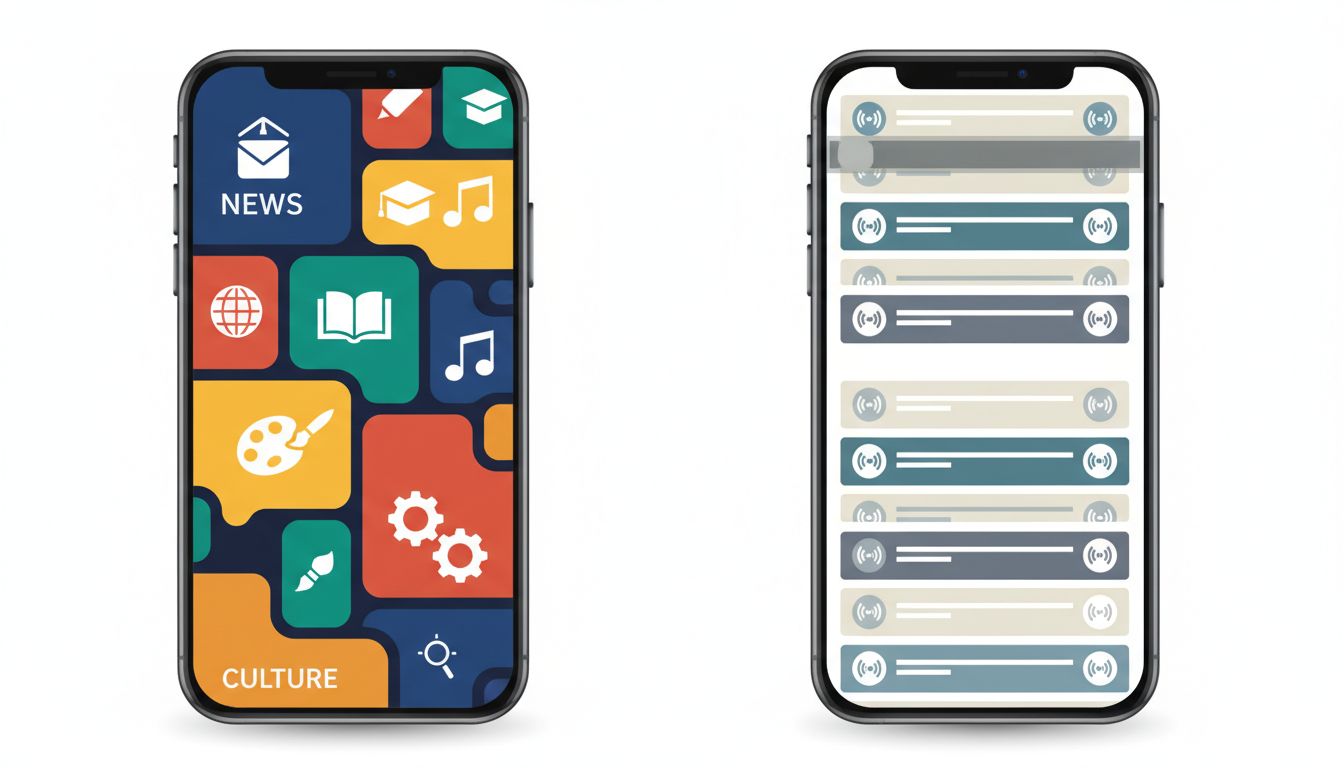
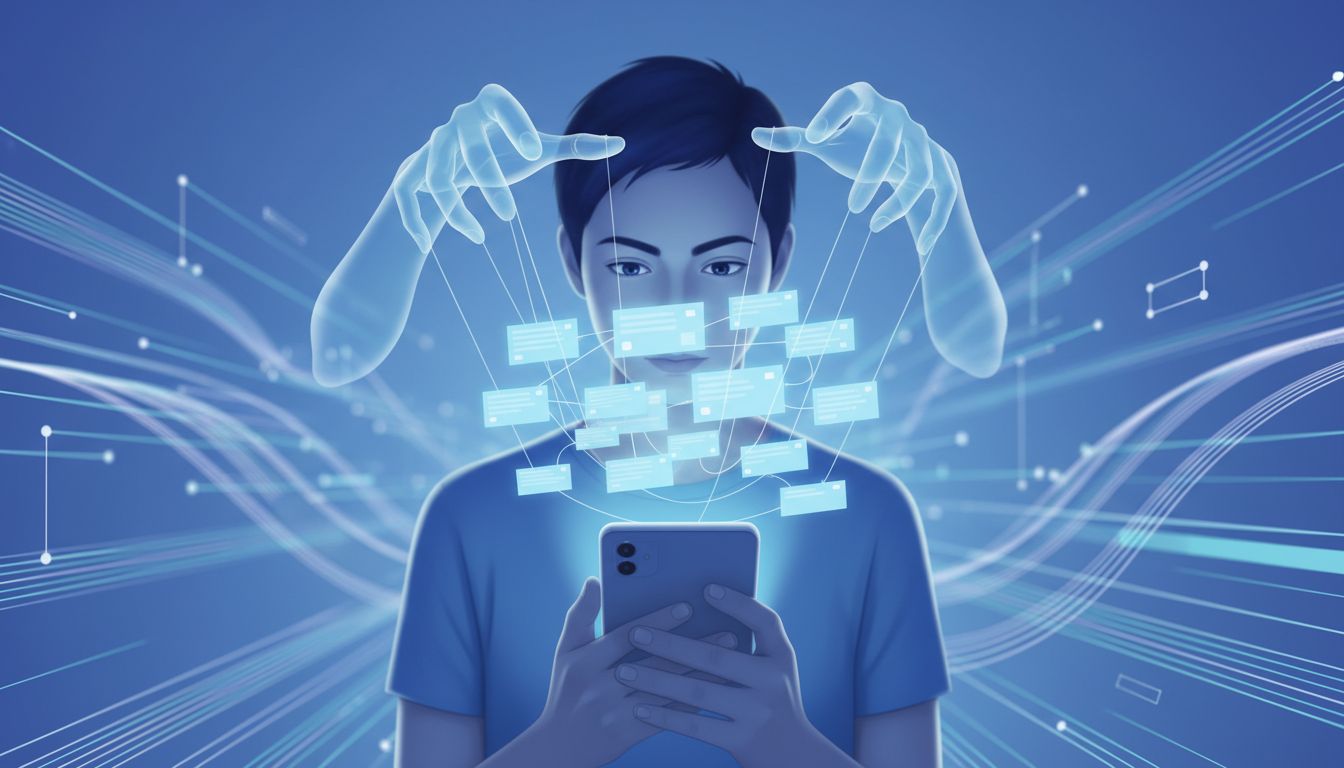
Every time you open Instagram, TikTok, or Facebook, you’re entering a carefully orchestrated theater performance. Behind the scenes, invisible algorithms are making split-second decisions about what content deserves your attention, what gets buried, and what never reaches you at all. These digital puppet masters shape not just your entertainment, but your worldview, purchasing decisions, and even your mood.
The fascinating part? You have more power to influence this process than you might think. Just like tech giants have discovered that free software became their most profitable weapon, understanding how these algorithms work gives you leverage to make them work better for you.
The Three-Layer Algorithm Stack
Social media algorithms aren’t single programs but sophisticated systems working in layers. Think of them as a restaurant’s kitchen staff, where each person has a specific role in getting your meal to the table.
Layer 1: Content Collection The algorithm first gathers all possible content you could see. This includes posts from friends, pages you follow, ads, and suggested content from accounts you don’t follow. For a typical Facebook user, this pool contains around 1,500 potential posts per day.
Layer 2: Initial Filtering Next, the system applies basic filters. It removes spam, checks content policies, and eliminates posts that clearly don’t match your language or location preferences. This cuts the pool down to about 500-800 potential posts.
Layer 3: Ranking and Personalization Finally, machine learning models rank the remaining content based on hundreds of factors specific to you. Only the top 10-20% makes it into your actual feed.
The Four Key Ranking Signals
Social media companies guard their exact algorithms like state secrets, but they’ve revealed the main categories of signals that influence what you see:
Relationship Signals The algorithm pays close attention to whose content you regularly engage with. If you consistently like, comment on, or share posts from your college roommate, their content gets priority. The system also considers indirect relationships (mutual friends who frequently interact).
Content Performance Signals Posts that generate high engagement rates (likes, comments, shares) within the first few hours get boosted to more users. This creates the viral effect where popular content becomes even more popular.
Content Type Preferences The algorithm learns whether you prefer videos over photos, long-form posts over quick updates, or news articles over memes. It tracks how long you spend viewing different content types and adjusts accordingly.
Recency and Timing Fresher content generally gets priority, but the algorithm also learns your usage patterns. If you typically check social media at 8 AM and 6 PM, it saves some high-priority content for those windows.
Why Your Feed Feels Like an Echo Chamber
The optimization goal of most social media algorithms is “engagement” (time spent on the platform), not diversity or accuracy. This creates several predictable biases:
Confirmation Bias Amplification Content that confirms your existing beliefs generates more engagement (likes, comments, shares) than content that challenges them. The algorithm learns this pattern and serves you more content that aligns with your worldview.
Emotional Intensity Preference Posts that trigger strong emotions (anger, joy, surprise) get more engagement than neutral content. Just as tech giants weaponize color psychology to influence behavior, algorithms favor emotionally charged content because it keeps you scrolling.
Novelty Addiction The system constantly seeks new content to keep you engaged, but it defines “new” based on what’s performed well recently. This creates trending topics and viral cycles that can feel repetitive even as they’re constantly changing.
Taking Control of Your Algorithm
Here’s where you can take action. You’re not powerless against these systems. Every interaction you make trains the algorithm, so you can deliberately guide it toward showing you better content:
Curate Through Conscious Engagement Be intentional about what you like, share, and comment on. If you want to see more educational content, actively engage with it even if cat videos are more tempting. The algorithm will notice within 3-5 days.
Use the “Not Interested” Feature Most platforms have ways to tell the algorithm you don’t want certain content. Use these features actively. They’re more powerful than simply scrolling past content you dislike.
Diversify Your Following Strategy Follow accounts outside your usual interests and engage with their content occasionally. This signals to the algorithm that you want variety in your feed.
Time Your Consumption Check social media when you’re in a good mental state and have time to engage thoughtfully. The algorithm associates your engagement patterns with your mood and time of day.
The Bigger Picture
Understanding social media algorithms helps you become a more intentional consumer of digital content. Just as many AI startups fail because they don’t understand user behavior, you can avoid algorithm frustration by understanding how these systems actually work.
The key insight is that algorithms are tools, not masters. They respond to your behavior, which means you can train them to serve your interests better. The next time you open your social media app, remember that every scroll, like, and tap is a vote for the kind of content you want to see more of.
Start small: tomorrow, spend 30 seconds being intentional about what you engage with. Your future self will thank you for a feed that actually adds value to your life instead of just stealing your time.