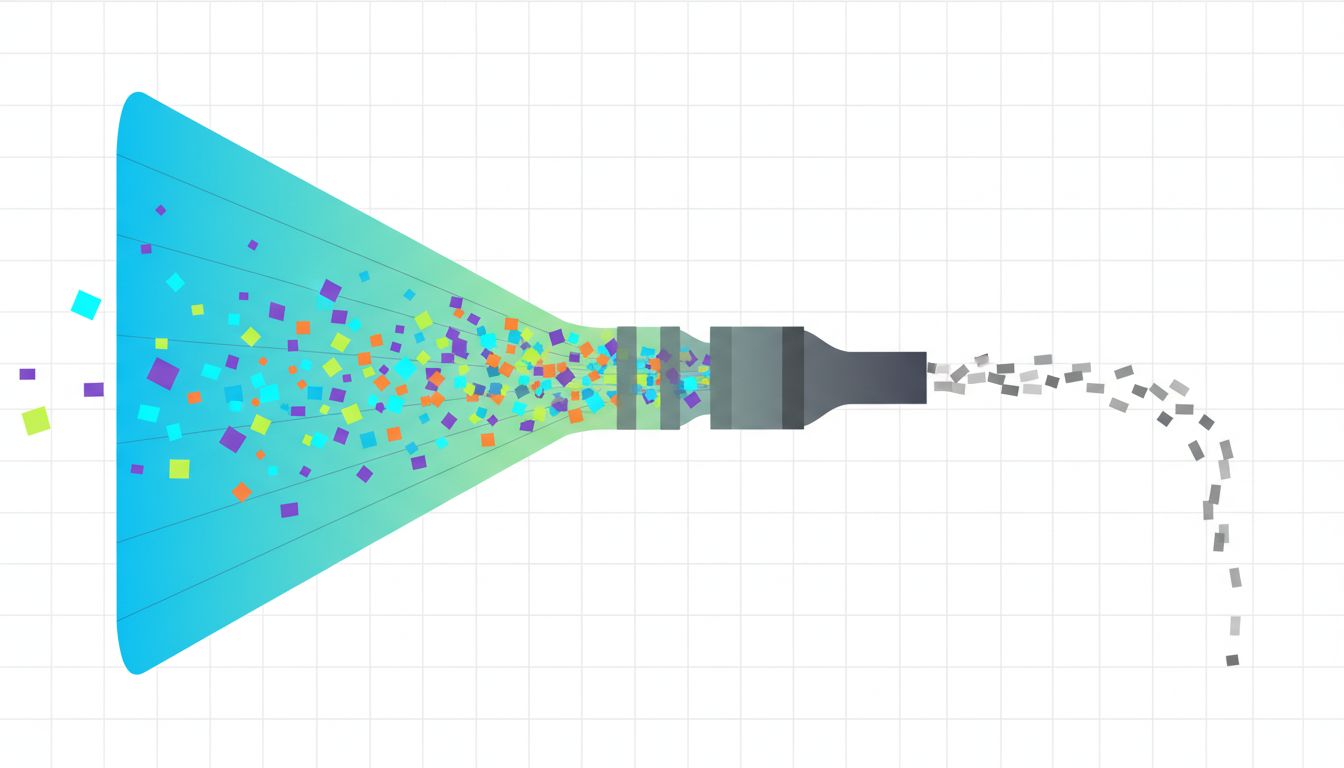
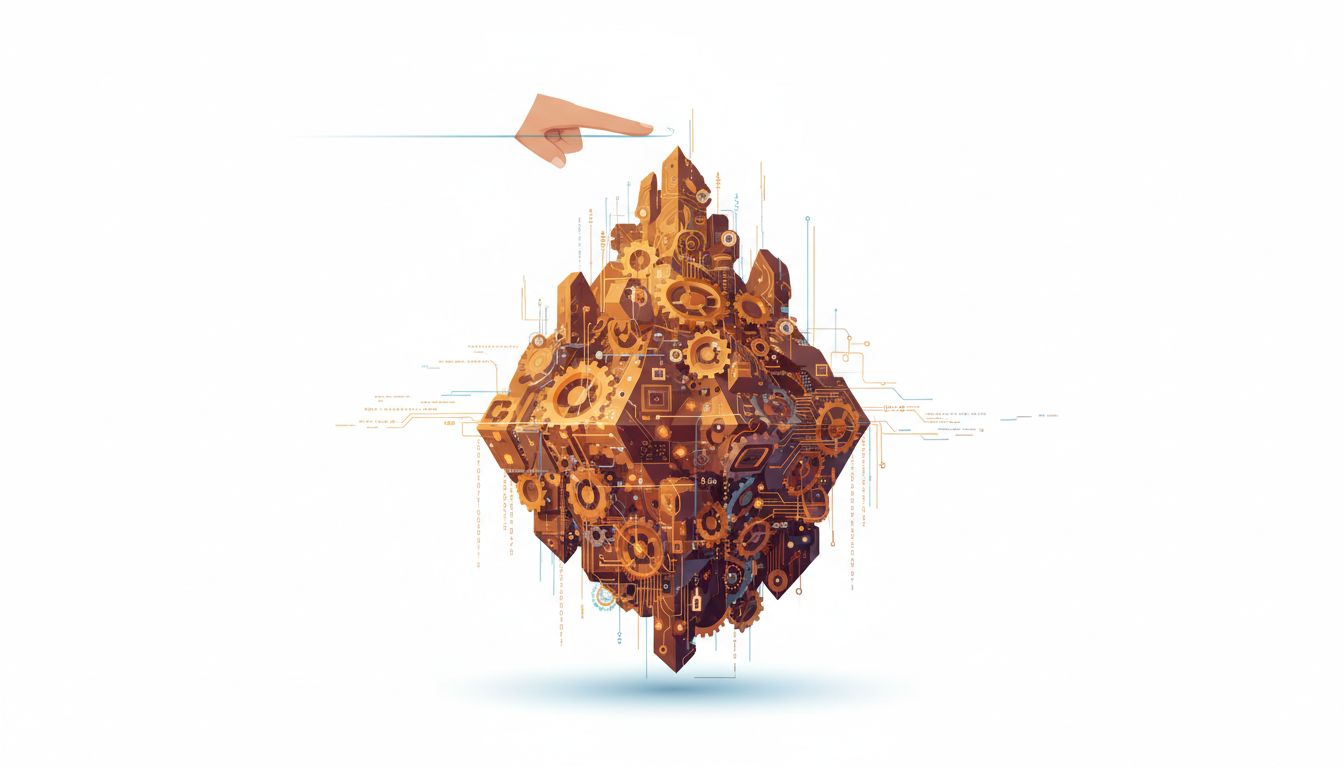
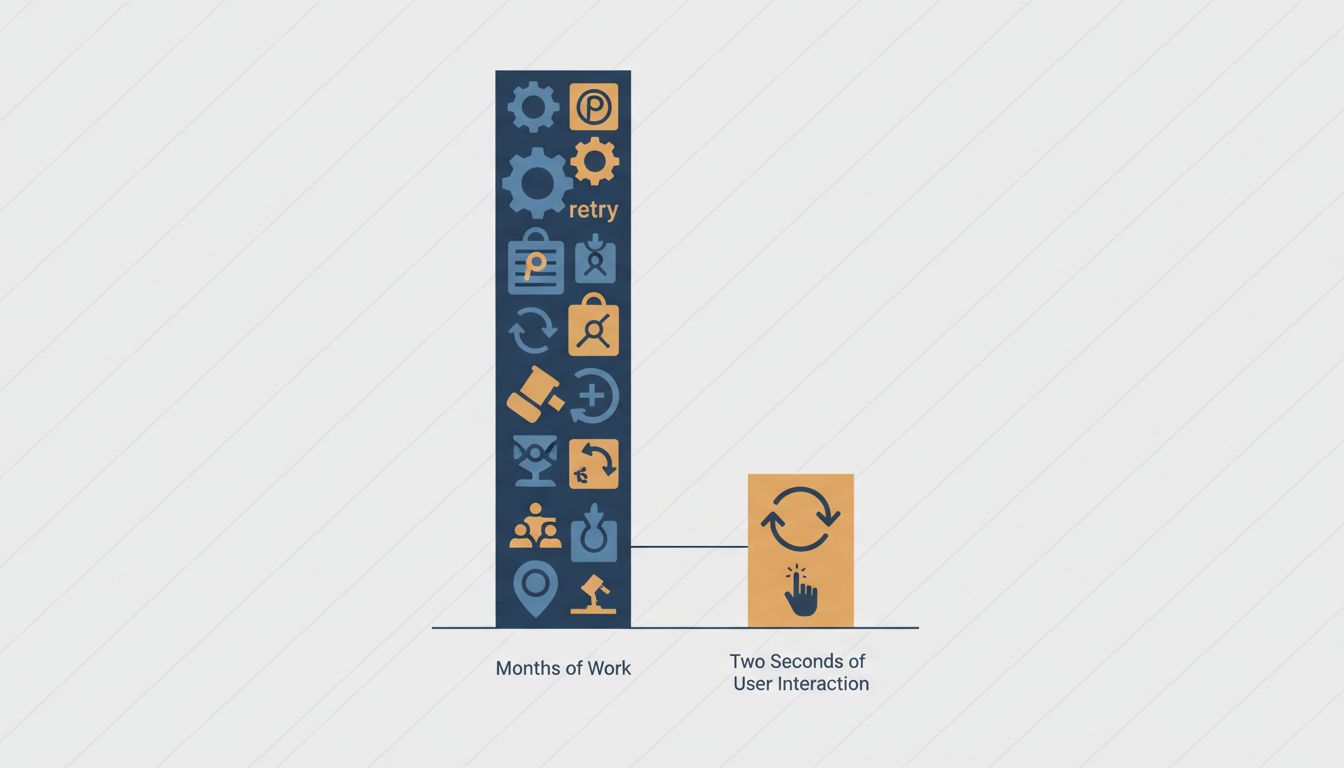
Here is a habit worth examining: you swipe away a push notification without reading it, close an onboarding tooltip the moment it appears, or immediately mute a new feature your app just shipped. Two seconds, maybe less. The feature you just ignored may have occupied a small team for the better part of a year.
This isn’t a guilt trip. The engineers who built that notification don’t need your sympathy, and you are not obligated to engage with software just because someone worked hard on it. But the asymmetry here has practical consequences for how you use the tools you pay for, and how product teams make decisions about what to build next. The cost of casual dismissal is higher than you think, and it flows in both directions.
The effort-to-engagement gap is enormous
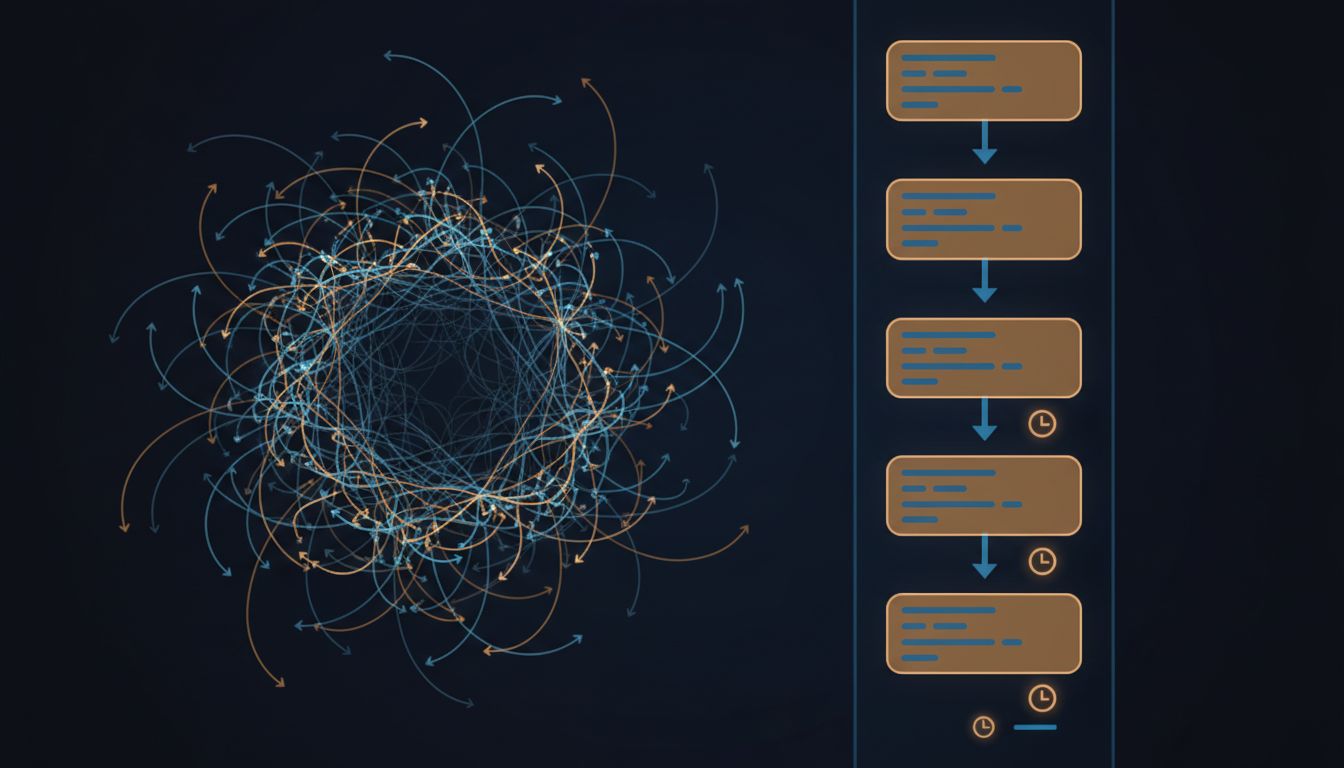
Building a notification system that works reliably across iOS and Android, respects user permissions, handles time zones correctly, degrades gracefully when devices are offline, and doesn’t get flagged as spam by platform gatekeepers is genuinely hard. Engineers at companies of every size will tell you that notification infrastructure is one of the most deceptively complex systems they maintain. What you experience as a single tap to dismiss represents decisions about retry logic, delivery guarantees, permission flows, A/B tested copy, and legal compliance with regulations like GDPR and CAN-SPAM.
The same is true for tooltips, empty states, error messages, and the subtle animations that make an app feel responsive. These are not afterthoughts bolted on at the end of a sprint. They are often the last things shipped before a release, which means they absorbed the deadline pressure of everything that came before them.
You don’t need to appreciate this to use software well. But understanding it changes how you interact with the tools in your workflow.
Fast dismissal trains product teams toward the wrong things
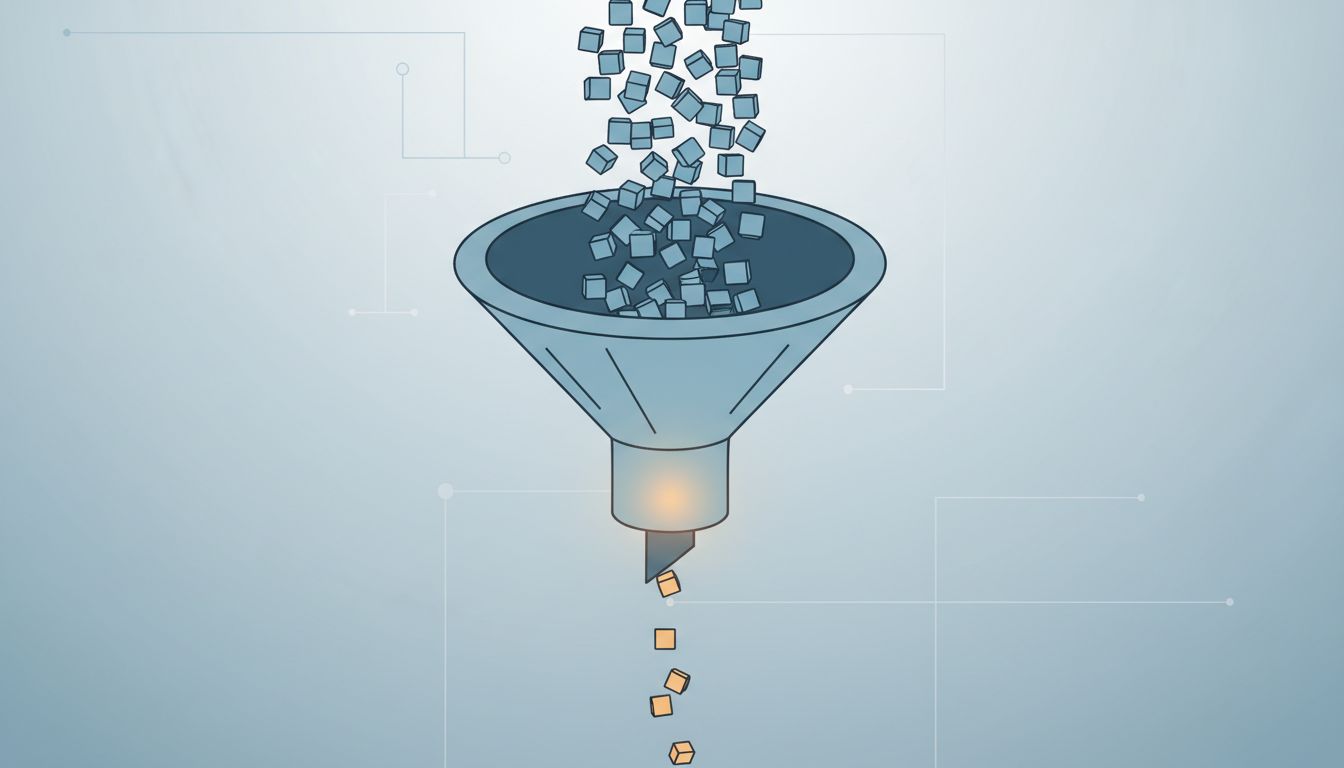
Product teams watch engagement metrics obsessively. When features get ignored at high rates, the lesson they often draw is not “our feature was too complex” but “we need to make it more intrusive.” This is how you get notification prompts that appear twice, tooltips that can’t be closed, and onboarding flows that lock you out of the actual product until you complete them.
Your dismissal behavior is a signal, whether you mean it to be or not. Products that can’t distinguish between “I saw this and chose to ignore it” and “I never noticed this” will keep escalating the interruption. The apps that have trained themselves to be the most annoying are often responding, rationally, to aggregate user behavior that rewarded annoyance.
The research on notification fatigue is clear: more notifications leads to more blanket dismissal, which leads to more aggressive notification strategies. You’ve probably felt this cycle from the inside. It’s a collective action problem that individual behavior contributes to, even when that individual behavior is completely understandable.
Dismissal culture wastes your own time in ways you don’t track
The time you spend dismissing things adds up in ways that are easy to miss. You swipe away a notification that would have saved you from checking your email manually an hour later. You close a tooltip explaining a keyboard shortcut and then spend the next six months clicking through three menus to do the same thing. You skip an update changelog and then spend forty minutes debugging behavior that changed in a version you didn’t read about.
The two-second dismissal often costs you far more than two seconds over time. This isn’t about reading every notification or engaging with every feature. It’s about being a more intentional user of the tools you rely on. Focus recovery after an interruption takes 23 minutes, and a notification you dismiss without reading can still cost you that. But a notification you read and act on in ten seconds might save you the interruption of a follow-up check later.
The counterargument
The obvious pushback is that most notifications genuinely don’t deserve your attention. Apps abuse notification permissions to drive re-engagement, not to deliver value. Onboarding flows are often designed to increase activation metrics, not to help you. The reasonable response to a system optimized to extract your attention is to be ruthless about protecting it.
This is true, and it’s not incompatible with the argument here. The answer isn’t to read every notification. It’s to be more deliberate about which tools deserve your engagement and to periodically audit your dismissal habits rather than running them on autopilot. There’s a difference between choosing not to engage with a feature and reflexively swiping past everything your software tries to tell you. One is a decision; the other is a habit that may not be serving you as well as you think.
The notification problem is also, fundamentally, a product design problem. Teams that build better targeting, better timing, and better content get better engagement. The burden isn’t on you to fix bad product decisions.
The position
You should be more deliberate about dismissal, not more patient with bad software. These aren’t the same thing. The effort behind the features you use quickly is real, and engaging with it intentionally, even just occasionally, makes you a more effective user of your tools and sends better signals to the teams building them. The two-second swipe costs you less than a second. Over a year of doing it to everything, you may have trained yourself out of features that would have genuinely helped you.