
The Setup
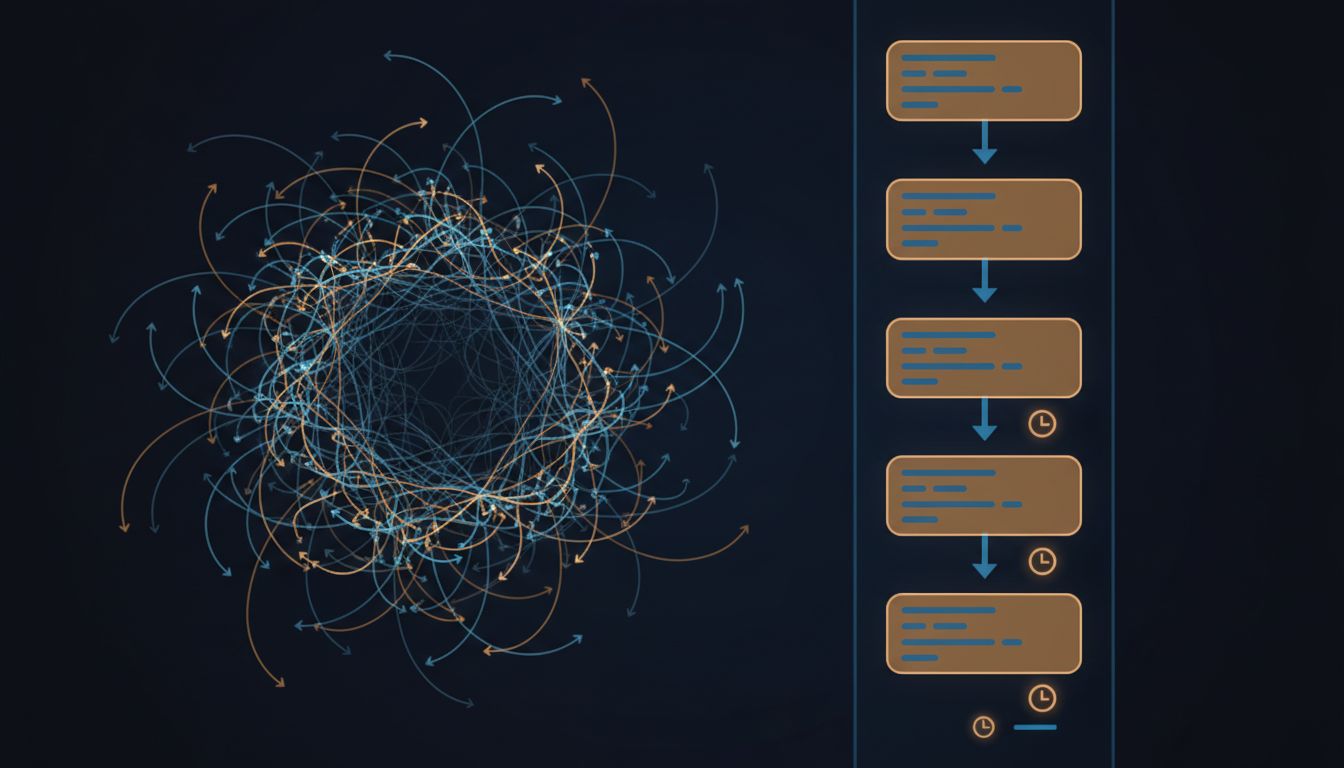
In 2019, Basecamp’s Jason Fried and David Heinemeier Hansson published a policy change that puzzled many people in tech. Basecamp was already known for being contrarian about workplace norms, having eliminated sprints, daily standups, and real-time chat in favor of asynchronous, longer-form communication. But this change went further: scheduled thinking time, entirely free of digital tools, became a formal part of how their product team worked.
This wasn’t a wellness initiative. It wasn’t a response to burnout complaints. It was a deliberate engineering decision about how good work actually gets done. Fried’s argument, made publicly in several posts, was that the best thinking his team produced happened away from the tools they used to execute work. Writing in Basecamp’s public blog Signal v. Noise, he described how the habit of reaching for a tool the moment a problem appeared was short-circuiting the thinking that should precede it.
A lot of companies read that, nodded along, and changed nothing. A smaller number took it seriously and ran their own versions of the experiment. What happened inside those teams is worth understanding in detail.
What Happened
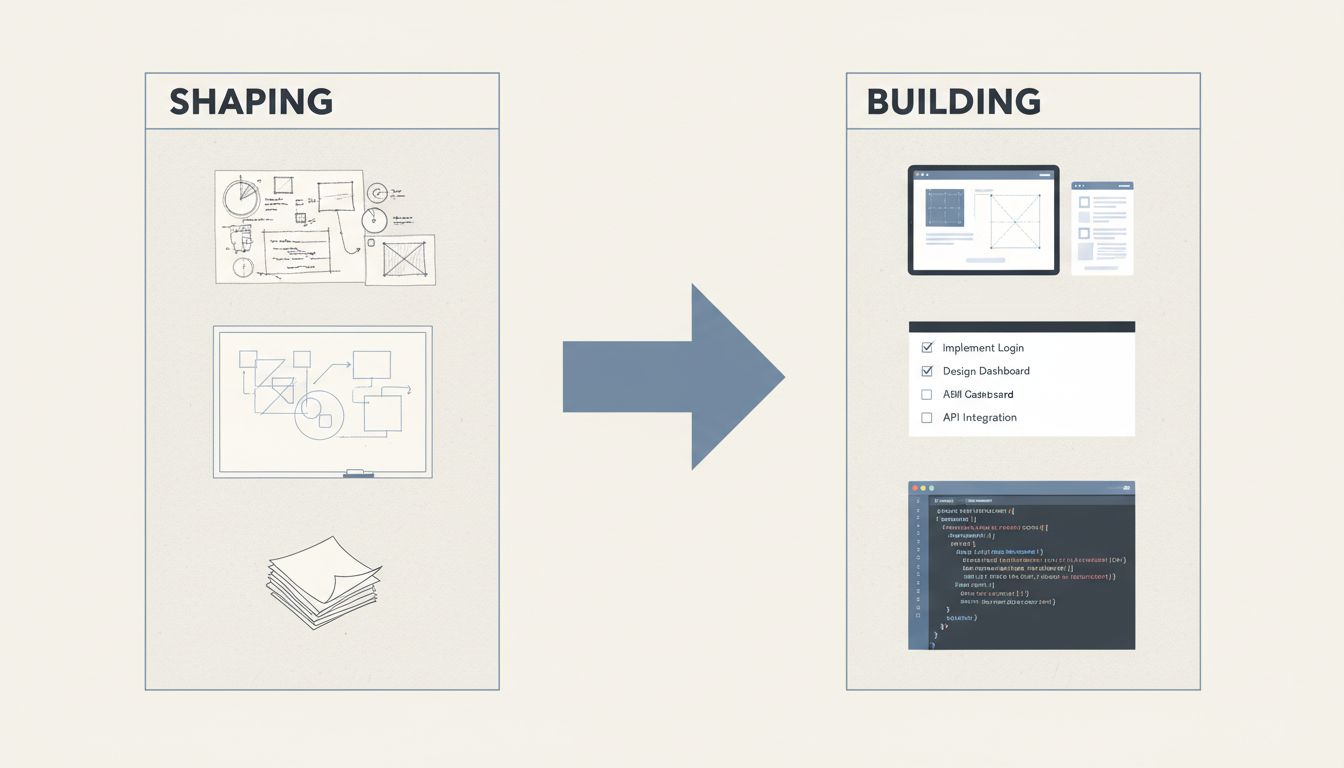
One of the clearest documented cases comes from how Basecamp itself structured the work described in Shape Up, the product development methodology Fried and Heinemeier Hansson released publicly in 2019. The document describes “shaping” work as a phase that happens before any tool gets opened. No Jira tickets, no Figma mockups, no Notion docs. A small senior group works on paper or whiteboards, thinking through the problem at a level of abstraction that tools actively prevent.
The argument is specific: digital tools create a false sense of progress. When you open Figma and start moving components around, you feel productive. You’re producing something visible. But you may be solving the wrong problem with increasing visual fidelity, and the tool’s responsiveness rewards that. Paper doesn’t do that. A blank page gives you nothing unless you generate something real.
The shaping phase at Basecamp would typically last several days or weeks. Nobody was building. Nobody was in Slack threads about the feature. A small group was thinking, sketching on paper, stress-testing the idea against constraints. Only when the shape of the work was clear would it enter the building phase, where tools became appropriate.
The reported result was that projects entered development with far fewer mid-build reversals. Teams weren’t discovering fundamental problems in week four of a six-week cycle. They were discovering them in the shaping phase, where reversing cost almost nothing.
This is a meaningful distinction. The cost of changing a paper sketch is zero. The cost of changing a half-built feature is substantial. Not just in hours, but in the demoralization that comes from throwing away visible work.
Why It Matters
The pattern Basecamp identified has a structural explanation that goes beyond any one company’s workflow preferences.
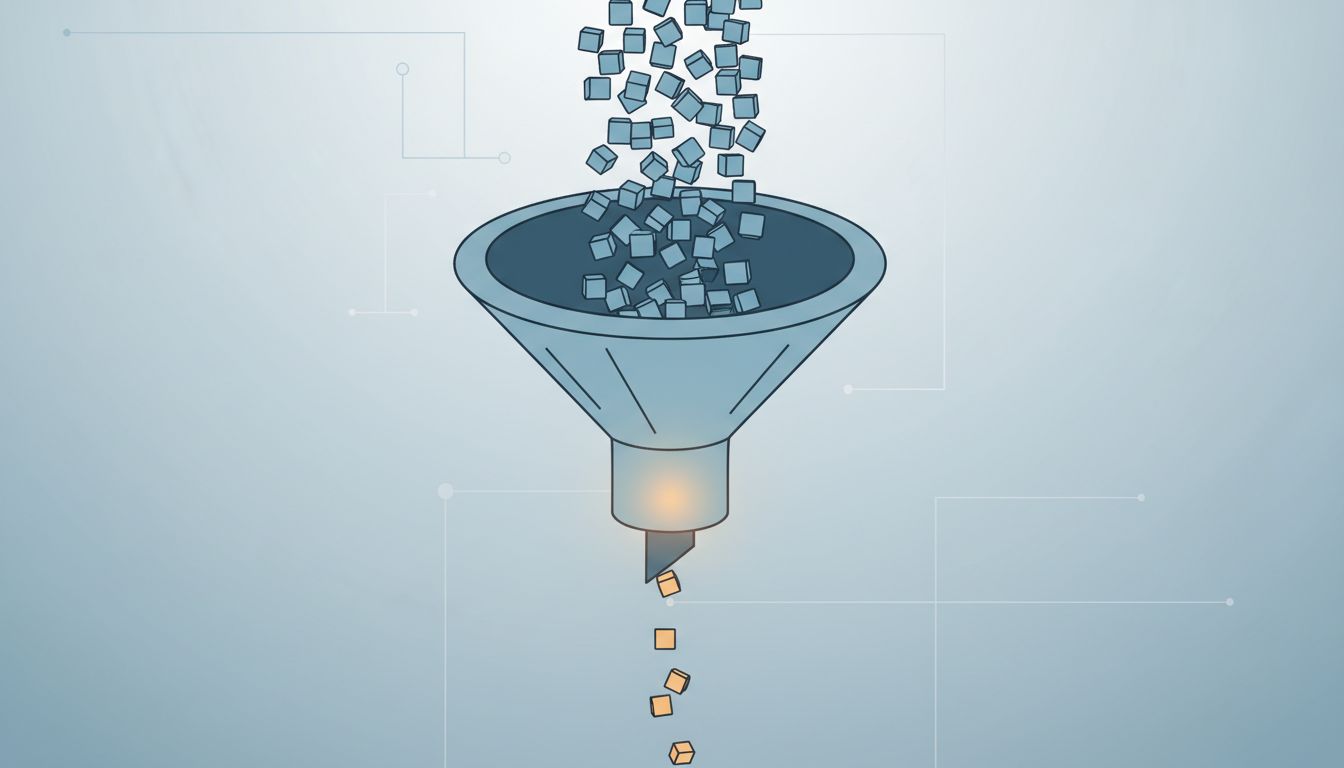
Digital tools are, almost universally, optimized for output. They reward action. A task manager wants you to add tasks. A design tool wants you to create frames. A document editor wants you to fill the page. This isn’t a conspiracy; it’s just what tools are for. But it means that when you sit down with a hard problem and immediately open a tool, you’re putting yourself inside a system designed to generate output before you’ve decided what the right output is.
There’s also the switching cost problem. When your thinking happens inside the same environment as your execution, the boundary between “deciding what to build” and “building it” dissolves. You make micro-decisions constantly, each one feeling local and reasonable, without ever stepping back to ask whether the overall direction is right. This is how teams end up with sophisticated solutions to the wrong problem.
The tool-free block forces a separation that feels inefficient but isn’t. You’re front-loading the cognitive work that would otherwise bleed across weeks of execution. The time you spend thinking without a tool open isn’t idle time. It’s the work that makes everything downstream faster.
What You Can Learn From This
You don’t need to be Basecamp to apply this. Here’s how to actually do it.
Separate shaping from building. Before any new project or significant feature, schedule explicit time where tools are off the table. This can be a few hours or a few days depending on the scope. The goal is to understand the problem well enough that when you open the tools, you know what you’re doing in them.
Work at lower fidelity than feels comfortable. Paper and whiteboards aren’t romantic affectations. They’re low-fidelity mediums, and low fidelity is appropriate when you’re still figuring out whether the idea is sound. High-fidelity tools attached to uncertain ideas produce impressive-looking wrong answers.
Make the tool-free phase a team norm, not a personal habit. One person doing this in isolation helps somewhat. A team doing it together changes the whole rhythm of how work gets started. When everyone understands that the first few days of a new project are for thinking, not producing, you stop getting the performance of busyness that passes for early progress.
Treat a filled whiteboard as the deliverable. The output of a shaping session shouldn’t be a document in your project management tool. It should be a clear answer to: what problem are we solving, what are the constraints, and what would a good solution look like in broad strokes? That answer can be written down, but the thinking happens before the writing.
Protect this time from urgency. Tool-free thinking time is the first thing that gets canceled when something comes up. That’s backwards. The shaping phase is precisely what prevents the four-week scrambles that generate the urgency in the first place. Digital batching principles apply here too: blocking the time and protecting it treats thinking as a first-class activity rather than something you fit in between real work.
The companies doing this well aren’t doing it because they distrust technology. They’re doing it because they understand what each phase of work actually requires. Building requires tools. Thinking, genuinely, doesn’t. And conflating the two is costing your team more than you probably realize.