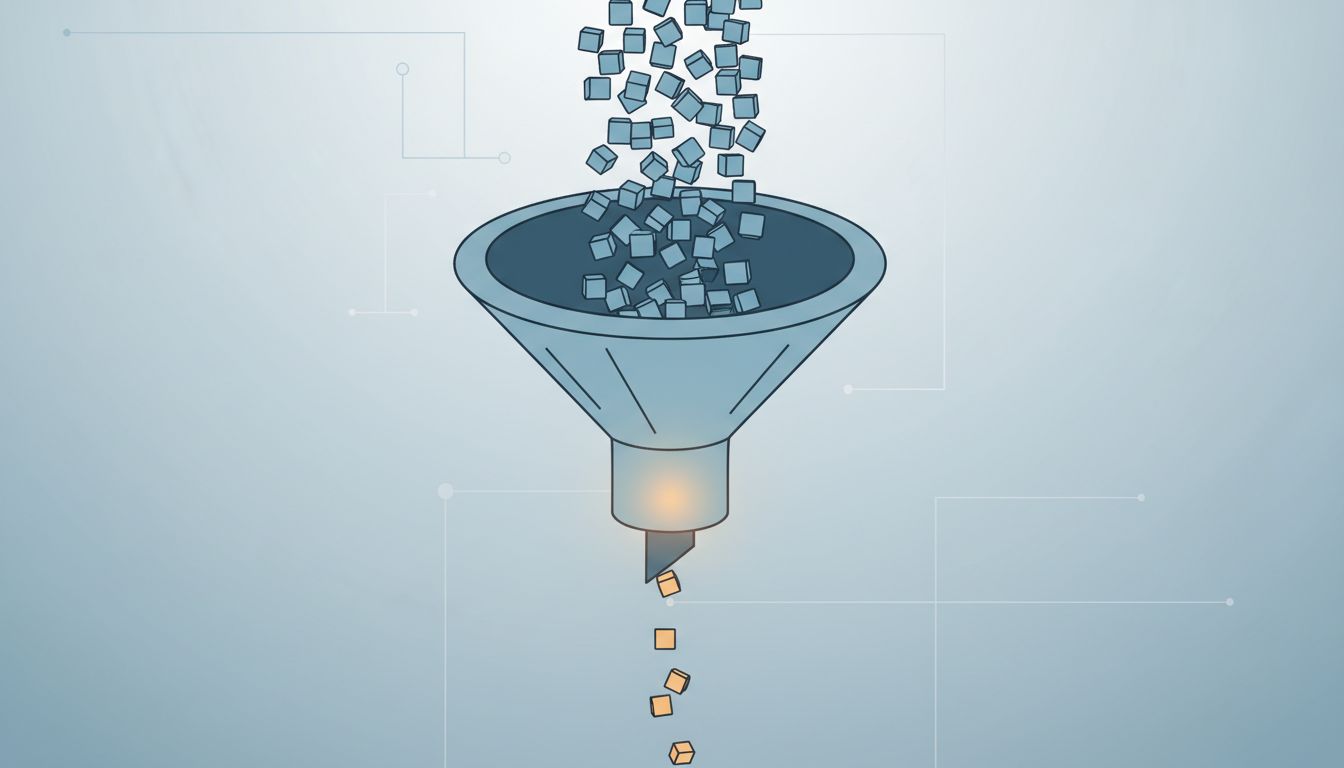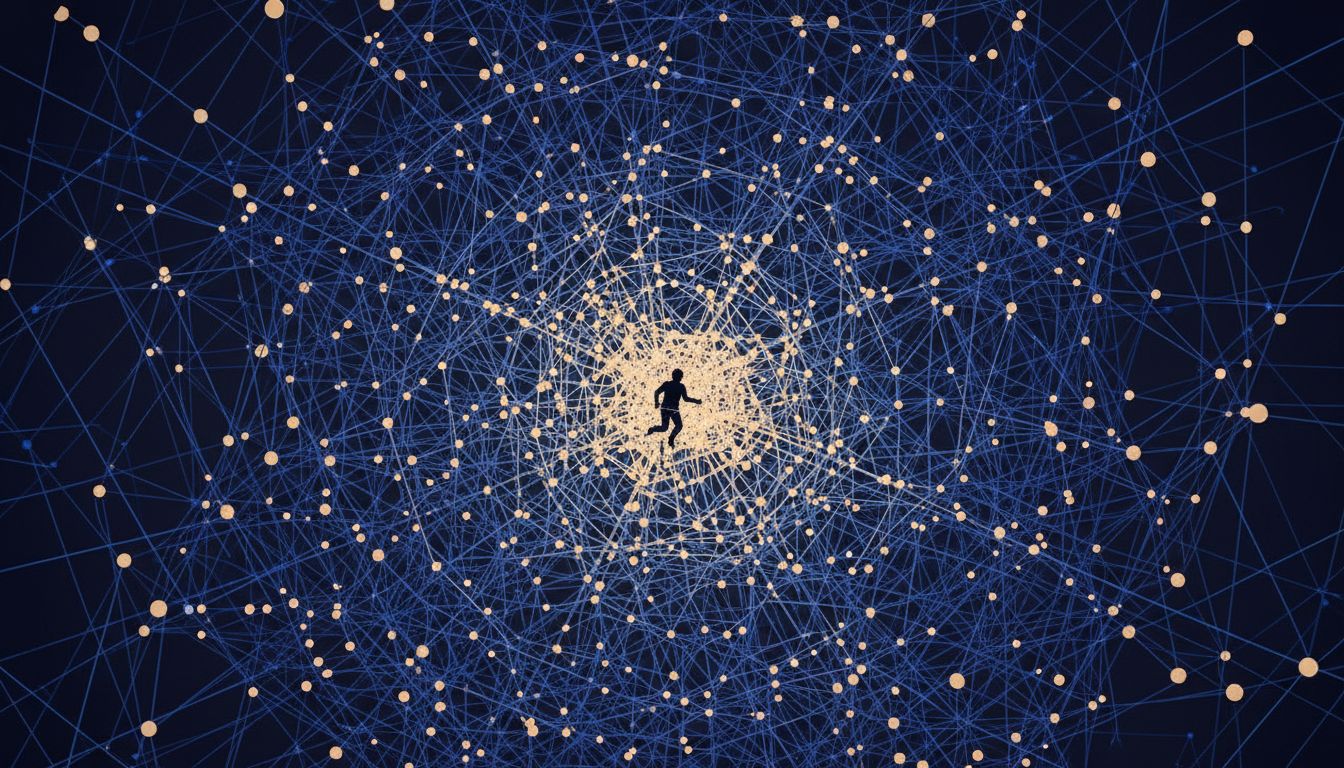

Most people respond to feeling overwhelmed by adding another productivity app. A new task manager, a second calendar layer, a note-taking system that promises to change how you think. This is the instinct that digital minimalism directly contradicts, and it turns out the instinct is almost always wrong.
Digital minimalism, popularized by Cal Newport’s 2019 book of the same name, is not a lifestyle aesthetic or a rejection of technology. It is a framework: use technology intentionally, for specific purposes, after weighing the full cost of adoption. That cost isn’t just money or setup time. Every tool you adopt makes a claim on your attention, your context-switching budget, and your cognitive capacity to do the actual work.
The reason high performers gravitate toward this approach isn’t philosophical. It’s practical. When your attention is genuinely scarce, the question of where it goes stops being abstract.
The Attention Tax That Nobody Talks About
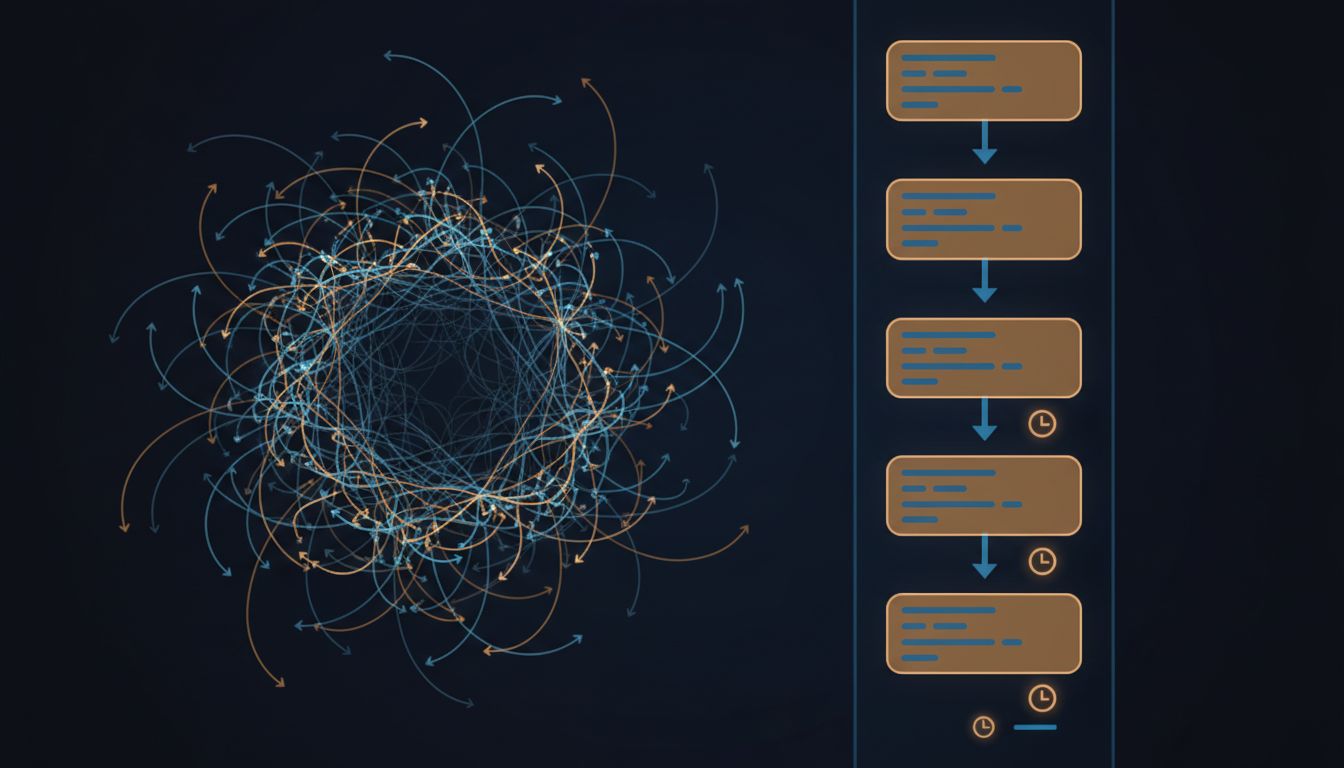
Every notification is not just an interruption. It is a small, involuntary commitment to re-engage with a context you had to deliberately leave. Research from Gloria Mark at UC Irvine found that after an interruption, it takes an average of 23 minutes to return to a task at full concentration. The math on what this costs across a workday is brutal.
But the subtler cost is the ambient anxiety of an overstuffed digital environment. When you have fourteen tabs open, three project management tools sending you pings, and a Slack workspace that treats every channel as urgent, you carry that cognitive load even when you’re not actively responding to any of it. Your brain knows the queue exists.
Top performers tend to understand this viscerally. They treat their attention the way a serious investor treats capital: something finite that compounds when concentrated and dissipates when scattered.
What Digital Minimalists Actually Do Differently
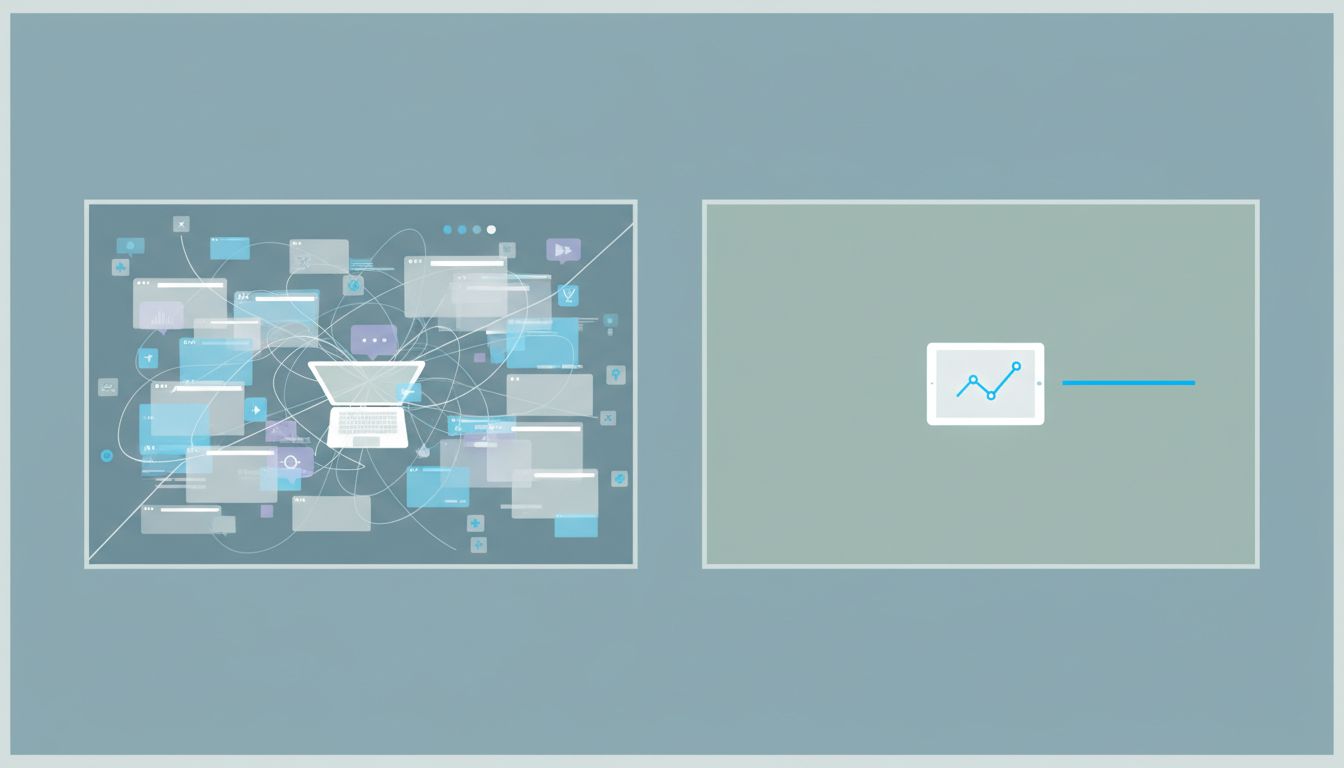
The strategy has three practical components, and you can apply all three without buying anything or reading a book about monastery life.
Audit before you add. Before adopting any new tool, write down the specific problem it solves and whether you already have something that addresses it partially. The bar for adding should be high because the cost of accumulation is real and slow-moving enough that you don’t notice it until the damage is done. Most tool adoption doesn’t survive honest scrutiny. You already have something that does 80% of the job, and the remaining 20% isn’t worth the context overhead.
Design your communication defaults deliberately. The biggest attention drain for most professionals isn’t apps. It’s communication tools with ambient presence expectations. Email, Slack, Teams, and their relatives are built to feel urgent because urgency drives engagement. You have to override those defaults manually. Set specific windows for checking messages. Turn off all notifications except those tied to genuine emergencies (and be honest with yourself about how rare genuine emergencies actually are). This isn’t radical. It’s just choosing when to be interrupted rather than letting tools make that choice.
Protect blocks of uninterrupted time as a structural matter, not a hope. The difference between someone who produces genuinely good work and someone who stays busy is usually just that the first person has consistent access to periods where they aren’t being pulled in six directions. You can’t manufacture insight in five-minute gaps between notifications. Schedule the blocks, communicate that they exist, and don’t negotiate them away casually. The relationship between async-first work and sustained output is well-documented for teams, and the same principle applies to individuals.
The Misconception That’s Costing You
The most common objection to this approach is that being harder to reach makes you less effective in a collaborative environment. This gets the causality exactly backwards. Being hard to reach during protected work blocks makes you more reliably effective when you are available. The people who respond to everything instantly are often the least productive members of high-performance teams, not because of bad intentions but because instant availability is structurally incompatible with sustained concentration.
There’s also a status dimension worth naming. Busyness gets confused with productivity in most organizations. A full calendar, constant responsiveness, and tool proliferation can look like engagement. But output doesn’t care what your calendar looks like. The question is what you actually shipped, built, or moved forward, and that requires time when your brain was operating at full capacity, not fragmented across twenty simultaneous communication threads.
If you find your calendar itself is contributing to this fragmentation, it’s worth examining how reminders and digital scheduling actually affect your attention compared to simpler systems.
How to Start Without Overhauling Your Life
You don’t need a weekend retreat or a complete digital detox to apply this. The entry point is much smaller.
Pick one tool you adopted in the last year and ask whether you’d be meaningfully worse off without it. Be honest. If the answer is no, remove it. One tool. One week. Notice whether anything important breaks. It usually doesn’t.
Next, identify your two or three most valuable types of work, the outputs that actually matter for your goals, and calculate roughly how much uninterrupted time you’re currently giving them per week. For most people, the number is shockingly small. Then block time specifically for those outputs before anything else claims your calendar.
Finally, pick one communication channel and set explicit checking hours instead of leaving it open all day. Start with email if Slack feels too politically charged in your organization. Tell the people who need to know. Watch what happens.
The competition you’re trying to outwork is often operating on the same fragmented attention budget as everyone else. You don’t have to do more. You have to do less, but with the full weight of your concentration behind it. That turns out to be a significant advantage, and it’s available to you starting this week.