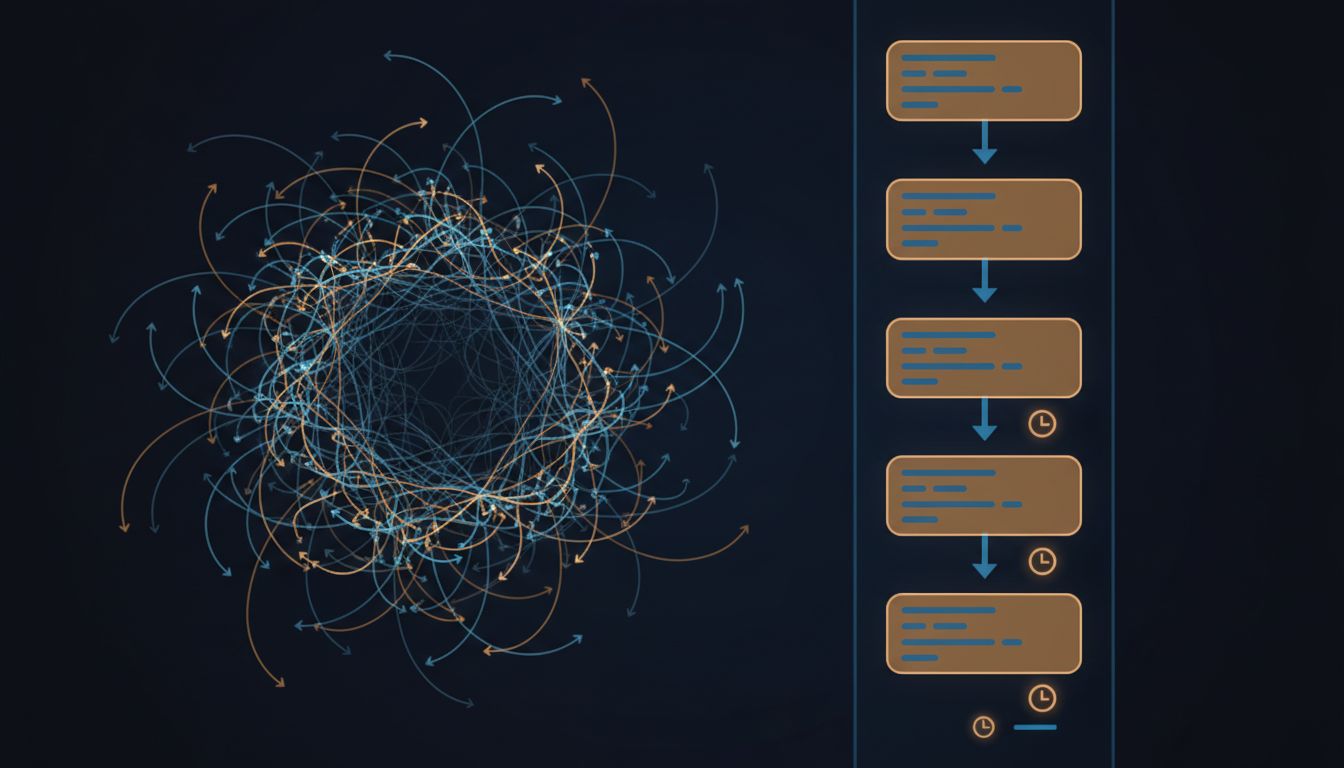
You’ve probably tried app blockers. You’ve set screen time limits, moved social media apps to a back folder, maybe even deleted them entirely before reinstalling them three days later. None of it stuck, and there’s a good reason for that. Willpower-based solutions treat distraction as a discipline problem, when it’s actually a design problem. The top performers who consistently do deep work have figured out a different approach entirely, and it has nothing to do with self-control.
This approach is called the Invisible App Strategy, and once you understand it, you’ll see exactly why your previous attempts kept failing. It connects directly to a broader idea worth exploring: how tech workers accomplish more by deliberately breaking their own workflows. The logic is the same. You’re not fighting your environment. You’re redesigning it.
What the Invisible App Strategy Actually Means
The core insight is simple. Every time you see an app icon, notification badge, or shortcut, your brain processes it as an invitation. It doesn’t matter if you’re in the middle of something important. That little red dot on your email app triggers a micro-decision: should I check this? Even if you decide not to, you’ve already spent cognitive energy on the choice. Multiply that by dozens of interactions a day and you’ve burned through a significant portion of your mental fuel before lunch.
Making apps invisible means removing them from every surface where you might encounter them passively. That includes your home screen, your dock, your taskbar, your browser bookmarks bar, and your notification center. The app still exists on your device. You can still access it. But getting to it now requires deliberate action, not a reflexive tap.
Here’s what this looks like in practice. On your phone, move every non-essential app into a single, unlabeled folder buried on the last screen. On your laptop, remove shortcuts from your dock entirely and access apps only through search. Turn off every notification except phone calls and calendar alerts. The friction you’re adding isn’t meant to stop you permanently. It’s meant to interrupt the automatic behavior long enough for intention to take over.
Why Friction Works Better Than Blocking
Blocking apps creates a confrontational dynamic between you and your own device. You set a limit, you hit the limit, you override the limit. It’s a battle you’re designed to lose because the apps themselves are engineered to win. (If you’ve ever wondered why some of those engagement patterns feel almost irresistible, the deliberate design choices tech companies make around attention reveal a lot about how little of your phone’s behavior is accidental.)
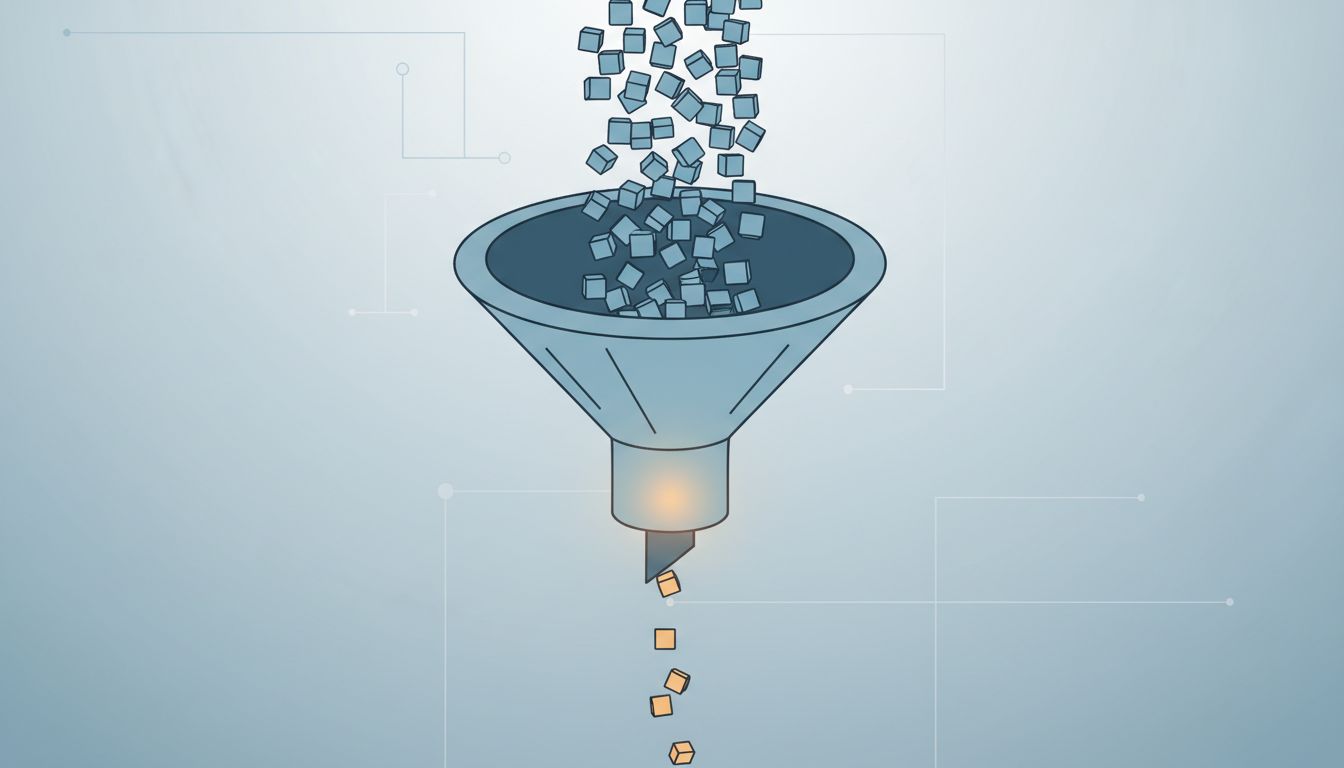
Friction works differently. Instead of blocking a desire, it simply adds steps between you and the thing you’re trying to avoid. Research on habit formation consistently shows that adding even two or three seconds of friction to an unwanted behavior dramatically reduces how often it occurs. Conversely, removing friction from desired behaviors increases them.
This is why top performers don’t just make bad apps invisible. They also make good ones more visible. Your most important work tool should be one click away. Your writing app, your project management dashboard, your code editor, whatever drives your best output should live on your home screen. You’re not just hiding distractions. You’re building an environment where the path of least resistance leads to the thing you actually want to be doing.
The Three-Layer Setup That Makes This Stick
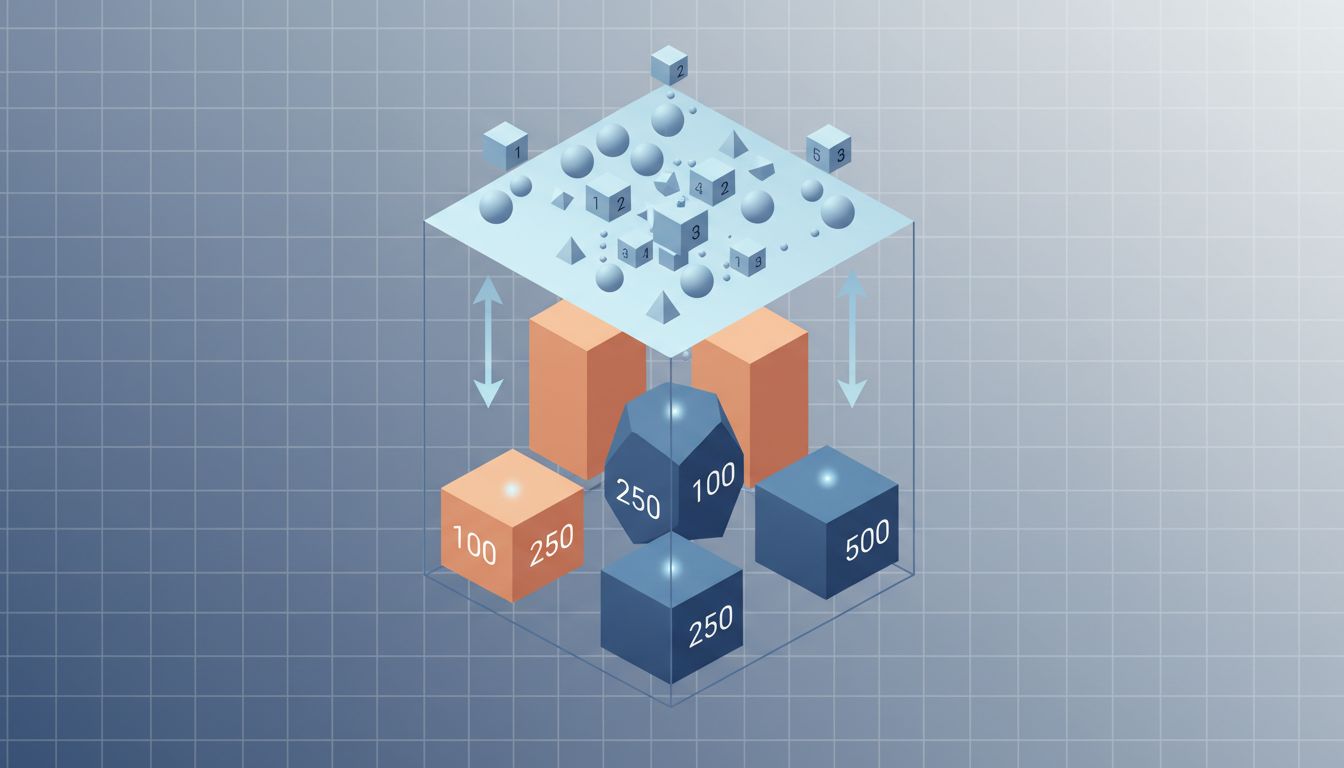
Here’s a practical framework you can implement today. Think of your digital environment in three layers.
Layer one is your prime real estate. This is your phone home screen, your laptop dock, and the browser tabs you open by default. Every spot here should be occupied by something that serves your goals. A task manager, a focus timer, your primary work app. Nothing else earns this space.
Layer two is accessible but not visible. Apps you need sometimes but don’t want to encounter passively. Email, messaging apps, social media if you use it professionally. These live in folders or app libraries, accessible by search but never by impulse.
Layer three is deliberately inconvenient. Anything that’s pulled your attention in ways you regret. These stay on the device but require you to actively seek them out, log in fresh each time, and make a real choice about whether this moment is the right one.
The goal isn’t to make your digital life monastic. It’s to make your digital environment match your actual intentions. Most people’s phones are set up to serve the apps’ goals, not their own.
The Role Your Work Setup Plays
Your phone isn’t the only surface that matters. How you arrange your work environment on a desktop or laptop shapes your attention just as powerfully. There’s a fascinating pattern in how different professionals structure their screens: the way tech workers and CEOs approach monitor setups reveals fundamentally different theories about how focus works. More screen real estate doesn’t automatically mean more productivity. Sometimes it means more surface area for distraction.
Apply the same invisible-app thinking to your desktop. Close every application you’re not actively using. Work in full-screen mode when you can. Keep your browser to one window with one tab open at a time during deep work sessions. These habits feel slightly inconvenient at first, and that’s exactly the point. The inconvenience keeps your attention anchored.
It’s also worth examining whether the tools you rely on most are actually helping you think. Your note-taking app may be subtly undermining the quality of your best ideas in ways that aren’t obvious until you step back and audit what you’re actually capturing versus what you’re just hoarding.
Making It a System, Not a One-Time Fix
The Invisible App Strategy works best when you treat it as a living system rather than a one-time setup. Schedule a monthly audit of your home screen and notification settings. Ask yourself which apps earned their visibility this month and which ones showed up uninvited.
You’ll also want to protect the setup you build. It’s easy to let things creep back. A new app gets downloaded and lands on the home screen by default. A notification permission gets granted during a rushed install. Over time, your carefully designed environment erodes back toward chaos.
The most effective performers aren’t the ones with the most willpower. They’re the ones who’ve built environments where good decisions are the easy ones. Making your most distracting apps invisible is one of the highest-leverage changes you can make to your digital life, and you can start in the next ten minutes. Go look at your home screen right now. How many of those icons are actually serving you?