
You probably have between 15 and 40 browser tabs open right now. Some of them have been sitting there for weeks, half-read articles and half-filled forms, quietly draining your working memory like a background process you forgot to kill. The people who consistently produce the best technical work, the engineers who ship clean code, the founders who make decisive pivots, the writers who finish things, tend to operate with a radically different setup. They use something practitioners are calling the Single-Tab Rule, and the reason it works has less to do with willpower than with how your brain actually allocates attention.
This isn’t productivity theater. It’s closer to what multitasking apps were secretly designed to do all along, which is route your focus toward a single execution path, even when the interface makes it feel like you’re juggling many.
What the Single-Tab Rule Actually Is
The Single-Tab Rule is deceptively simple: you keep only one browser tab open at a time during any focused work session. Not one tab per project. One tab, total. If you need to look something up, you open it, use it, and close it before returning to your primary context.
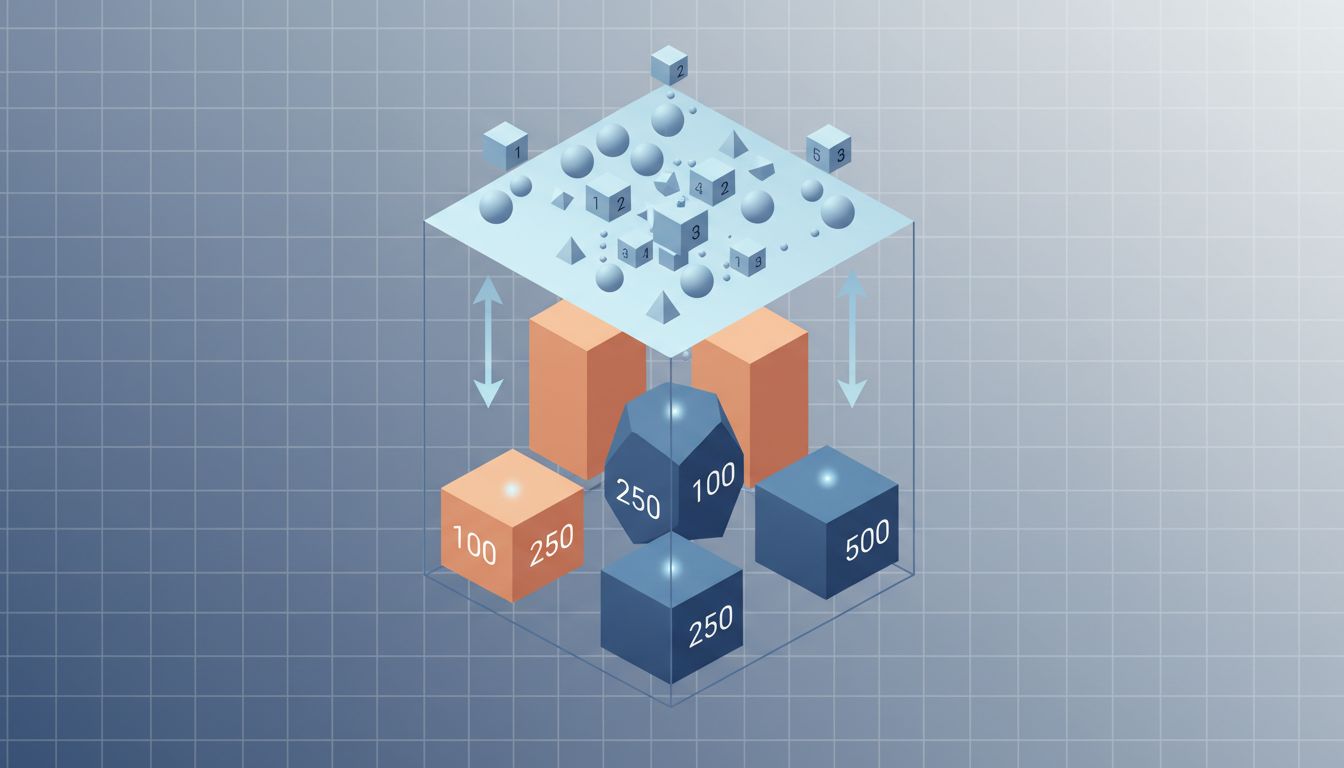
The key word there is “context.” In software, context switching refers to the overhead a CPU incurs when it stops executing one process and loads the state of another. The processor has to save registers, flush caches, and reload a completely different execution environment. It’s expensive. Human brains have an almost identical mechanism. Every time you glance at an open tab, even passively, your prefrontal cortex partially loads that context. It doesn’t fully commit, but it doesn’t fully release either. You end up running a dozen half-loaded processes simultaneously, and your throughput collapses.
Researchers at the University of California, Irvine found that it takes an average of 23 minutes to return to a task after a significant interruption. Browser tabs are low-grade but continuous interruptions. They don’t break your focus all at once. They bleed it slowly.
Why This Works at the Architecture Level
Think about how senior engineers approach a codebase. The best ones don’t just write less code, they actively delete more than they add because they understand that every line in the system has a maintenance cost. Tabs work the same way. Each open tab is a dependency. It’s something your attention has to account for, even when you’re not looking at it.
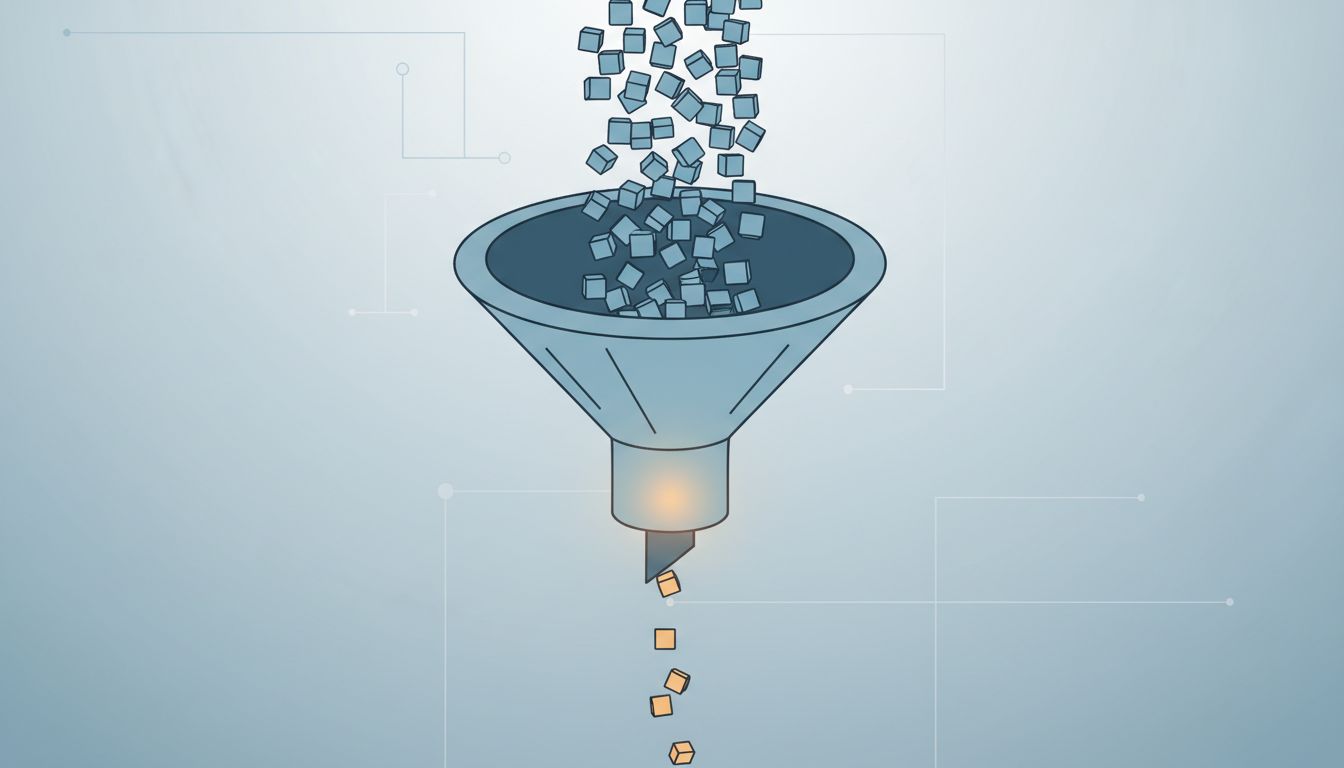
The Single-Tab Rule is, in that sense, a form of cognitive garbage collection. You’re explicitly deallocating memory you don’t need right now. The constraint forces you to make a decision at the moment you open a link: is this actually relevant to what I’m doing right now? If the answer is no, you don’t open it. You bookmark it, drop it in a read-later queue, or accept that you’ll search for it again when it matters. That friction is the point.
This is structurally similar to lazy loading, a technique where a program only fetches data when it’s actually needed rather than preloading everything upfront. Elite programmers use this pattern constantly to get more done because it reduces initialization overhead and keeps the execution environment lean. The Single-Tab Rule applies the same logic to your attention: don’t load it until you need it.
How Top Performers Actually Implement It
The rule sounds extreme until you understand the supporting systems people build around it. The Single-Tab Rule doesn’t mean you never have reference material. It means you’re intentional about when it enters your working context.
Here’s what a typical implementation looks like in practice:
Before a focused session, you define your one active task and open exactly the tab that serves it. Everything else, research links, articles to read, things you’re monitoring, goes into a separate bucket. Many practitioners use a dedicated browser profile for deep work with no bookmarks bar visible and no pinned tabs. Some use browser extensions that literally enforce a tab limit, enforcing the constraint at the system level rather than relying on willpower.
The inbox for future tabs is usually something lightweight. A plain text file, a scratchpad in Notion, even a physical notepad. When a thought arises mid-session like “I should check that documentation” or “I need to look at that article later,” you write it down and keep moving. This is the externalization trick: you’re not suppressing the thought, you’re offloading it to a trusted system so your working memory can release it.
The interesting thing is that most people find the notepad fills up quickly at first, then tapers off. The act of writing “check X later” makes you realize, in many cases, that X wasn’t actually important. The friction reveals the signal-to-noise ratio in your own curiosity.
The Hidden Connection to Decision Quality
There’s a secondary effect that practitioners report which doesn’t show up in the productivity literature as often: better decisions.
When your browser is a chaos of open tabs, you’re constantly exposed to partial information. Half-read threads, incomplete search results, articles you’ve skimmed but not processed. This creates a kind of epistemic noise. You feel informed because you’ve seen a lot, but your model of the situation is actually fragmented.
Focused reading, one source fully processed before moving to the next, produces a very different cognitive output. You start noticing contradictions. You form actual opinions instead of floating impressions. This matters enormously for technical decision-making, where the temptation is always to open more tabs in search of certainty that never fully arrives.
Successful founders deal with a version of this constantly. The ones who make clean decisions tend to practice what some call strategic ignorance, a deliberate choice to stop consuming information at a certain point and act on what they know. The Single-Tab Rule is a daily implementation of that same principle.
Starting Without Burning Everything Down
You don’t have to cold-turkey your current setup. The onramp that works best for most people starts with time-boxing. Pick a two-hour block, close all tabs except one, and run the experiment. Don’t migrate your entire workflow on day one. Just observe what happens to your output quality during that window.
The other thing worth noting is that this isn’t really about browser tabs in isolation. It’s about understanding that your environment is a form of code. It runs instructions on your attention whether you’ve reviewed those instructions or not. The Single-Tab Rule is just one refactor in a larger effort to make sure the system you’re operating inside of is actually serving the work you’re trying to do.
The engineers and founders who do their best thinking tend to share one trait: they treat their cognitive environment with the same rigor they’d apply to a production system. They audit dependencies, remove dead weight, and keep the execution context as clean as possible. One tab at a time is a surprisingly good place to start.