
You already know what your most important work is. The project that would genuinely move things forward, the writing that requires sustained thought, the architecture decision that needs real concentration. You know. And yet, when Friday arrives, it’s still on next week’s list.
This isn’t a time management failure. It’s a predictable consequence of how most people set up their workdays. The good news is that each cause has a fix you can apply immediately.
1. Urgency Is Loud. Importance Is Quiet.
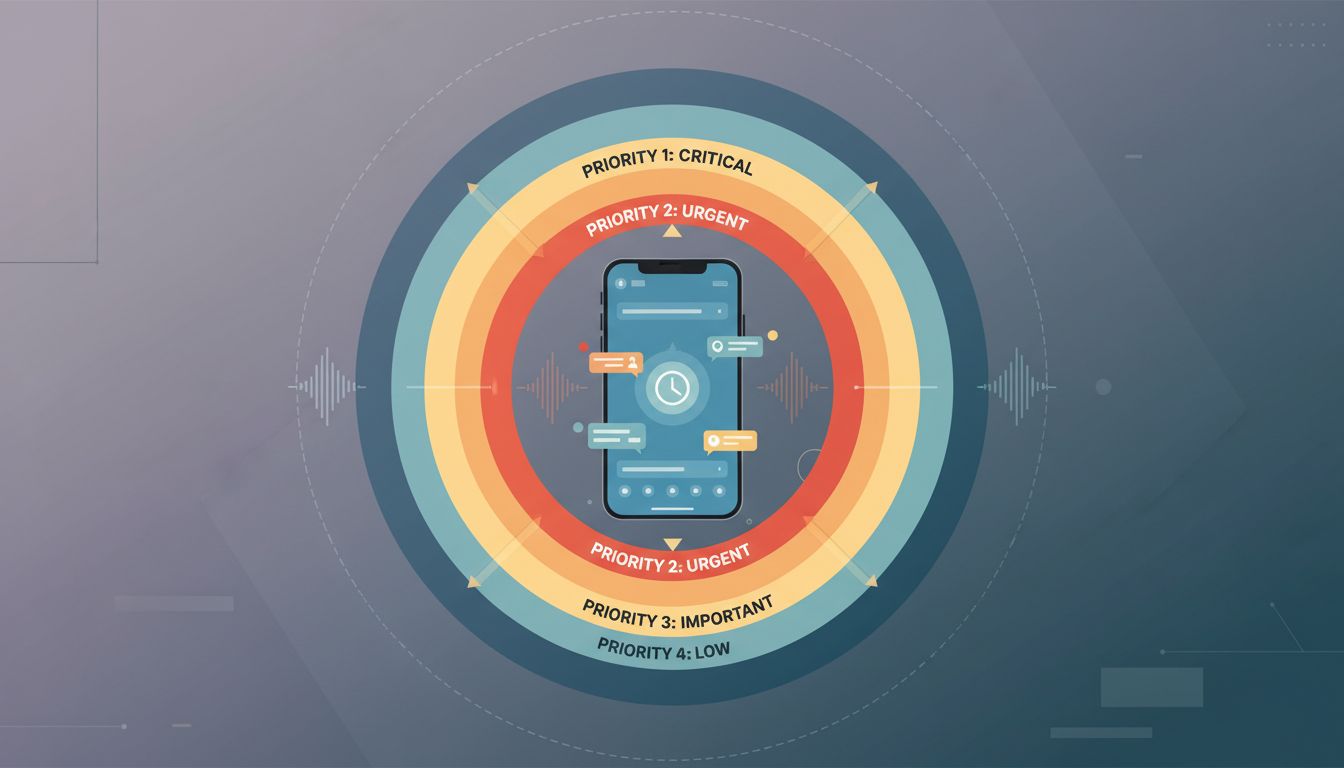
The human brain responds to urgency cues almost automatically. A notification badge, a calendar alert, someone standing in your doorway: these things trigger a response before you’ve consciously decided to act. Important work doesn’t ping you. It just sits there, silently generating regret.
The fix is to treat your most important work like an appointment with someone who will be genuinely disappointed if you cancel. Block the time, name the block specifically (“Draft Q3 architecture proposal” not “Deep work”), and protect it with the same social obligation you’d feel toward an external meeting. When something urgent tries to colonize that slot, you have to explicitly decide to reschedule your important work, rather than just letting it slide by default.
2. You’re Optimizing for Inbox Zero Instead of Output
Email and Slack offer a compelling illusion: you can make visible progress through them in minutes. Reply to three messages, and you’ve demonstrably accomplished something. Important work rarely offers that feedback loop. You might spend ninety minutes on a hard problem and have nothing to show except a clearer mental model.
The trap is that communication tools expand to fill whatever time you give them. If you start your day in your inbox, you’re essentially letting other people’s priorities set your agenda. A better structure: protect the first ninety minutes of your day for your most cognitively demanding work, before you open any communication channel. This sounds obvious. Almost nobody does it consistently. What actually happens to your brain when you switch tasks should make you feel worse about that morning Slack scroll than you currently do.
3. You’re Mistaking Scheduling for Deciding
Putting something on your calendar feels like a commitment, but it’s actually just a statement of intention. The real decision happens in the moment when that block arrives and you have to choose between starting the hard thing or dealing with the seventeen smaller things that accumulated since you scheduled it.
The fix here is pre-deciding. Before you close your laptop each day, write down exactly what you’ll work on first tomorrow, and what “done” looks like for that session. Not “work on proposal” but “finish the data model section and have a first draft of the tradeoffs paragraph.” Specificity closes the gap between scheduling and deciding because it removes the micro-decision cost when the time arrives.
4. Your Task List Is Organized Around Completion, Not Value
Most to-do systems reward you for checking things off. The psychological pull toward completable tasks means that “respond to Marcus’s question” will almost always beat “think through whether this product direction is right” in the competition for your attention. The first one ends. The second one evolves.
A task list organized purely by urgency or ease will consistently front-load low-value work. Try organizing your list by separating tasks into two columns: things that would survive if you didn’t do them today, and things that only you can do and that create future leverage. The second column is shorter than you expect. Everything in it deserves protected time before anything in the first column gets your attention.
5. You’re Using “Getting Organized” as Productive Procrastination
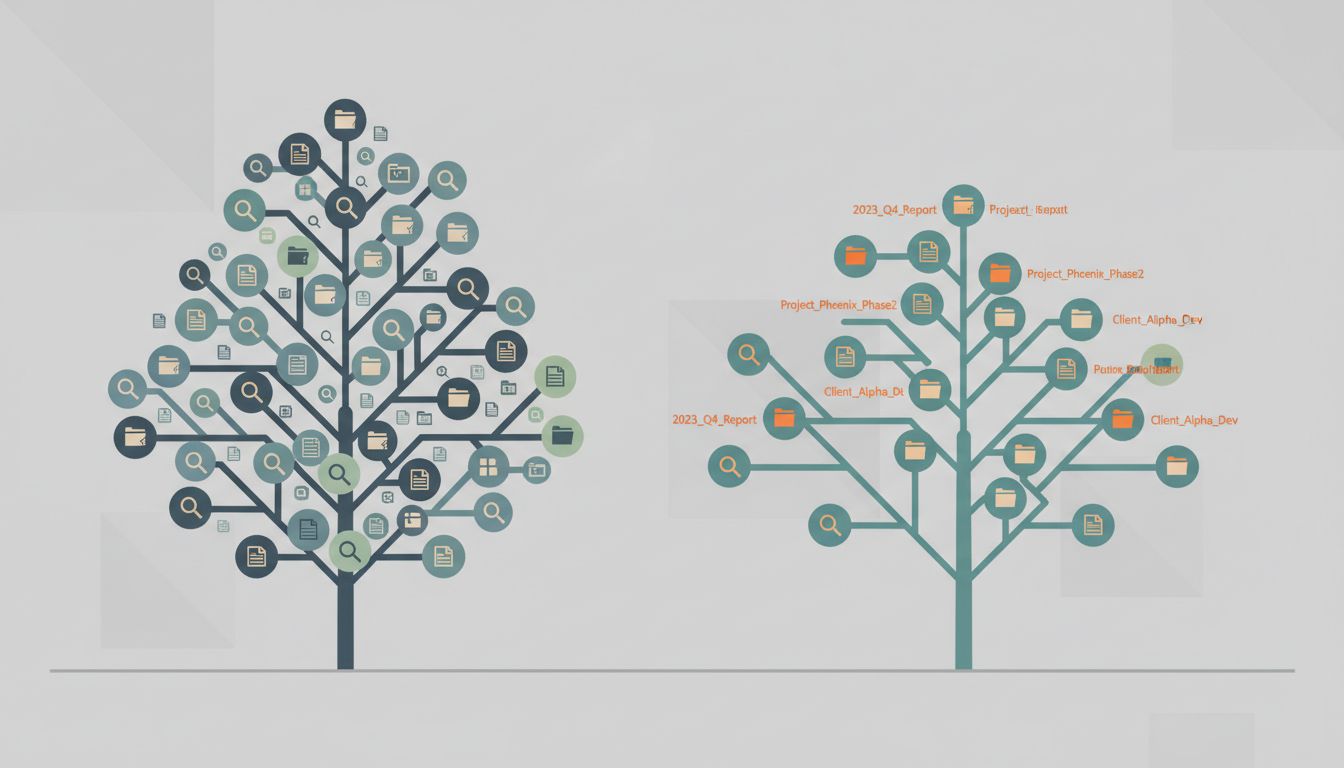
Reorganizing your project folders, updating your task manager, reviewing your goals document: all of these feel productive because they’re related to the work. But they’re a step removed from the work itself, which is exactly what makes them so appealing when the actual work is hard or uncertain.
If you notice you’re spending more time managing the system for doing your important work than doing it, that’s a signal. Set a rule: no system maintenance during hours you’ve designated for important work. Reorganize your notes at 4pm when your energy for deep thinking has dropped anyway. Protect your best hours for the work that actually requires them.
6. You Haven’t Made the Cost of Delay Visible
When you push an urgent but low-value task to tomorrow, the cost is obvious and immediate. When you push your most important work to tomorrow, the cost is diffuse and delayed. This asymmetry is a bug in how we evaluate tradeoffs, and it means that deferring important work almost never feels as painful as it should in the moment.
The practical solution is to write down, once, what it actually costs you to delay your most important project by one week. Not abstractly, but concretely: what decisions stay unmade, what opportunities close, what technical debt accumulates, what team members stay unblocked. Read that note before your week starts. The goal isn’t guilt; it’s making the real cost legible at the moment when you’re deciding whether to protect that time.
7. Your Environment Is Optimized for Availability, Not Concentration
If your default state is reachable by anyone at any time, your important work will always be competing against everyone else’s immediate needs. Notifications are the most direct form of this, but the problem runs deeper: open office arrangements, Slack cultures that expect fast responses, and calendar setups that let colleagues book time without asking all create an environment where sustained focus is structurally impossible.
You probably have more control over this than you’re using. Your notification setup is likely working against you in ways that go beyond the obvious. Beyond notifications, set explicit response-time expectations with your team: you’ll reply to non-urgent messages within a few hours, and anything actually urgent has a different channel. Most people will respect this immediately. The ones who don’t are telling you something important about how they think about your time.
The pattern across all seven of these is the same: important work loses not because you don’t value it, but because every default in your system is pointed away from it. Change the defaults, and you change the outcomes.