
Most people assume the last-minute burst of productivity is about pressure. You’re scared of consequences, so you work faster. That explanation is satisfying and almost completely wrong.
What’s actually happening in those final 20 minutes is something more interesting, and far more useful once you understand it.
The Real Problem With Open Time
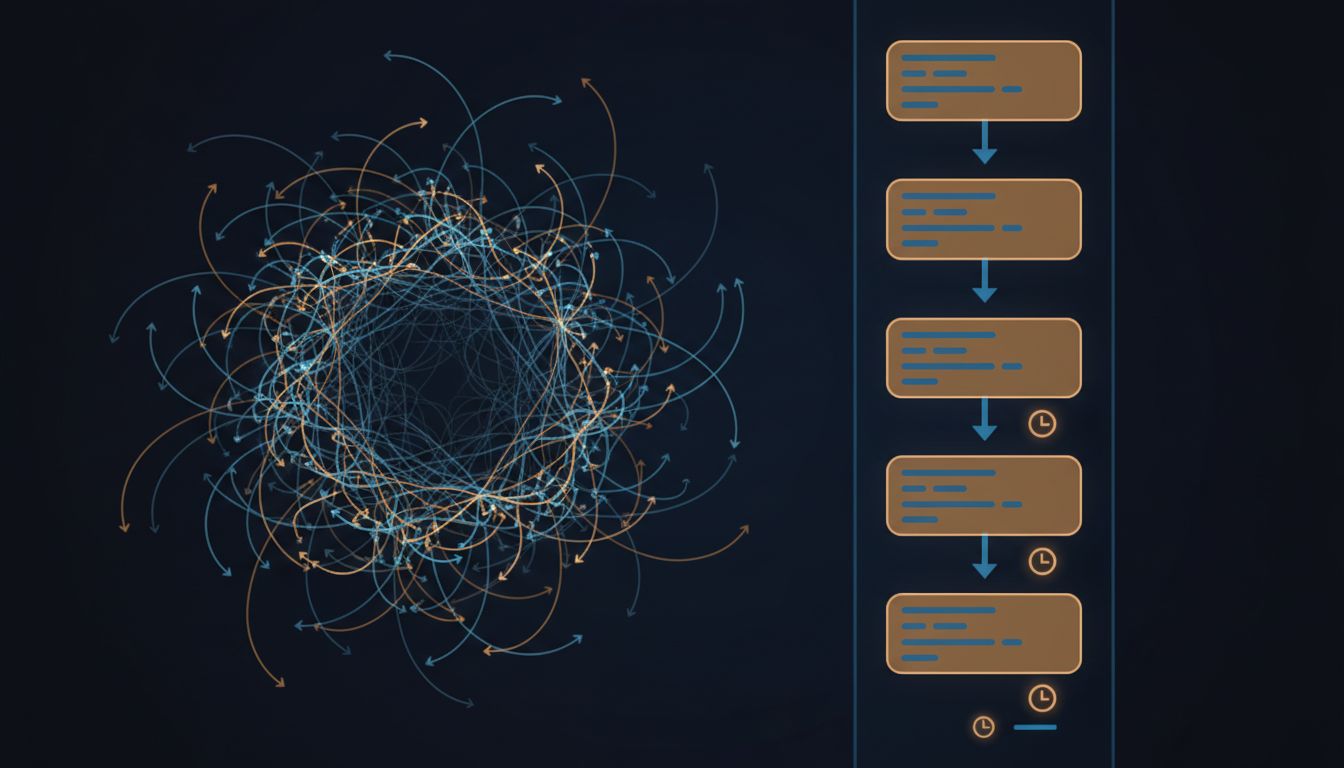
When you have six hours to complete something, your brain treats the task as a negotiation. Every sentence you write, every decision you make, gets reviewed by a background process asking: Could this be better? Should I rethink the structure? What am I missing? This isn’t perfectionism exactly. It’s your prefrontal cortex doing exactly what it’s supposed to do when resources feel abundant.
Open-ended time feels like opportunity, but it functions more like a trap. The task expands not because you’re lazy but because your brain is continuously reopening decisions you’ve already made. You’ll rewrite a paragraph you finished an hour ago. You’ll question whether the whole approach is wrong. Psychologists who study self-regulation call this “goal revision,” and while it’s sometimes useful, it’s the primary reason a task that should take two hours consumes eight.
The final 20 minutes closes the negotiation. There’s no time to reopen it.
Parkinson’s Law Is Descriptive, Not Prescriptive
Cyril Northcote Parkinson observed in a 1955 essay in The Economist that work expands to fill the time available for its completion. Most people treat this as a clever observation about bureaucracy. It’s actually a precise description of how cognitive load works.
The expansion isn’t random. It clusters around decisions. Specifically, it clusters around decisions you feel uncertain about, because uncertainty in an open time window invites more deliberation. The same uncertainty in a closing time window forces a choice. Those are not equivalent cognitive experiences, and they don’t produce equivalent output.
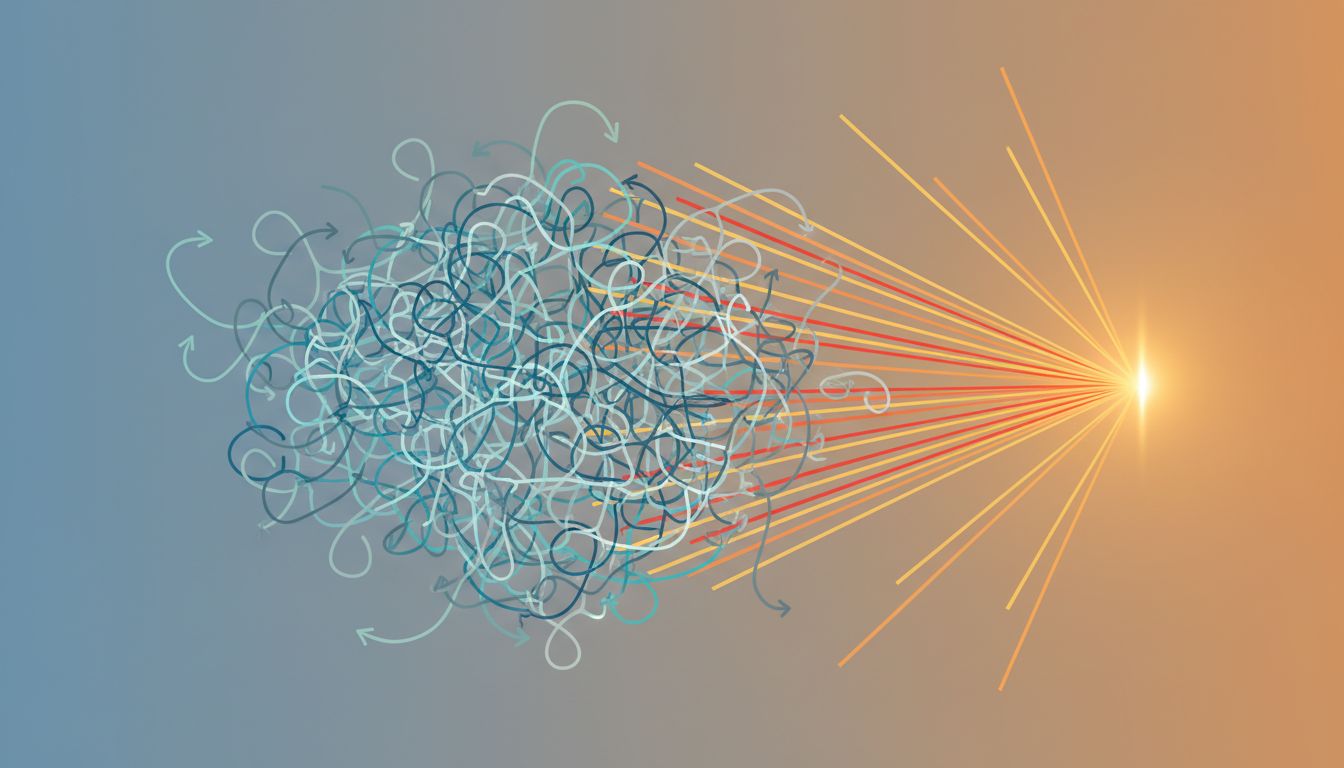
Here’s what most productivity advice gets wrong about this: it focuses on the stress response. Yes, cortisol and norepinephrine rise under deadline pressure. Yes, that can improve focus in some circumstances. But people who do their best work under deadline pressure aren’t performing well because they’re stressed. They’re performing well because the deadline has finally made one particular thing true: the cost of reconsidering any decision is now higher than the cost of living with it.
That’s the mechanism. Not adrenaline. Permission to commit.
Why Commitment Is the Productive State, Not Flow
“Flow” gets a lot of credit in productivity writing. Mihaly Csikszentmihalyi’s research on the flow state is real and valuable, but flow is not what’s happening in your deadline sprint. Flow requires a specific balance of challenge and skill, and it tends to emerge during execution of tasks you already understand well.
The last-20-minutes effect is different. It shows up even on novel tasks, even on creative work you’ve never done before. What’s happening is closer to what decision researchers call “commitment escalation prevention” running in reverse. Normally, humans are biased toward not committing, because commitment forecloses options and our brains are option-preservation machines.
A hard deadline overrides that bias. It doesn’t make you smarter or more creative. It makes you willing to stop improving and start finishing. Those are not the same thing, and only one of them actually produces output.
This is related to a broader truth about knowledge work: deadlines don’t make you productive, they make decisions for you. The decision the deadline makes for you is “this is good enough to ship,” and that’s often the only decision that was actually blocking you.
The Constraint Is Doing the Work
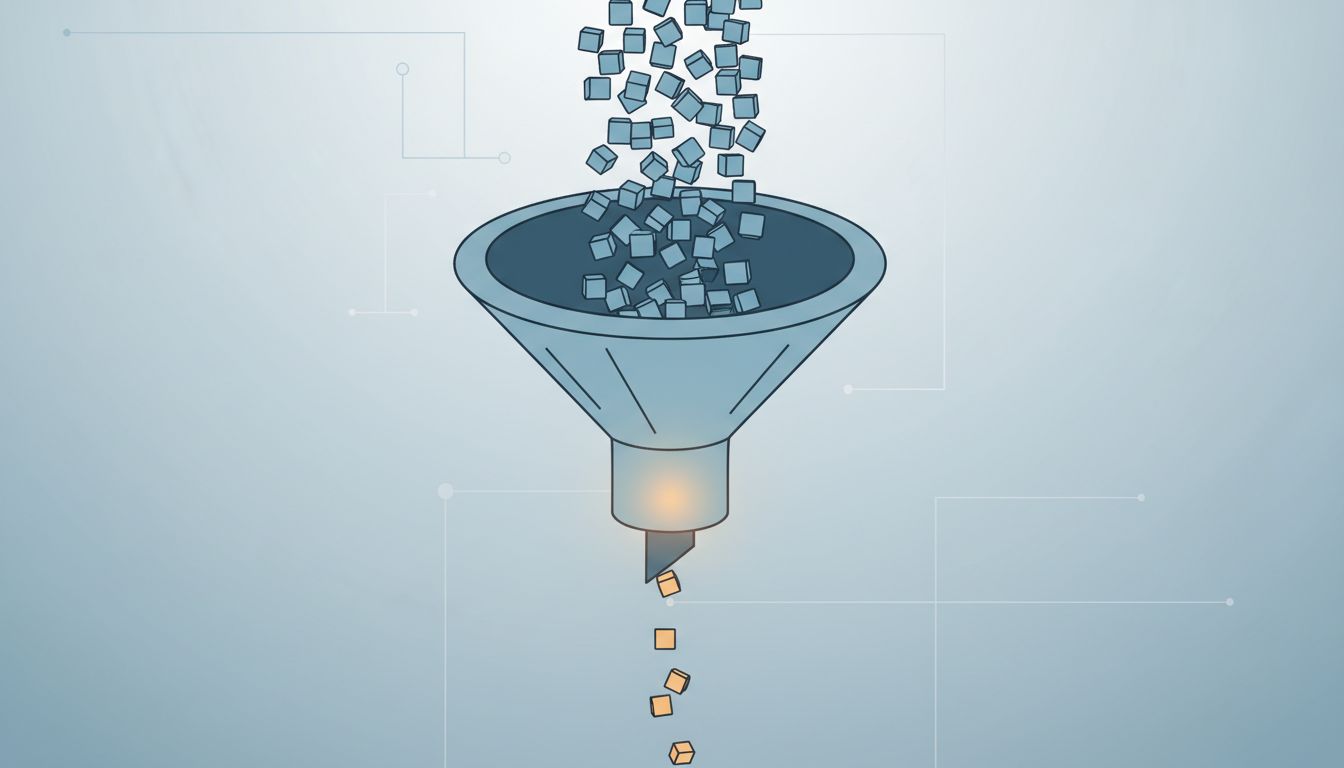
When time is scarce, you stop optimizing and start filtering. You don’t ask “what’s the best way to open this section?” You ask “what’s a way that works?” Those questions have very different solution sets, and the second one is almost always answerable in seconds.
Constraints, it turns out, are cognitive tools. They don’t just motivate, they restructure the problem. A blank page with no deadline is infinite in its possibilities. A blank page with 18 minutes left has maybe four or five viable openings, and you can evaluate all of them quickly. The constraint hasn’t made you less creative. It’s made you more decisive, which is the thing that was actually missing.
This is why startups with constrained resources often out-execute well-funded competitors. The constraint forces a decision-making posture that abundance actively discourages. It’s the same cognitive dynamic at the organizational level.
How to Manufacture This State Without Waiting for a Real Deadline
If the productive state is really about commitment and constraint rather than fear, you can engineer it deliberately. Here’s a framework that works:
1. Set a believable short deadline, then make it public. The deadline has to feel real. A fake deadline you know you set yourself has limited power, because your brain knows the cost of missing it is zero. Tell a colleague you’ll send a draft by 2pm. Now the cost of missing it is social, which is real enough to matter.
2. Remove the escape routes. Close your email. Set your phone to Do Not Disturb. The reason these distractions destroy flow isn’t that they steal 30 seconds; it’s that every interruption is an invitation to reopen a closed decision. You were committed to paragraph three, then someone pinged you, and now paragraph three is under review again. The work cost isn’t the interruption. It’s the recommitment.
3. Use the “ship it broken” timer. Set a timer for the amount of time you’re willing to spend, then work as if the document auto-sends when it expires. You’re not actually going to send a broken draft. But working as if you will changes how your brain evaluates “good enough.”
4. Pre-decide the scope. The last-20-minutes effect is partly so powerful because scope is no longer negotiable. Before you start any block of work, write down exactly what “done” means for this session. Not for the project. For this session. “Done” means the introduction is written, the second section has a complete argument, and I have a working headline. Now your brain has the same clarity it gets at a real deadline, available from the first minute.
5. Do a hard stop, not a wind-down. Stop at your set time even if you feel like you’re in a good groove. This is counterintuitive, but it serves two purposes: it trains your brain to take artificial deadlines seriously, and it uses the Zeigarnik effect (the psychological tendency to remember and return to uncompleted tasks) to make your next session easier to start.
What This Looks Like in Practice
A writer I know structures her mornings around three 45-minute sprints, each with a pre-declared output. Not “write for 45 minutes” but “produce a complete rough draft of section two.” She doesn’t edit during the sprint. She doesn’t revisit section one. When the timer ends, she stops, notes where she is, and takes a 15-minute break before the next sprint.
The output isn’t always polished. It’s not supposed to be. It’s supposed to exist, which is the prerequisite for polishing. She told me the single biggest change wasn’t the time blocks, it was pre-declaring the specific output. “Once I knew exactly what done looked like, I stopped negotiating with myself about it.”
That’s the deadline effect, manufactured deliberately.
What This Means
The last-20-minutes effect is real, but it’s not about pressure or fear. It’s about commitment. Your brain does its best work when it stops reopening decisions it’s already made, and a real deadline forces that to happen. You can get most of the same benefit by engineering the same conditions: make the deadline socially real, pre-define what “done” means, eliminate the escape routes that invite renegotiation, and stop working when your time expires.
The goal isn’t to simulate panic. It’s to simulate the one thing panic accidentally produces: the firm conviction that the decision in front of you is the last time you’ll make it. That conviction is available any time you choose to manufacture it. You don’t need to wait for a deadline to find out what your best work looks like.