
The Gap Between the Plan and the Day
Open your calendar from two weeks ago. Pick any day that looked manageable in the morning. Now think about what actually happened.
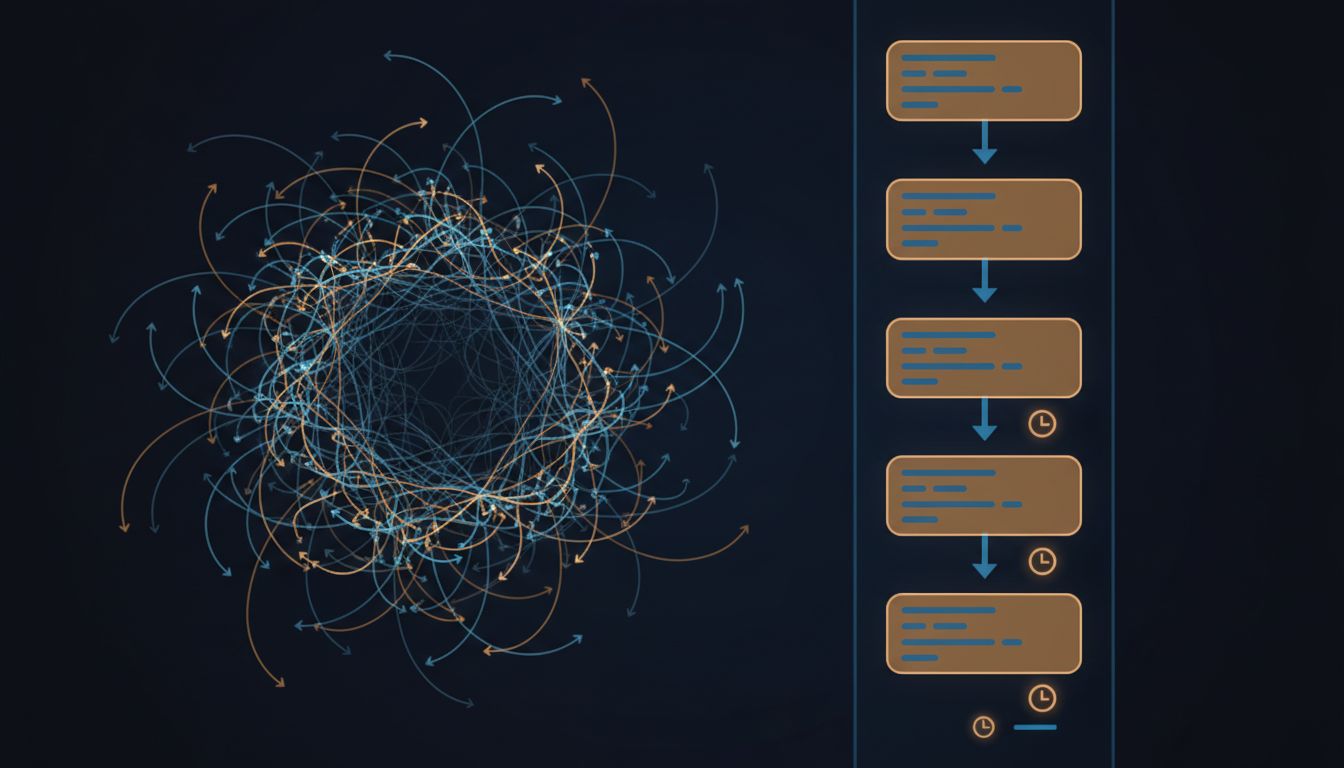
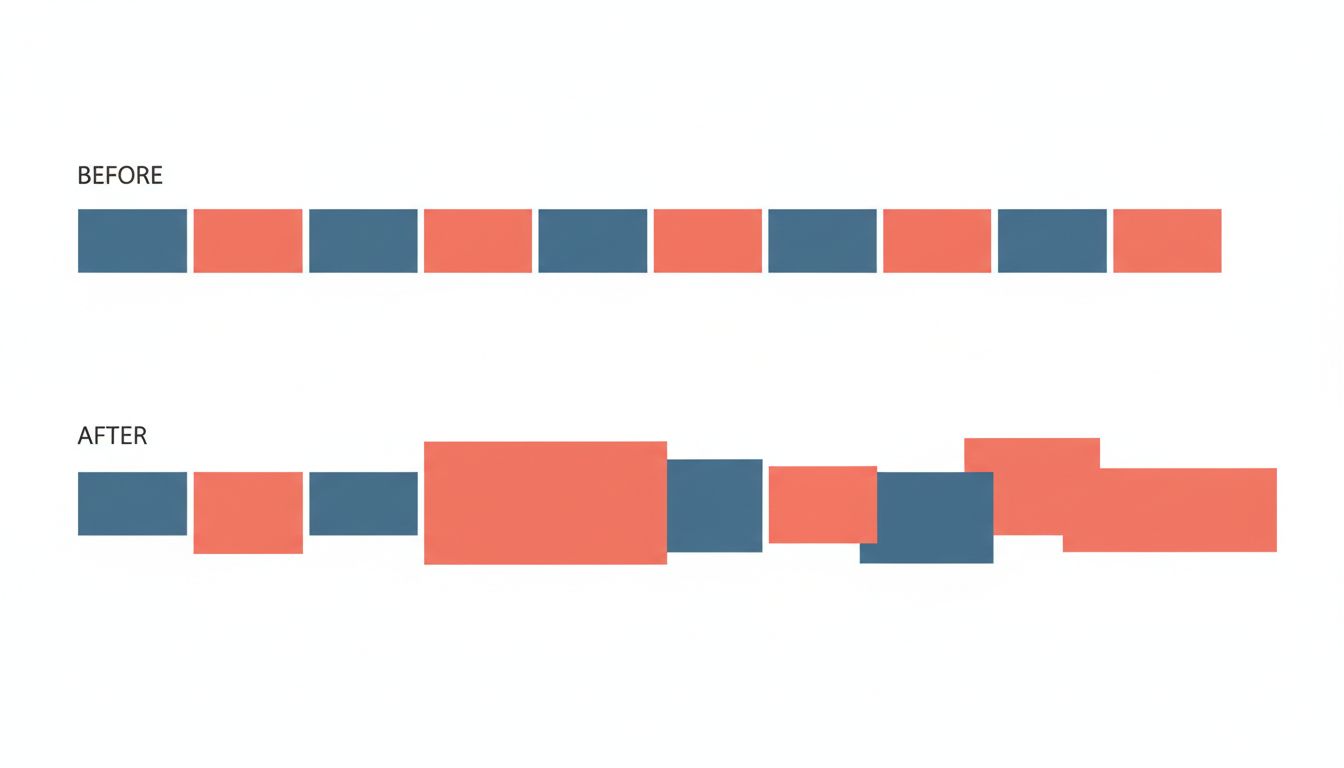
If your experience matches most knowledge workers, there’s a significant gap between what you planned and what you did. Not because you were lazy or distracted, but because nearly every task took longer than you estimated. The meeting that was scheduled for an hour bled into ninety minutes. The “quick” code review turned into a refactor conversation. The email you thought you’d knock out in ten minutes required you to pull three documents and write four drafts.
This isn’t a personal failing. It’s a well-documented cognitive pattern called the planning fallacy, and once you understand its mechanics, you can start building calendars that actually reflect reality.
What the Planning Fallacy Actually Is
Psychologists Daniel Kahneman and Amos Tversky identified the planning fallacy in 1979. The core insight: people consistently underestimate how long tasks will take, how much they will cost, and how many things can go wrong, even when they have direct experience with similar tasks going badly in the past.
The crucial word there is “even.” You’ve been in this situation before. You know, at some level, that your projects tend to run long. And yet you plan as though this time will be different. Kahneman later described this as the difference between the “inside view” and the “outside view.” When you plan, you naturally focus on the specific task in front of you, imagining the best-case sequence of events. You’re not thinking about base rates, about how long this category of task typically takes people, or about the interruptions and dependencies that will inevitably arrive.
The outside view forces you to ask: how long do tasks like this actually take, in practice, for people like me? That question is deeply uncomfortable because the answer is almost always “longer than you want.”
Why Calendars Make This Worse
Calendar software is not a neutral tool. It has opinions built into its design, and those opinions compound the planning fallacy in specific ways.
Most calendar applications default to 30-minute or 60-minute time slots. This is a display convenience, not a reflection of how work actually flows. When you create an event, the interface nudges you toward these round numbers, and round numbers feel official. A 30-minute block looks just as authoritative as a two-hour block. The calendar doesn’t know the difference, and after a while, neither do you.
Calendars also show you only your own commitments. They don’t account for the four Slack messages waiting when you open your laptop, the fact that your collaborator hasn’t sent the file you need to start that task, or the fifteen minutes of context-switching cost every time you transition between different kinds of work. Researchers studying interruptions in the workplace have found that it can take well over twenty minutes to return to a task after a significant interruption. Your calendar shows a 45-minute block. It doesn’t show the interruptions that will arrive during it.
There’s also a social pressure baked in. When you propose a meeting, a shorter block signals confidence and efficiency. Nobody wants to be the person who schedules a two-hour meeting when everyone else is doing standups. So you compress, and then everyone runs over, and then the next meeting starts late, and the cascade begins.
The Three-Layer Estimation Method
Here’s a practical framework for building more accurate time estimates. It takes a bit of upfront thinking, but it will save you from the 4pm realization that you’ve scheduled yourself into an impossible day.
Layer one: task estimate. Start with your honest gut estimate for how long the core work will take. Not the optimistic estimate, not the answer you’d give your manager if they asked how long something takes. Your real estimate, knowing yourself.
Layer two: dependency tax. Every task has hidden waiting time. You need someone to respond. You need a tool to load. You need to find the right version of a document. Add 20 to 30 percent to your task estimate to account for this. If the task involves other people, add more.
Layer three: transition buffer. Between any two focused work blocks, you need transition time. Not a formal break necessarily, just the minutes required to close what you were doing, orient yourself to what’s next, and actually begin. Budget ten minutes minimum between focused blocks, more if you’re switching cognitive contexts entirely (from creative work to analytical work, for example).
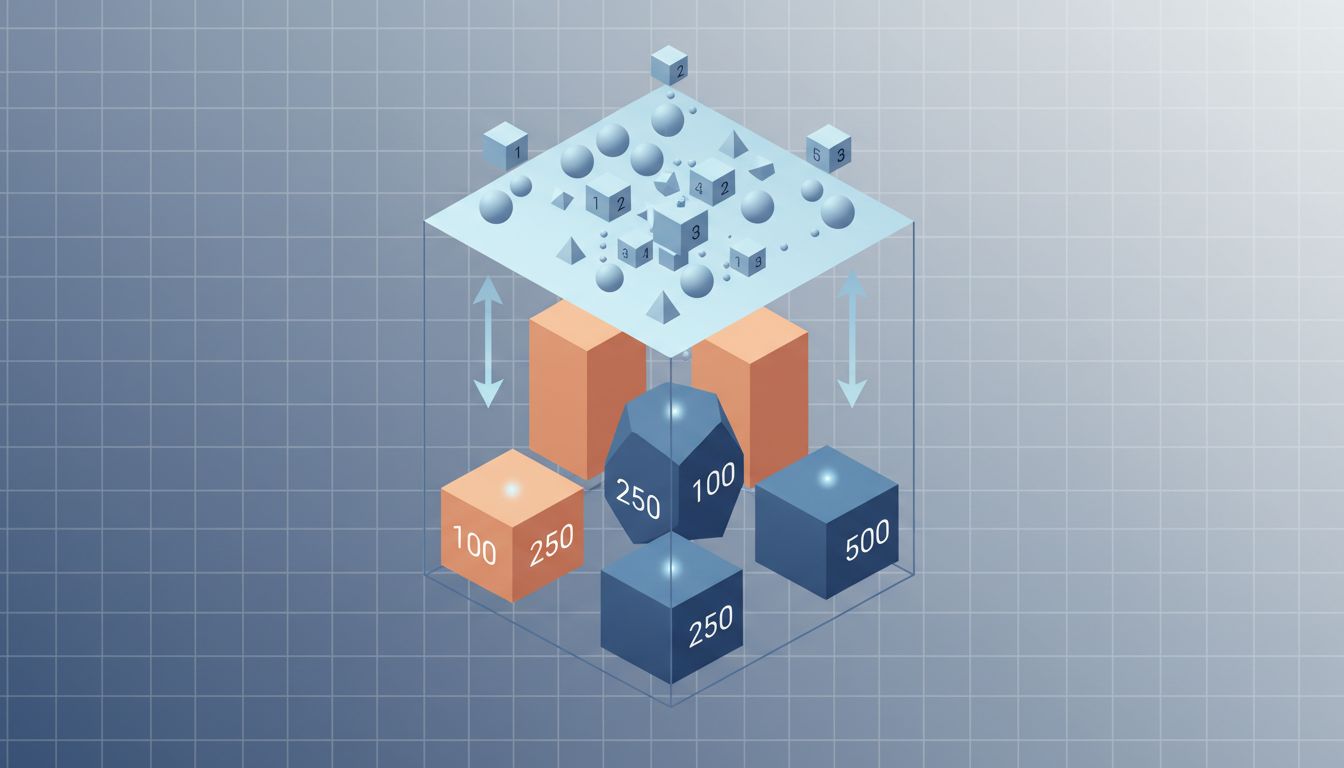
When you add these three layers, your 30-minute “quick task” often becomes a 50-minute realistic block. That’s useful information. It tells you that you can’t fit six of those into a day alongside three meetings.
The Reference Class You’re Not Using
One of the most powerful calibration tools available to you is your own history, and almost nobody uses it.
For one week, track three numbers for every significant task: how long you estimated it would take, how long it actually took, and what caused any discrepancy. You don’t need sophisticated software for this. A notes app or a plain spreadsheet works fine. At the end of the week, calculate your average ratio of actual time to estimated time.
For most people, this ratio falls somewhere between 1.5 and 2.5. That means if you estimate a task will take an hour, it typically takes between 90 minutes and two and a half hours. Once you know your personal ratio, apply it automatically. You’re not pessimistic. You’re calibrated.
This is related to what scheduling your calendar backwards actually fixes: when you start from constraints and work inward rather than stacking commitments forward, you naturally account for the gap between plans and reality.
The reference class approach also helps you spot which categories of work you systematically misjudge. Many people are reasonably accurate about solo technical tasks and wildly optimistic about anything involving coordination with other people. Knowing that about yourself changes how you estimate collaborative work going forward.
Why “Just Buffer More” Isn’t the Answer
The obvious response to all of this is to add buffer time. Block an extra hour here, leave gaps in your calendar there. And yes, buffers help. But if you don’t fix the underlying estimation problem, buffers just get consumed by the same optimistic planning that created the problem in the first place.
You schedule a two-hour block for a task you think will take 90 minutes. Because you have the time, you scope the task up slightly. Or a colleague catches you in the open slot. Or you just work at a more relaxed pace because the pressure is lower. The buffer disappears, and you end the day in the same position.
Buffers work best when they’re protected and purposeful: you know specifically what risks they’re covering. “I’m blocking thirty minutes after this meeting because there will probably be action items that need immediate follow-up” is a different thing than a vague hour at the end of the day that functions as a hope rather than a plan.
Building a Calendar That Tells the Truth
Putting all of this together, here’s what a more honest calendar practice looks like:
Audit before you plan. Before building next week’s schedule, look at what happened last week. Where did tasks run over? Which meetings generated unexpected work? Use that as your prior, not your optimism.
Name your assumptions. When you block time for a task, write in the event description what would have to be true for that estimate to be accurate. “This assumes I have the data from finance by Thursday morning.” Making your assumptions explicit means you’ll notice when they fail, instead of just experiencing mysterious time loss.
Schedule the work, not just the meetings. Meetings get calendar blocks automatically. Actual work often doesn’t, which means it gets squeezed into whatever’s left. Block your focused work time first, then see what’s available for meetings, not the other way around.
Run a weekly five-minute debrief. Every Friday, spend five minutes comparing your planned week to your actual week. Not to feel bad about the gaps, but to extract one specific lesson: what did you systematically underestimate? That lesson is worth more than any productivity app.
Your calendar is only as honest as the estimates you feed it. The good news is that estimation is a skill, and skills improve with deliberate practice and feedback. Most people never close the loop between their plans and their actuals, which means they keep making the same optimistic errors indefinitely. You don’t have to be one of them.
What This Means in Practice
The planning fallacy isn’t a character flaw. It’s a default setting, and defaults can be changed. Your calendar currently shows you the day you want to have. With a bit of calibration, it can show you the day you’re actually going to have, which turns out to be much more useful.
Start small. This week, before you put any task on your calendar, ask yourself: what’s my honest estimate, what dependencies does this have, and what’s my personal multiplier based on past experience? Then block accordingly. You’ll probably still be wrong sometimes. But you’ll be wrong by less, and you’ll know why, which is how you get better at this.