
Tech Economics
Why Number Two Usually Makes More Money Than Number One
Market leaders capture share. Their closest rivals capture margin. The economics behind this pattern explain some of the most counterintuitive outcomes in tech.

Alex Nakamura writes about the intersection of technology and business economics. With a background in financial analysis and tech industry research, Alex breaks down the numbers behind the headlines, explaining why tech companies make the strategic bets they do.
Market leaders capture share. Their closest rivals capture margin. The economics behind this pattern explain some of the most counterintuitive outcomes in tech.

Modern compilers don't execute your code. They negotiate with it. The program that runs is often a legal reinterpretation of what you wrote.
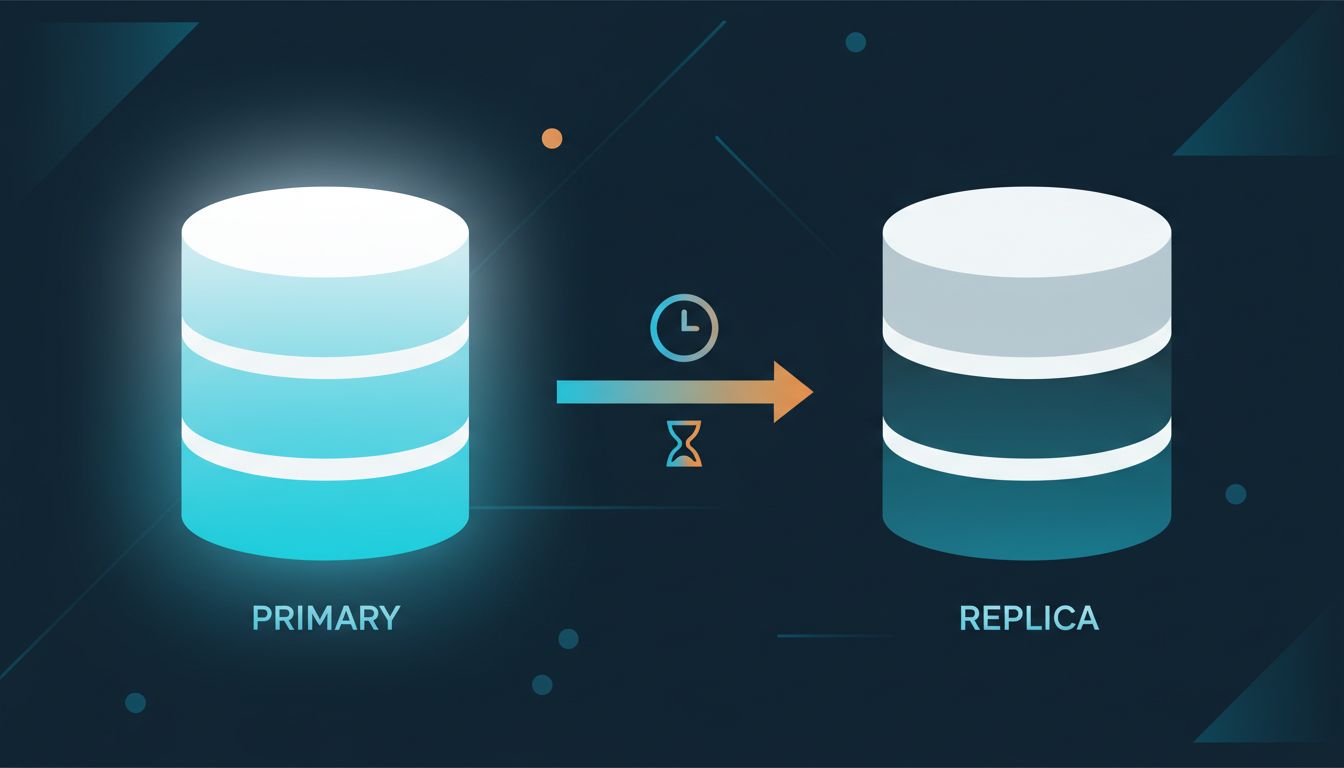
Most teams measure whether replication is running. Almost none measure how far behind it actually is. That gap is where your data disappears.

Staging environments are supposed to catch bugs before users do. The reason they often fail has less to do with testing and more to do with what staging pretends to be.
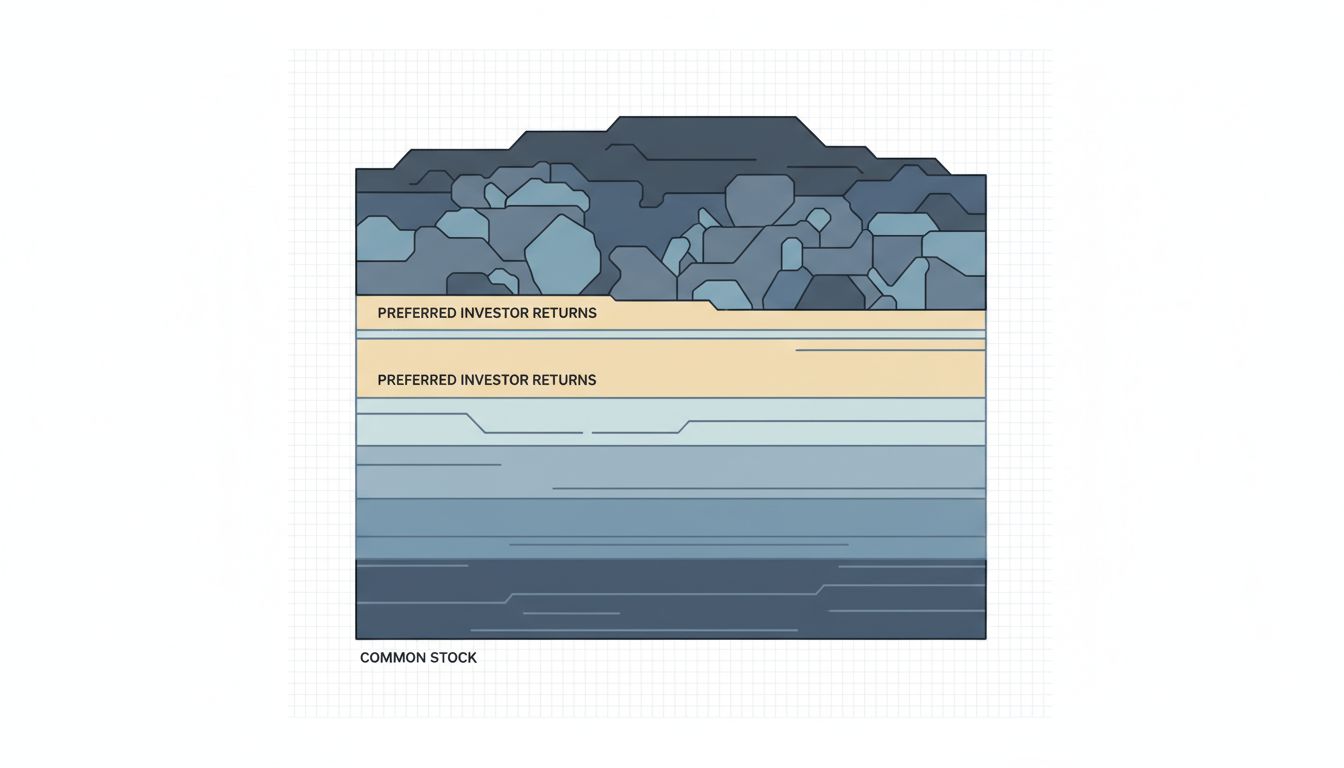
Acqui-hires look like exits but rarely pay like them. Understanding the structure before you sign tells you exactly how much your equity is worth: often close to nothing.

Open source projects can have millions of users and still fail to convert that into sustainable revenue. Here's why the economics work against them.

Adding engineers to a small team doesn't multiply output. It divides attention, multiplies coordination, and often cuts velocity in half before it adds anything.

Researchers have proposed faster, more elegant data structures for decades. Databases keep choosing the boring one. The reason reveals something important about how engineering decisions actually get made.
Amazon's most productive engineers sometimes don't write code at all. The logic is counterintuitive but the economics are clear.
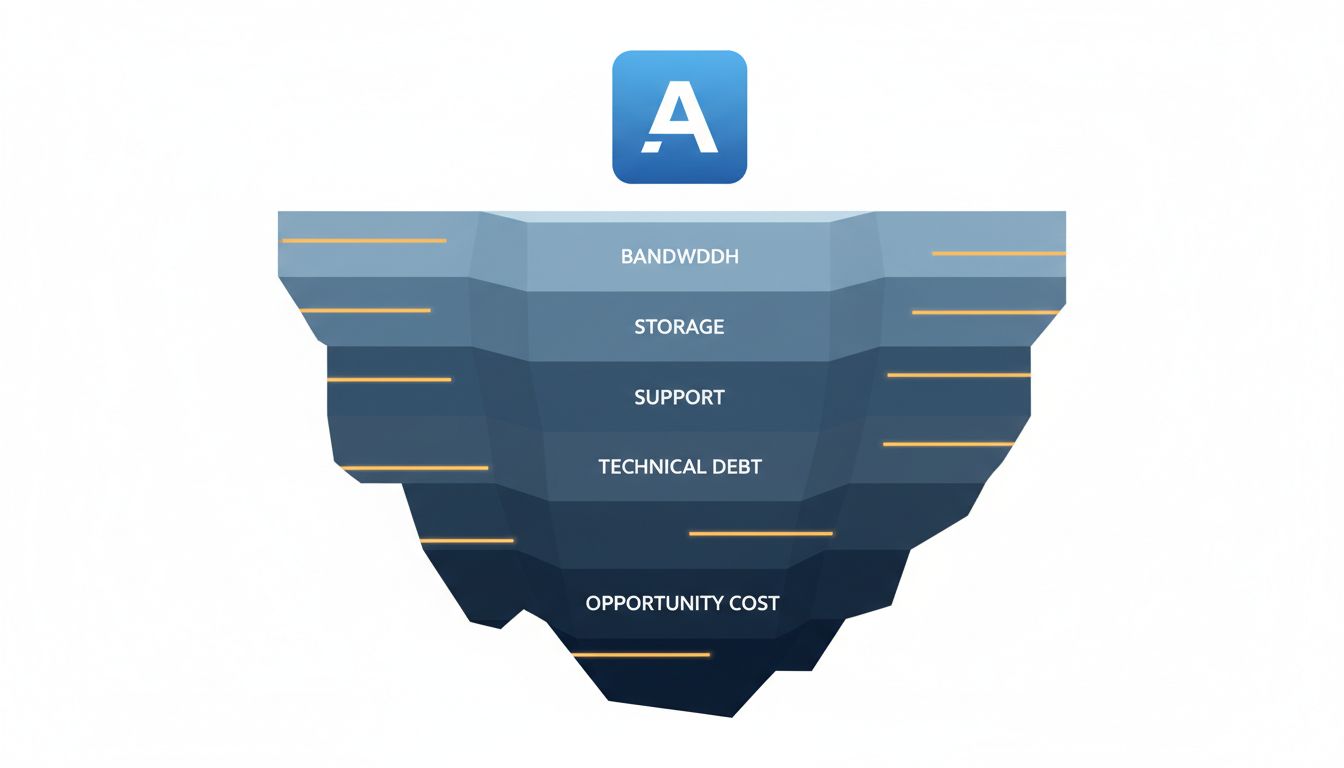
Overcast built a loyal audience with a free app and nearly went broke serving it. The math behind free is stranger than most founders expect.

Acqui-hires look like talent deals. But what companies are really buying is far more fragile than any contract reveals.

Your profiler says the code is fast. Your users say it feels slow. Both are telling the truth. Here is why that gap exists and how one team closed it.

A startup picked the middle storage tier to save money. Two years later, they'd spent three times what premium storage would have cost. Here's the math.

Your code is full of names, intentions, and structure that vanish before a single instruction runs. Understanding what survives compilation changes how you write software.

A single developer's burnout nearly broke a piece of infrastructure that half the internet depends on. The economics behind that story are worse than you think.

Encrypted messaging feels instant. The underlying process involves several distinct security operations, each solving a different problem. Here's what actually runs.

The problem isn't that companies ignore cloud costs. It's that the structure of cloud pricing is designed to make accurate forecasting nearly impossible.

When a SaaS company collapses, the founders move on. The customers are left holding broken software, locked data, and no good options.
Join thousands of readers who get our weekly breakdown of the most important stories in technology.
Free forever. Unsubscribe anytime.