
Technology
Your App Feels Slow Because of the Network, Not Your Code
Engineers spend months optimizing algorithms while ignoring the real culprit: latency introduced long before their code even runs.

Alex Nakamura writes about the intersection of technology and business economics. With a background in financial analysis and tech industry research, Alex breaks down the numbers behind the headlines, explaining why tech companies make the strategic bets they do.
Engineers spend months optimizing algorithms while ignoring the real culprit: latency introduced long before their code even runs.

The math protecting your data is essentially uncrackable. Attackers already know this. They go around it instead.

Amazon's 2013 outage lasted 49 minutes and cost an estimated $5 million. It also met their SLA. That's the problem with uptime percentages.

Market share and market value don't scale together. The gap between first and second place is almost always far larger than the numbers suggest.
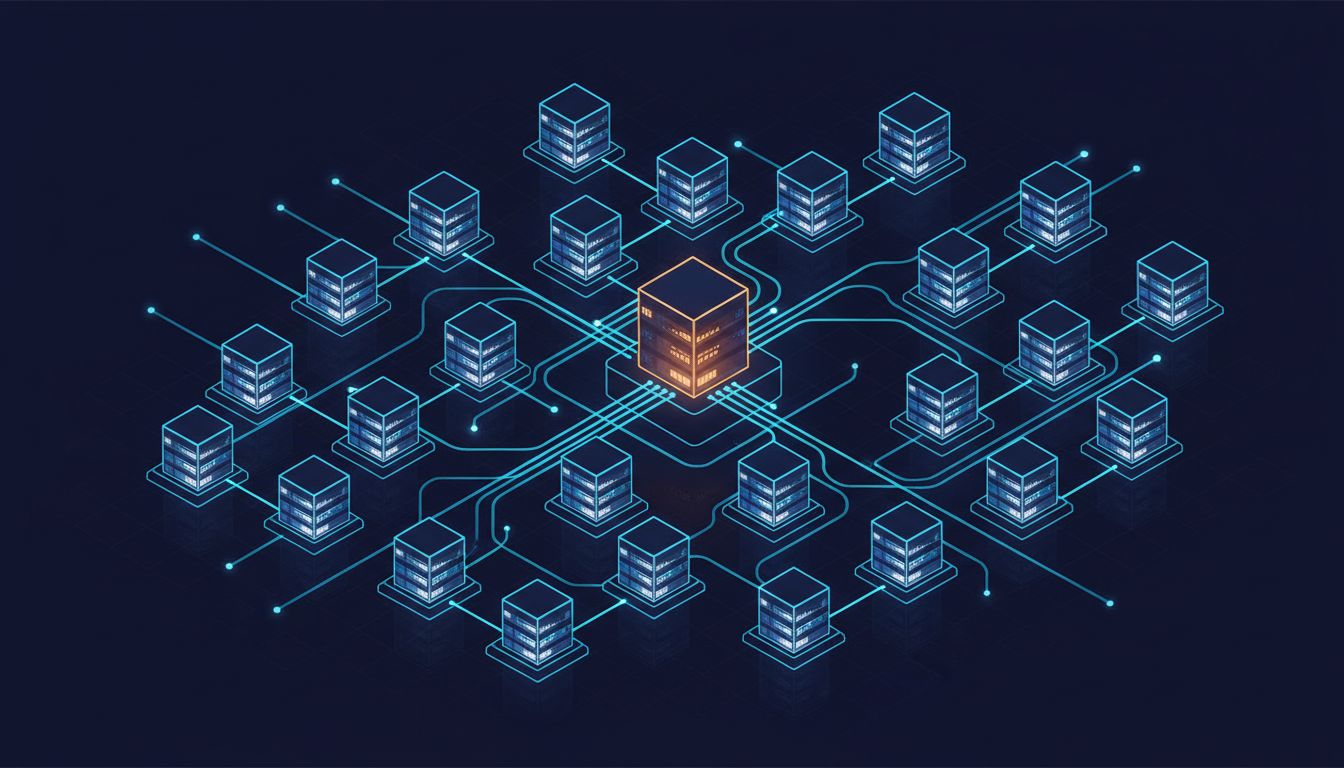
The most reliable systems in the world aren't built to avoid failure. They're built to fail safely, constantly, and on purpose.
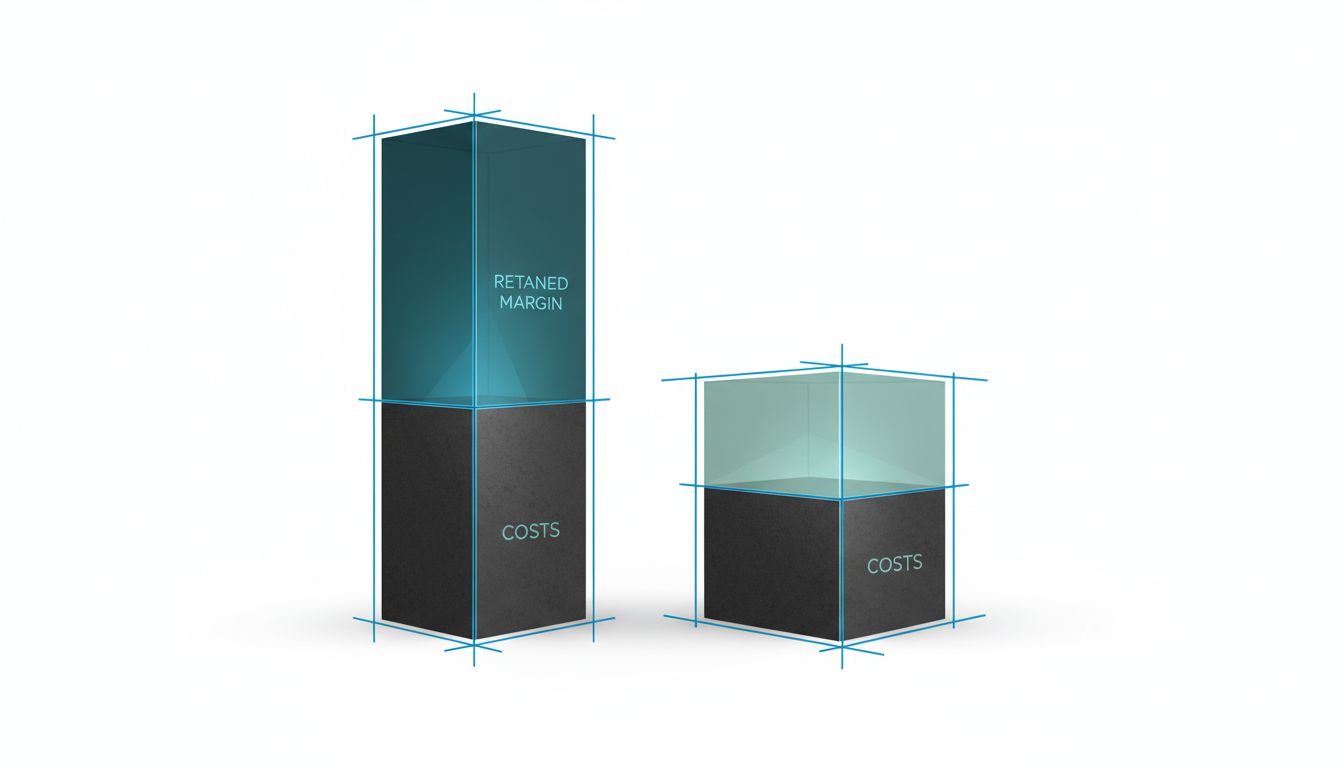
Salesforce and Rackspace sold software in the same era. One became worth hundreds of billions. The difference was hiding in a single line of the income statement.
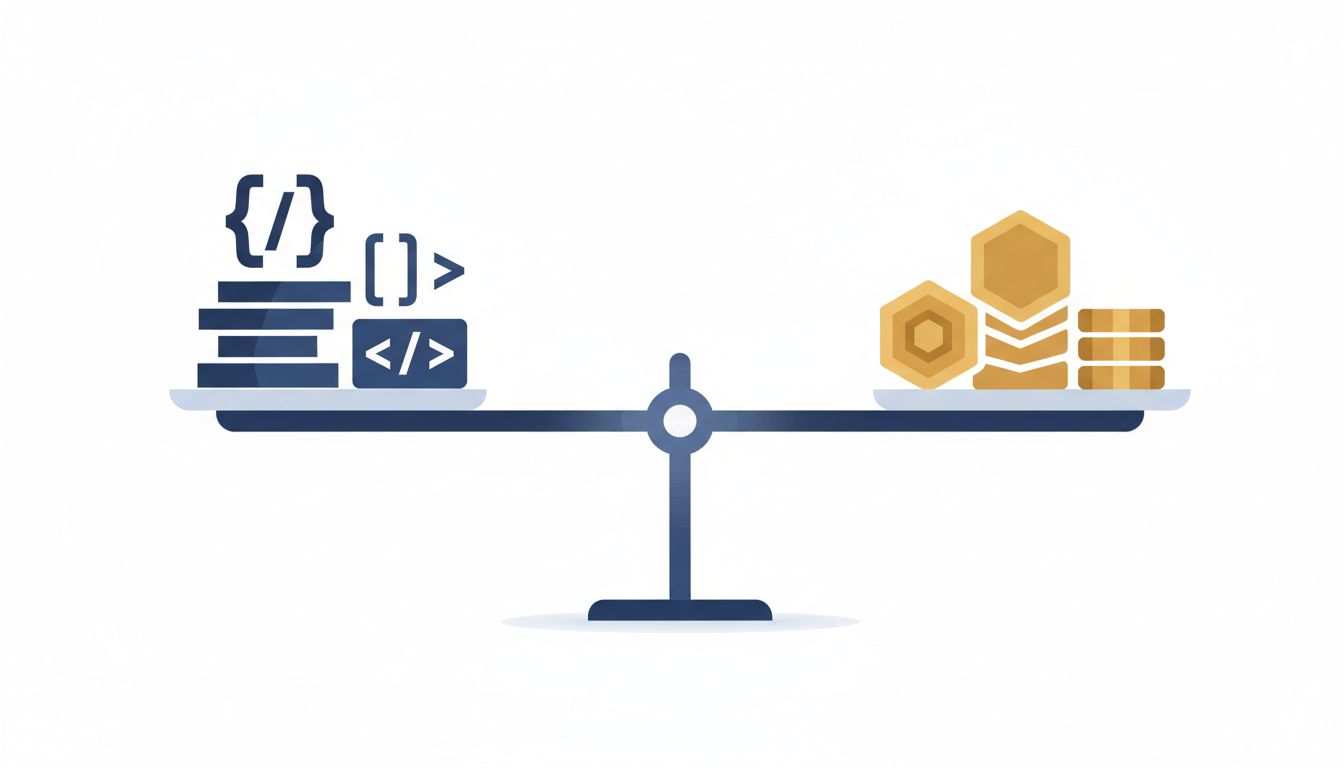
The real value of a strong engineering hire often arrives before they commit a single line of code. Here's where the returns actually come from.
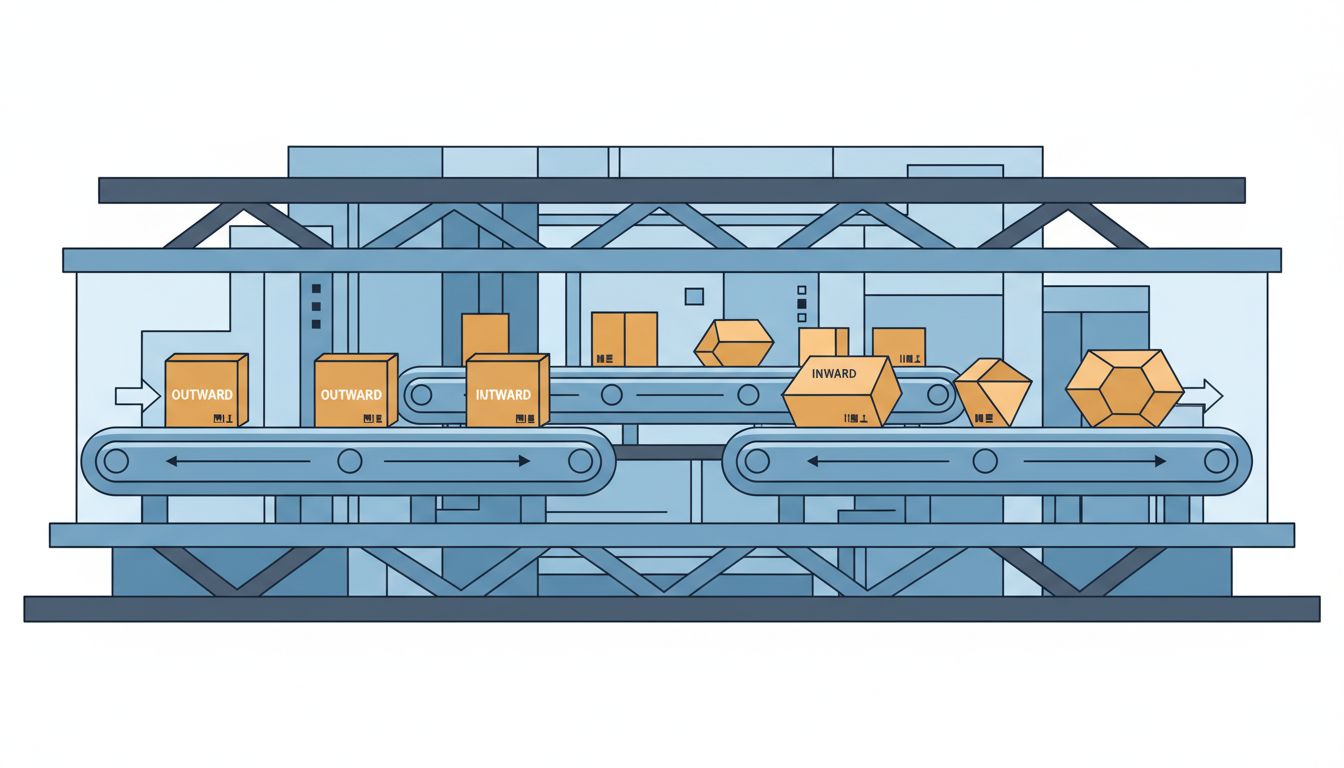
Amazon cut 27,000 jobs and kept hiring. The contradiction isn't confusion — it's a deliberate, if costly, workforce strategy.

A load balancer looks like boring infrastructure. It's actually making consequential decisions about your users every second, often badly.
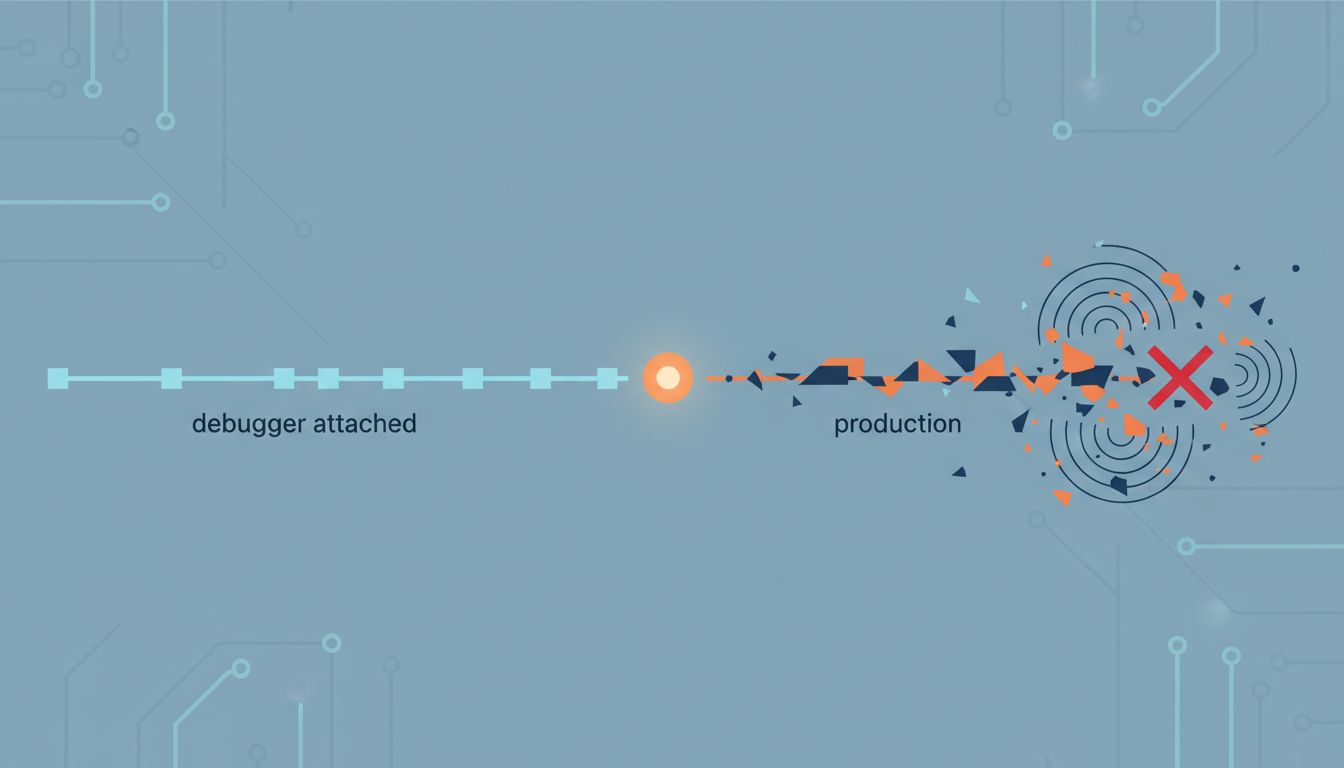
Heisenbugs aren't just frustrating quirks. They expose the hidden assumptions baked into every layer of your computing stack.

A competitor dropping to $0 doesn't automatically destroy your pricing. It forces you to answer a question your customers were never asking before.

Being first costs more than it pays. The companies that dominate tech markets usually got there second, with better timing and someone else's tuition bill.

Engineering teams obsess over milliseconds. Users respond to something different: the feeling of speed. The two are not the same, and confusing them is expensive.
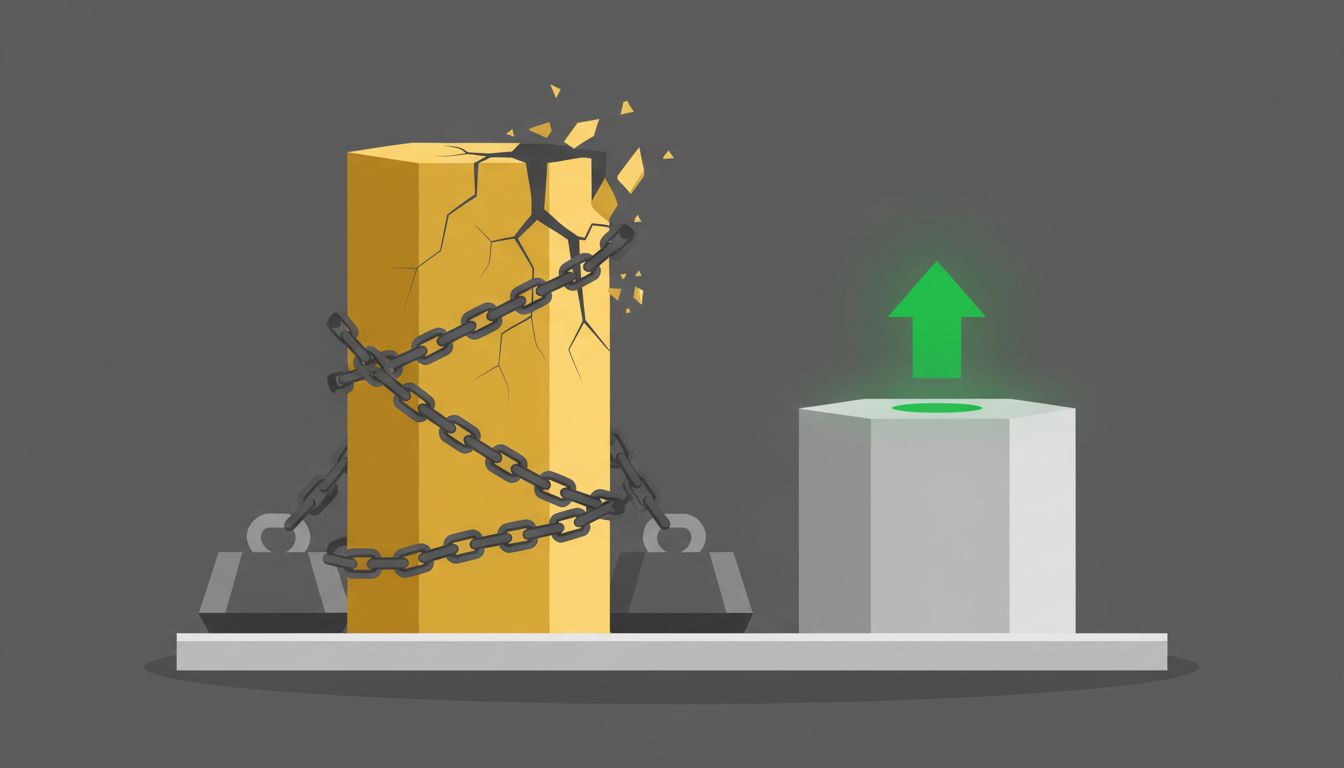
Winning a market and profiting from it are different things. The economics of tech competition consistently reward the runner-up more than the leader.

Technical superiority rarely decides market outcomes. Distribution, timing, and switching costs matter more than most product teams want to admit.

Informatica didn't lock in its enterprise customers with contracts. It did it with data pipelines, trained workflows, and ten years of institutional memory baked into a single vendor.

A single null byte, a misread timezone, or a miscounted leap second can silently corrupt data and crash production systems. Here's why small inputs cause catastrophic failures.

The most productive engineers aren't the ones writing the most code. They're the ones deciding what not to build.
Join thousands of readers who get our weekly breakdown of the most important stories in technology.
Free forever. Unsubscribe anytime.