
Technology
The Commit History Tells You More Than Any Interview
A messy git log isn't just a technical debt warning. It's a map of how a team actually thinks, decides, and fails.

Alex Nakamura writes about the intersection of technology and business economics. With a background in financial analysis and tech industry research, Alex breaks down the numbers behind the headlines, explaining why tech companies make the strategic bets they do.
A messy git log isn't just a technical debt warning. It's a map of how a team actually thinks, decides, and fails.
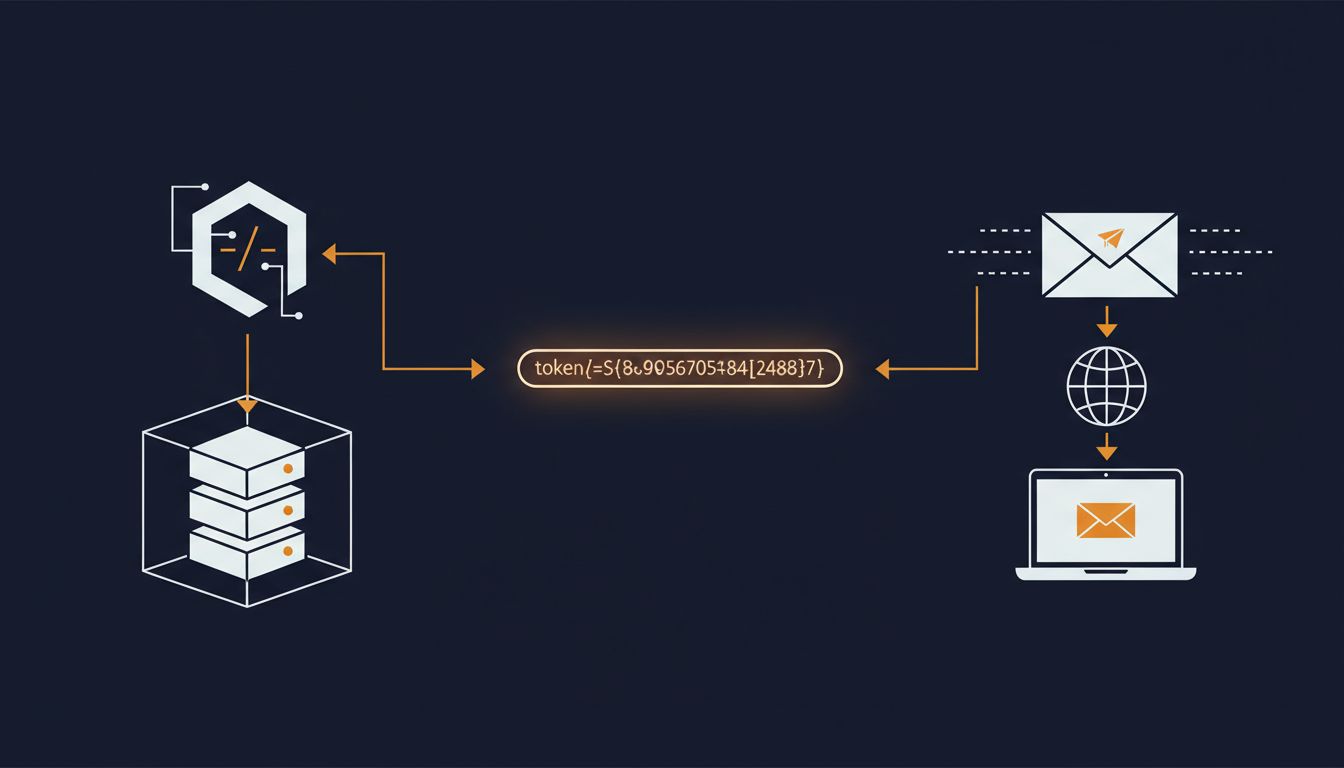
That simple button triggers a surprisingly intricate chain of cryptography, database writes, and deliberate security tradeoffs. Here's what's actually running.

Headcount is a cost, not a competitive advantage. The companies with the best margins figured this out before it became obvious.

The internet was designed to survive nuclear war. The same paranoid engineering that makes it nearly indestructible also explains why your file downloads arrive perfect every time.

Removing a column from a database table sounds trivial. In production, it can lock millions of rows and grind a live system to a halt.

A single click triggers dozens of coordinated operations across global infrastructure. Most of them are invisible. None of them are simple.

Most distributed systems bugs aren't logic errors. They're retry errors. Idempotency is the property that makes retrying safe, and almost nobody designs for it deliberately.

Being first in tech often means paying the education costs so a better-positioned rival can collect the tuition. The numbers back this up.

AMD spent years as Intel's shadow. That positioning, not a product breakthrough, is what eventually made it one of the most profitable chip companies in the world.

The marginal cost of software is genuinely zero. The price never is. Understanding the gap between those two facts explains most of how the tech industry works.
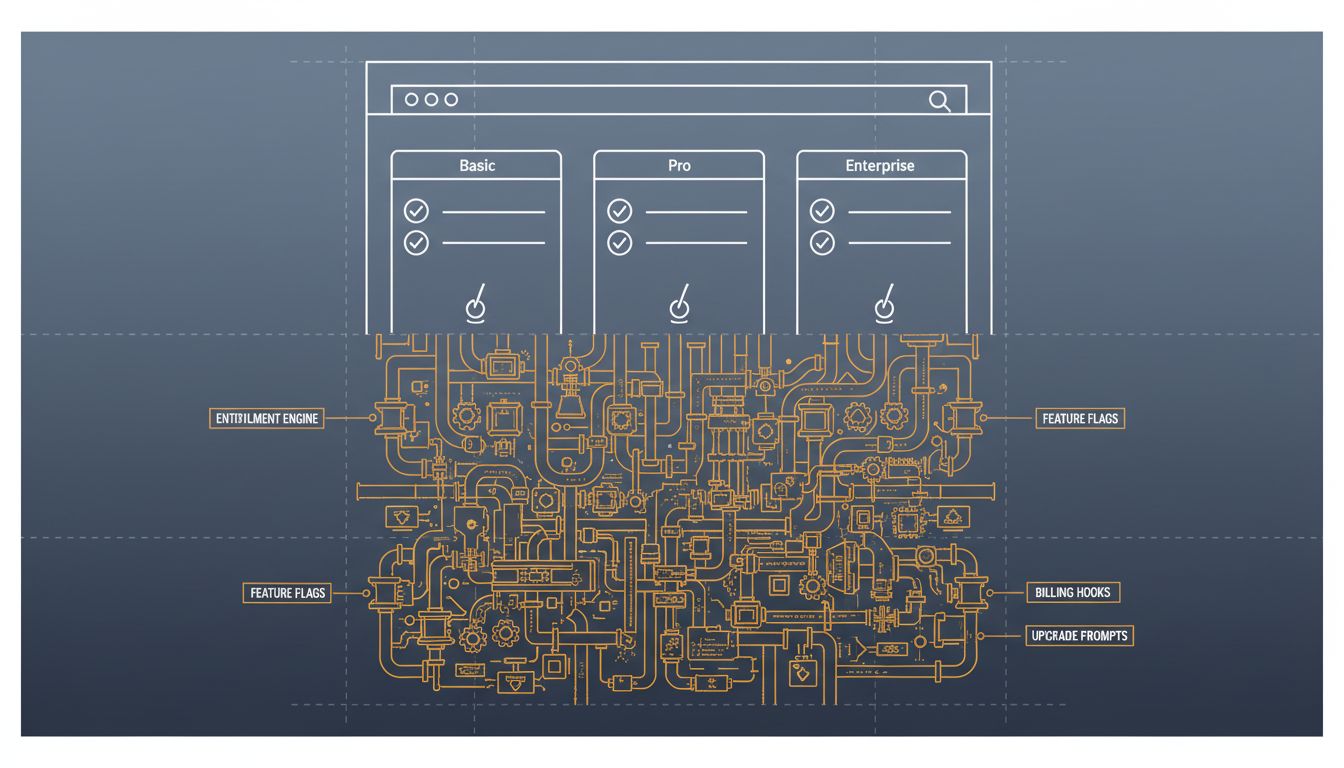
At most SaaS companies, the team building the pricing page touches more revenue than anyone else. Almost nobody treats them that way.

Being number two in a market often means skipping the costs that come with being number one. AMD's rise shows exactly how that math works.

TCP/IP wasn't designed for convenience. It was designed to route around catastrophic damage. That original paranoia is why it won.
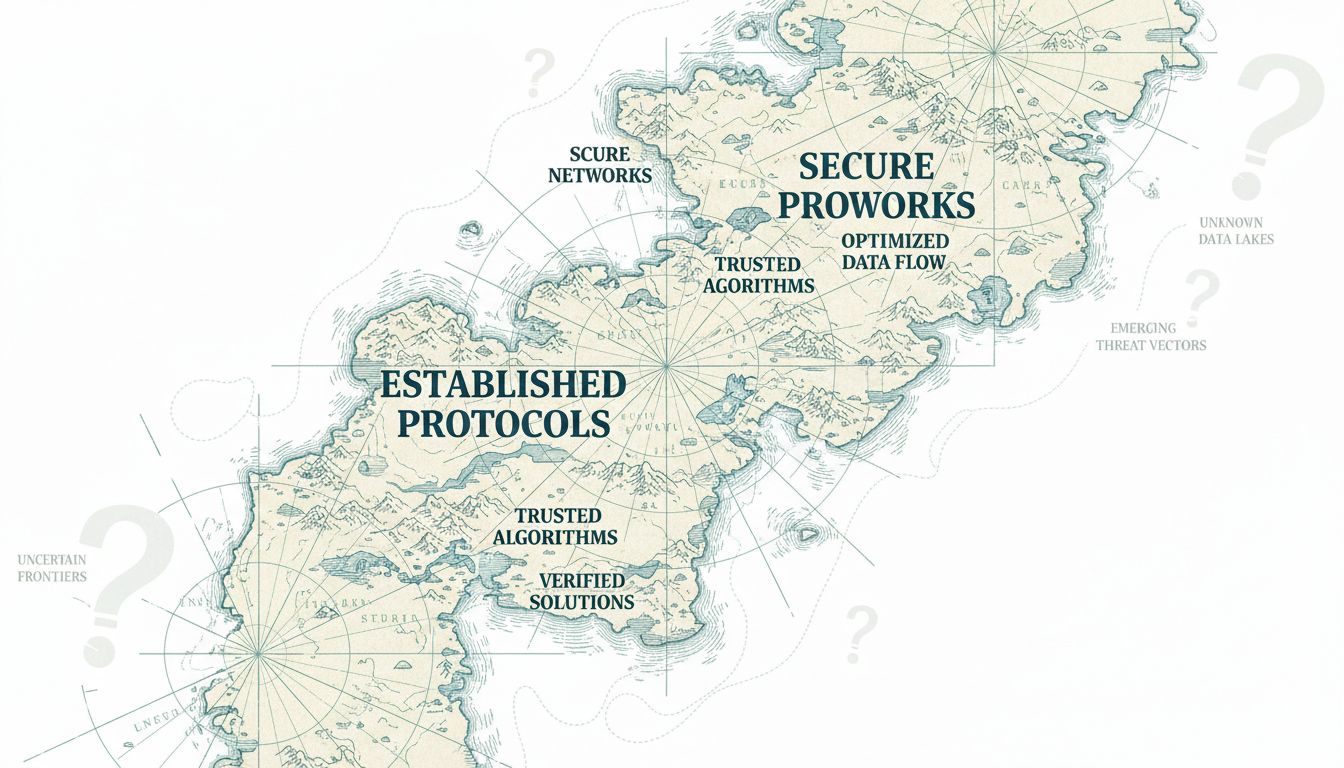
High code coverage feels like safety. It isn't. The bugs that sink products are the ones your testing philosophy structurally ignores.

Winning a tech market looks great on a press release. But the economics of dominance are quietly brutal, and the runner-up often keeps more of what it earns.
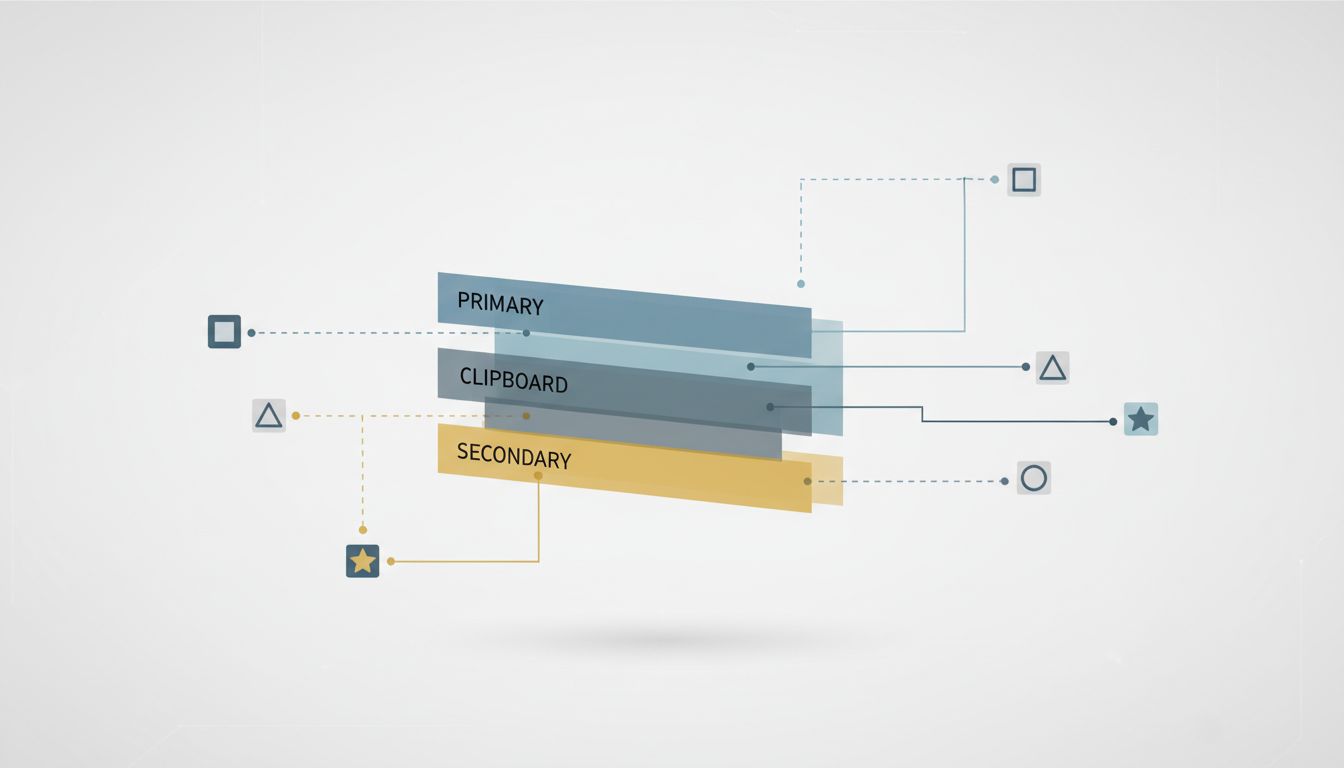
Copying text between apps feels like a single action. It involves at least a dozen separate operations, two different processes, and one surprisingly fragile protocol.
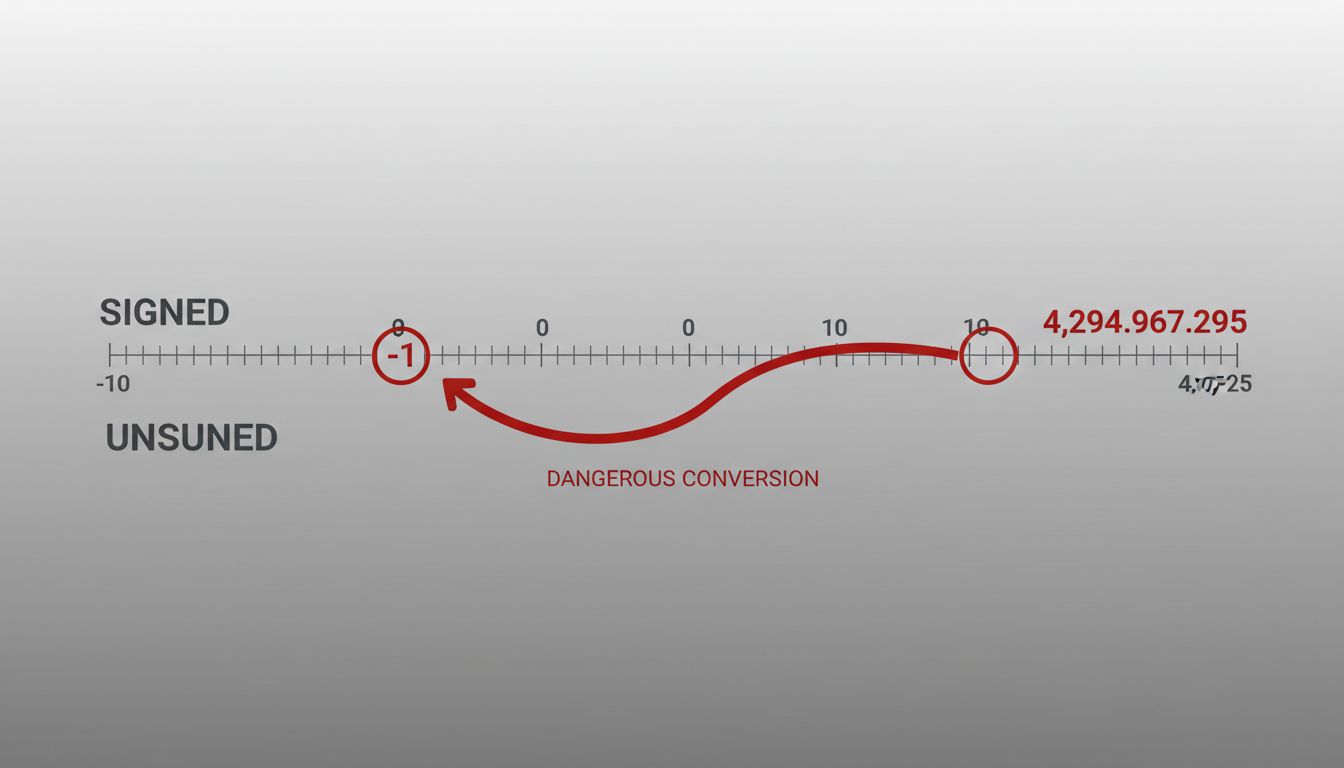
Signed/unsigned comparison warnings look like noise. They're actually pointing at a category of bug that has taken down real software in production.

Winning a tech market often means spending yourself into thin margins. The runner-up gets to cherry-pick the profitable parts without paying for the whole war.
Join thousands of readers who get our weekly breakdown of the most important stories in technology.
Free forever. Unsubscribe anytime.