
Startup Strategy
The Startup That Refused to Scale Won Anyway
Basecamp has stayed small by design for over two decades. That's not a failure of ambition. It's a different kind of discipline.

Jordan Rivera is a startup strategy writer who has spent a decade in the venture capital ecosystem. From seed-stage founder to growth-stage advisor, Jordan writes about the real decisions founders face, the ones that rarely make it into press releases.
Basecamp has stayed small by design for over two decades. That's not a failure of ambition. It's a different kind of discipline.

Experience is supposed to make things easier. In startups, it often makes them harder in ways nobody warns you about.

Being first sounds like a massive advantage. Historically, it often isn't. Here's the economics of why followers beat pioneers.

Lowering your price to attract more customers is intuitive. It's also often wrong. Here's what actually happens when you raise prices.

Slack, Spotify, and Airbnb all nearly got strangled by a single early customer or user type. The pattern is more common than founders admit.

Keeping your highest-revenue customers sounds like basic business sense. Sometimes it's the thing quietly killing your company.

The dashboard that convinced your Series A investors is now a trap. The numbers haven't changed — your situation has.
Building your entire startup around one customer feels like traction. It's actually a trap with a very specific failure mode.

The software stack under every major tech company is largely built on unpaid or underpaid volunteer work. Here's what that actually costs us.

The visionary gets the credit. The operator builds the company. One case study that shows why the execution partner is often the real reason a startup survives.
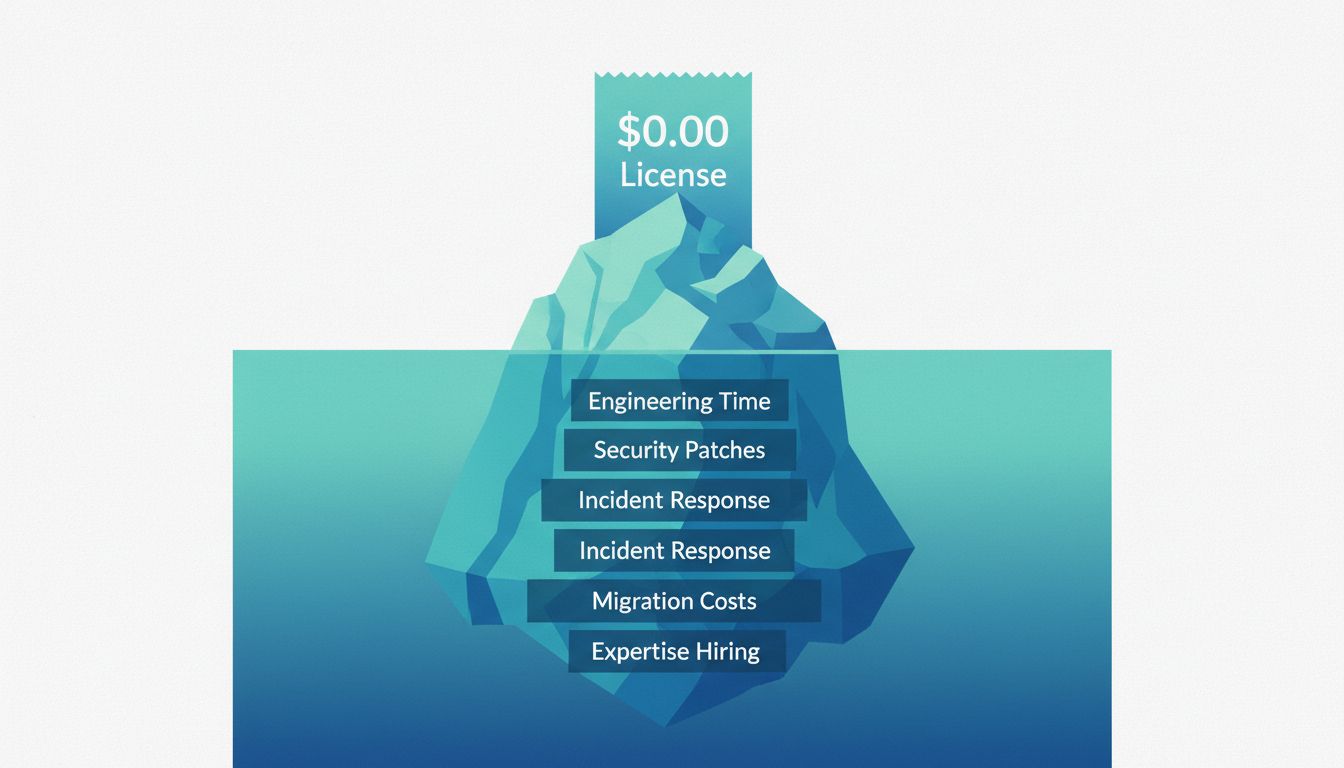
The license costs nothing. The operations, security, talent, and maintenance costs will surprise you. Here's what actually happens after you adopt.

Founders treat pricing as a late-stage decision. It isn't. The number you choose determines who buys, what they demand, and what you build next.

Early adopters get your company off the ground. Letting them define your product roadmap will keep you grounded permanently.
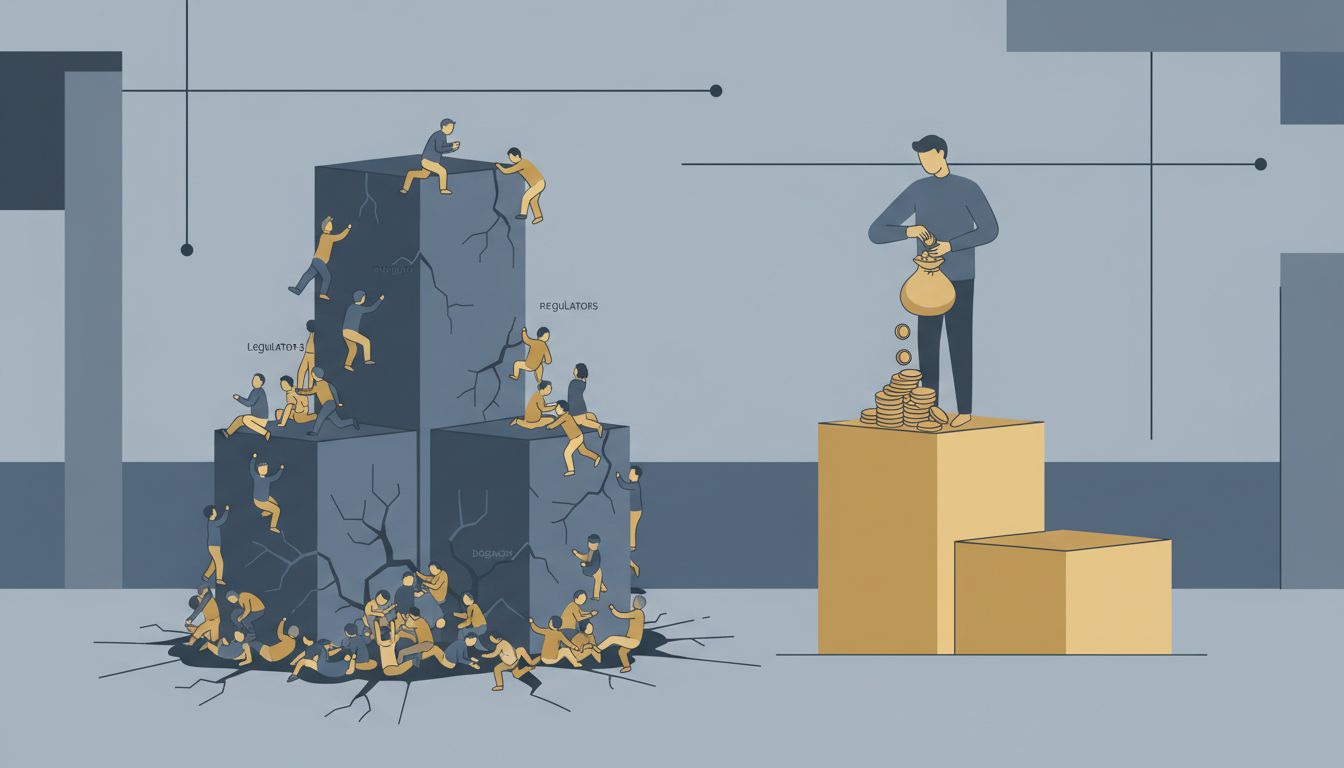
Being the market leader sounds like winning. The economics often tell a different story.

Underpricing feels safe. It isn't. Low prices don't just hurt margins, they poison positioning, attract the wrong customers, and make recovery nearly impossible.
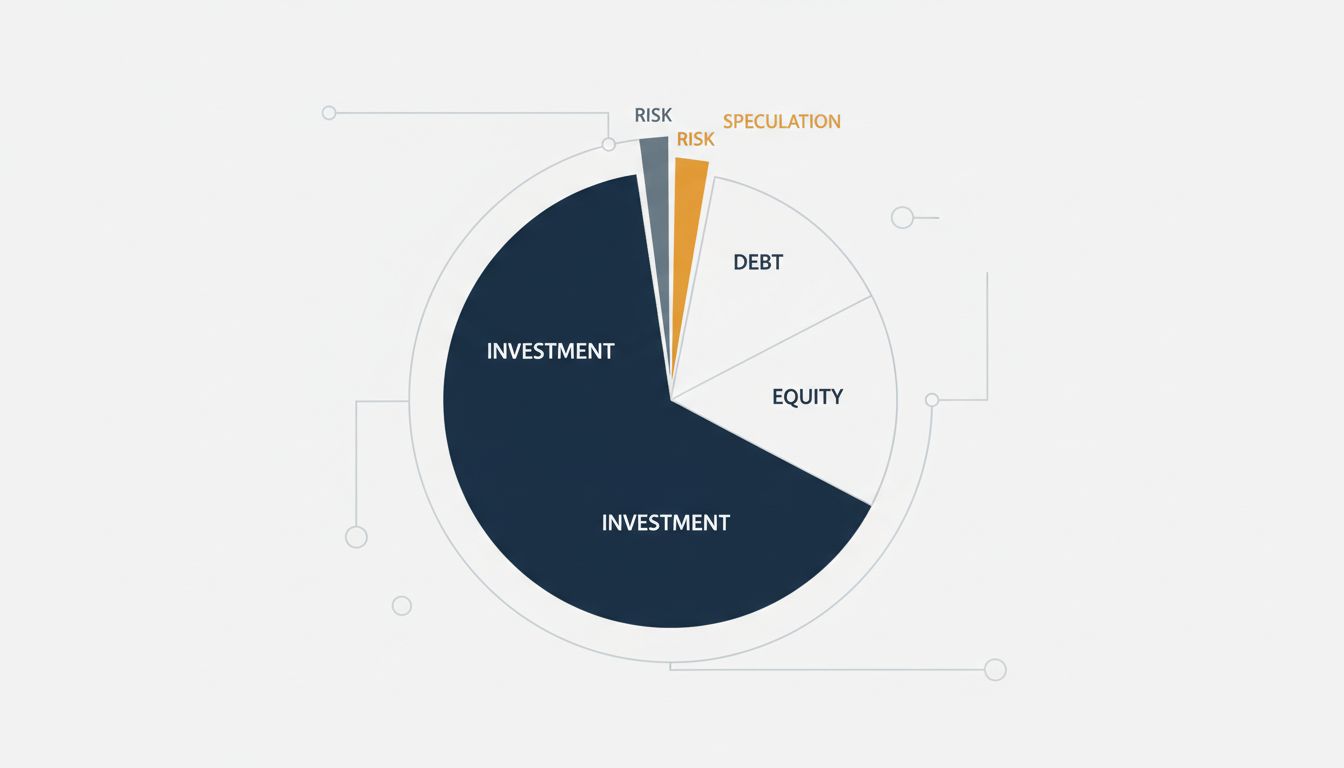
Bridge rounds feel like a lifeline. But the dilution mechanics, especially with convertible notes, are more punishing than most founders realize until it's too late.

A giant just cloned your startup. Before you panic or pivot, here's what founders who survived this actually did.

When customers leave six weeks after signing up, founders blame the product. The real culprit is usually sitting in your CRM celebrating a closed deal.
Join thousands of readers who get our weekly breakdown of the most important stories in technology.
Free forever. Unsubscribe anytime.