Startup Strategy
Your Runway Number Is Wrong and Here Is Why
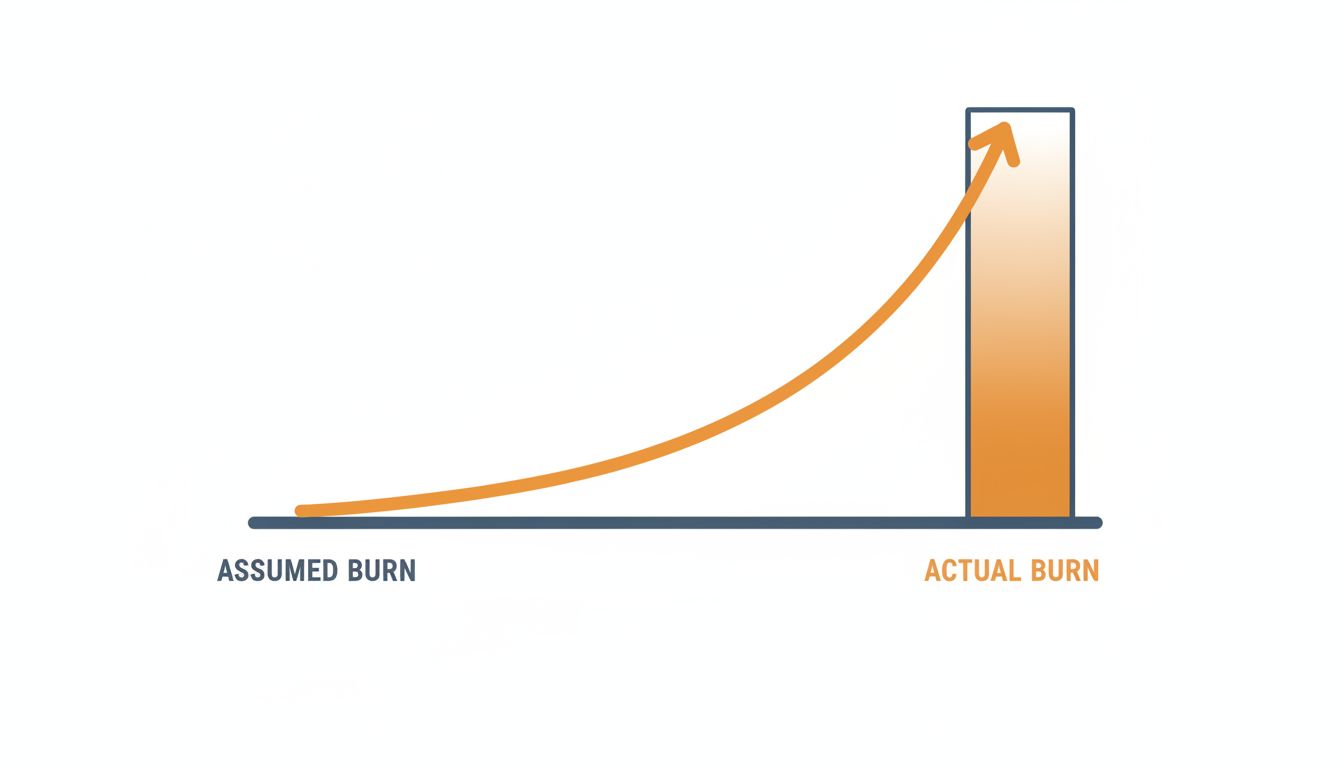
Most founders calculate runway from current burn. The number that actually matters is different, and most boards never ask for it.

Jordan Rivera is a startup strategy writer who has spent a decade in the venture capital ecosystem. From seed-stage founder to growth-stage advisor, Jordan writes about the real decisions founders face, the ones that rarely make it into press releases.
Most founders calculate runway from current burn. The number that actually matters is different, and most boards never ask for it.

A cautionary story about acquiring software businesses and discovering too late that the real assets walked out the door on day one.

Founders build runway models from spreadsheets. Reality spends from a different document entirely. Here's where the math breaks down.

When your only big customer walks, you don't have a retention problem. You have a structure problem that's been hiding in plain sight.

The most vocal customers feel like valuable signal. Often they're noise that will pull your product in exactly the wrong direction.

Price isn't just what you charge. It's a signal that attracts or repels specific types of customers before they ever talk to sales.

Stripe, Airbnb, and Slack each nearly collapsed under the weight of their earliest customers. That's not a bug in the founding story. It's the whole point.

Winning a market and profiting from it are different skills. The company that fought hardest to get to number one often can't afford to stay there.

The origin story gets the glory. But the person who shows up after product-market fit is a myth and before the company falls apart often determines whether it survives.
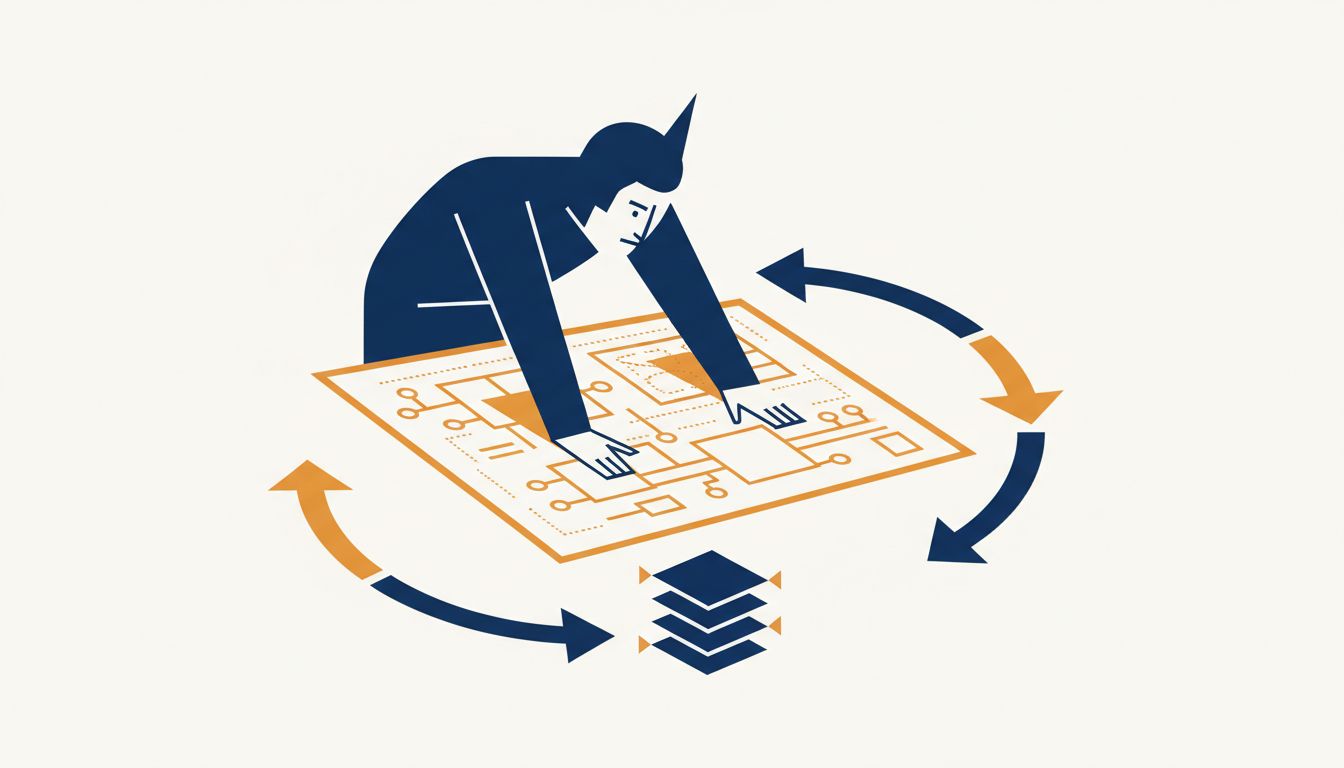
The customer who pushed back hardest, demanded the most, and nearly broke your team often has exactly the instincts your early team needs.

Almost every startup misprices its first product. Here's why that's survivable, what the real mistakes look like, and when bad pricing actually kills you.

The users who push back hardest on your product are often the ones who understand it most clearly. Slack's growth story is a case study in learning to tell the difference.

Before you ship anything, customers are buying something. Most founders don't know what it is, which is why so many early deals fall apart.

Being first sounds like an advantage. The history of tech says otherwise. Here's what actually separates pioneers from the companies that bury them.
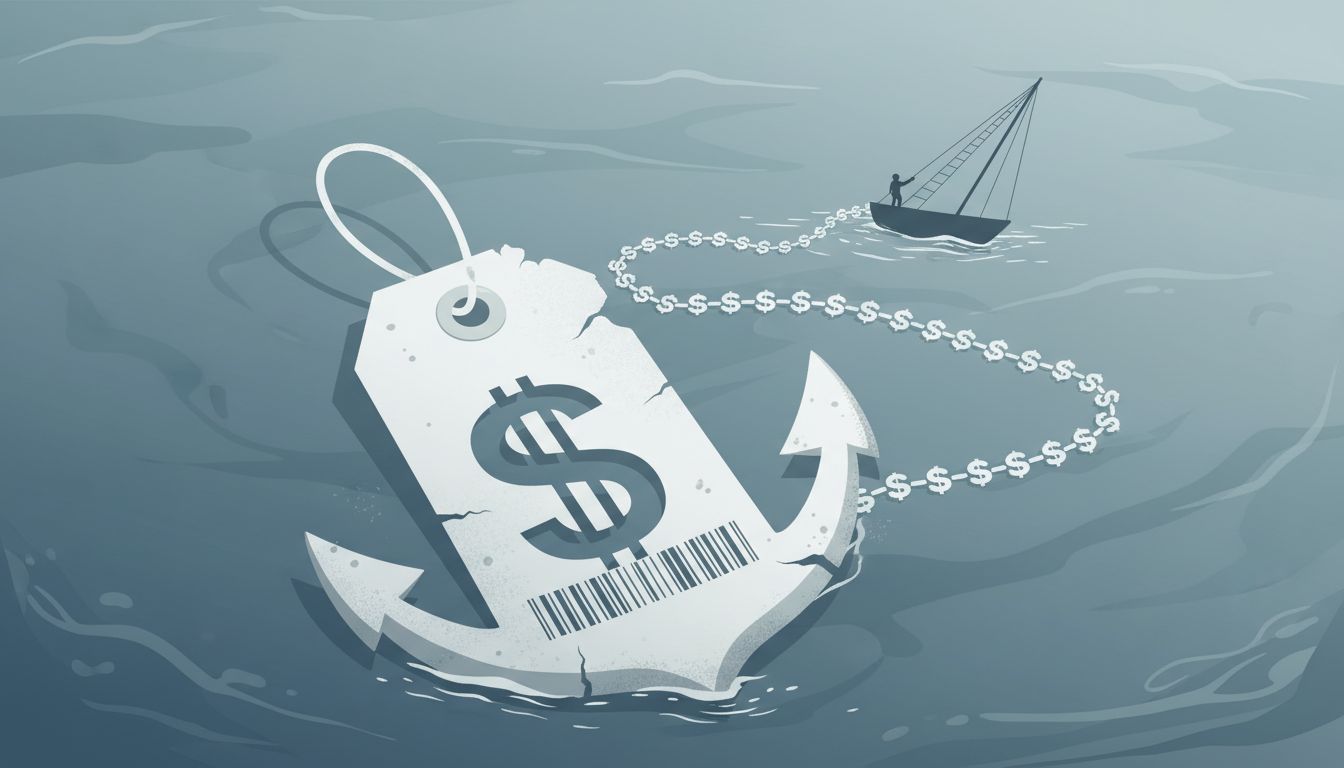
Pricing isn't just a revenue decision. It's a signal that sets buyer expectations permanently. Basecamp learned this the hard way.
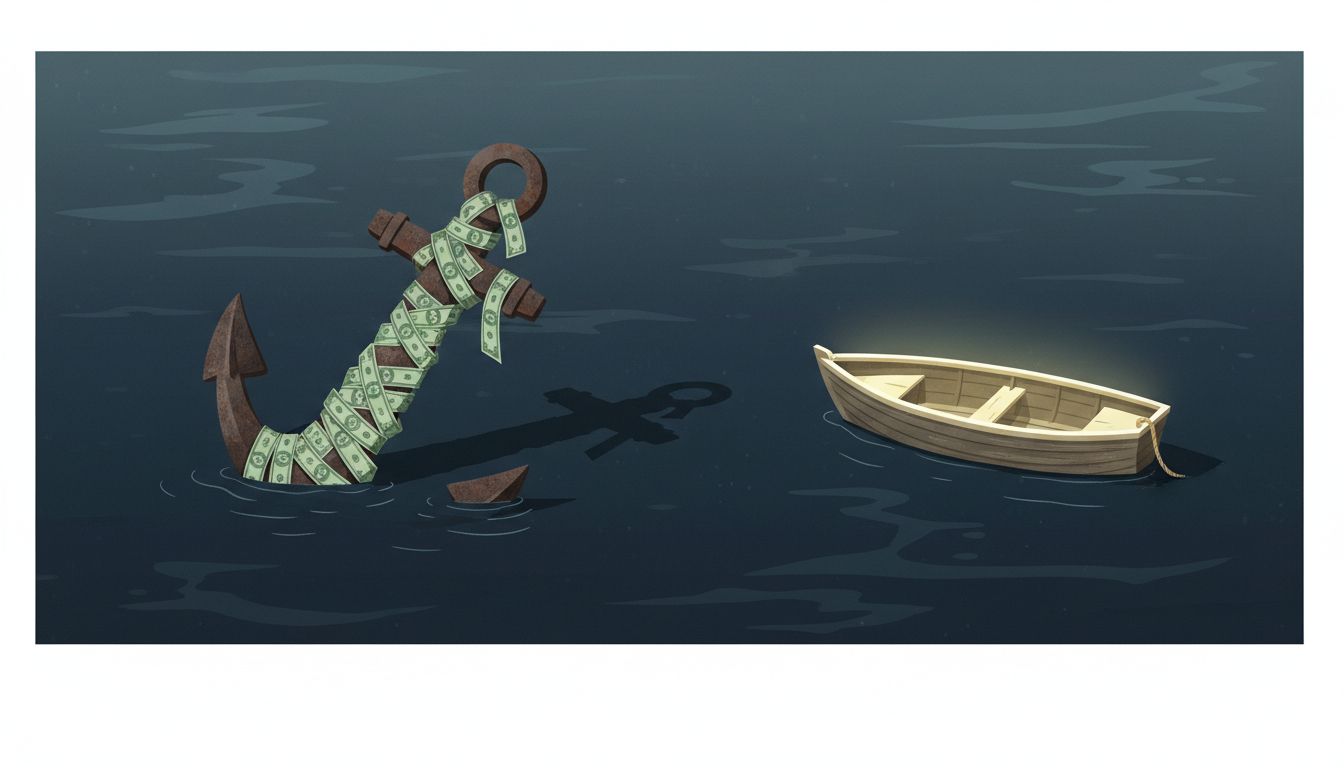
Some early revenue isn't just low-quality, it's actively corrosive. Here's how to recognize the customers who will hollow out your company before you ever find product-market fit.

Hiring on salary is a trap. The real cost of an engineer is what they don't build, what they break, and how long they stay.

Being first sounds like an advantage. The data says otherwise. Here's the structural reason why followers beat pioneers more often than startup mythology admits.
Join thousands of readers who get our weekly breakdown of the most important stories in technology.
Free forever. Unsubscribe anytime.