
Startup Strategy
The First Full-Price Customer Can Kill Your Startup
Landing a customer who pays full price feels like validation. It might actually be the beginning of a slow drift away from everything you were building toward.

Jordan Rivera is a startup strategy writer who has spent a decade in the venture capital ecosystem. From seed-stage founder to growth-stage advisor, Jordan writes about the real decisions founders face, the ones that rarely make it into press releases.
Landing a customer who pays full price feels like validation. It might actually be the beginning of a slow drift away from everything you were building toward.

The startups that look dangerously slow in year two are often the ones running laps around everyone in year five. Here's why that's not an accident.
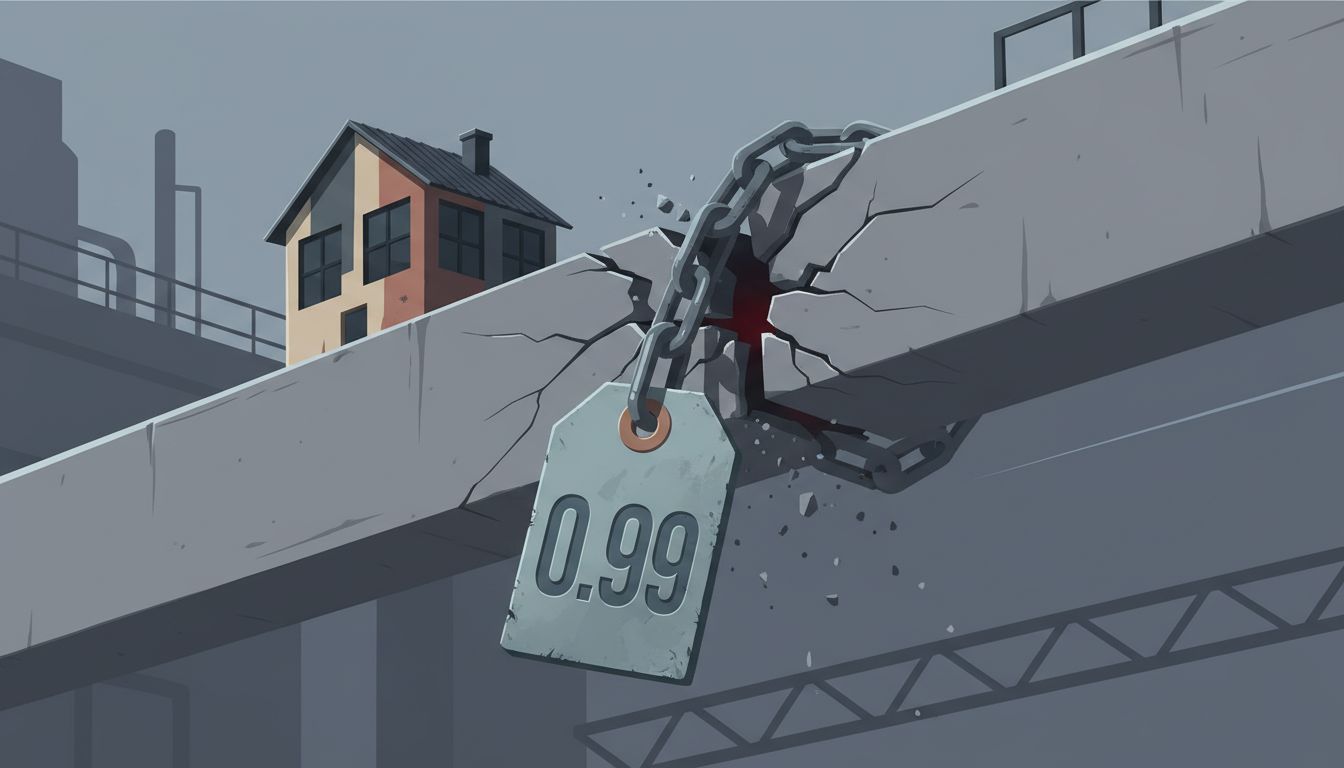
Cheap prices feel like a growth strategy. They're usually a slow bleed. Here's why underpricing is one of the most common and least discussed ways startups fail.

Before you have a product, you're still selling something. Most founders just don't know what it is.

The infrastructure underneath nearly every tech company was built by volunteers. The companies profiting from it have quietly decided that's someone else's problem.
Founders cut prices to remove friction, but cheap pricing often creates more doubt than it resolves. Here's the psychology that explains why.
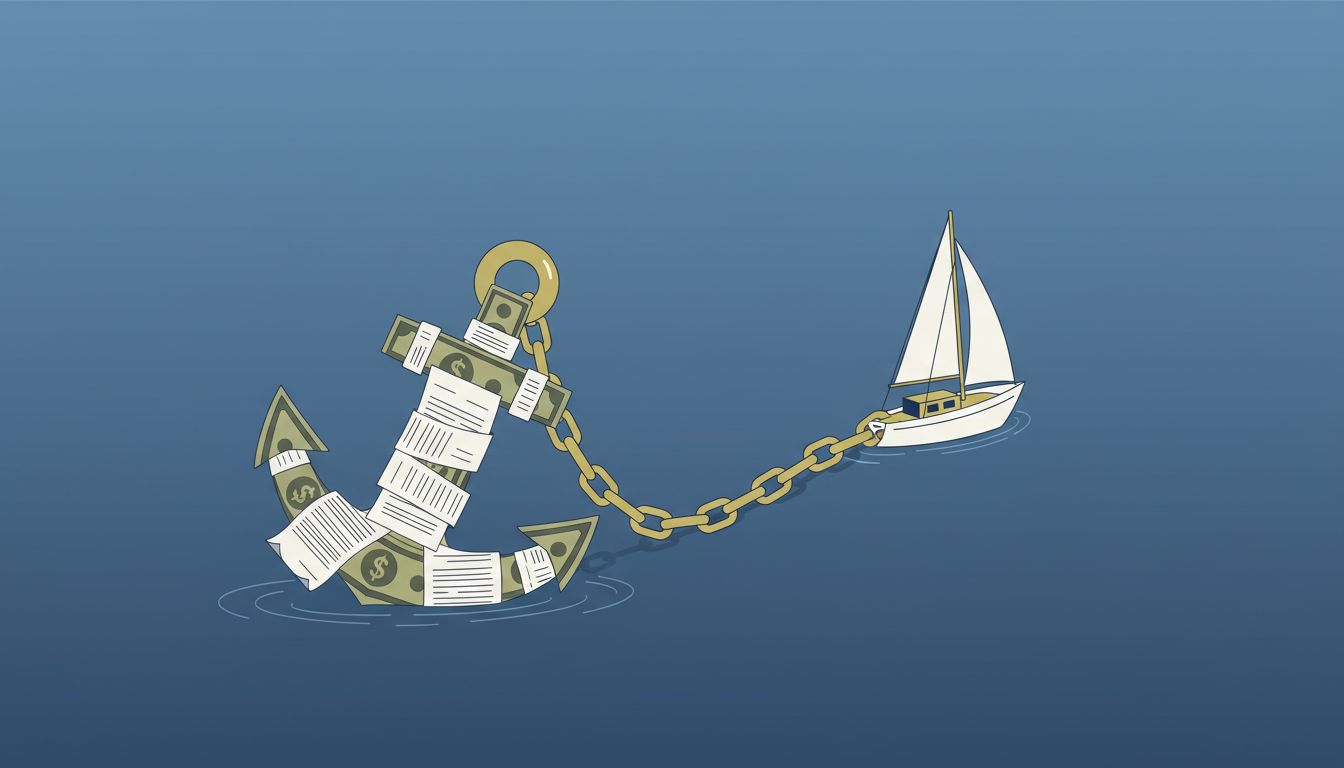
Not every customer is an asset. Some are quietly bankrupting you in ways that won't show up on your P&L until it's too late.

Your startup got acquired for less than it raised. Here's the uncomfortable math that explains why your equity might be worth exactly nothing.

Early customers save your startup. They can also steer it into a wall. Here's how to tell which one is happening to you.

Underpricing feels safe in the early days. It isn't. The hole it digs is deeper than most founders realize, and almost no one climbs out.

Being first sounds like an advantage. The data says otherwise. Here's what actually happens when a pioneer clears the path for someone smarter.

The founders who could raise more, hire more, and ship more sometimes choose not to. That restraint isn't modesty. It's strategy.
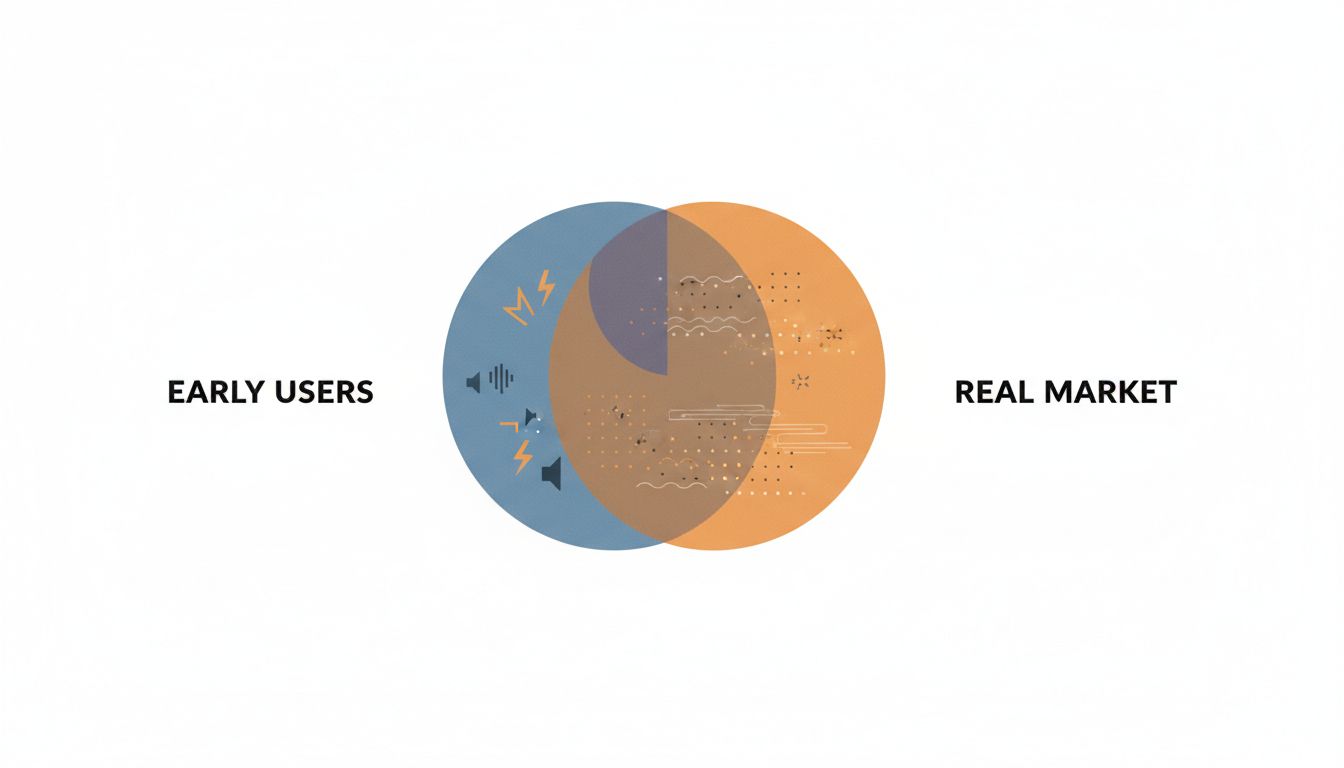
Slack, Spotify, and Airbnb all spent years serving the wrong people. Here's what that actually looked like, and how they found their way out.

That 30% price difference between US-East and a cheaper region looks great in a spreadsheet. Then reality shows up.

Pivoting isn't a sign of confusion. For the best founders, it's what a strong vision actually produces.
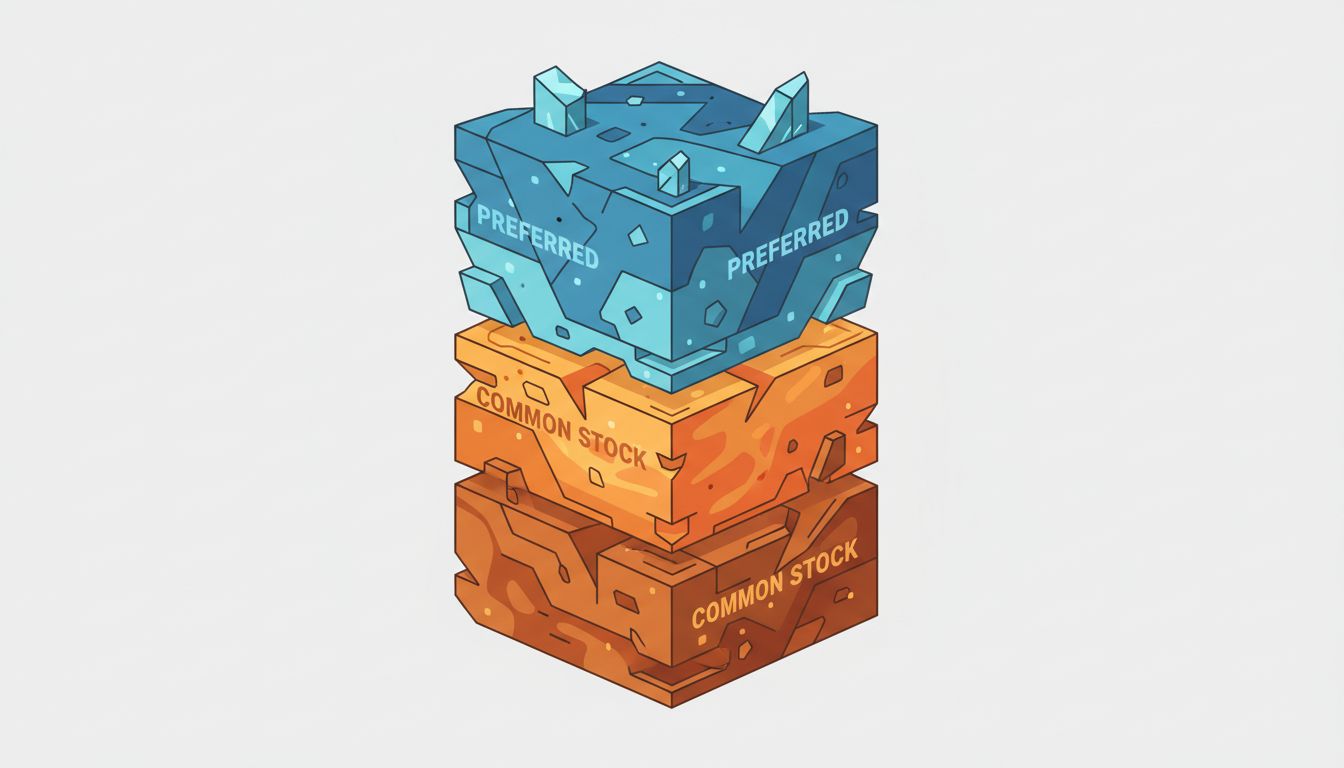
Founders celebrate term sheets. Few read them carefully enough. Here's what the money actually costs you, in control, economics, and options.

The customer who complained constantly, demanded custom features, and nearly broke your team is probably also your most vocal evangelist. That's not a coincidence.

Growth is supposed to be the goal. But some of the most durable software businesses got that way by deliberately staying small.
Join thousands of readers who get our weekly breakdown of the most important stories in technology.
Free forever. Unsubscribe anytime.