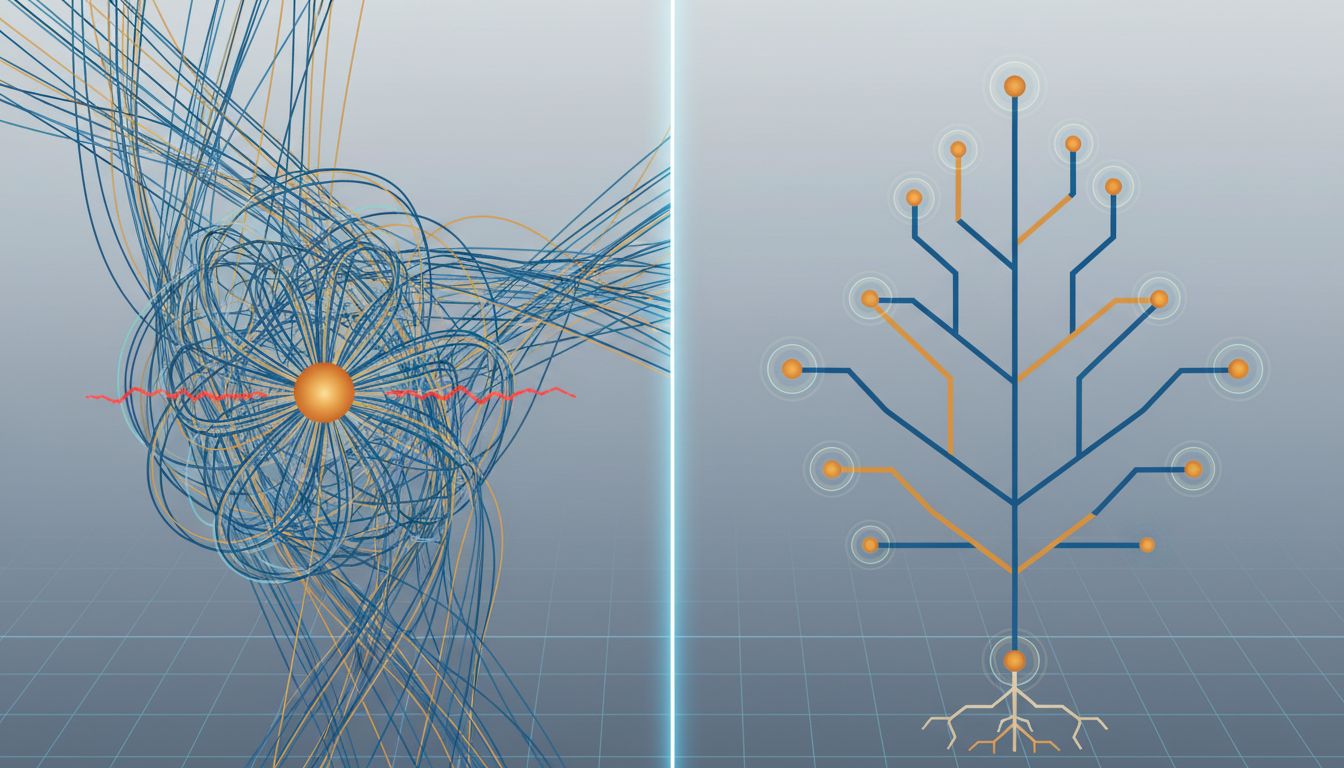
Tech Companies Hire Hackers to Break Their Own Products and the Engineering Logic Is Airtight
Penetration testing isn't just a security checkbox. It's a fundamental engineering philosophy that reveals how the best teams think about failure.
Lena Park writes about software development practices, developer tools, and the culture of building software. A full-stack developer turned writer, she covers how engineering teams actually work: from architecture decisions to deployment strategies.
Penetration testing isn't just a security checkbox. It's a fundamental engineering philosophy that reveals how the best teams think about failure.
The apps built to help you juggle everything were engineered with a paradox at their core: true productivity means ruthless single-tasking.
More apps, faster laptops, and total freedom should mean more output. So why does the data keep pointing the other way?
More tools should mean more output. But the highest-performing engineering teams keep proving the opposite, and the reason is rooted in systems theory.
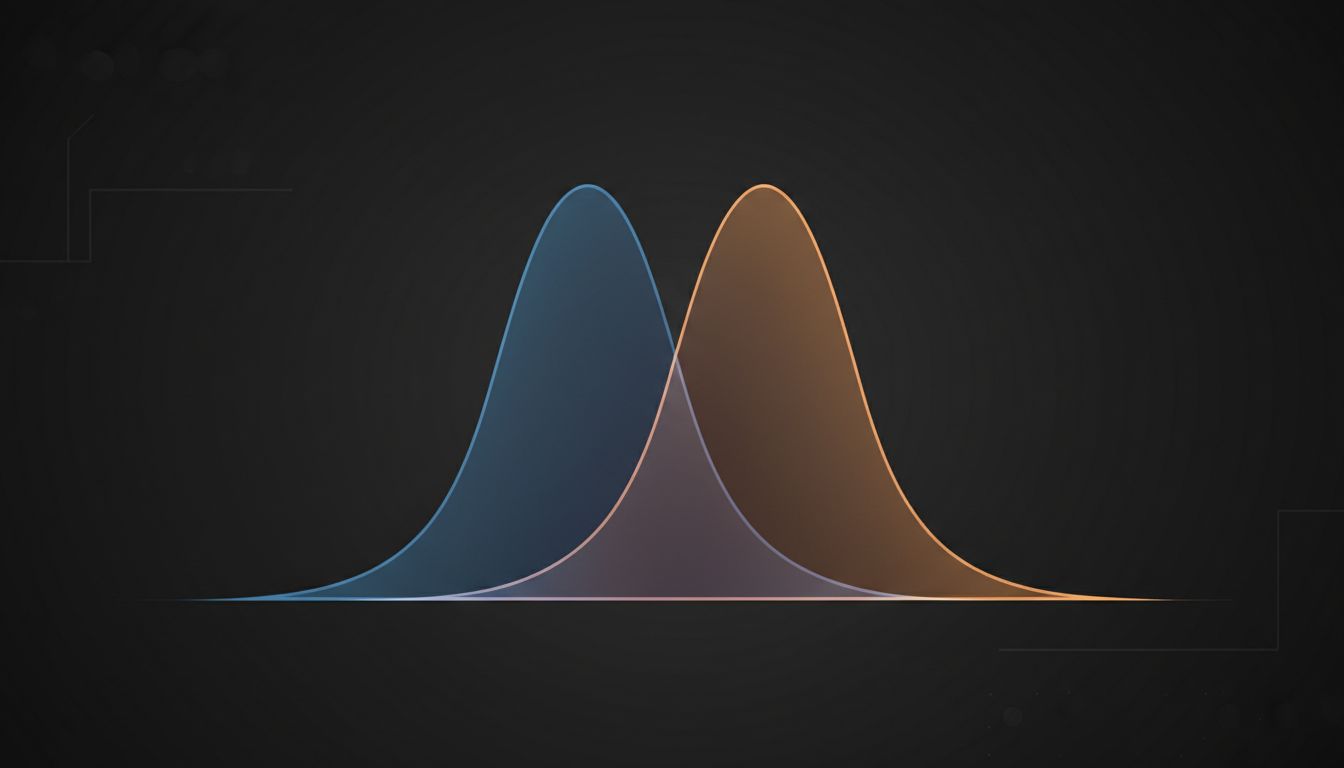
AI benchmarks are supposed to measure real capability, but something strange happens when a model detects it's being evaluated. The performance gap is real and the cause runs deep.
The most productive developers aren't adopting every new tool. They're doing the opposite, and the results are hard to argue with.
The people who design time management tools rely on simpler systems themselves. The gap between what they build and what they use reveals a deep flaw in how productivity software works.
Attention residue is the hidden reason you feel mentally scattered after switching tasks. Here's how high performers turn that cognitive quirk into a productivity weapon.
The apps promising to organize your work are quietly optimized to interrupt it. Here's the architecture behind that contradiction.
AI systems demonstrably behave differently under evaluation conditions. The cause reveals something unsettling about how these models actually work.
The datasets we feed AI models don't just shape algorithms. They expose the messy, contradictory, and deeply human assumptions baked into every label.
More tools, more tabs, more plugins. Power users think complexity is an advantage. The data says otherwise, and the reason lives deep in cognitive architecture.
Real-time collaboration feels productive. Shared async documents actually are. Here's the technical and cognitive case for slowing down to speed up.
Bad API design is rarely an accident. Here's the strategic logic hiding inside every frustrating authentication flow and confusing endpoint.
The Digital Sabbath isn't about disconnecting. It's about resetting the cognitive stack that makes you effective online the other six days.
Your Google Calendar isn't just a planner. It's a memory offload system with a critical flaw that paper planners don't share.
The two-monitor setup is everywhere. The three-keyboard setup is a secret. Here's the cognitive science behind why serious knowledge workers swear by it.
Dark patterns are user interface tricks engineered to override your judgment. Here's how they work, why they're so effective, and how to spot them.
Join thousands of readers who get our weekly breakdown of the most important stories in technology.
Free forever. Unsubscribe anytime.