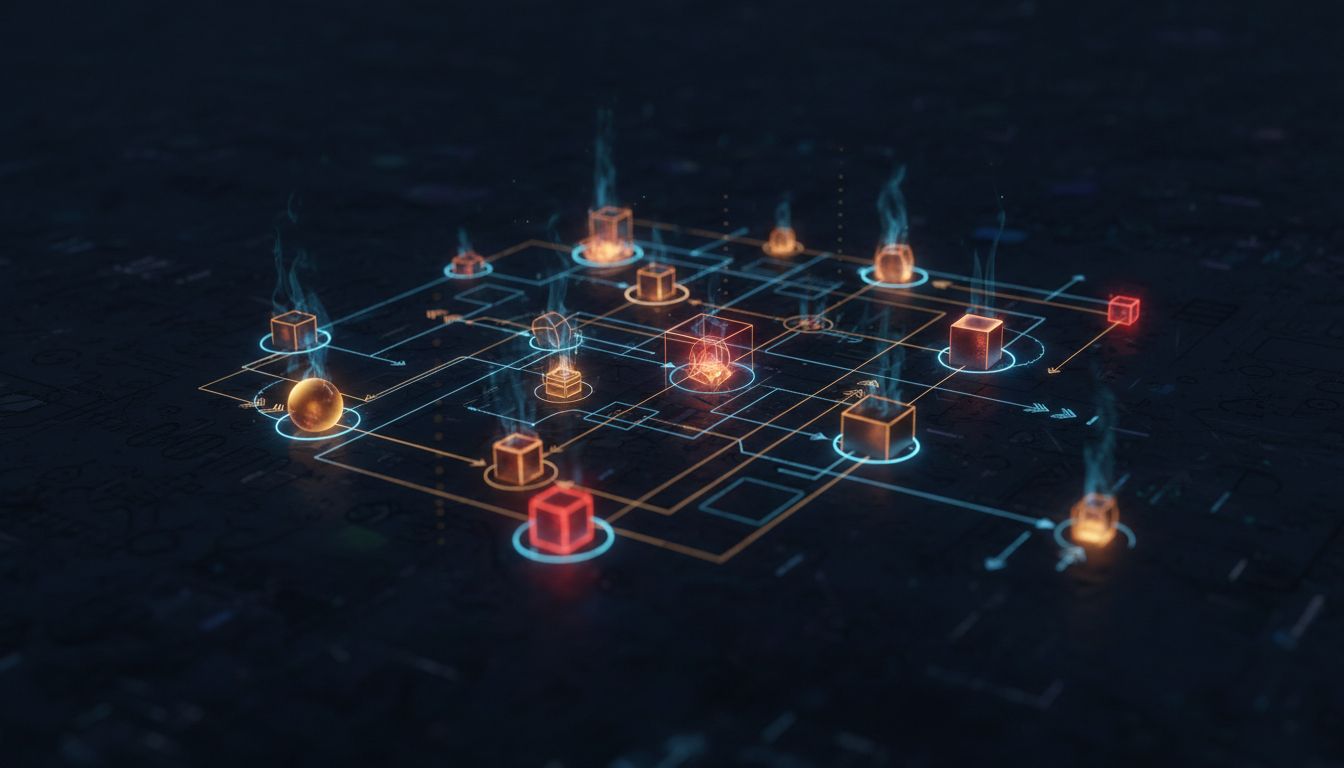
Digital Productivity
Your Notifications Are Not Interrupting Your Focus
The standard advice is to silence notifications and protect your focus. That advice misdiagnoses the problem entirely.

Lena Park writes about software development practices, developer tools, and the culture of building software. A full-stack developer turned writer, she covers how engineering teams actually work: from architecture decisions to deployment strategies.
The standard advice is to silence notifications and protect your focus. That advice misdiagnoses the problem entirely.
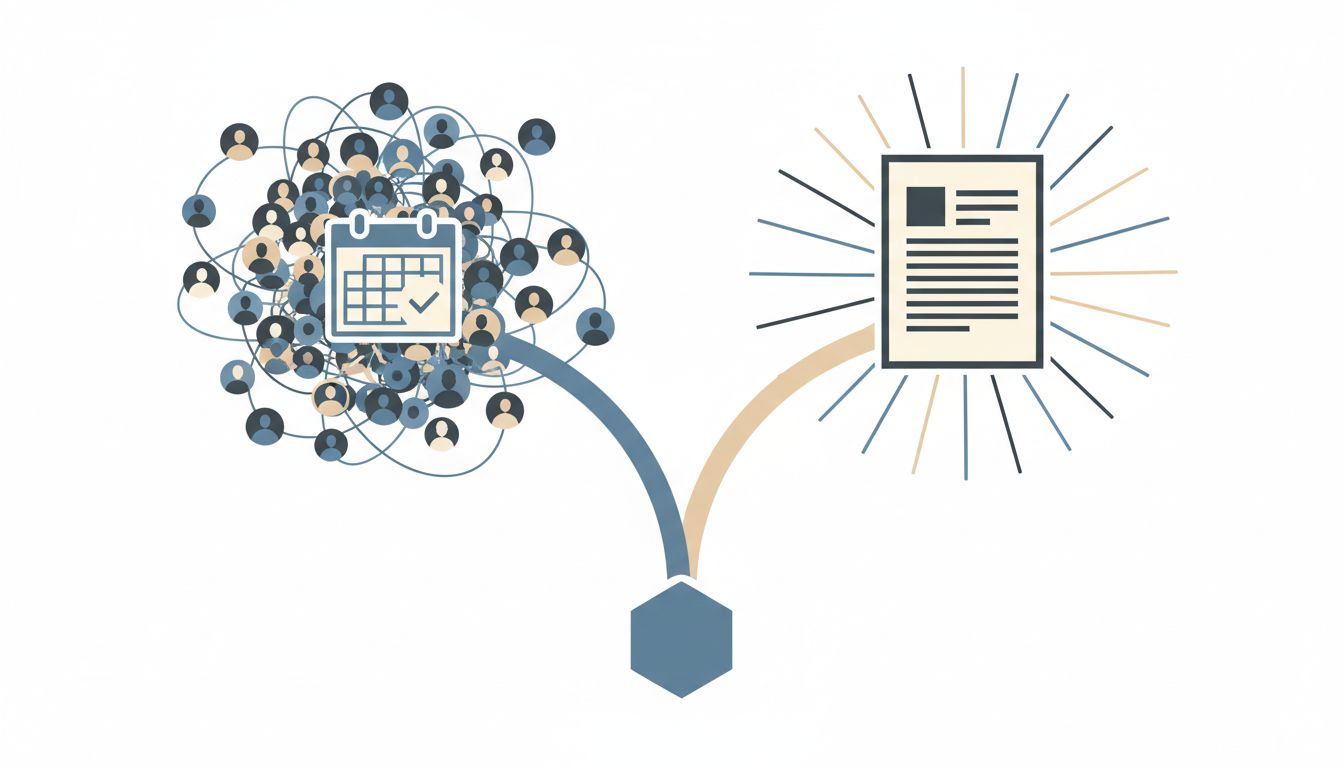
Not every meeting is a waste of time, but most of them are. Here's how to tell which kind you're in before you schedule it.
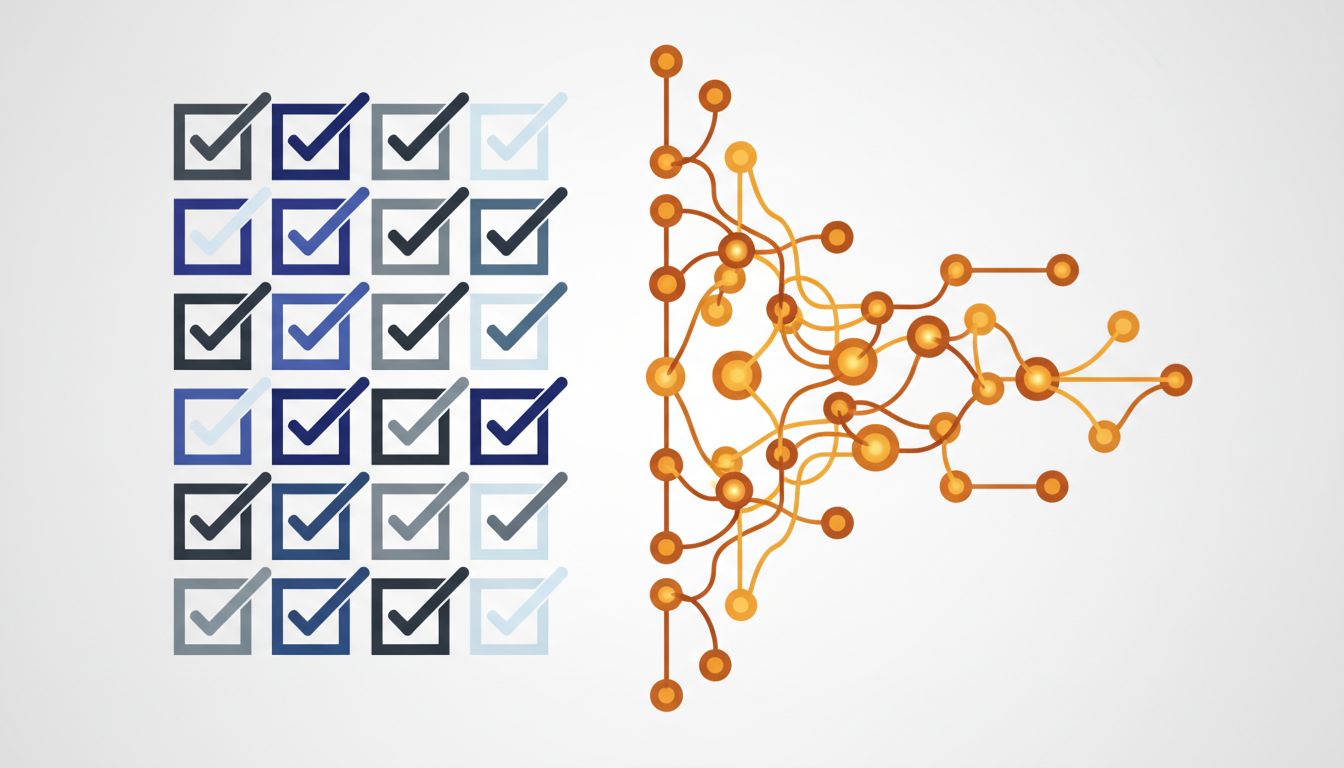
Todo apps are great at tracking discrete actions. They're terrible at capturing the thinking, deciding, and noticing that actually moves things forward.
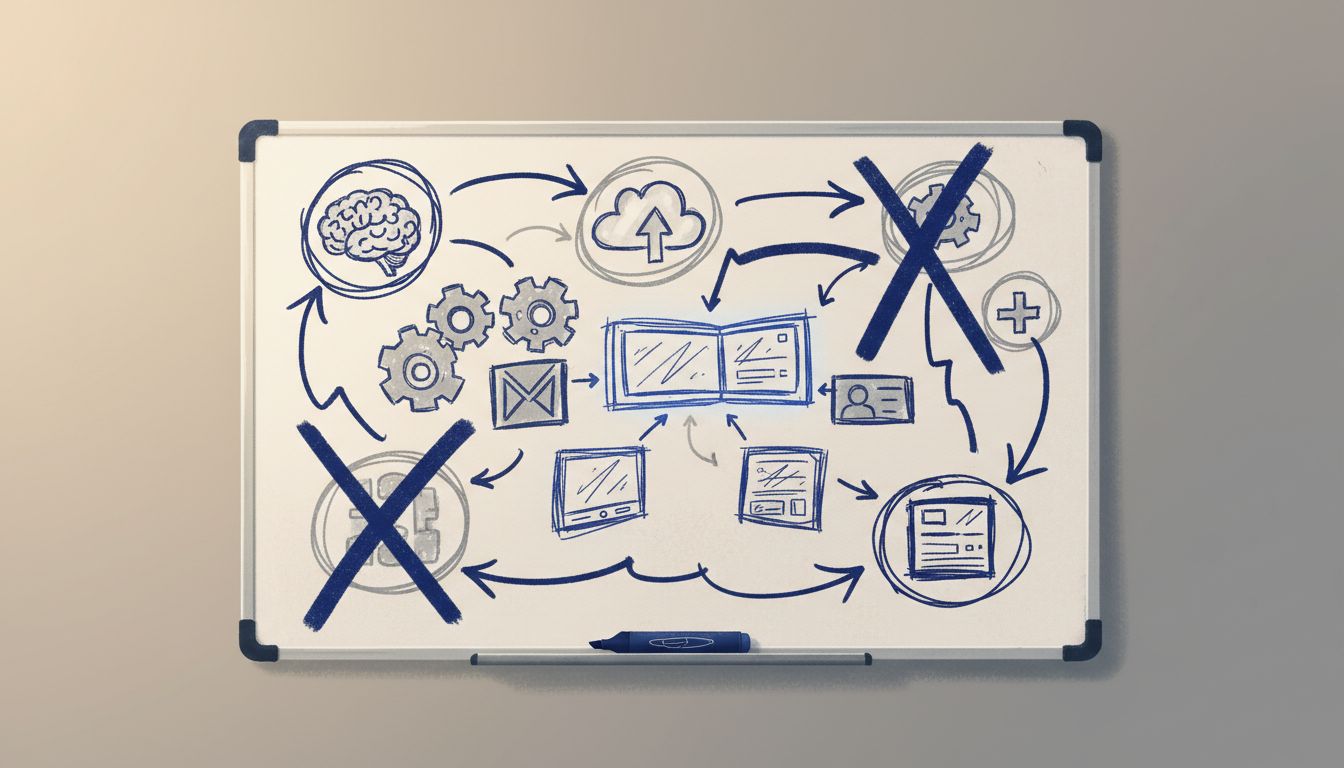
A product team at Basecamp kept shipping the wrong thing. The fix wasn't better planning. It was a deliberately unstructured conversation.
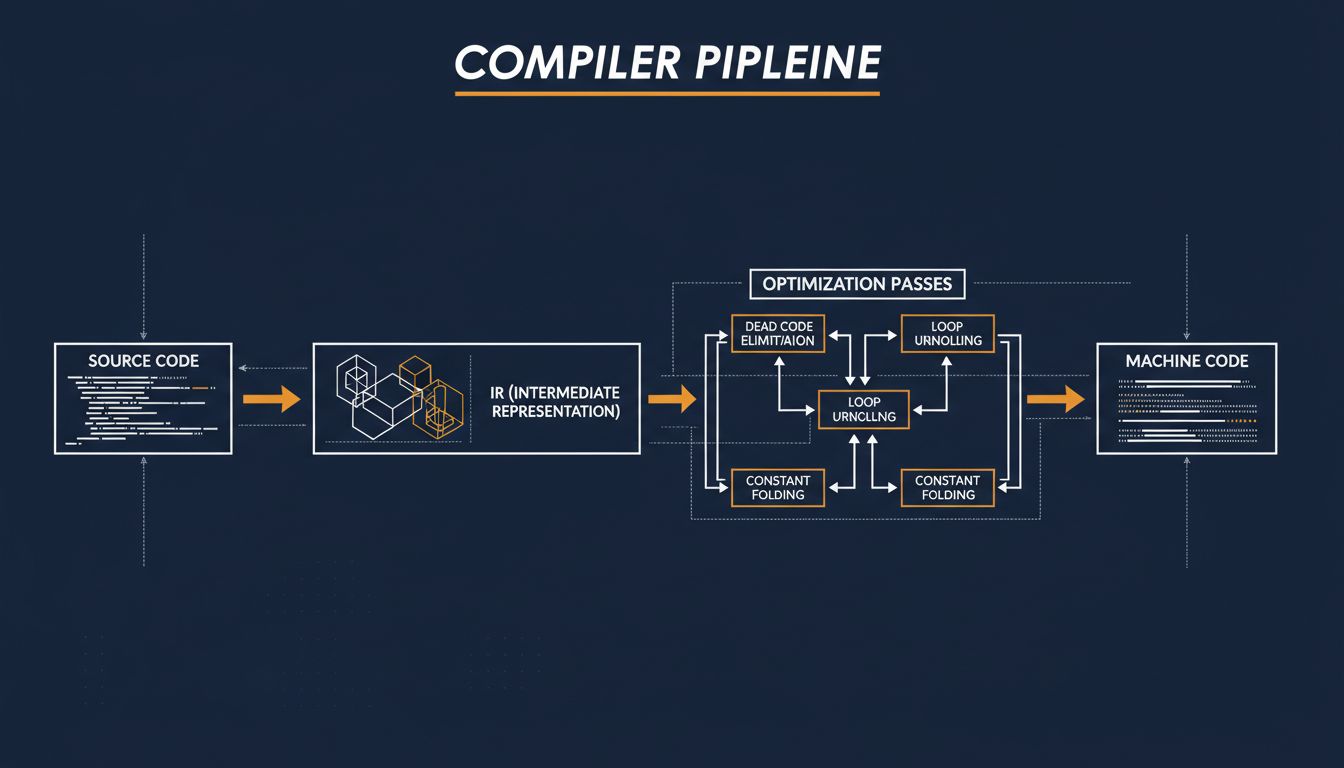
Every technique AI boosters claim is revolutionary, your compiler has been doing since the Reagan administration. Here's what that actually means.
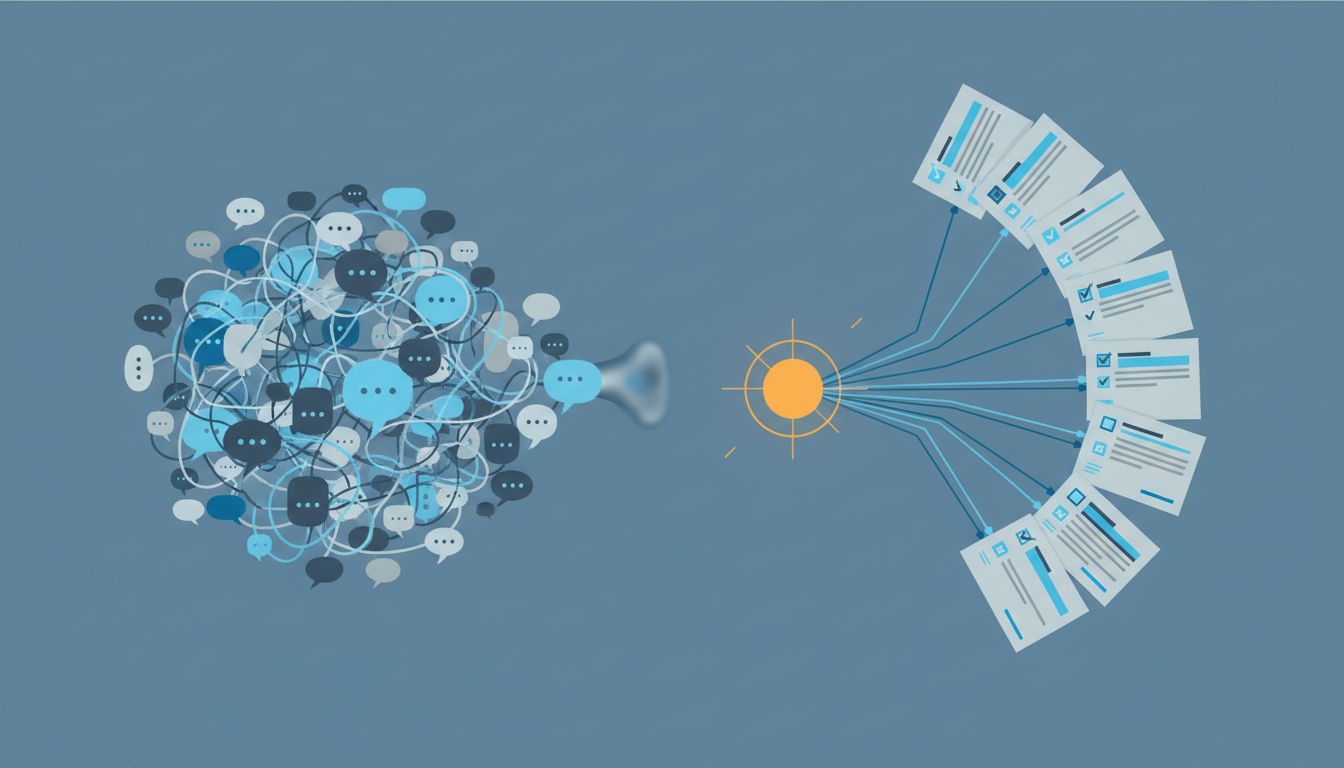
Async work isn't just a substitute for meetings. For certain kinds of thinking, it's structurally superior. Here's why.
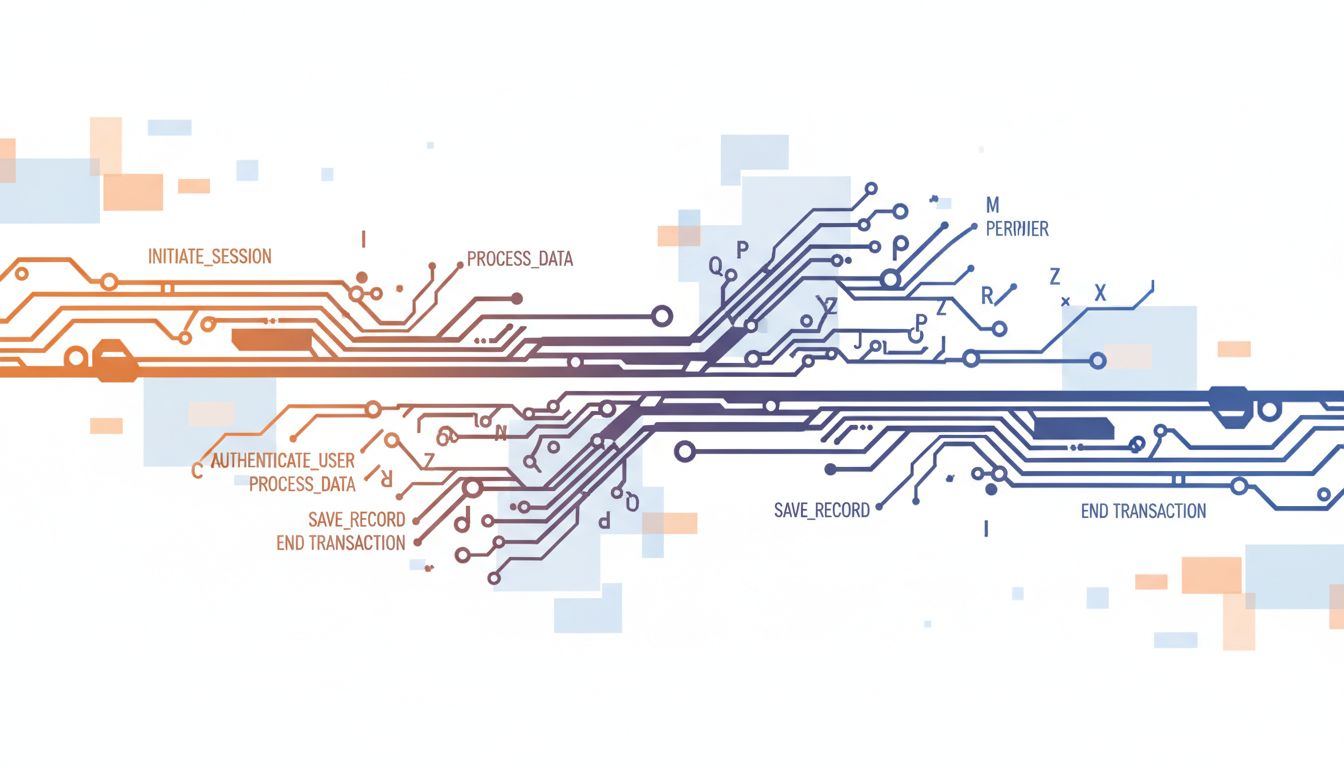
Variable names are free at runtime but expensive in practice. Here's why naming is one of the highest-leverage decisions in software.

Your brain isn't broken. Your scheduling logic is. There's a specific cognitive trap that makes urgent work feel like productive work, and it compounds every day.
Better autocomplete doesn't make you a better writer. It makes you a faster one, which is a completely different thing.
Embeddings aren't just a preprocessing step. They're quietly making decisions throughout your AI system, and most teams don't realize it until something breaks.
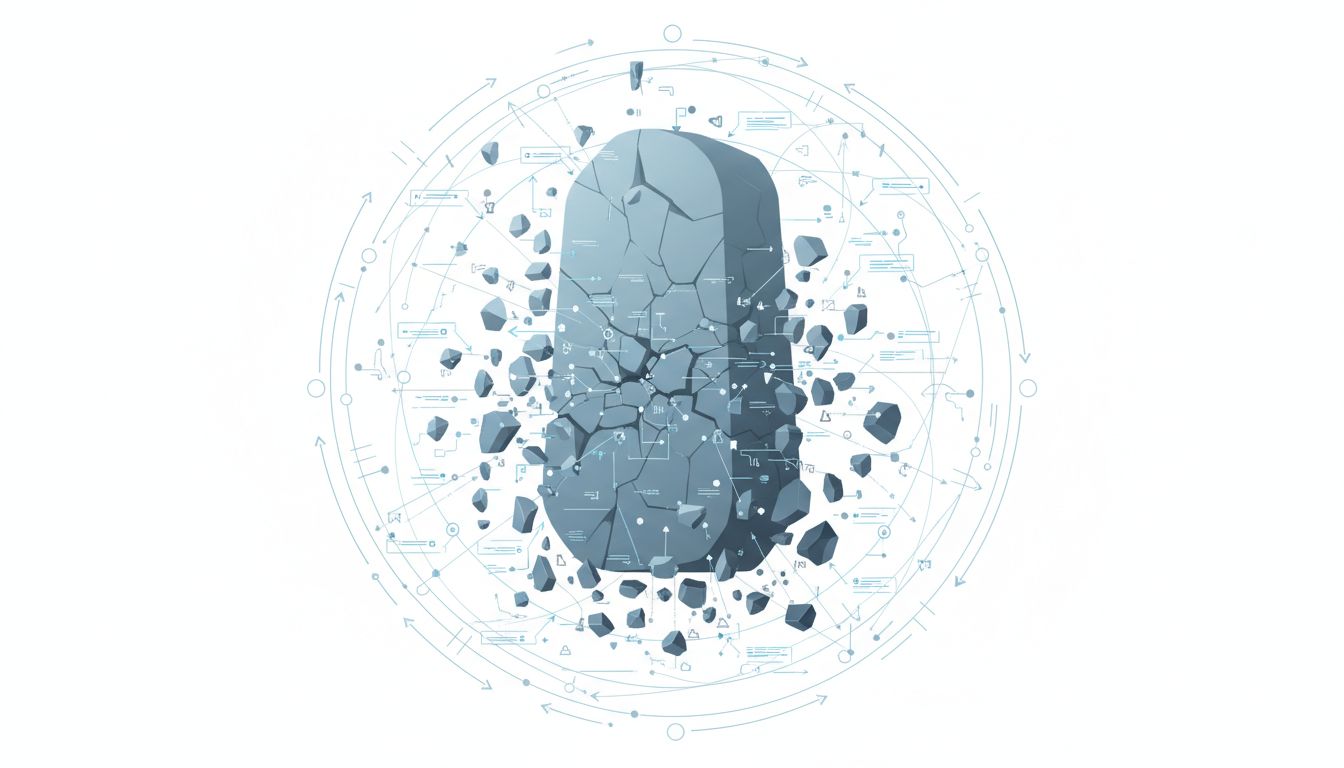
Breaking work into tiny pieces creates overhead that compounds quietly. The problem isn't granularity itself — it's where the cost hides.

Some bugs disappear the moment you look for them. Understanding why is more useful than any debugging trick.

Most remote teams interpret async-first as 'fewer meetings.' That's a surface-level reading that misses the harder, more important half of the idea.
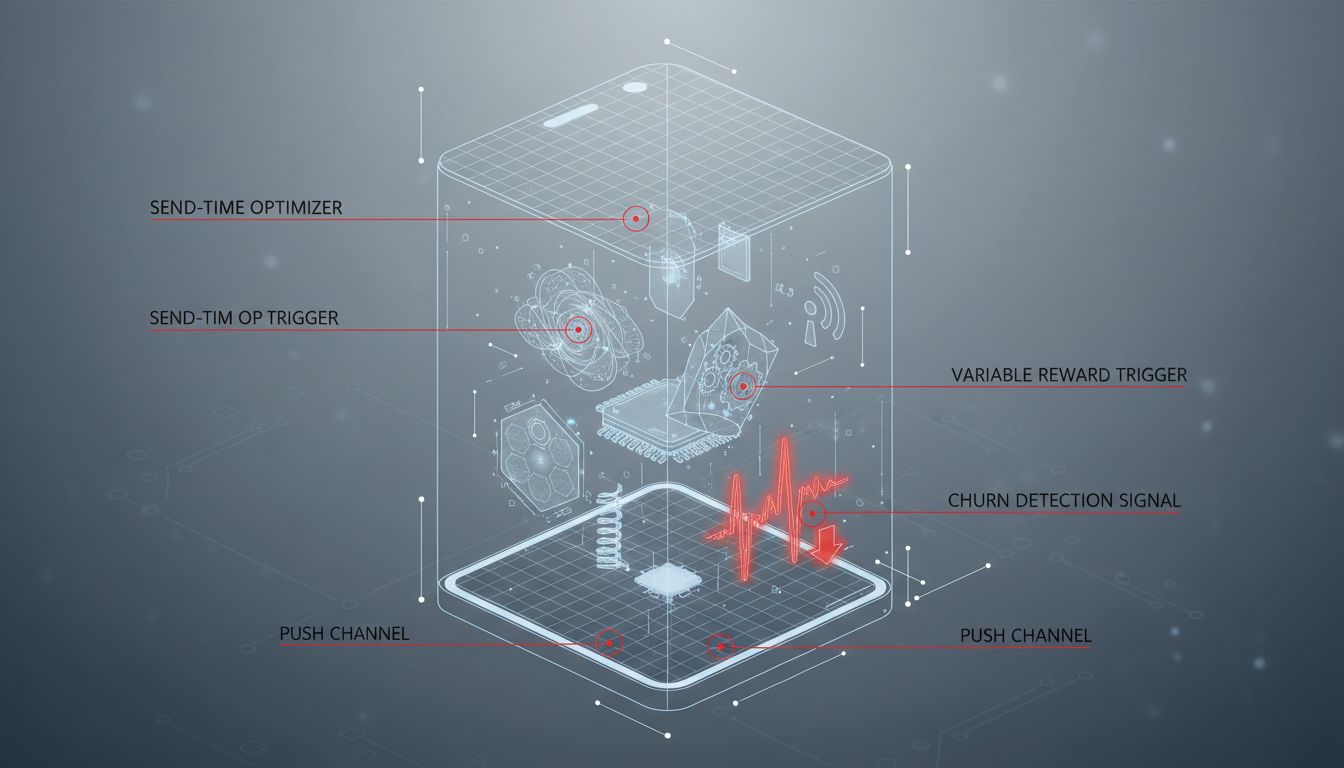
Every ping on your phone was designed by a team optimizing for re-engagement metrics. Understanding the system helps you fight back.
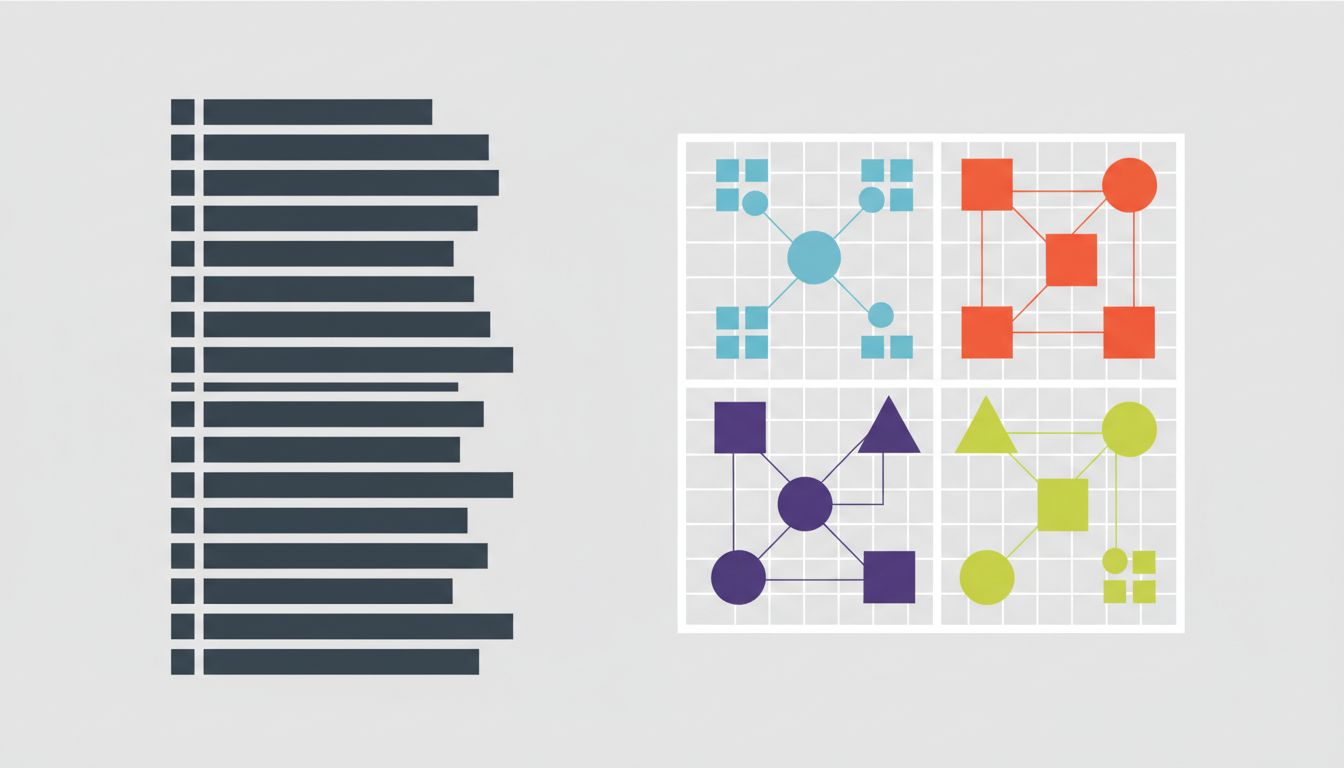
To-do lists are good at capturing work. They're bad at helping you decide what actually matters. That's a different tool for a different job.

The attention mechanism fixed sequence modeling but left data hunger, compute costs, and context limits mostly unsolved. The bottleneck just moved.
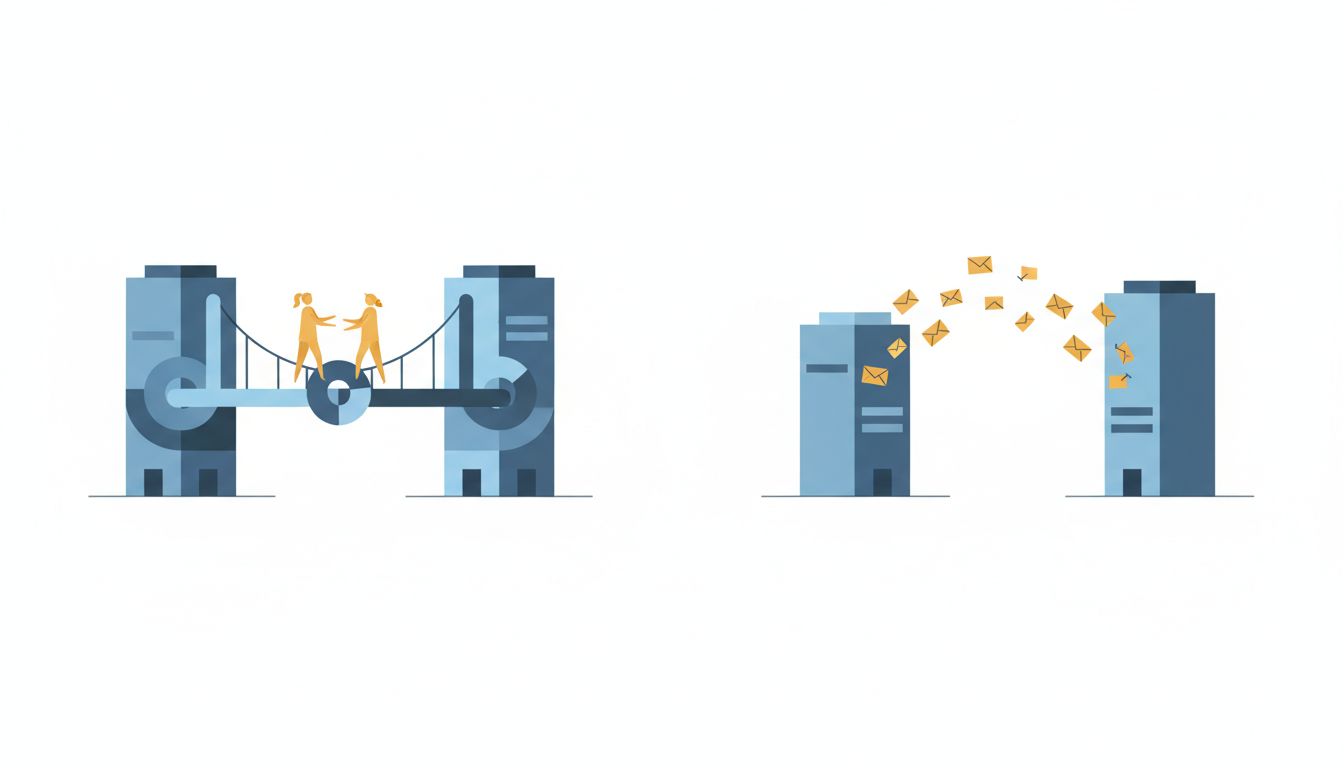
"This meeting could have been an email" is everywhere, but it diagnoses the wrong thing. The actual dysfunction runs much deeper than format.
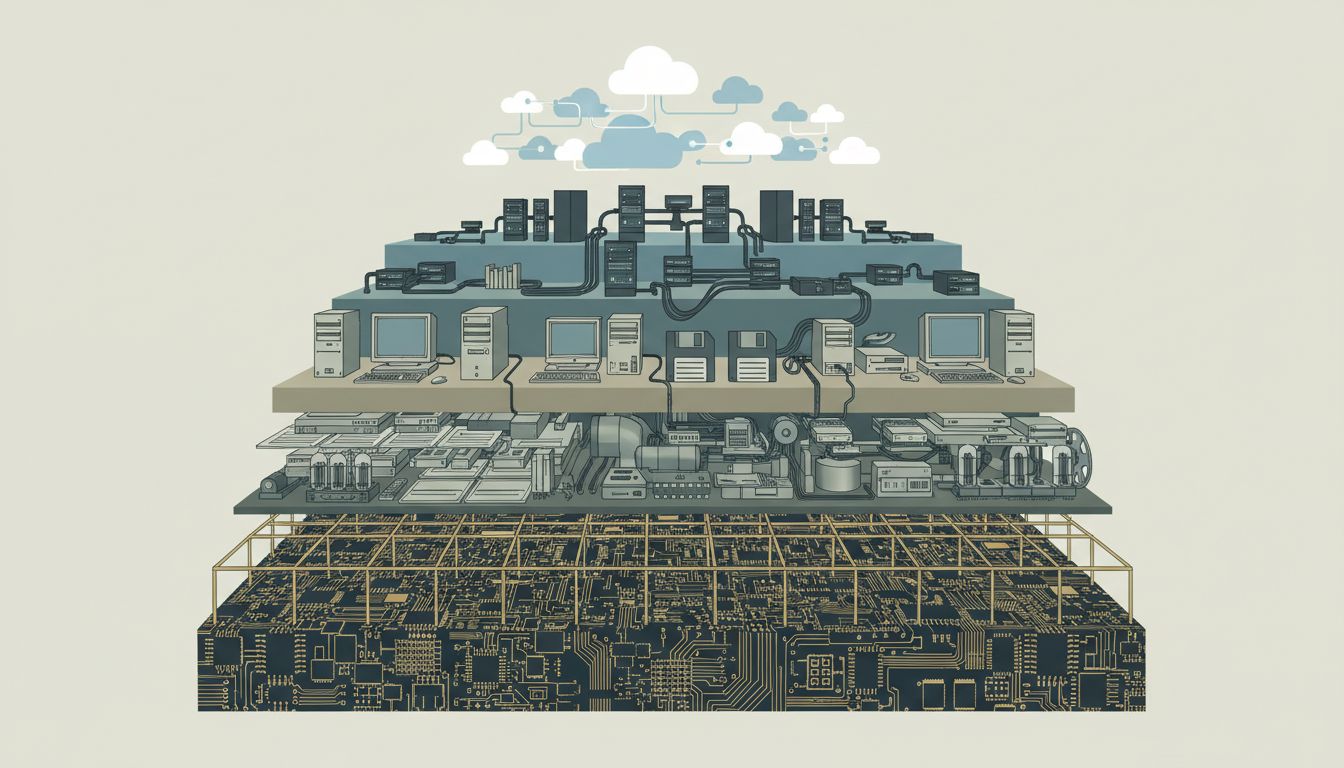
The oldest, ugliest code in your stack is often load-bearing in ways no one fully understands. That's not a coincidence.
Join thousands of readers who get our weekly breakdown of the most important stories in technology.
Free forever. Unsubscribe anytime.