Digital Productivity
Finishing a Task and Closing It Are Not the Same Thing
You did the work. But if you never formally closed the task, your brain didn't get the memo. Here's why that gap is draining your focus.

Lena Park writes about software development practices, developer tools, and the culture of building software. A full-stack developer turned writer, she covers how engineering teams actually work: from architecture decisions to deployment strategies.
You did the work. But if you never formally closed the task, your brain didn't get the memo. Here's why that gap is draining your focus.
Scheduling a meeting feels like progress. Often it's the opposite. Here's the cognitive mechanism behind decision-avoidance meetings and how to stop running them.

You're not bad at deep work. You've just handed your best cognitive hours to a calendar that doesn't know the difference between thinking and talking.
A correct bug fix can introduce new failures. Here's how that happens, why large codebases are especially vulnerable, and what the Knight Capital collapse teaches us about it.
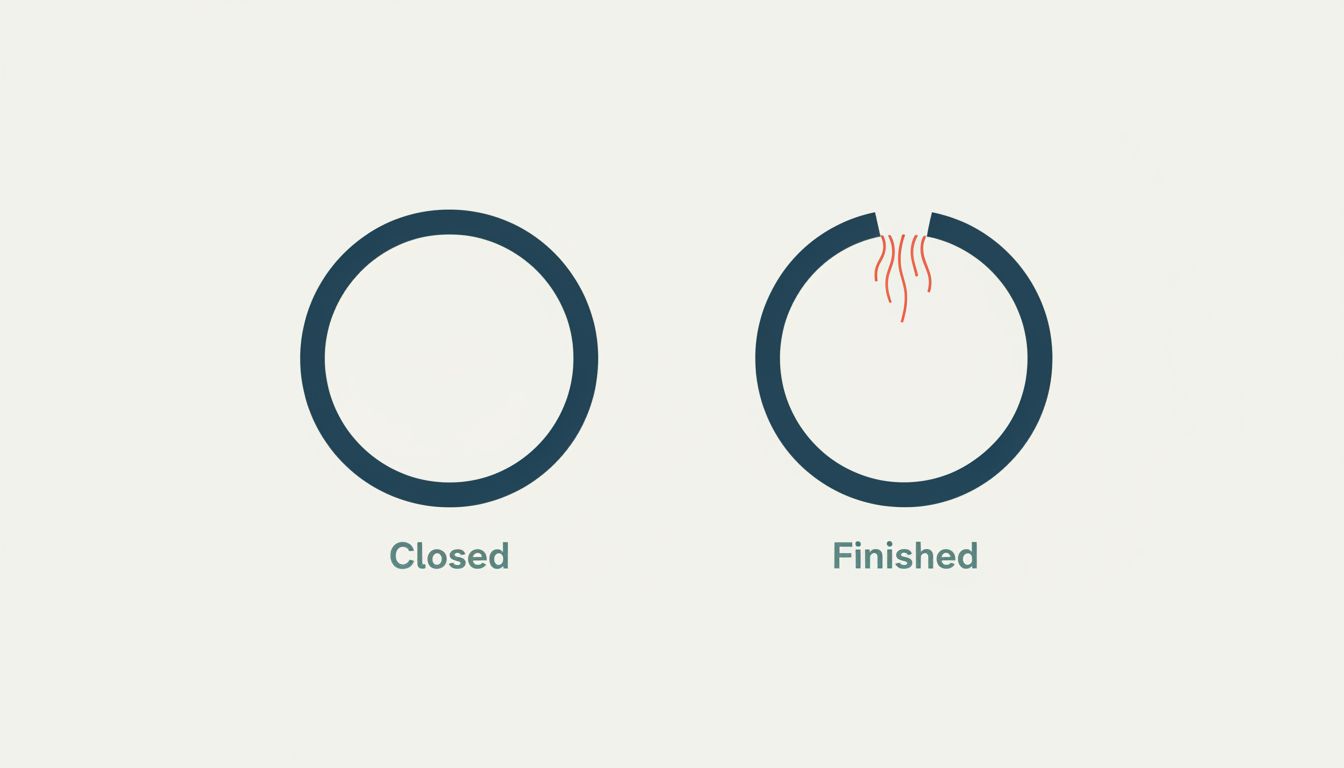
A software team's near-miss with a half-closed ticket system reveals why marking work 'done' and actually ending it are two very different things.
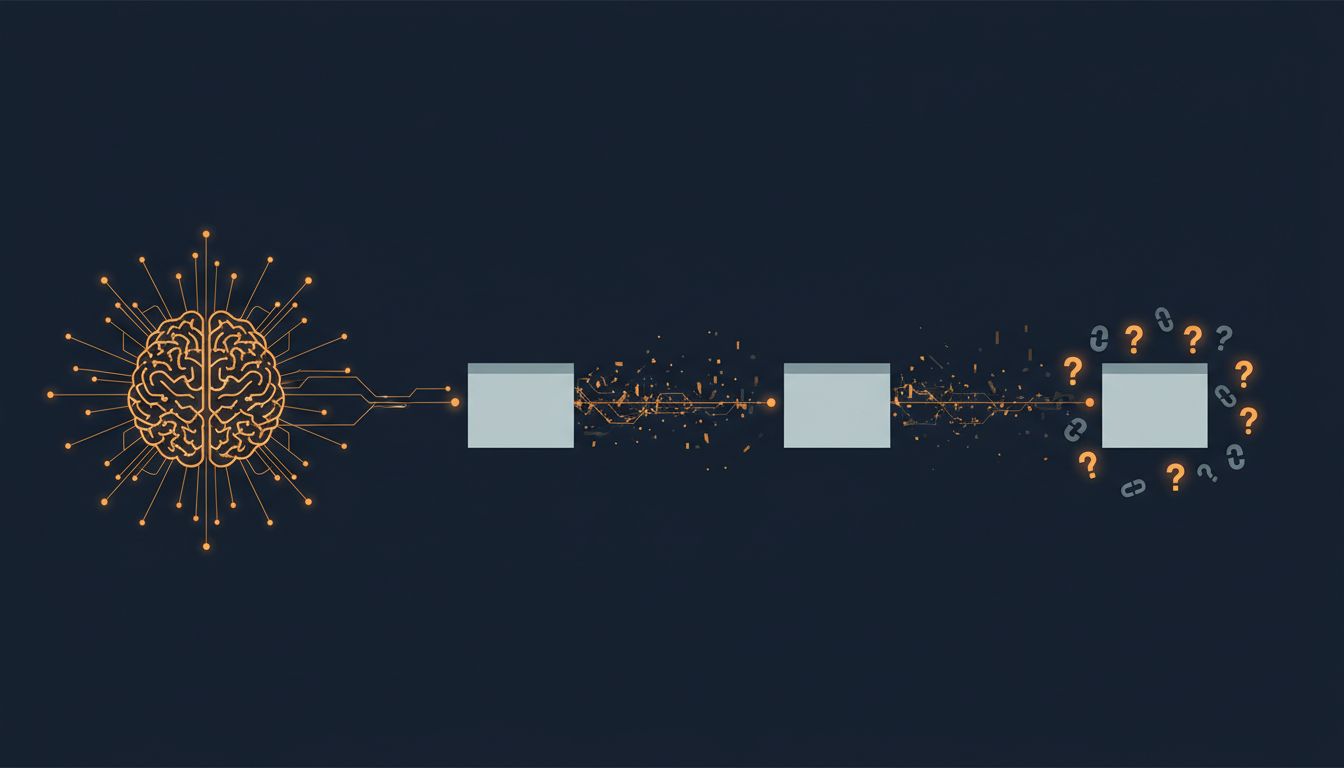
You wrote detailed notes for future-you. Future-you has no idea what they mean. This isn't a tool problem. It's a documentation design problem.
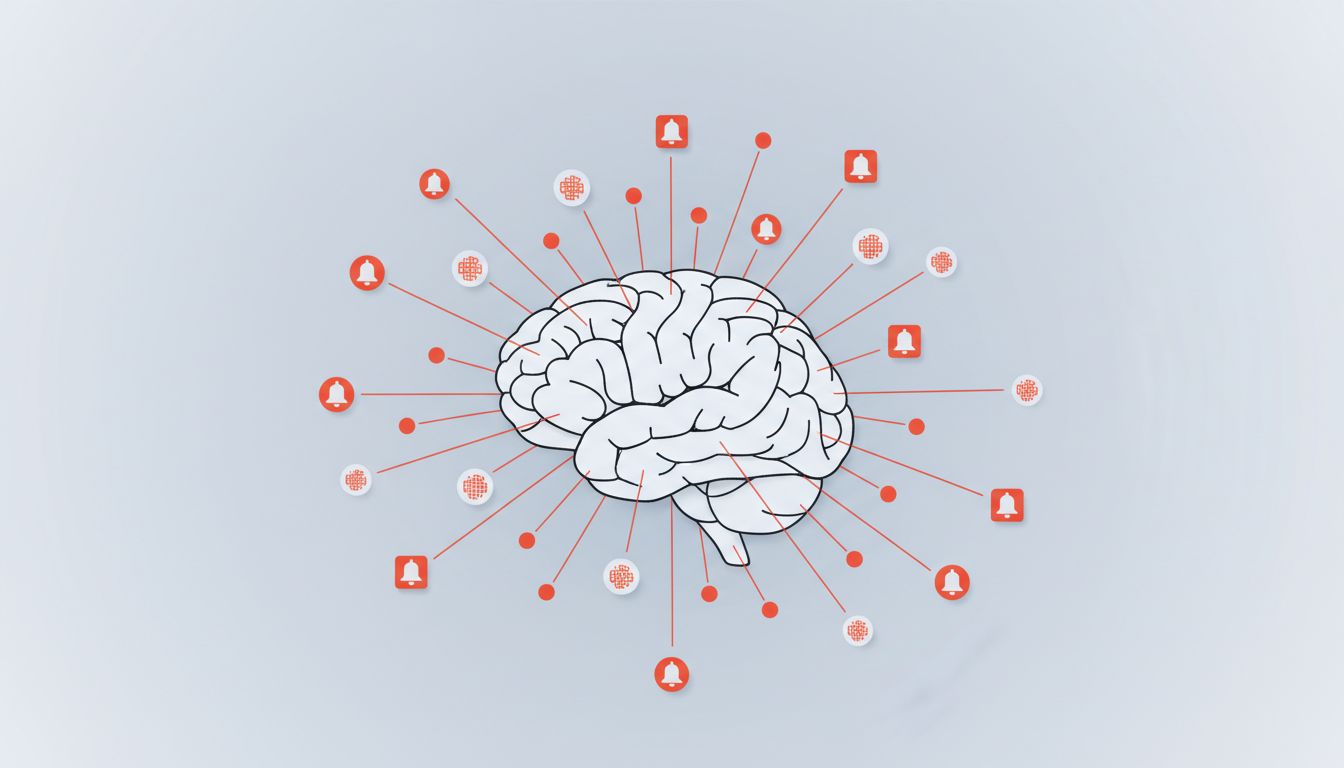
The problem isn't that notifications exist. It's that most people have never thought carefully about how they're configured, and the cognitive cost compounds quietly.
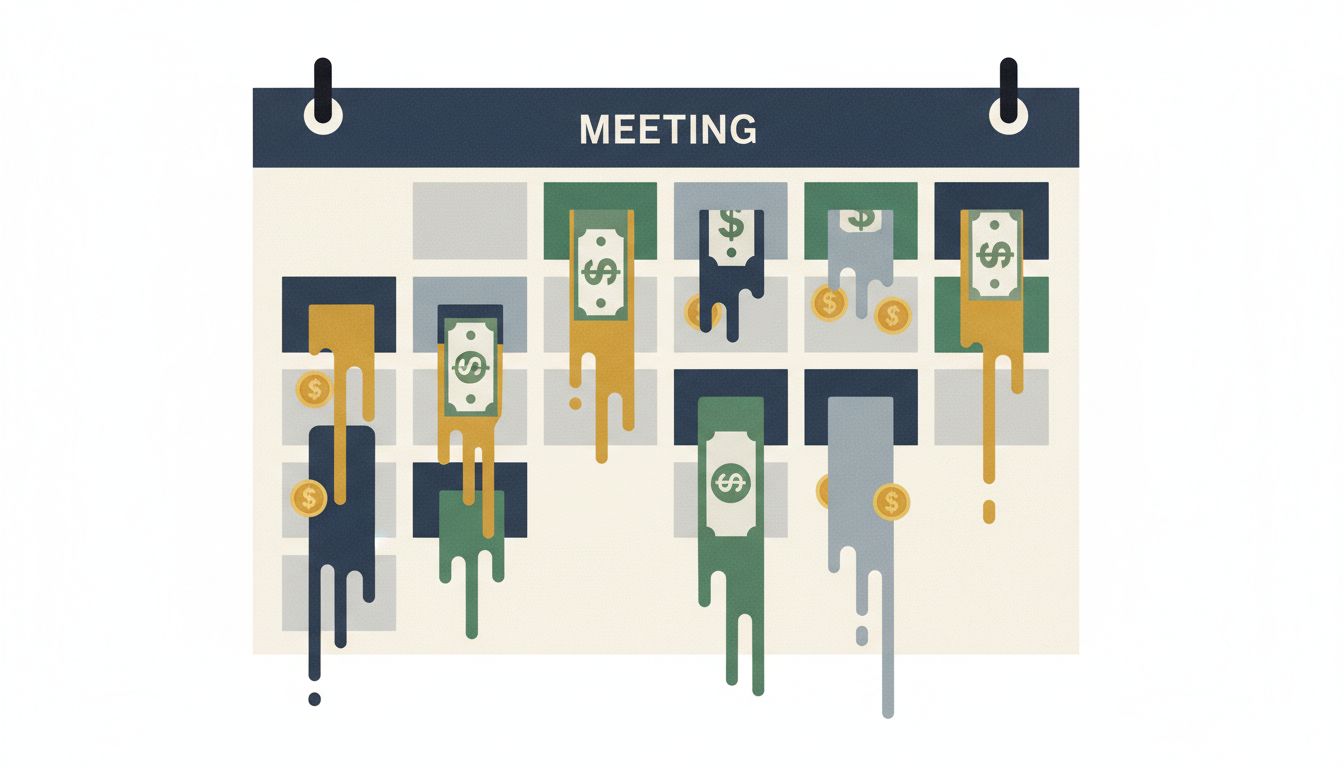
A software team tracked the true cost of their weekly sync and found the math brutal. Here's what they learned about meeting overhead that nobody calculates.
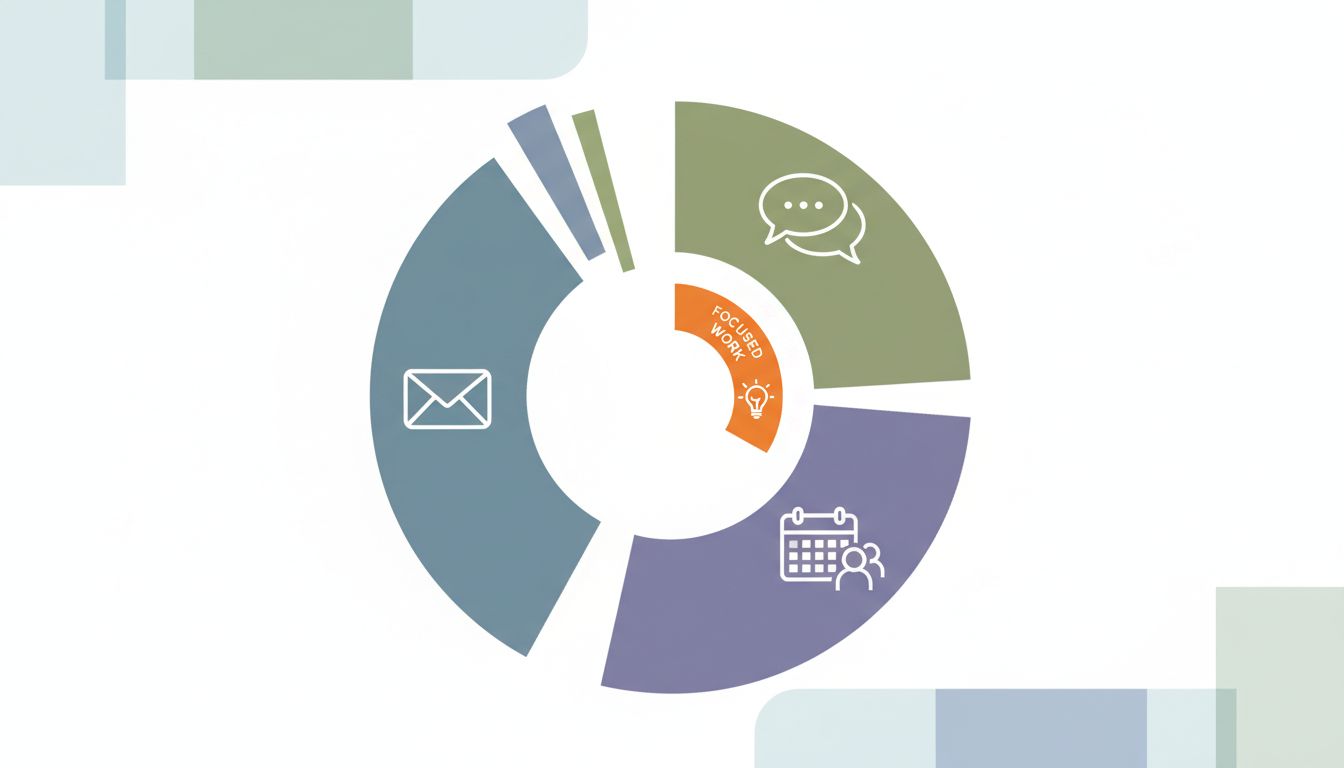
The research on how we really spend our workdays is uncomfortable. Understanding the gap between perceived and actual productive time is the first step to closing it.
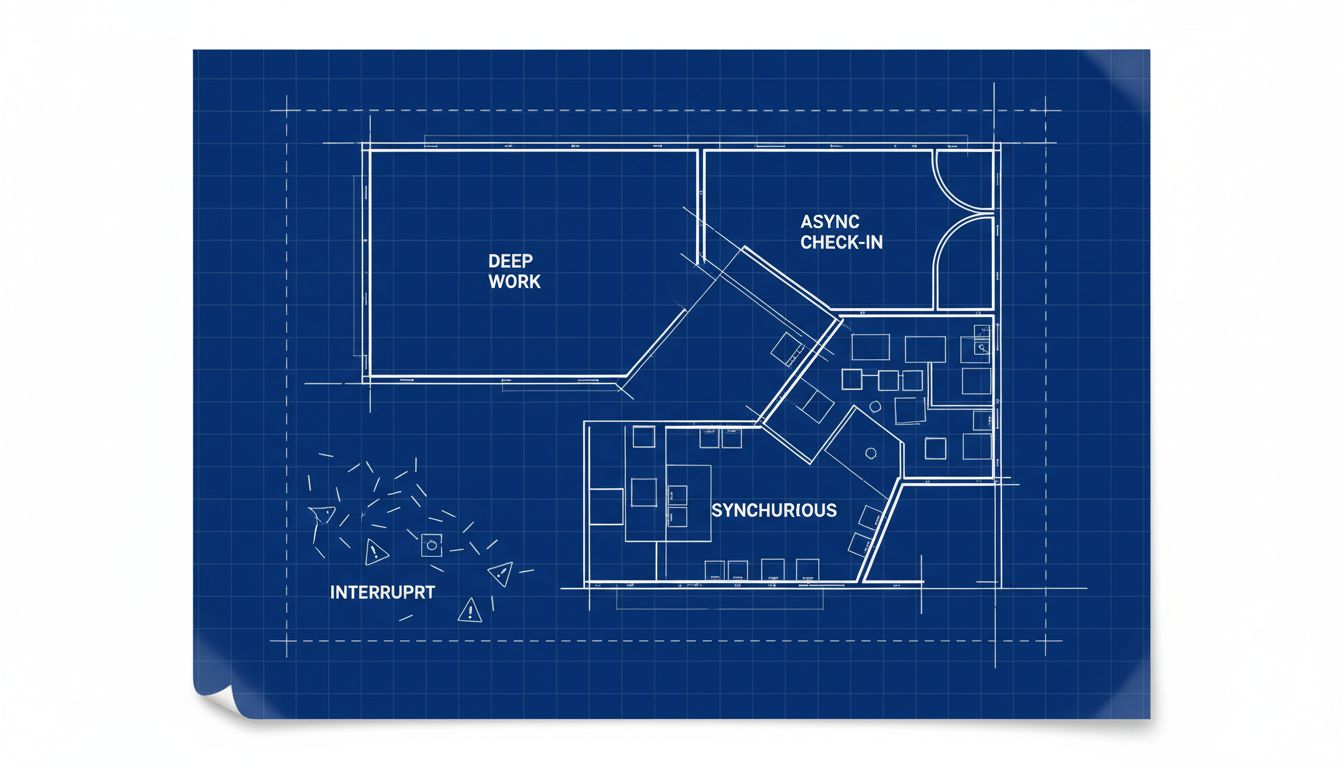
Blaming notifications for your distraction problem is like blaming your inbox for your email problem. The architecture underneath is what's broken.

Bigger AI models aren't always better. Smaller, specialized models are faster, cheaper, and often more accurate for the tasks that actually matter in production.
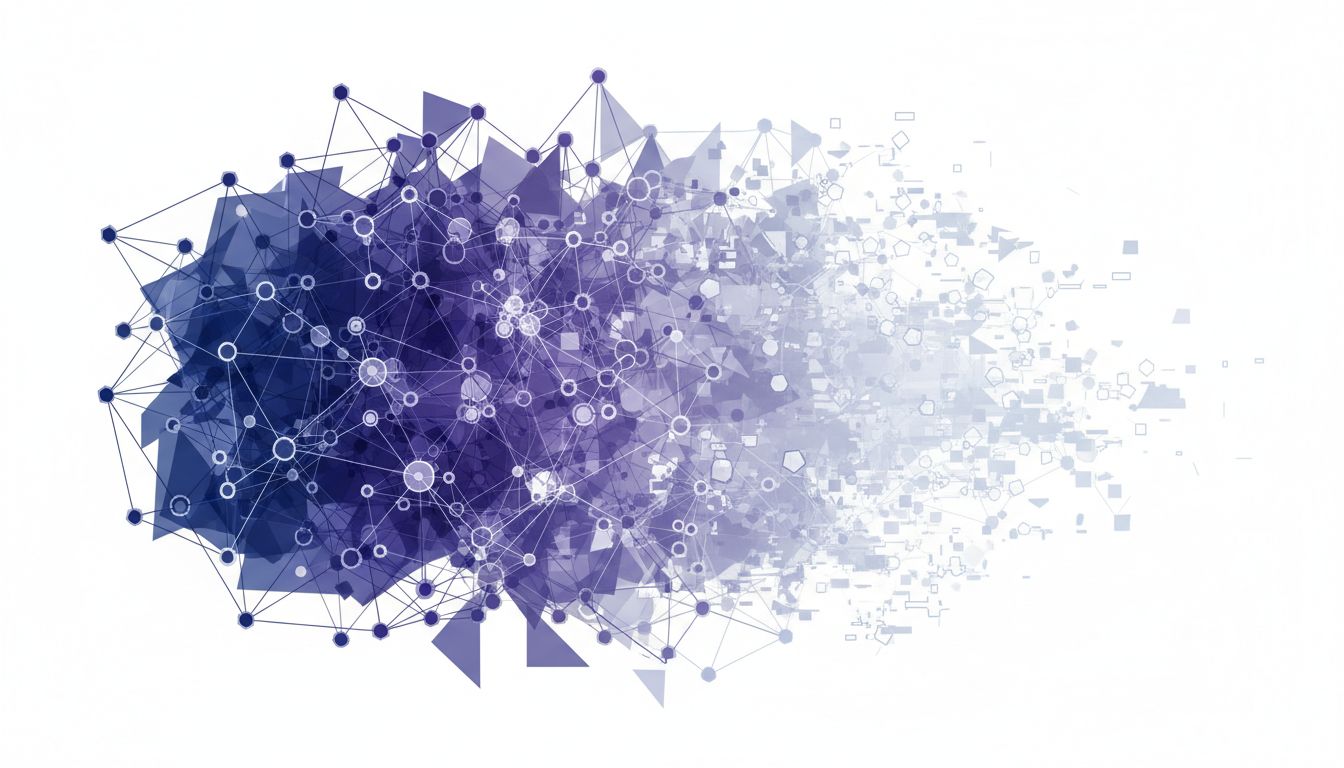
A software team's postmortem reveals something worse than lost time: context switching doesn't pause your thinking, it corrupts it.

Every notification you receive has already cost you something, whether you act on it or not. Here's how to think about that cost systematically.
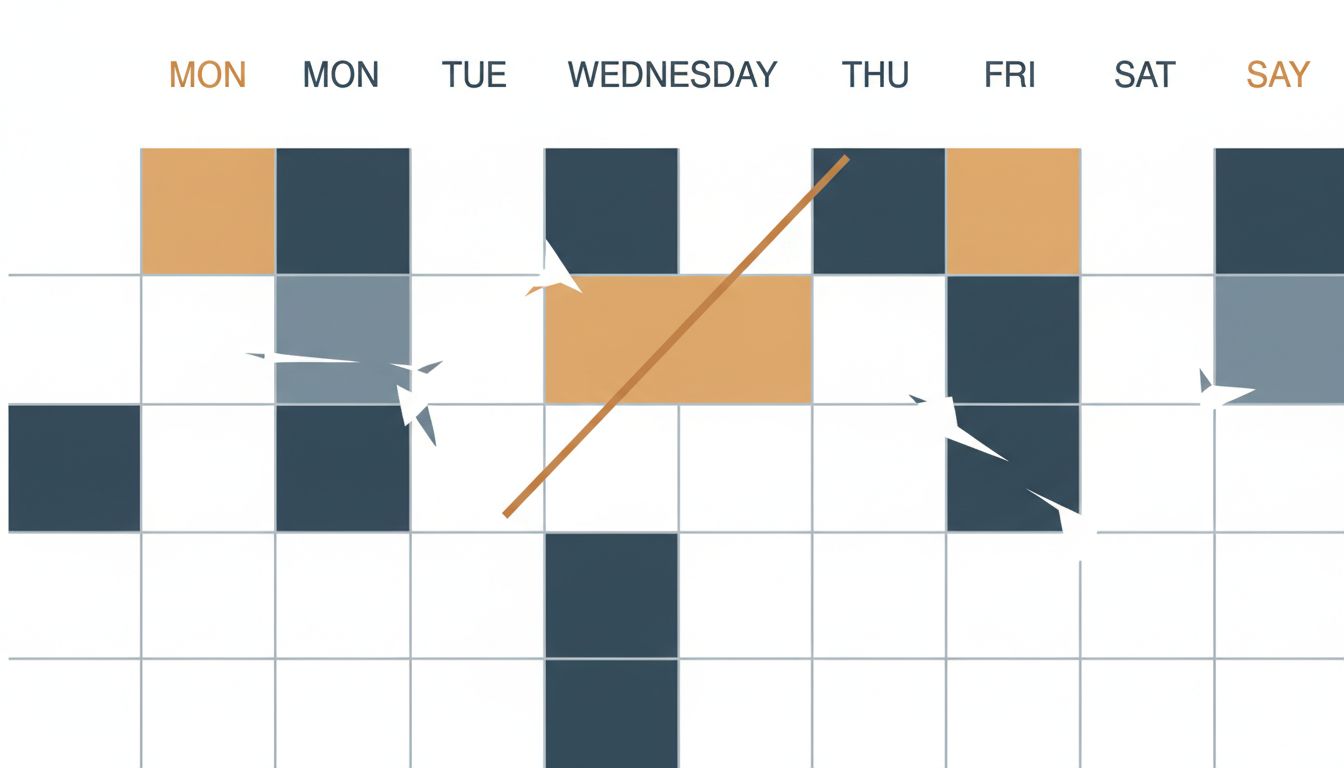
Canceling a meeting isn't avoidance. Sometimes it's the most productive decision in your calendar. Here's why, item by item.

Engineers spend weeks optimizing inference. Meanwhile, the real latency culprit sits quietly in preprocessing, I/O, and orchestration code nobody's benchmarked.
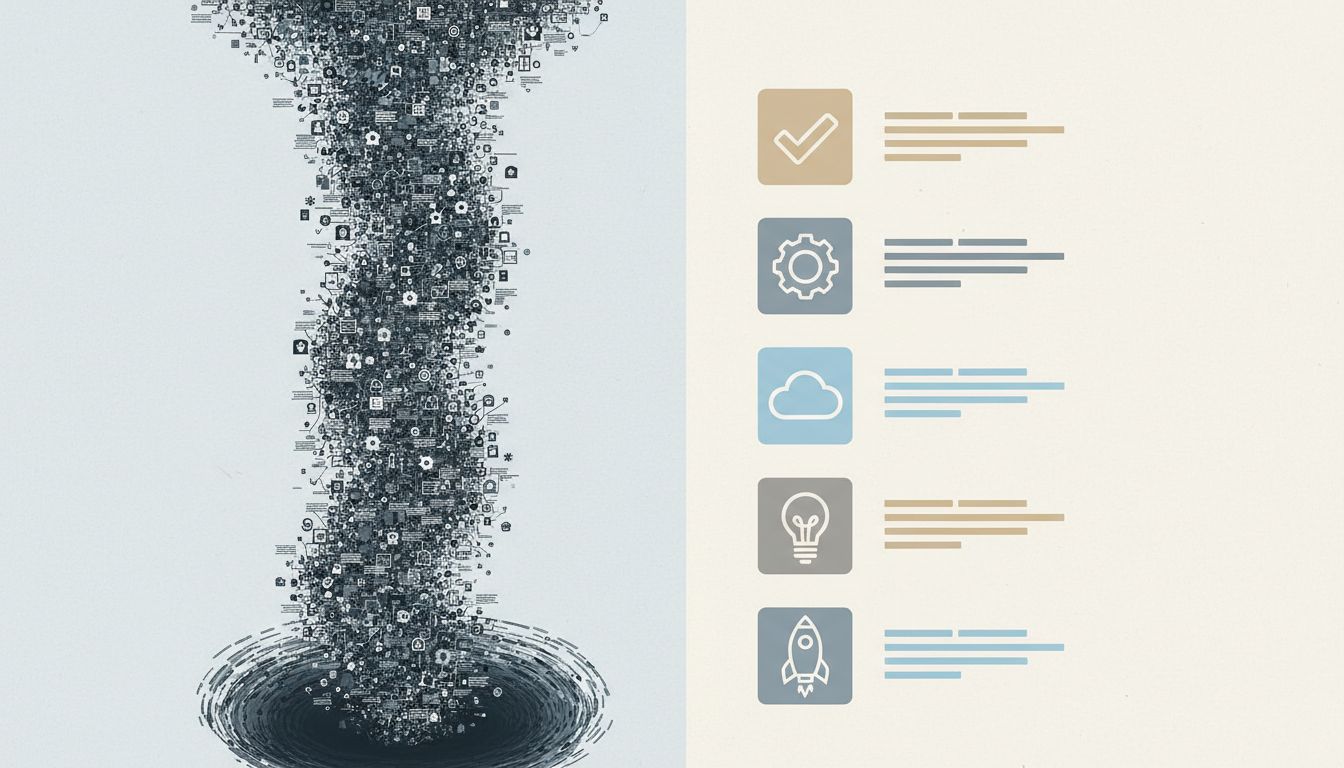
Every popular to-do system is optimized for capture. Almost none are optimized for completion. Here's what that costs you.

Heisenbugs vanish the moment you try to observe them. Understanding why they exist is the first step to catching them.

A stubborn architectural problem at a software consultancy got solved not in a sprint, but in the shower. Here's why that keeps happening and what to do about it.
Join thousands of readers who get our weekly breakdown of the most important stories in technology.
Free forever. Unsubscribe anytime.