
The Dot-Com Bust Gave Us Google's Best Products, and That Was Not an Accident
Recessions don't kill good ideas. They kill the bad ones crowding them out. Google's 2001-2003 playbook explains why.
Marcus Webb covers Big Tech strategy and platform economics. A veteran technology journalist with over 15 years of experience, Marcus specializes in explaining the competitive dynamics and strategic thinking behind the moves of the world's largest technology companies.
Recessions don't kill good ideas. They kill the bad ones crowding them out. Google's 2001-2003 playbook explains why.
Planned software obsolescence isn't a bug or lazy engineering. It's a revenue architecture, and once you see the structure, you can't unsee it.
A 4TB hard drive costs less than $100. Cloud storage at that scale runs hundreds per year. The gap isn't about hardware. It's about what storage actually is.
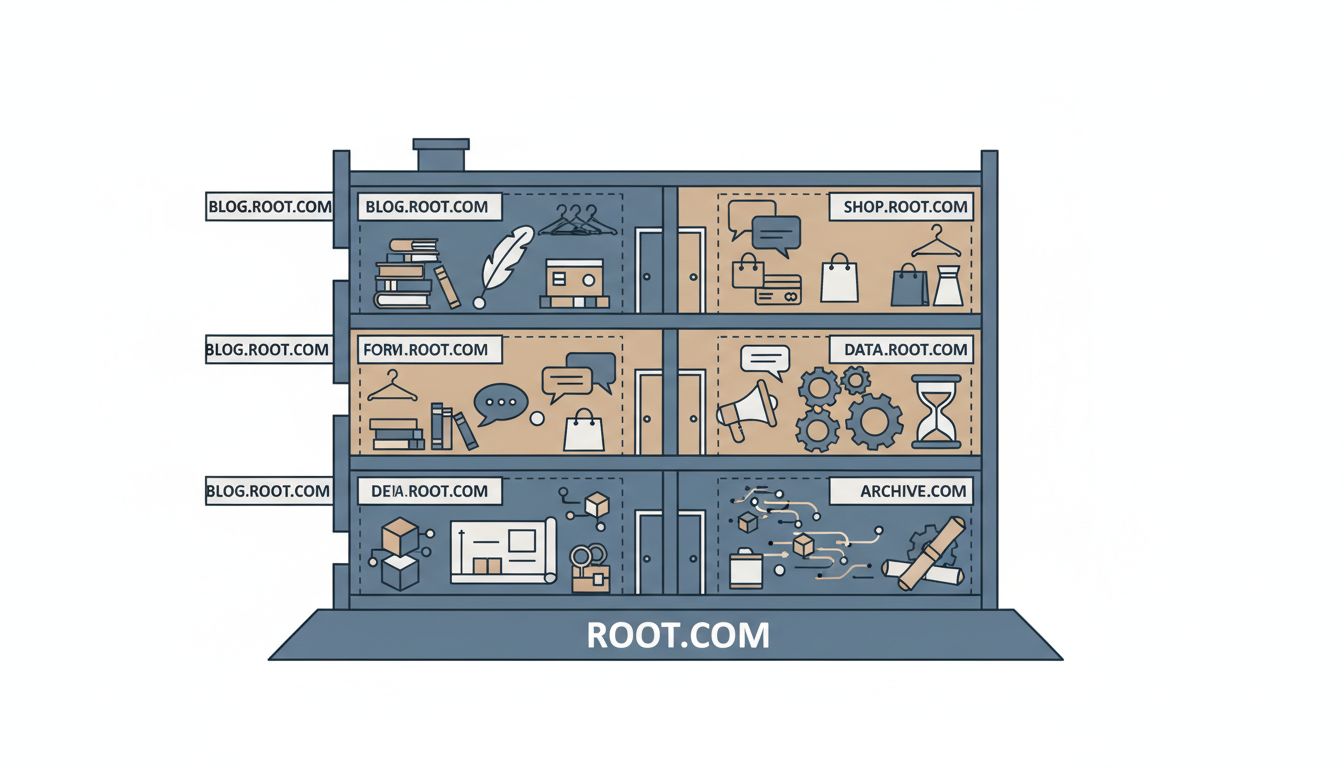
A premium domain and a free subdomain look similar in your browser's address bar. The economics behind them couldn't be more different.
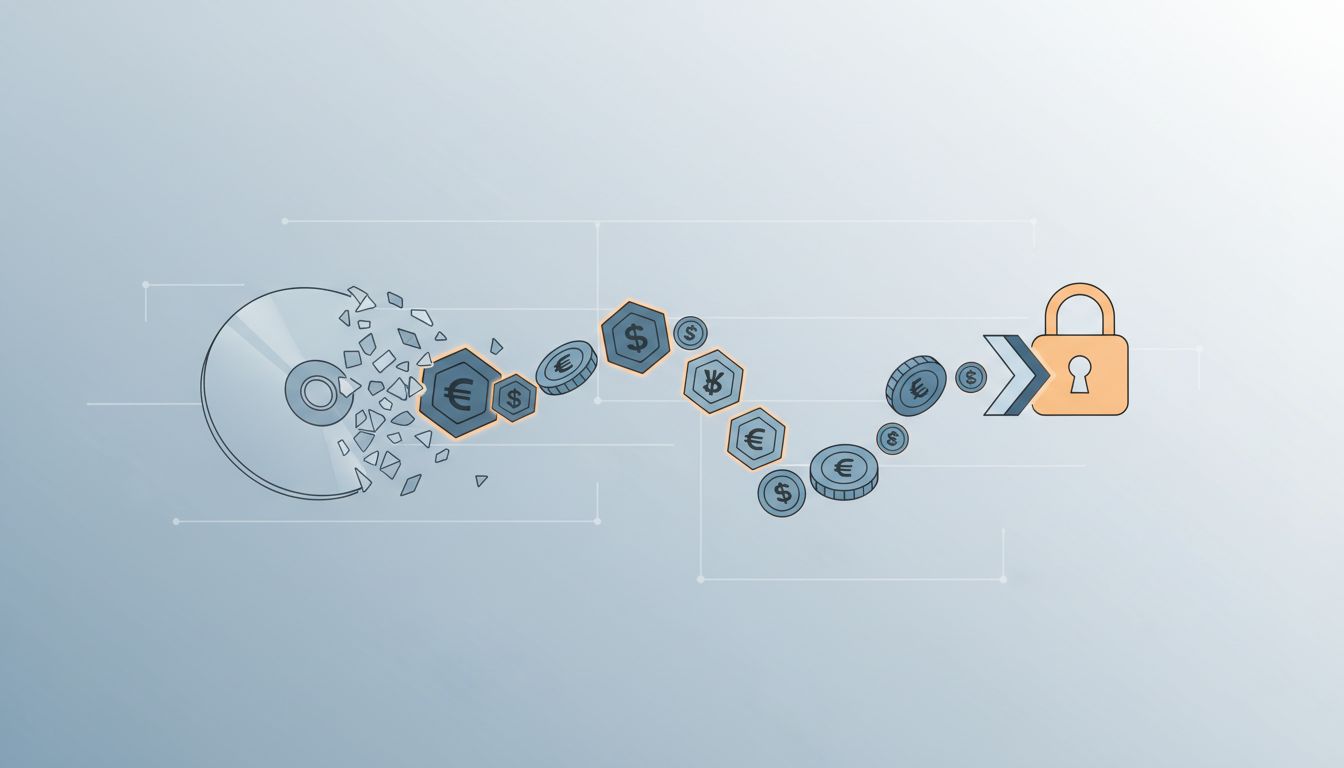
The price difference between a streaming service and a DVD isn't about convenience or costs. It's about what companies learned when they finally had the power to end ownership.
Intentional slowdowns during high traffic aren't engineering failures. They're calculated business decisions with real financial logic.
The reboot isn't a joke answer. It's an admission that modern software accumulates damage over time and restarting is genuinely the most efficient fix.
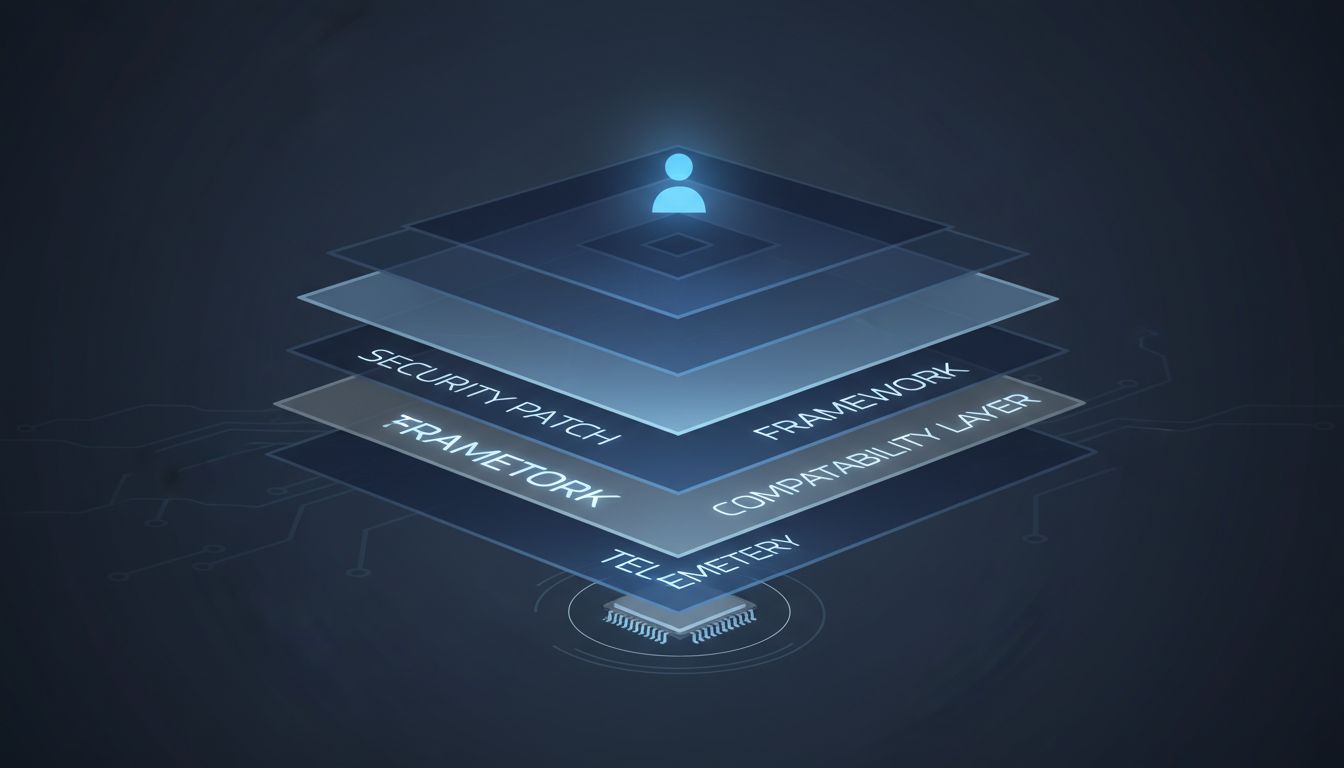
The slowdown you feel after every major update isn't a bug or carelessness. It's the inevitable output of how software is actually built and sold.
Venture capital's most durable mental model isn't a spreadsheet. It's a simple ratio that predicts fund returns before a single product ships.
The spinner you're watching isn't a failure of engineering. It's a deliberate design choice rooted in behavioral psychology and cold business logic.
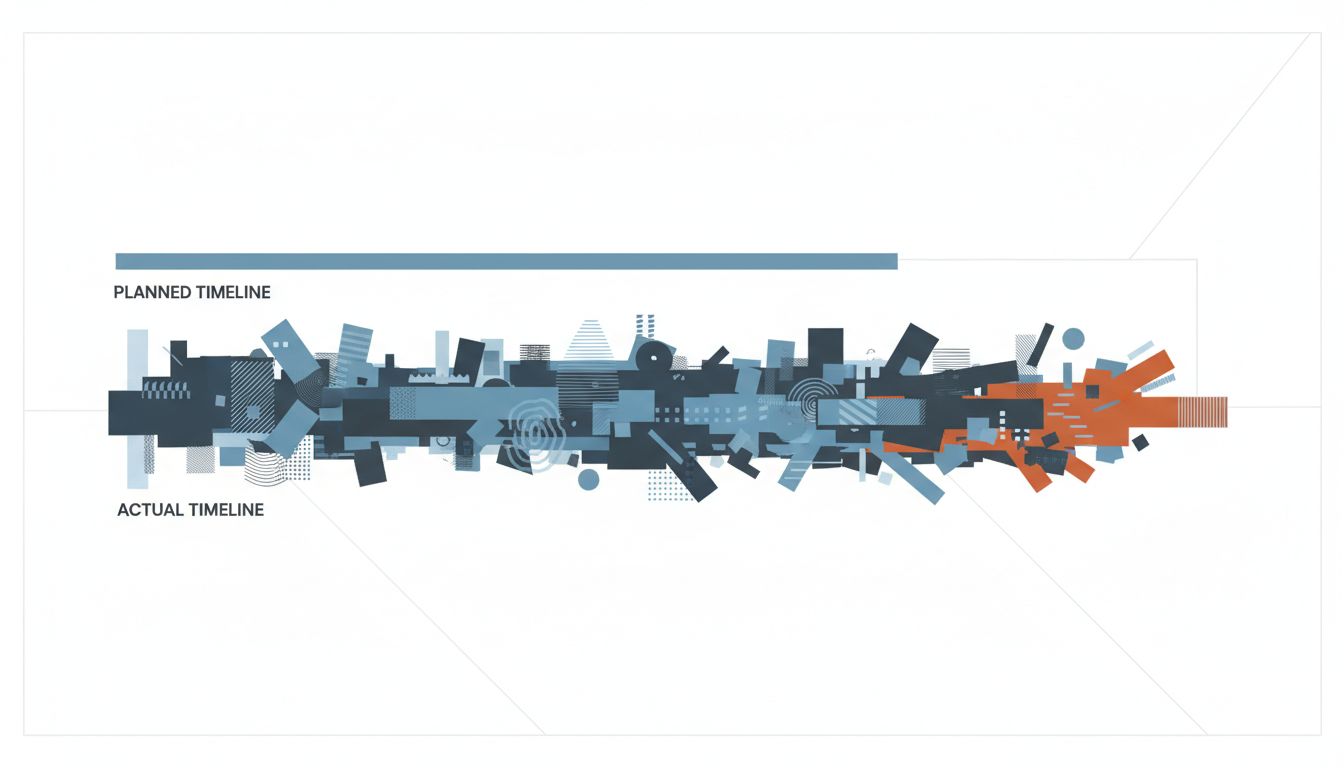
The chronic underestimation of software timelines isn't a planning failure. It's a social one, and the industry keeps misdiagnosing it.
Bootcamps don't outperform CS programs because they teach better. They outperform them because they engineered the hiring pipeline from the start.
Artificial performance limits aren't a bug in cloud pricing. They're the entire business model, and understanding them changes how you buy infrastructure.
Employee stock options look like a path to wealth. They're actually a sophisticated mechanism for transferring market risk from corporations to the people who can least afford it.
The industry standard for data center cooling is set far below what hardware actually requires. The gap between spec and practice reveals something uncomfortable about how tech infrastructure really works.
The best product teams don't study their users. They are their users. Here's the quiet hiring strategy behind some of tech's biggest wins.
Your software isn't aging poorly by accident. The slowdown is engineered, the economics are ruthless, and the playbook is older than the iPhone.
The features you can't find aren't accidents. They're strategy. Here's the cold economics behind buried settings, hidden tools, and invisible upgrades.
Join thousands of readers who get our weekly breakdown of the most important stories in technology.
Free forever. Unsubscribe anytime.