
Tech Economics
Tech IPOs Are Priced to Pop Because Wall Street Gets Paid When They Do
The first-day surge in tech IPOs looks like a market inefficiency. It's actually a feature, carefully engineered by the people setting the price.

Marcus Webb covers Big Tech strategy and platform economics. A veteran technology journalist with over 15 years of experience, Marcus specializes in explaining the competitive dynamics and strategic thinking behind the moves of the world's largest technology companies.
The first-day surge in tech IPOs looks like a market inefficiency. It's actually a feature, carefully engineered by the people setting the price.
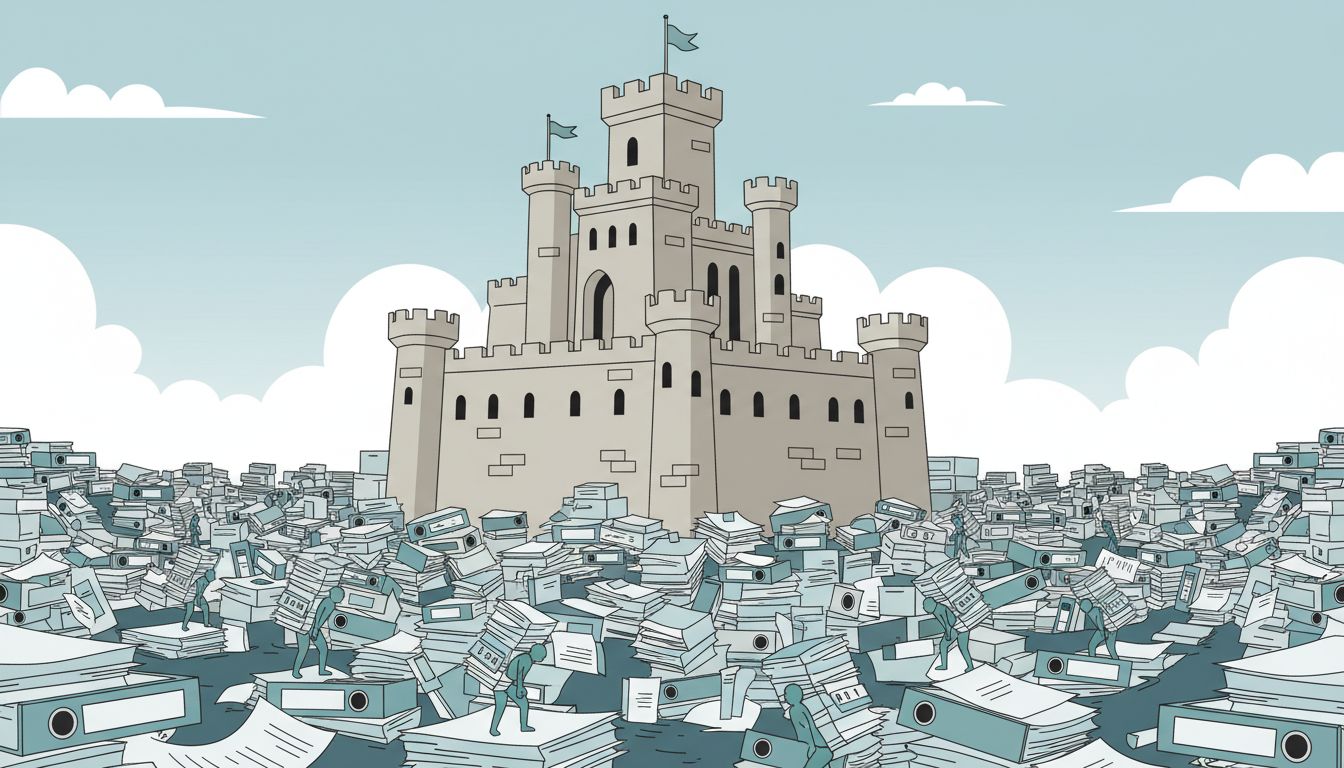
The paradox of big tech fighting its own regulations makes sense once you understand who those rules actually hurt.

Planned obsolescence looks like waste. It's actually a capital allocation strategy that most users never see coming.
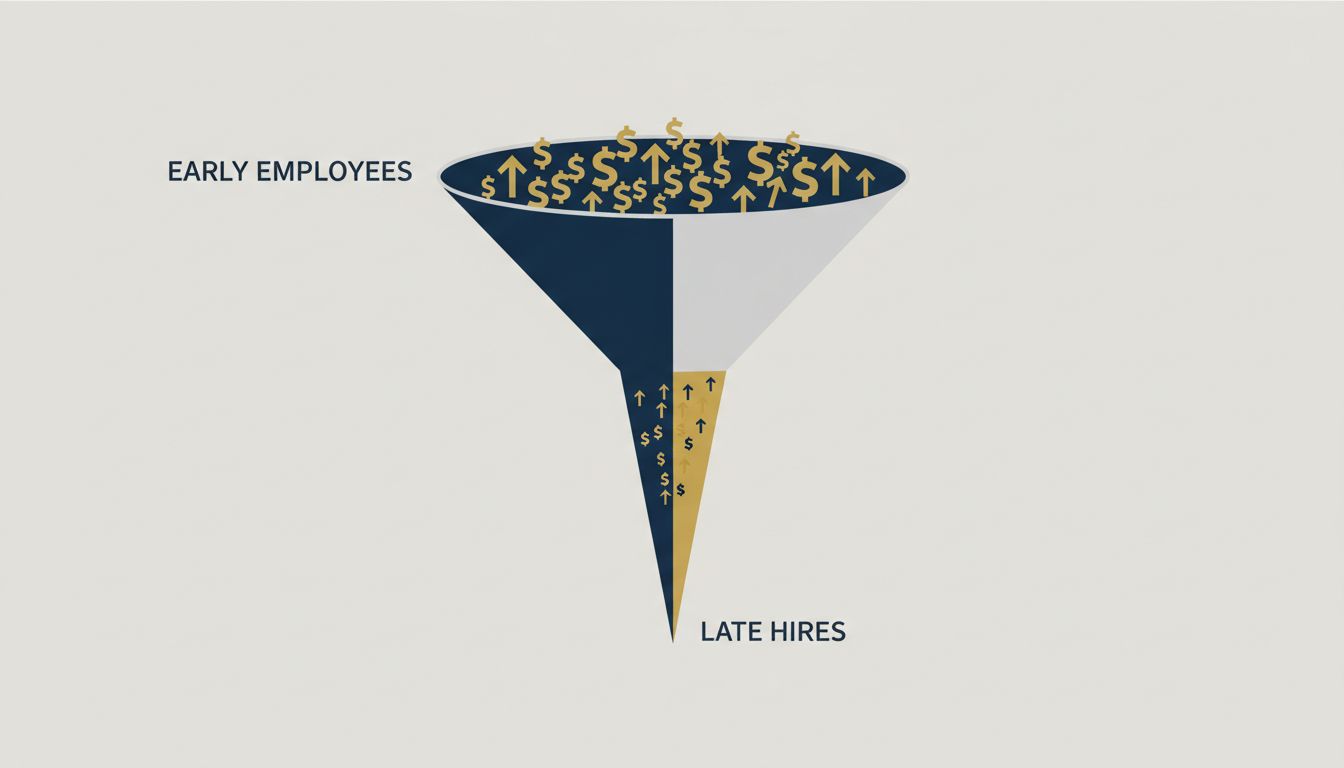
The wealth gap between employee #10 and employee #500 at a tech IPO isn't an accident. It's baked into the structure from day one.

When Big Tech calls for regulation, they usually mean their regulation. The support is real. So is the sabotage.

The story tech companies tell about dark mode is about comfort and battery life. The real story is about competitive signaling and design authority.

Tech companies routinely build products they intend to retire. The reason isn't waste. It's control.
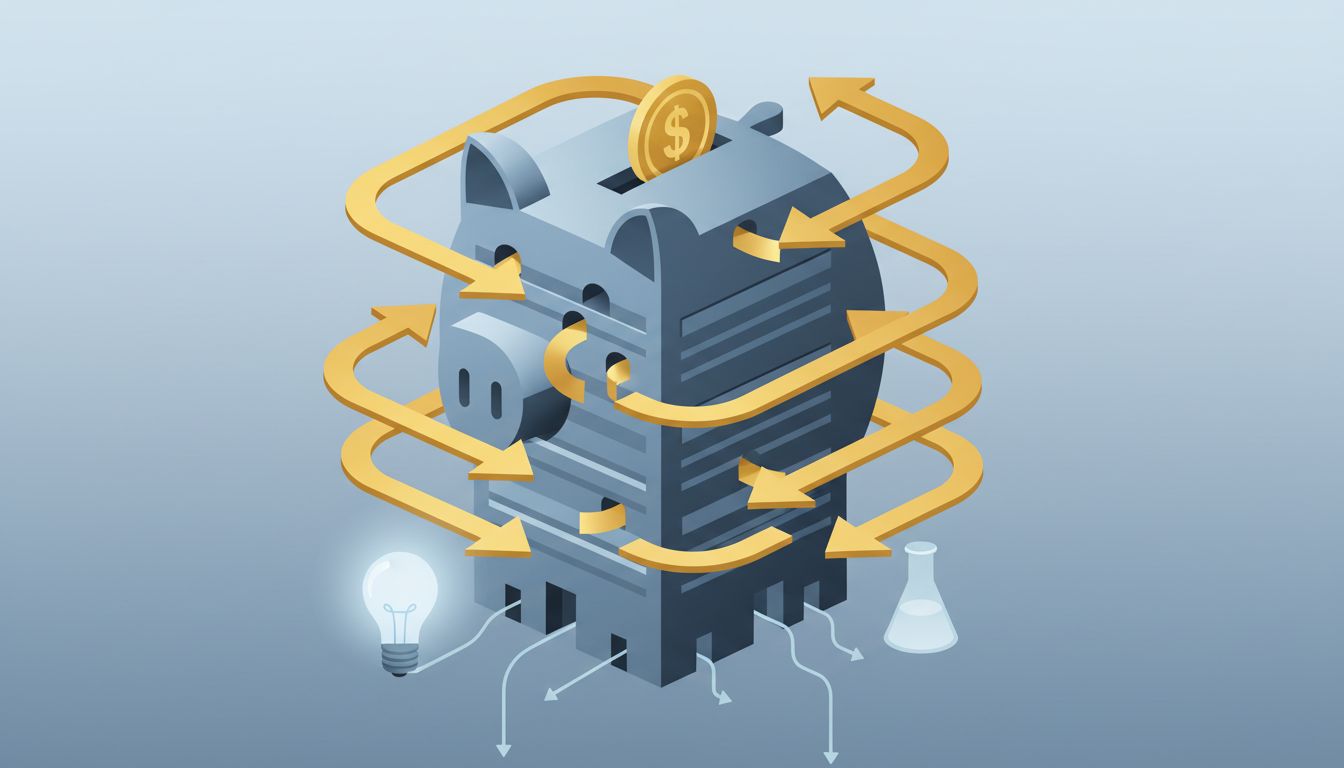
When Apple or Oracle buys back its own stock instead of funding research, that's not financial engineering. It's a confession about where growth actually comes from.

Tech companies aren't bad at business. They're playing a different game, and the rules are written in accounting language most investors never bother to read.

Planned obsolescence in tech isn't negligence or short-termism. It's a precise, rational strategy that most companies execute deliberately and well.

The biggest winners in tech didn't satisfy existing demand. They manufactured awareness of a problem, then sold the solution.

The features that keep you online longest aren't accidents of good design. They are the product, and you are the inventory.

Tech companies have repackaged artificial scarcity as exclusivity, and we keep falling for it. The waitlist is not capacity management. It is manufacturing desire.

The Batterygate scandal wasn't a cover-up of planned obsolescence. It was a window into how tech companies make decisions that hurt users while believing they're helping.

Planned obsolescence gets blamed on greed. The real explanation is more structural, and more troubling.

Slack, AWS, Gmail, and dozens of other products succeeded externally because they were forged under the pressure of real internal use. The pattern is not coincidence.

The coding bootcamp industry has a placement problem it refuses to name. The graduates who fail aren't failing to learn syntax. They're failing to learn something the curriculum never teaches.

The simple story is that Apple throttles your old iPhone to sell you a new one. The real story is messier, and more damning.
Join thousands of readers who get our weekly breakdown of the most important stories in technology.
Free forever. Unsubscribe anytime.