
AI & Software
The Data You Deleted in Preprocessing Still Matters
Most ML pipelines treat preprocessing as housekeeping. It's actually where you make your most consequential modeling decisions, usually without realizing it.

Maya Chen covers artificial intelligence and emerging technologies with a focus on making complex topics accessible. A former software engineer at a major tech company, she brings hands-on technical depth to her reporting on how AI is reshaping industries.
Most ML pipelines treat preprocessing as housekeeping. It's actually where you make your most consequential modeling decisions, usually without realizing it.
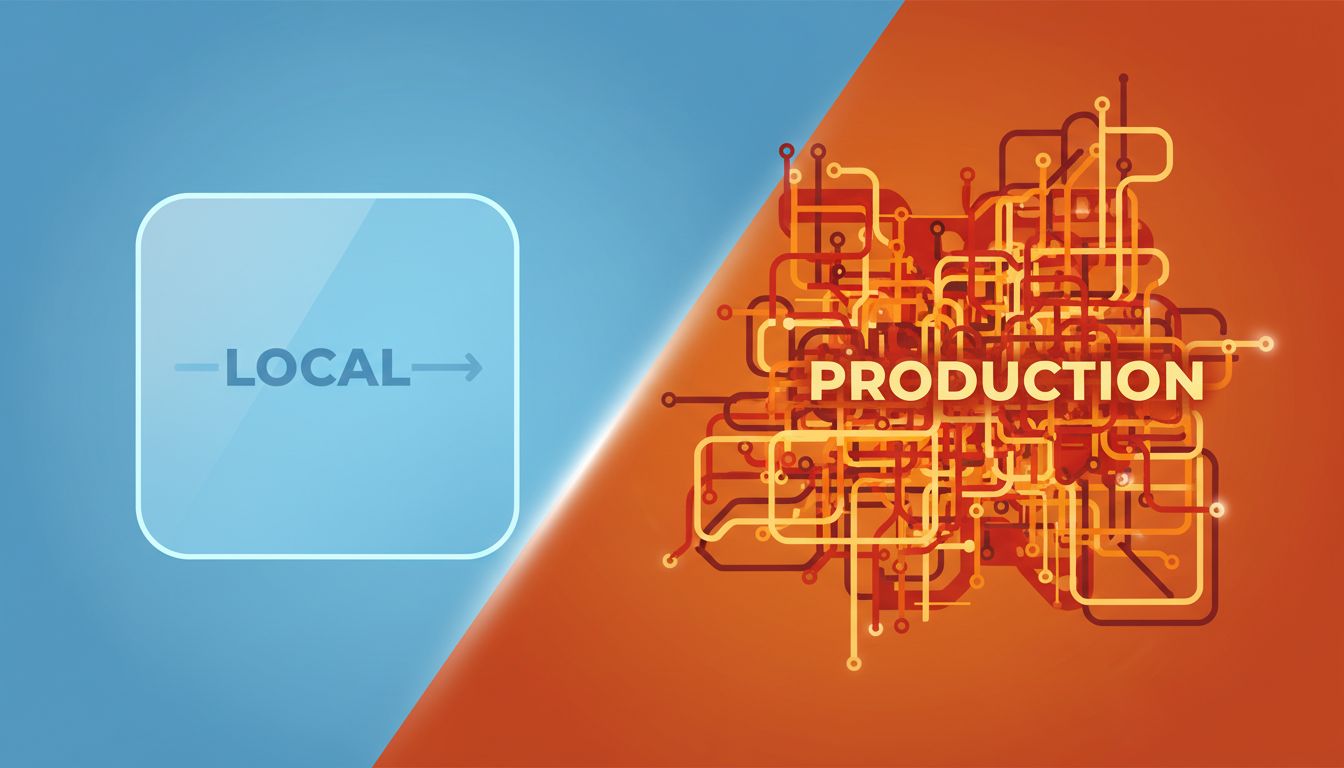
Local testing catches the bugs you anticipated. Production exposes the ones you didn't know to look for. Here's why that gap is structural, not accidental.

The box that routes traffic has quietly become your security perimeter, your observability layer, and your deployment strategy. That's worth understanding.

End-to-end encryption sounds simple. The mechanics underneath are a small miracle of applied mathematics happening in milliseconds.
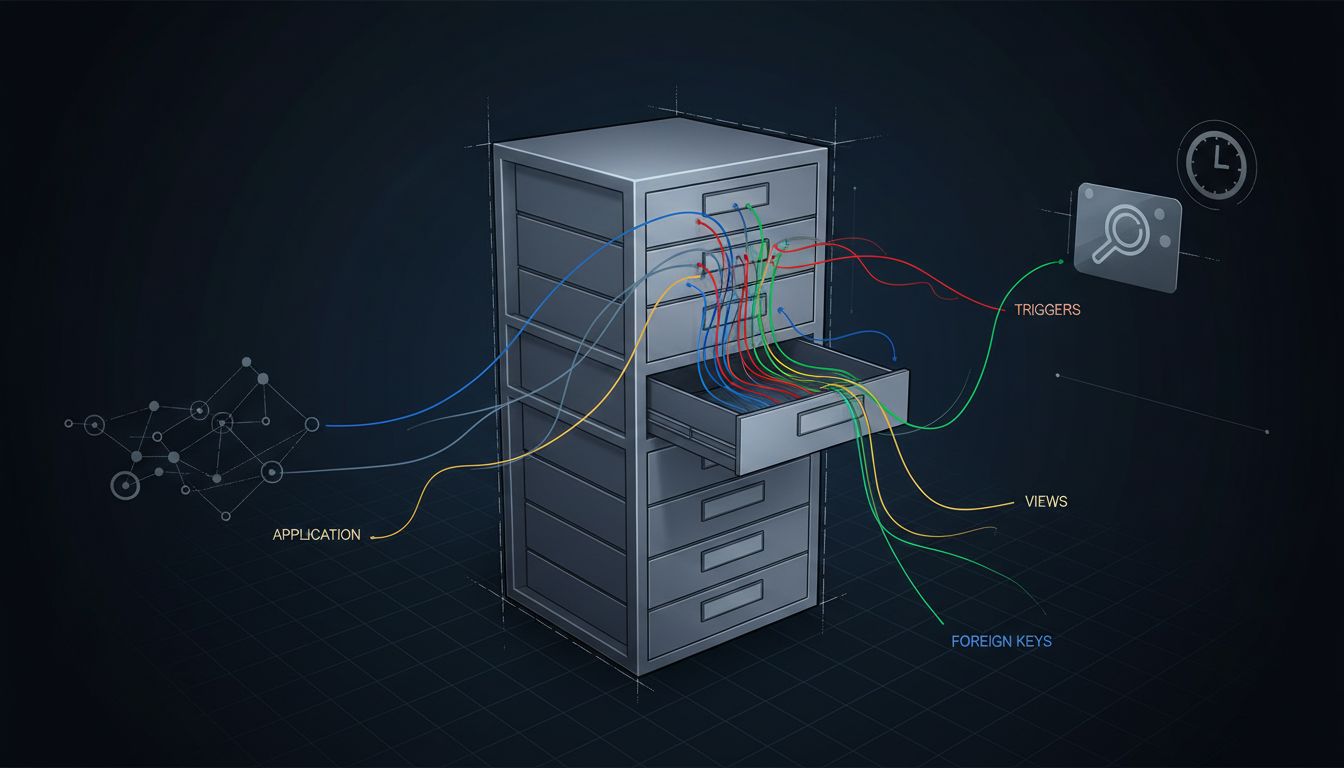
A single ALTER TABLE statement can take down a production system. Here's why removing a column is one of the riskiest things you can do to a live database.

Most prompt advice is pattern-matching without understanding. Once you see how attention actually works, the patterns stop being magic and start making sense.
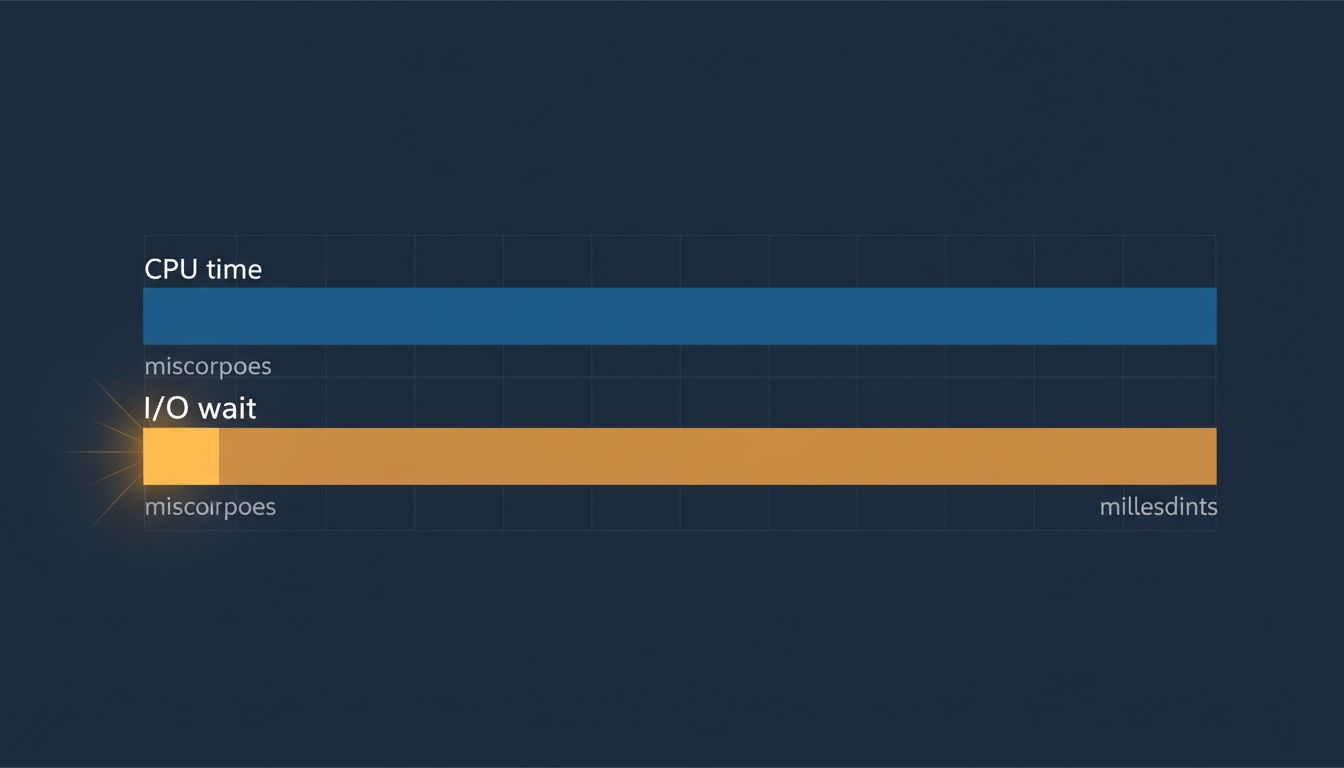
A server handling a million requests per second isn't doing a million things. It's mostly idle, and that's by design.

A fintech team's recurring production incident revealed something uncomfortable: their test suite wasn't broken. It was testing the wrong reality entirely.

Most people think of prompting as talking to a system. It's not. Your text gets transformed in ways that fundamentally shape what comes back.
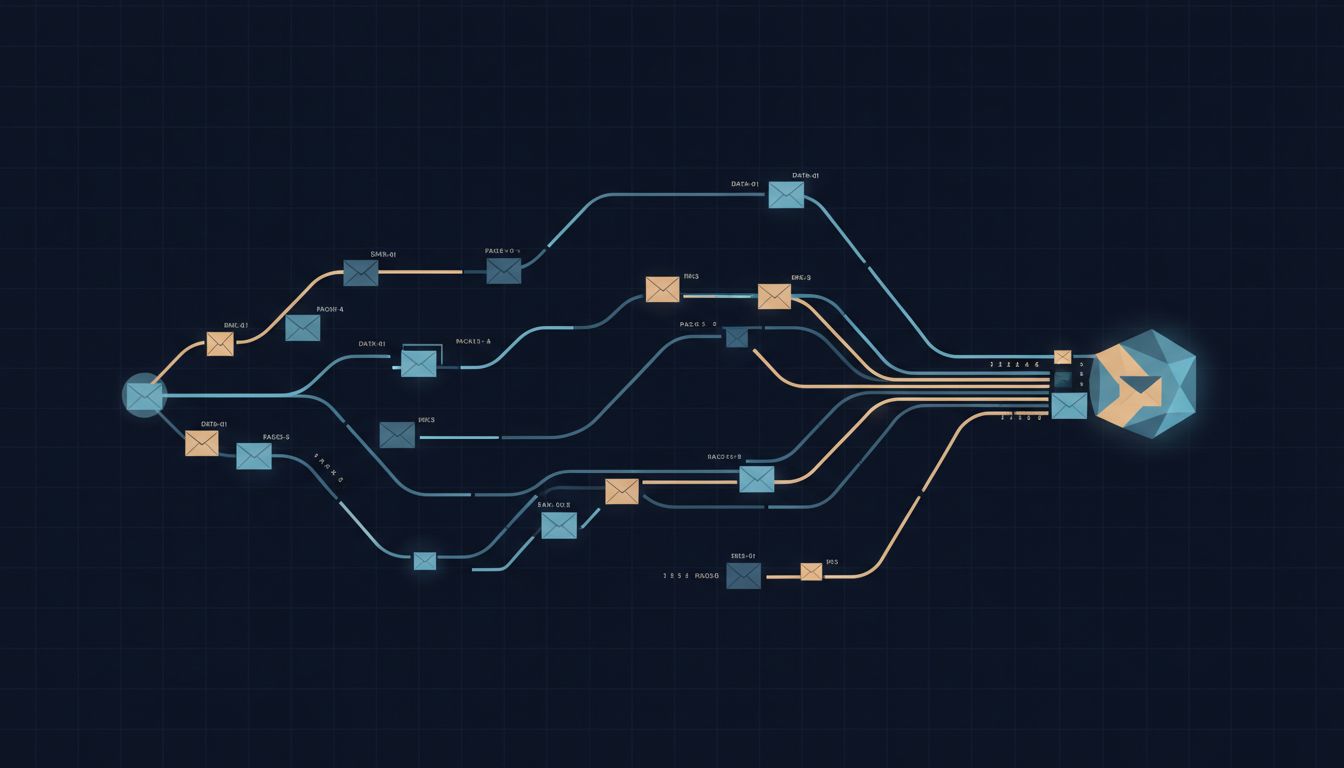
You picture data flowing like water through a pipe. The reality is stranger, more resilient, and honestly more impressive.

When you send a message to an AI model, it gets transformed before the model ever sees it. Here's what actually happens in that gap.

A for loop looks like three lines of code. Inside the CPU, it's a cascade of fetch cycles, branch predictions, and pipeline stalls. Here's what's actually going on.

When you ask an LLM to summarize a document, it isn't reading and condensing. It's doing something stranger and more limited than that.

The ability to reduce complexity without losing meaning separates good engineers from great ones. We just don't train for it.
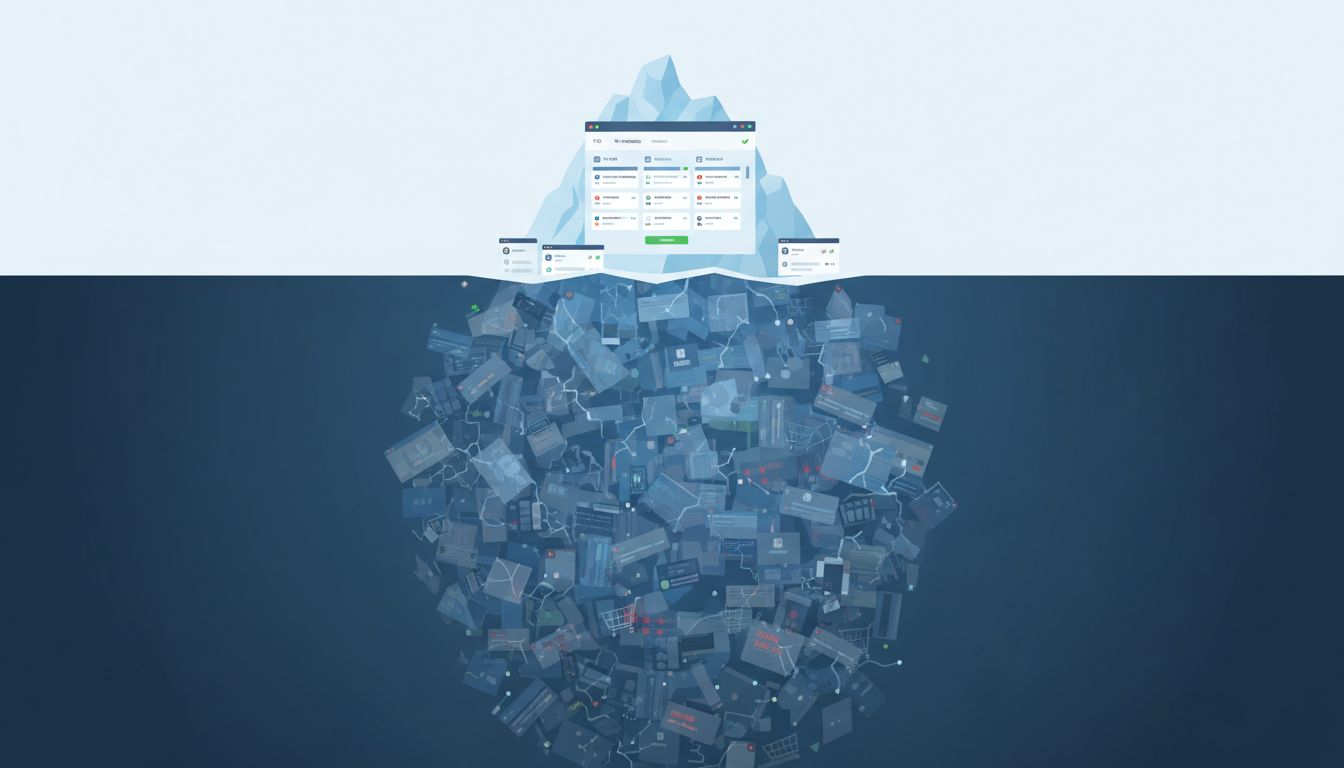
The most damaging software problems are never reported. Here's why they stay invisible and what that costs you.

That two-second wait before a page loads contains a hidden story about how the internet actually works. Here's what's really happening.
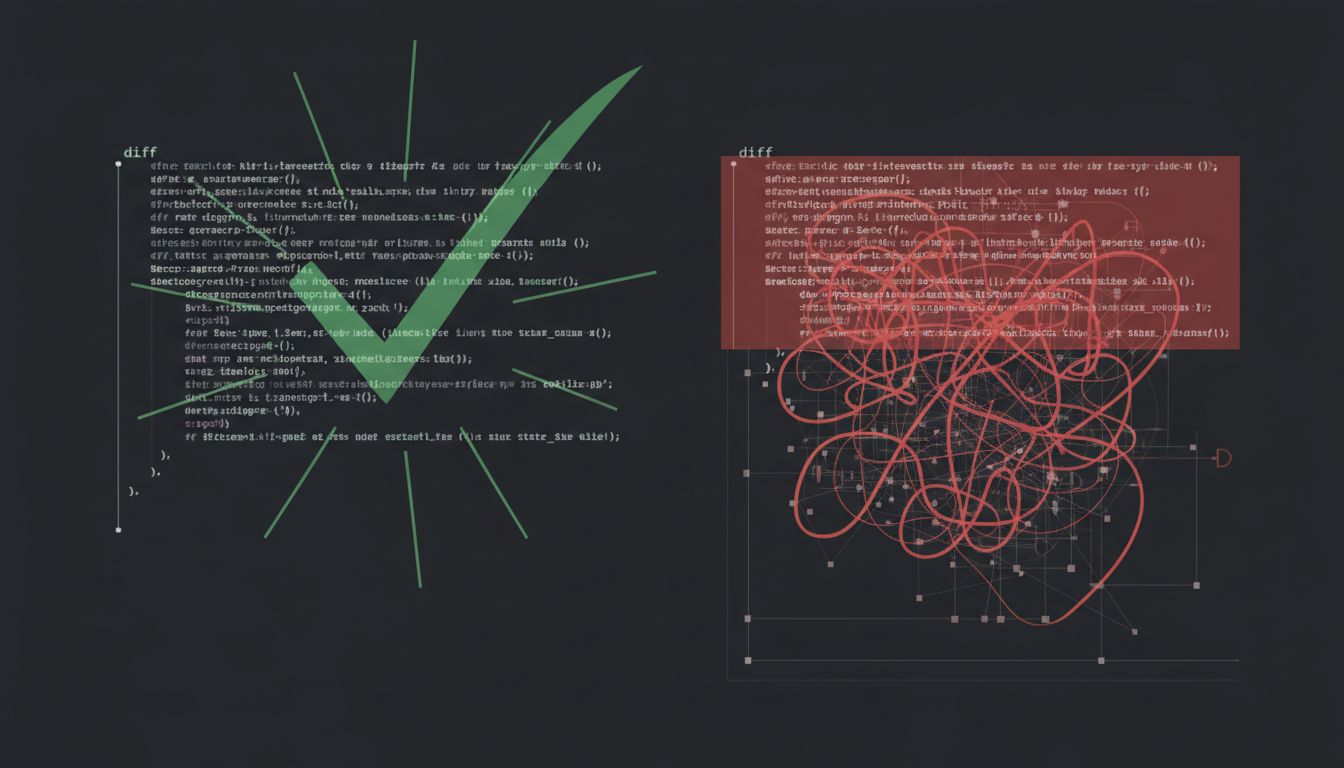
AI coding assistants generate plausible, passing code. That's exactly why they're dangerous. The fix and the solution are not the same thing.

Microsoft's Clippy wasn't killed by bad technology. It was killed by a team that never understood who they were actually building for.
Join thousands of readers who get our weekly breakdown of the most important stories in technology.
Free forever. Unsubscribe anytime.