
AI & Software
Why the Same LLM Prompt Fails the Second Time
Your prompt worked perfectly yesterday and produces garbage today. The model didn't change. Here's what actually did.

Maya Chen covers artificial intelligence and emerging technologies with a focus on making complex topics accessible. A former software engineer at a major tech company, she brings hands-on technical depth to her reporting on how AI is reshaping industries.
Your prompt worked perfectly yesterday and produces garbage today. The model didn't change. Here's what actually did.
Adding features is celebrated. Removing them is avoided, deferred, and second-guessed. That asymmetry is costing your product.
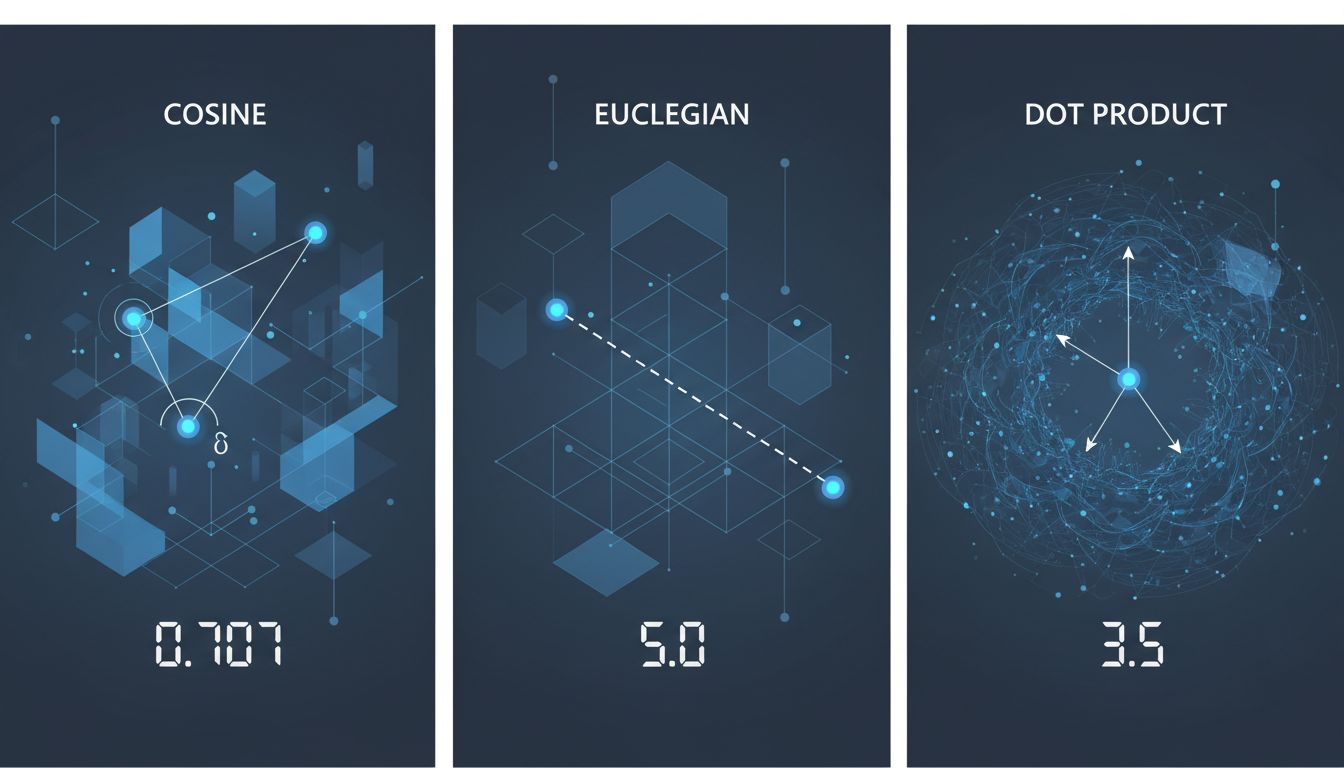
Vector databases find 'nearest neighbors' using distance math, but distance and similarity are not the same thing. Here's where that gap causes real problems.

A large context window sounds like a simple upgrade. The reality involves quadratic costs, attention decay, and some genuinely surprising tradeoffs.
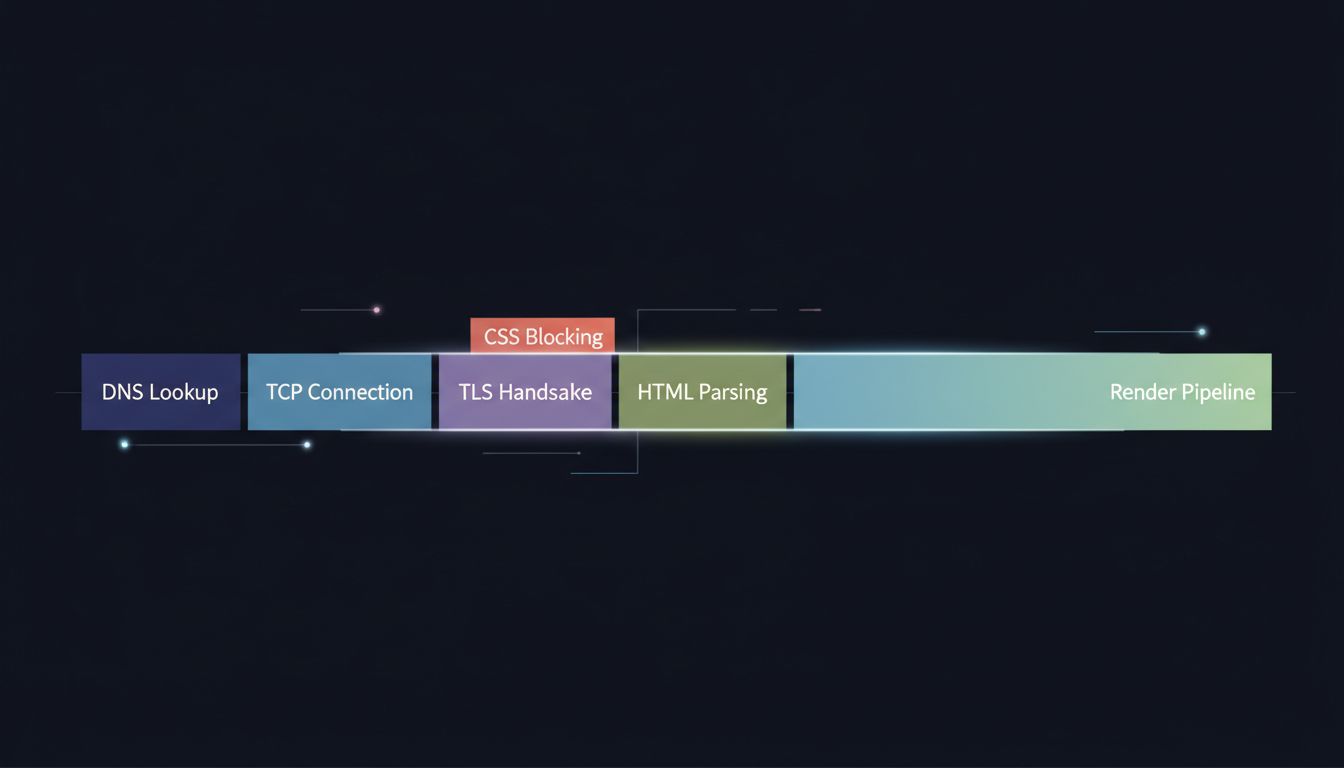
The 200 milliseconds before a page appears involve more engineering complexity than most developers realize. And most of it is wasted.

Deleting your account doesn't mean your data disappears. Here's what actually happens to the conversations, fine-tuning data, and model weights you've contributed.

Vector similarity feels intuitive until you realize it's not measuring what concepts mean, but how they tend to appear together. That distinction matters more than most engineers admit.
A simple ALTER TABLE command can lock millions of rows and bring production traffic to its knees. Here's what actually happens inside the database.

Shipping a machine learning model isn't like shipping software. The failure modes are different, subtler, and far more expensive to debug.

Your carefully engineered prompts are dependencies on a moving target. Treat them like any other brittle infrastructure.

Every system you build encodes a theory of what matters and what doesn't. Engineers who understand compression think differently about data, communication, and design.
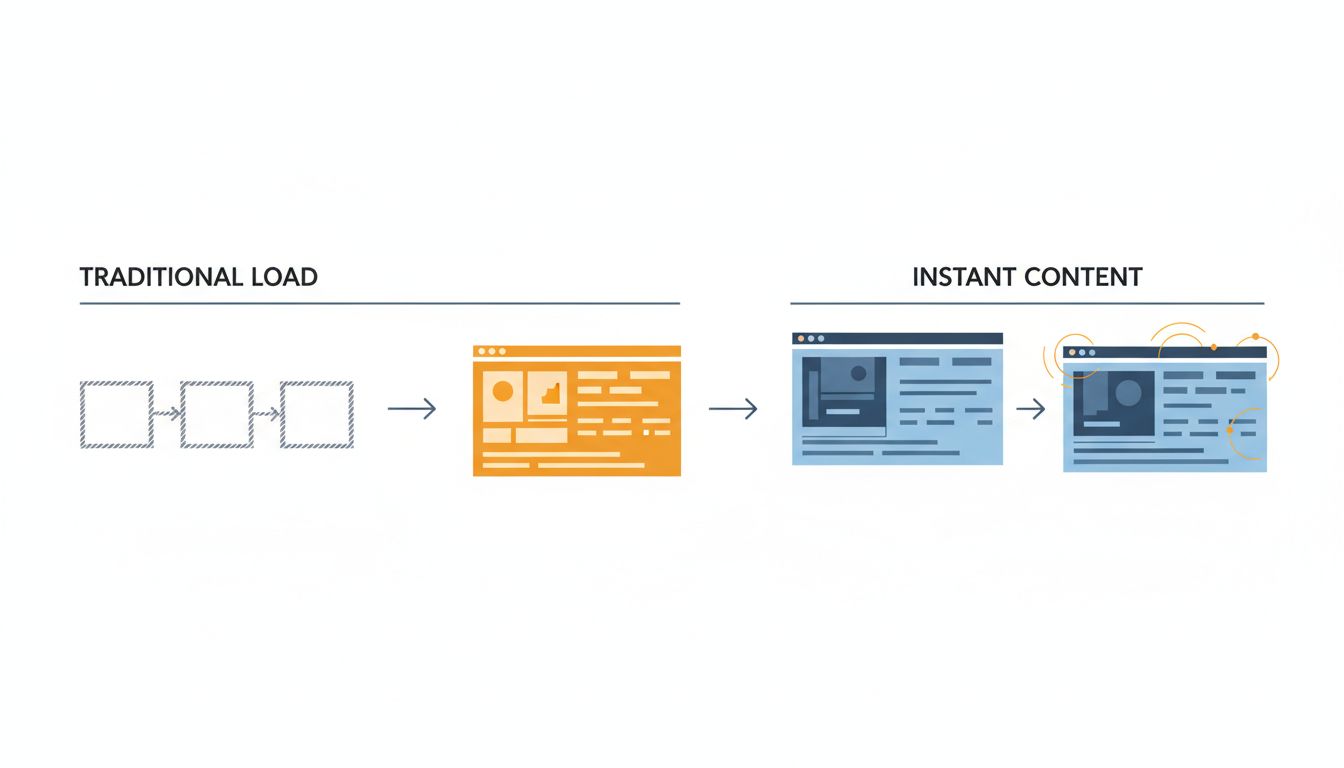
Every time your app shows a spinner, someone already decided how long users should wait. That decision probably wasn't yours.

LLMs encounter novel inputs constantly. Here's the mechanical reality of what happens when a model meets context that falls outside its training distribution.

Every bug that only surfaces in production is a failure of imagination in your test suite. Here's how to read what they're actually saying.

Your monitoring says the service is up. Your users are staring at a spinner. Both things are true at the same time.
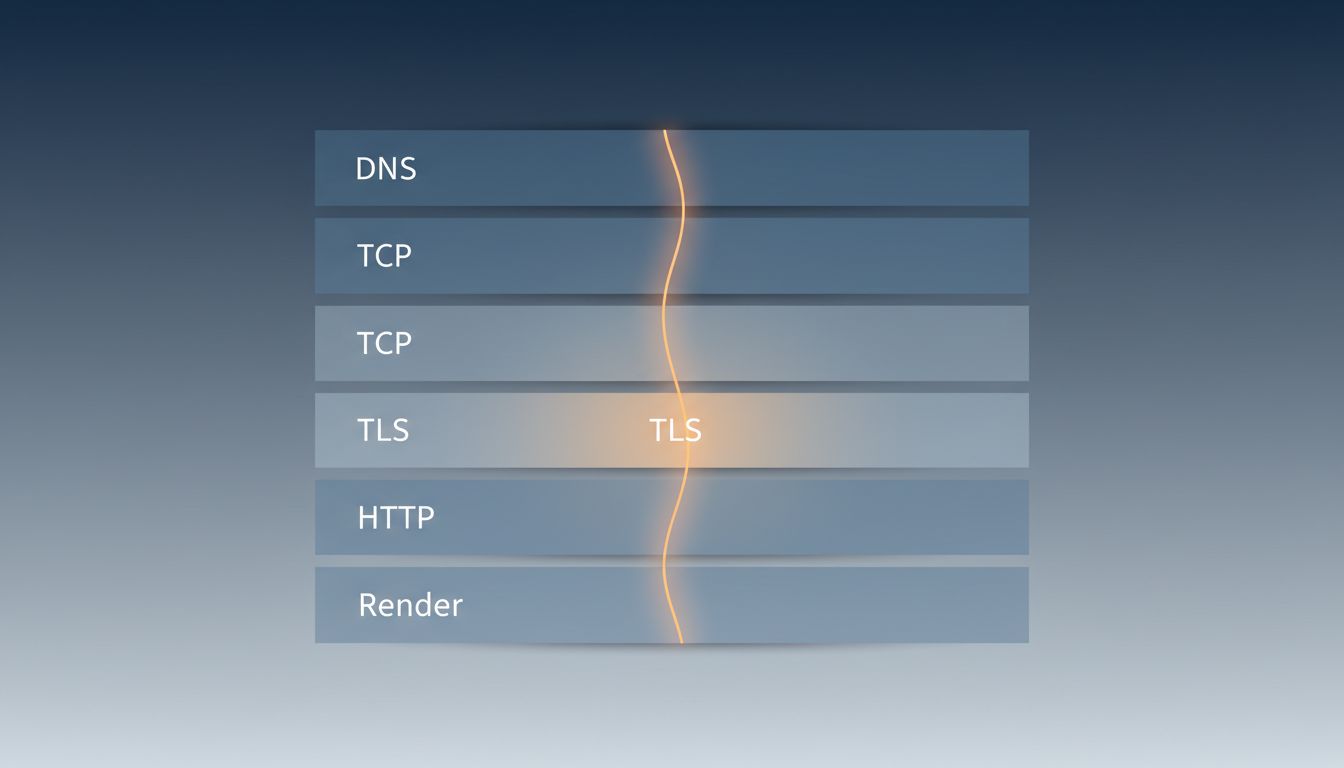
That half-second before a webpage loads involves more engineering than most people write in a career. Here's what's actually happening.
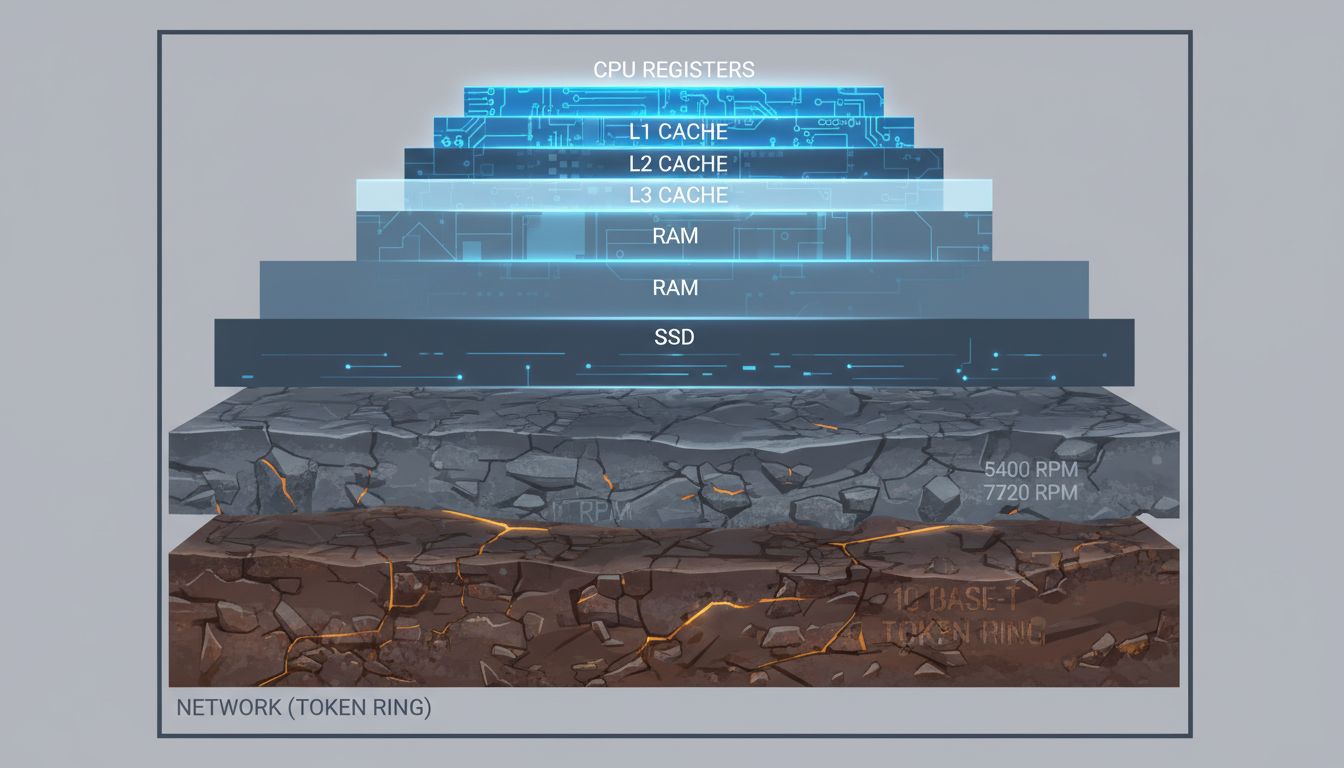
A startup built its entire caching strategy around numbers Jeff Dean published in 2009. Here's what they got wrong, and what modern hardware actually looks like.

The hottest job title in AI is a repackaging of something engineers have done for decades. That doesn't make it useless — it makes it misunderstood.
Join thousands of readers who get our weekly breakdown of the most important stories in technology.
Free forever. Unsubscribe anytime.