
AI & Software
Deleting a Feature Is the Hardest Call in Engineering
Adding features is celebrated. Removing them is where real engineering judgment lives, and most teams are terrible at it.

Maya Chen covers artificial intelligence and emerging technologies with a focus on making complex topics accessible. A former software engineer at a major tech company, she brings hands-on technical depth to her reporting on how AI is reshaping industries.
Adding features is celebrated. Removing them is where real engineering judgment lives, and most teams are terrible at it.

Routers handle collisions constantly. The answer involves queues, priorities, and deliberate packet murder — and it's more elegant than you'd expect.

Starting a server is a solved problem. Keeping it alive for years, under load, through failures nobody anticipated, is an entirely different discipline.

A suppressed warning in Toyota's embedded software contributed to one of the costliest automotive recalls in history. The warning was real. The team just stopped looking.
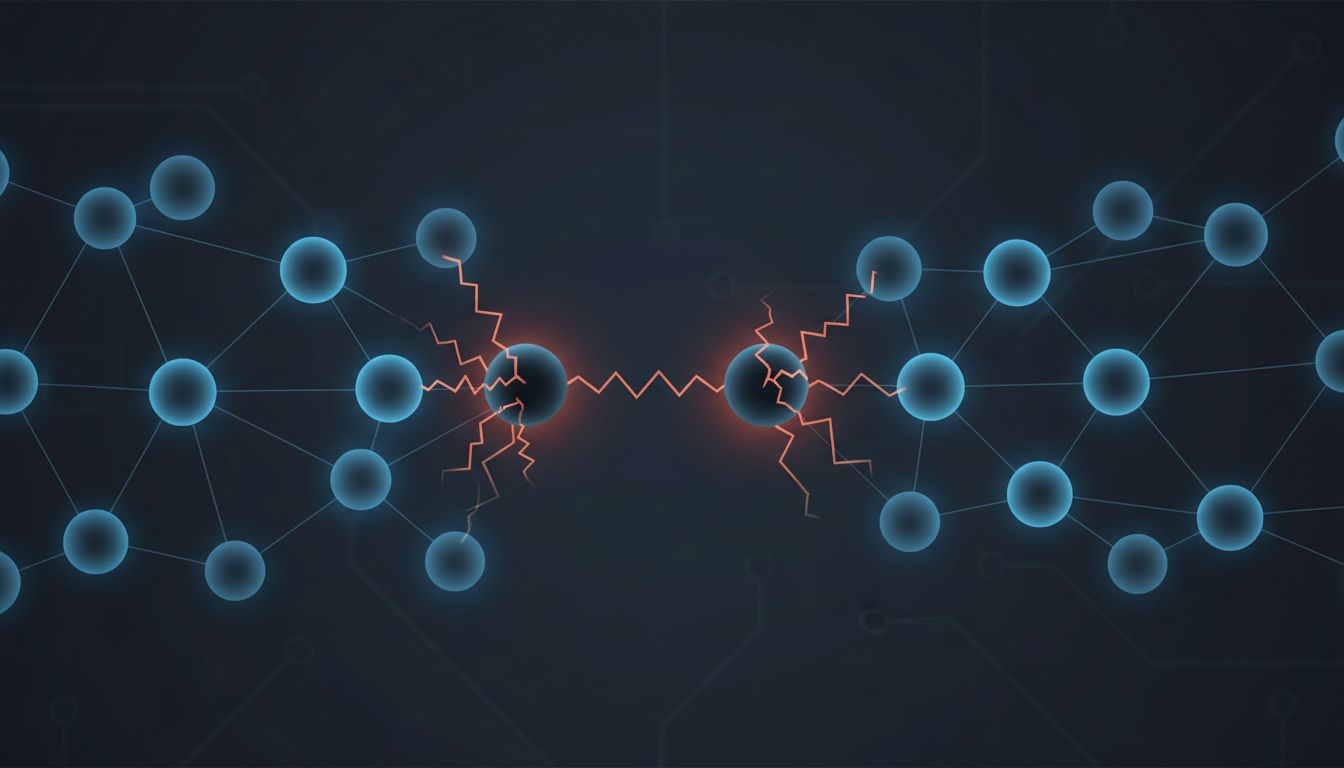
Distributed systems are designed to tolerate individual failures. The real danger lives in the gap between one failure and two happening at the same time.

A memory corruption bug that only appeared in production taught one team that non-reproducible failures aren't flukes. They're signals you haven't learned to read yet.

Spotify's Discover Weekly isn't magic. It's geometry. Understanding embeddings through the product that made them matter.

More code means more surface area for bugs, more cognitive load for engineers, and more ways for systems to fail. Deletion is a technical discipline, not a luxury.

A green deployment pipeline is a starting condition, not an ending one. The most expensive bugs in software don't appear until users arrive.
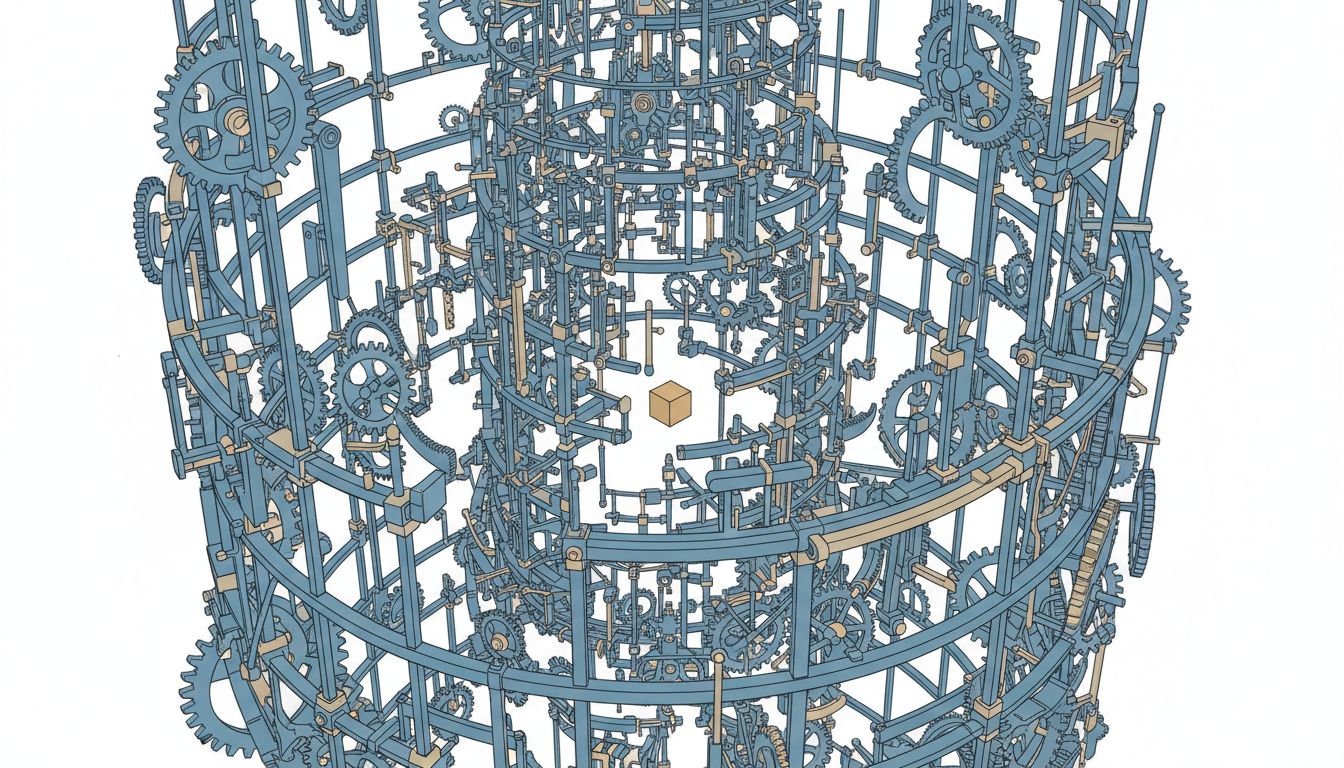
Everyone quotes Knuth about optimization. But the abstraction you built for a future that never arrived is costing you more.

A clinical decision support project at a major health system collapsed not because the model was bad, but because nobody had thought clearly about the problem first.
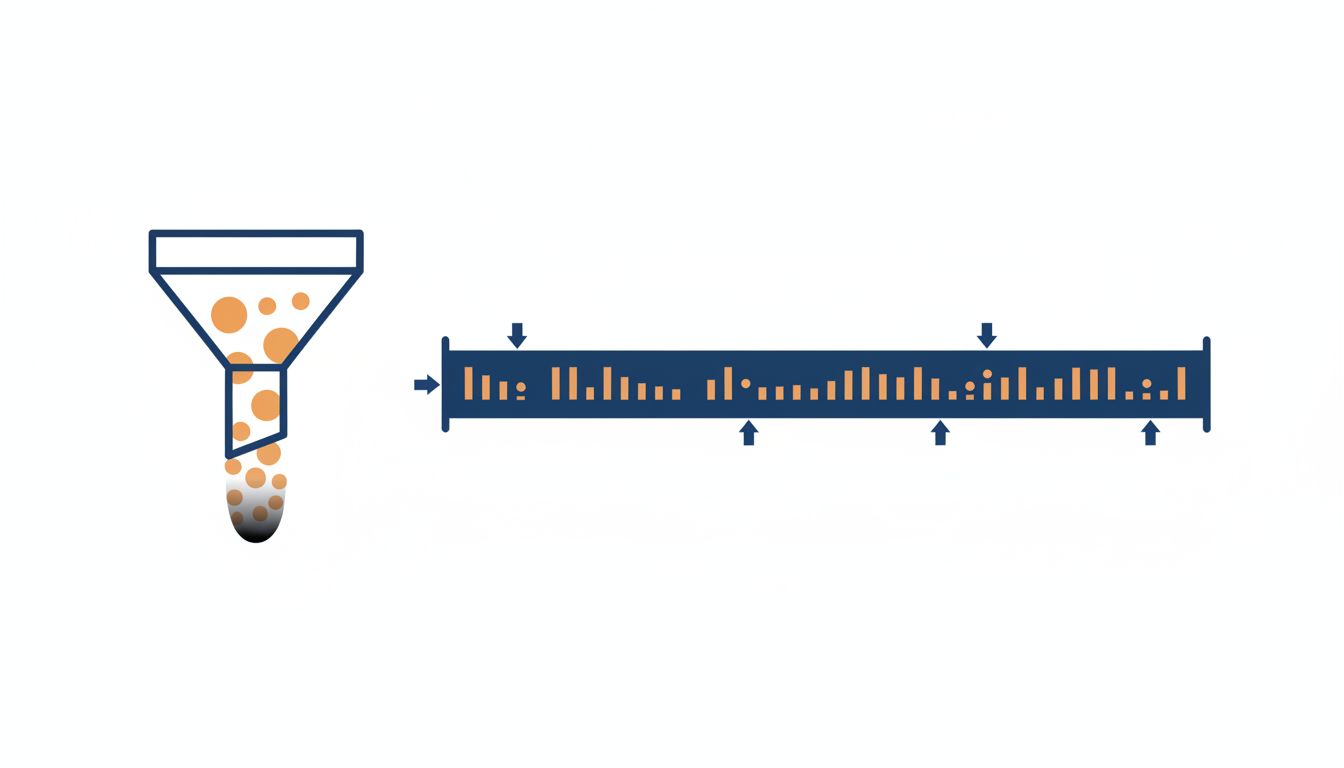
Queues and logs solve different problems. Confusing them leads to systems that are harder to debug, scale, and reason about than they need to be.

Checksums sit quietly in the background of nearly every system you depend on. Here's why that quiet work matters more than you think.

More instructions feel like more control. They aren't. Here's what actually happens when you pile rules into a system prompt.
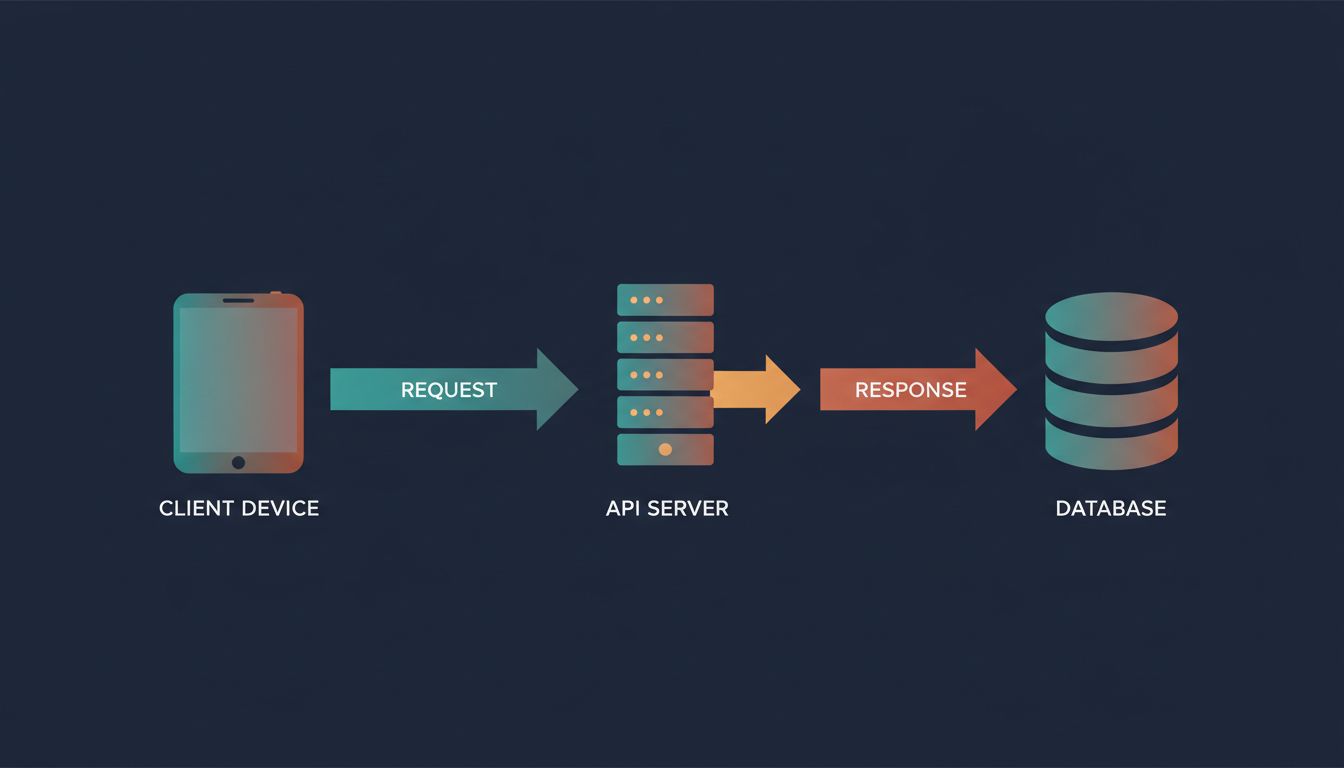
Your API response time looks great in testing. But your users are waiting for something your benchmarks never measured.
Prompt engineering is a real skill with real limits. Understanding why it works helps you know exactly when it will stop.

Persistent database connections feel efficient. In many real-world systems, they quietly become your most expensive resource.

A vector is a list of numbers. That's it. Yet embeddings power semantic search, recommendations, and translation. Here's what's actually happening.
Join thousands of readers who get our weekly breakdown of the most important stories in technology.
Free forever. Unsubscribe anytime.