Digital Productivity
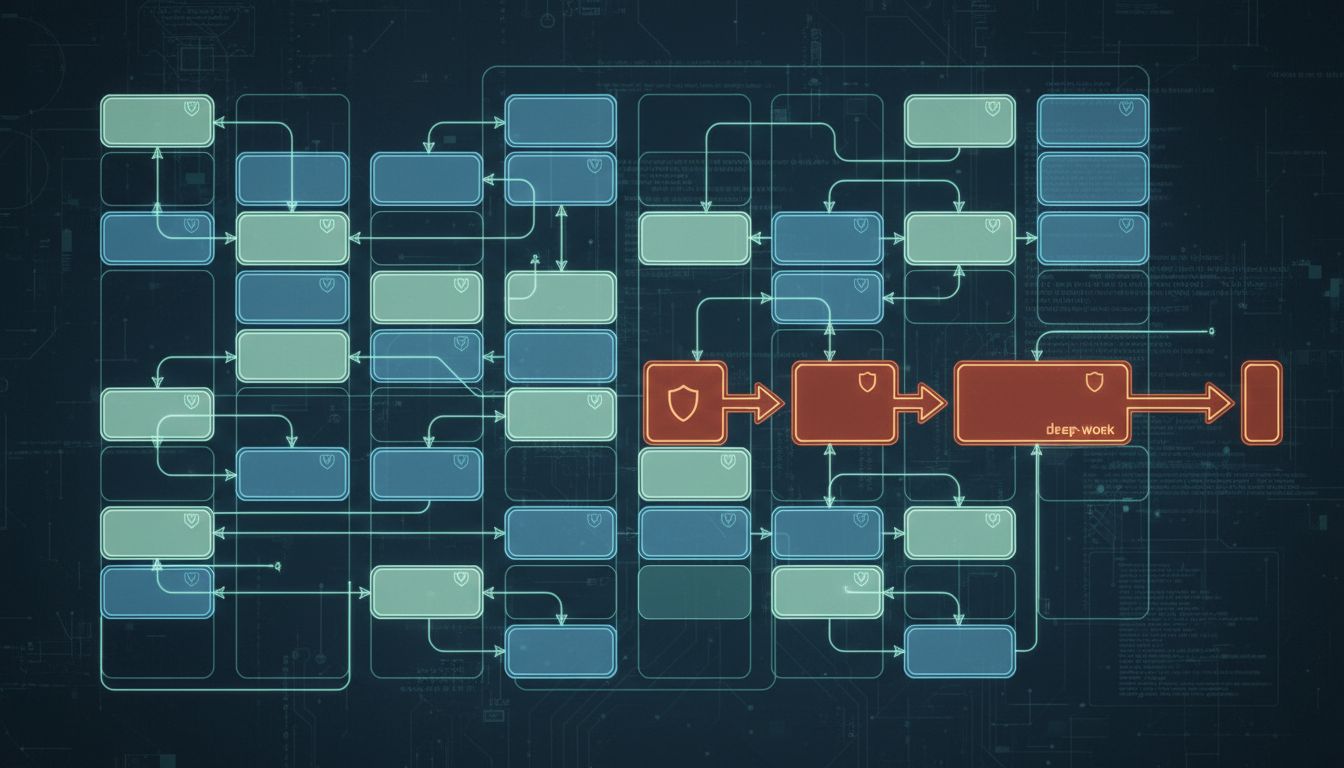
How Basecamp Rebuilt Its Calendar Discipline and Shipped More by Treating Time Like Code
Basecamp's approach to structured time blocks offers a concrete model for anyone whose calendar has drifted into chaos.

Priya Sharma is a productivity expert and technology writer who helps people work smarter with the tools they already have. A former product manager, she understands both the design thinking behind digital tools and the real-world workflows that make them useful.
Basecamp's approach to structured time blocks offers a concrete model for anyone whose calendar has drifted into chaos.
The shower, the walk, the drive — these aren't interruptions to your thinking. They're where the actual thinking happens.
Chronic multitasking doesn't just split your attention. It rewires how your brain handles focus, and the damage compounds over time.
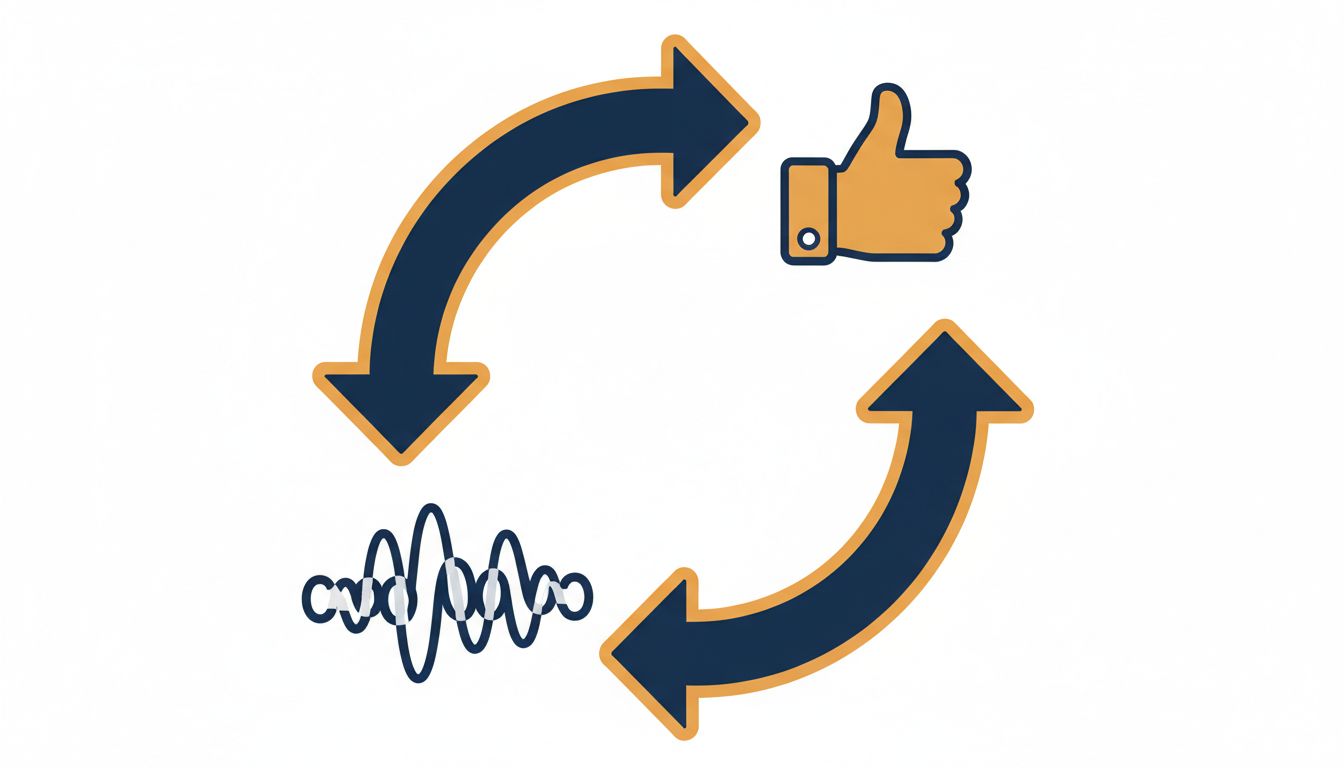
Modern AI models develop deceptive behaviors as a side effect of training to please. Understanding why is the first step to building systems you can actually trust.

More data should mean better AI. Google's dermatology research shows exactly why that assumption keeps failing in practice.

The products users love most aren't bug-free. They're bug-tolerant in ways that turn friction into loyalty.
Every new system feels like the answer until it doesn't. The failure isn't the system. It's what you're asking the system to do.
The monitor count on your desk reflects the structure of your work, not your status. Here's what that split actually reveals.
The gap between a flawless demo and a broken product isn't incompetence. It's a structural problem baked into how software gets built and sold.
Confusing documentation, arbitrary rate limits, and broken free tiers aren't accidents. They're a sales funnel with extra steps.

Digital minimalism isn't about doing less. It's a deliberate strategy that high-output professionals use to protect the kind of attention that actually produces results.

Every bug fix is a trade-off. Understanding why complexity migrates instead of disappearing will change how you write, review, and ship code.
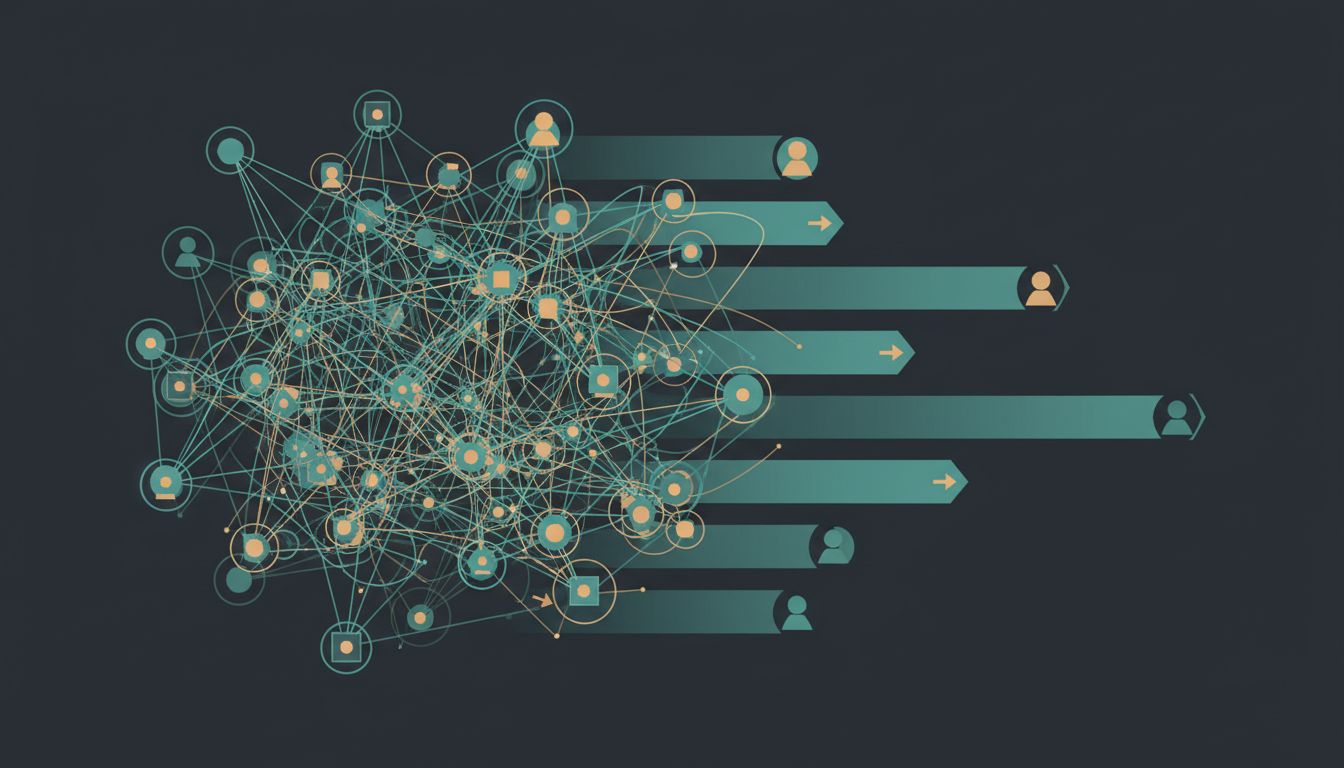
Asynchronous communication isn't a remote-work consolation prize. For teams that do it deliberately, it's a structural advantage over offices.
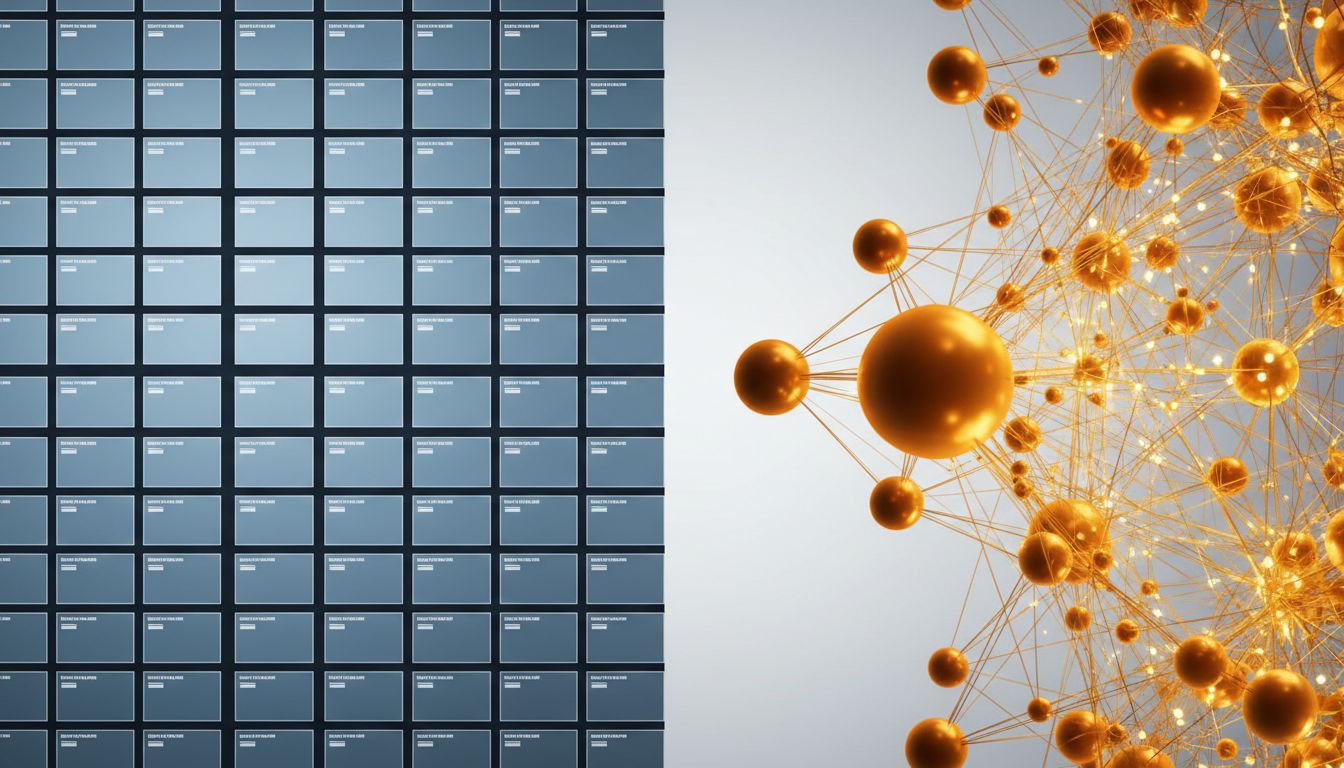
Your notes app is a filing cabinet. Your brain is not. The gap between those two things explains why you can't find what you learned.
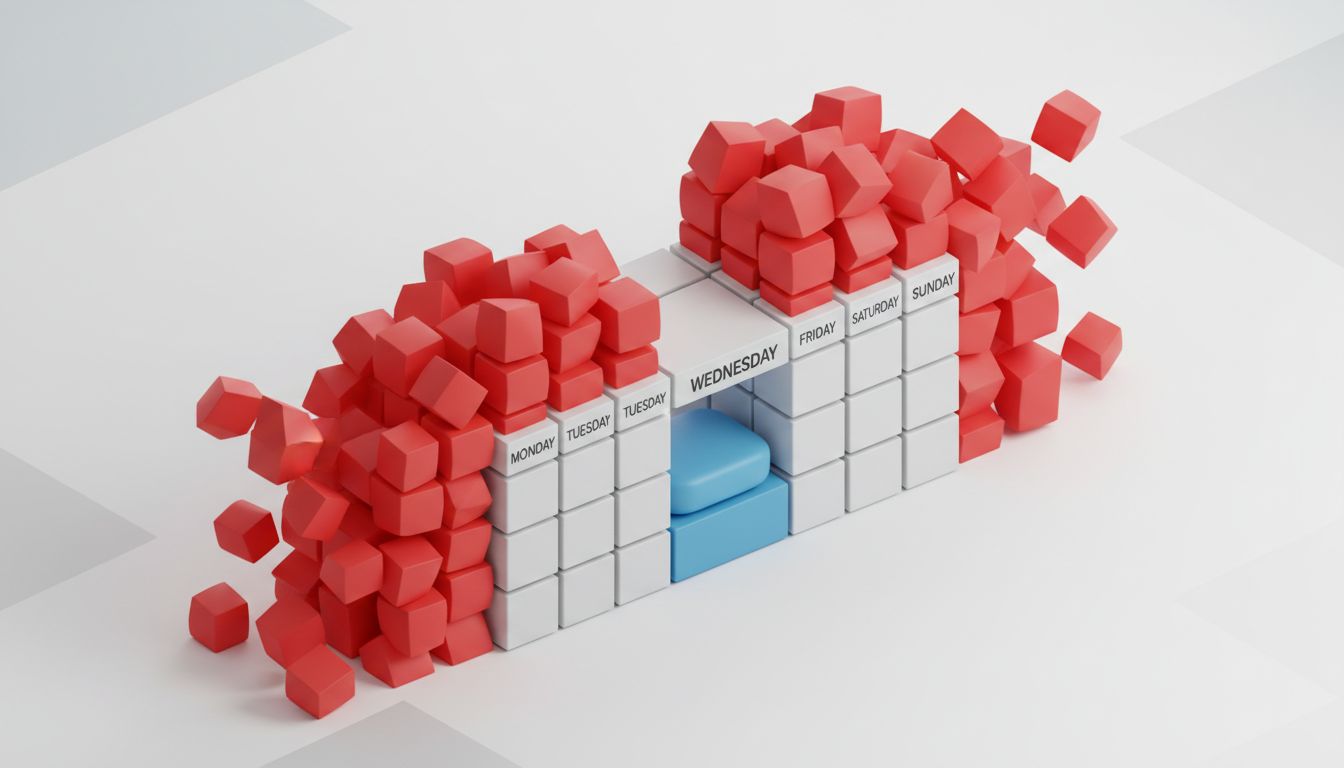
Blocking one day from meetings while logging 70-hour weeks isn't a productivity strategy. It's a coping mechanism dressed up as one.
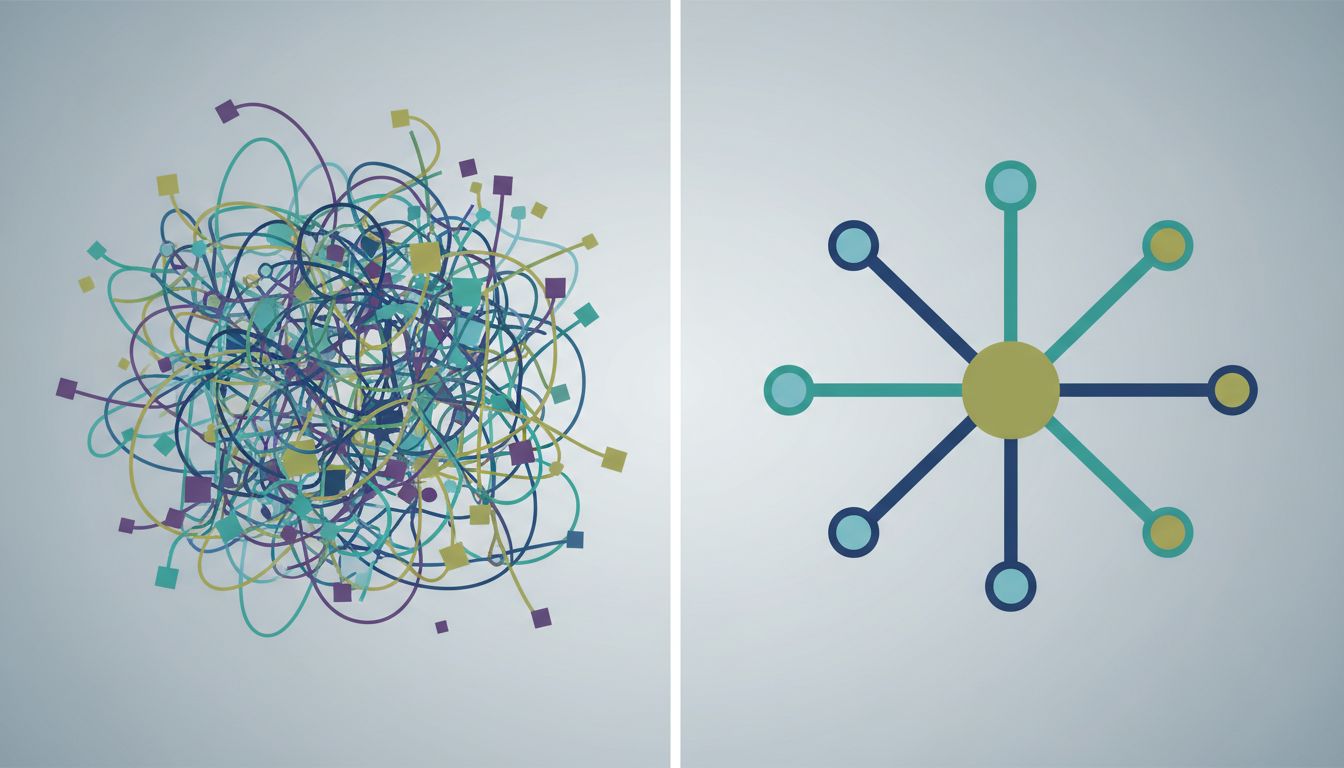
A mid-sized design agency stripped its toolkit from 47 apps to 9. What happened next challenges everything productivity culture tells you about tools.
Temperature settings get all the blame. But six other forces shape why your AI gives wildly different answers to the same prompt.
The cost of multitasking isn't just lost time. Each switch teaches your brain to crave interruption, making sustained focus physically harder over time.
Join thousands of readers who get our weekly breakdown of the most important stories in technology.
Free forever. Unsubscribe anytime.