Digital Productivity
Productivity Hackers Are Losing to People Who Own Fewer Apps
The productivity optimization community has it backwards. The people outperforming them aren't using better systems. They're using fewer ones.

Priya Sharma is a productivity expert and technology writer who helps people work smarter with the tools they already have. A former product manager, she understands both the design thinking behind digital tools and the real-world workflows that make them useful.
The productivity optimization community has it backwards. The people outperforming them aren't using better systems. They're using fewer ones.
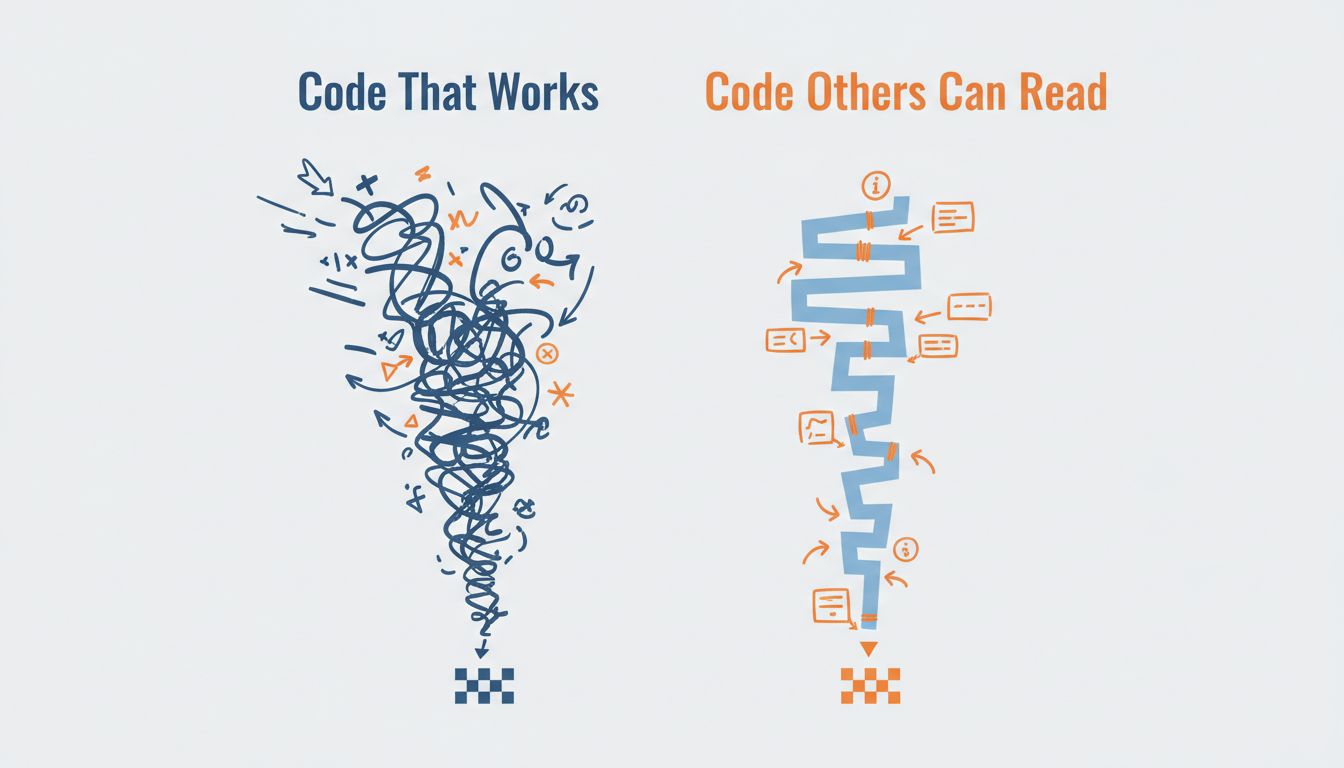
The real reason codebases become impossible to navigate has nothing to do with arrogance or ego. It's a time problem dressed up as a skill problem.

It's not about aesthetics. The productivity gains from a clean workspace come from specific cognitive mechanisms you can actually control.
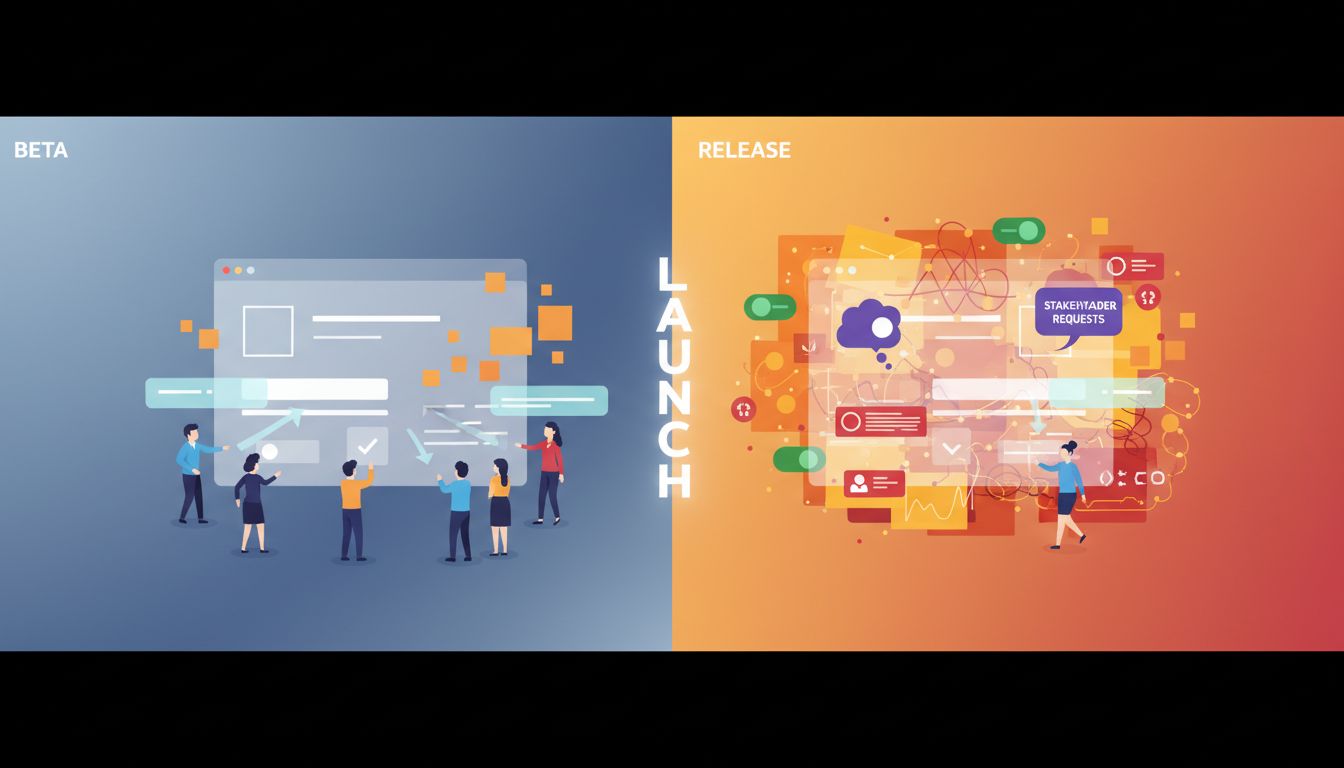
The people testing your beta and the people shipping your final release are optimizing for completely different things. That gap explains a lot.
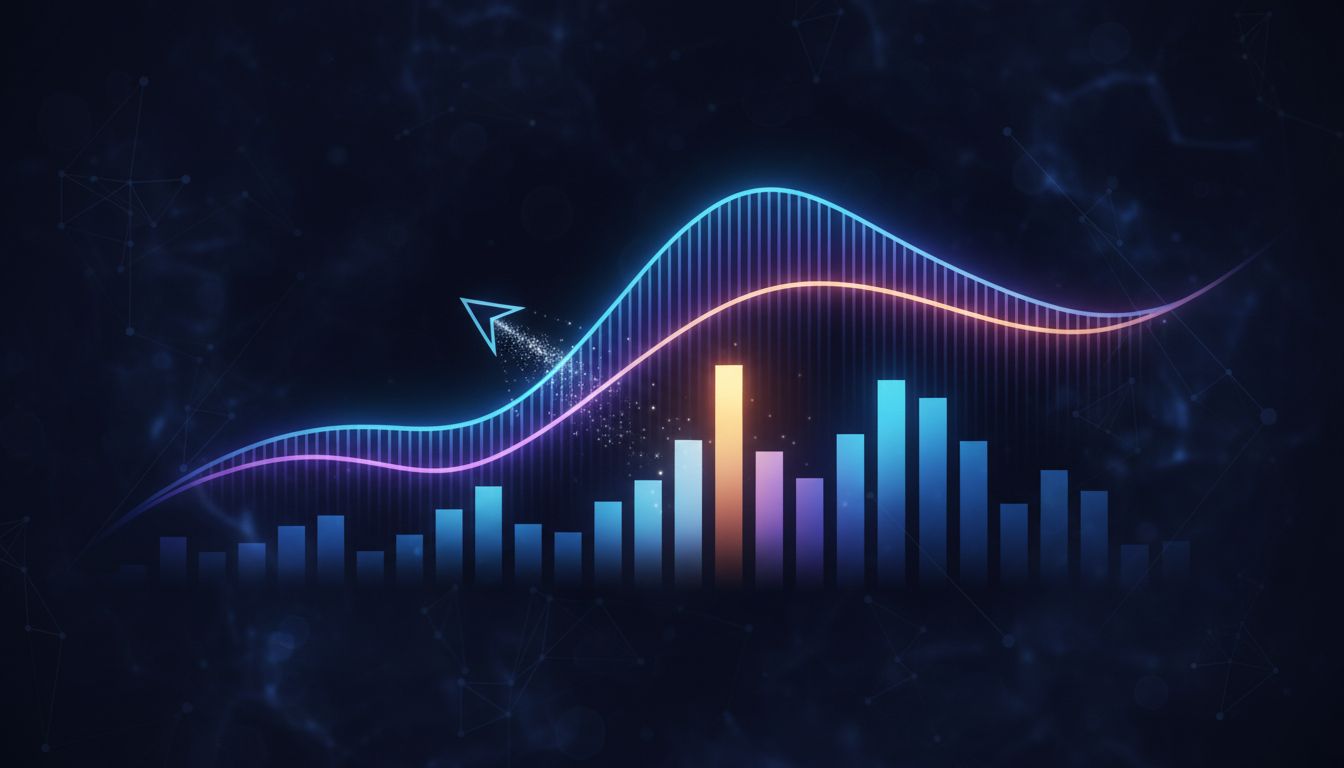
That setting called 'temperature' is why your AI assistant never says the same thing twice. Here's what it actually does and how to use it.
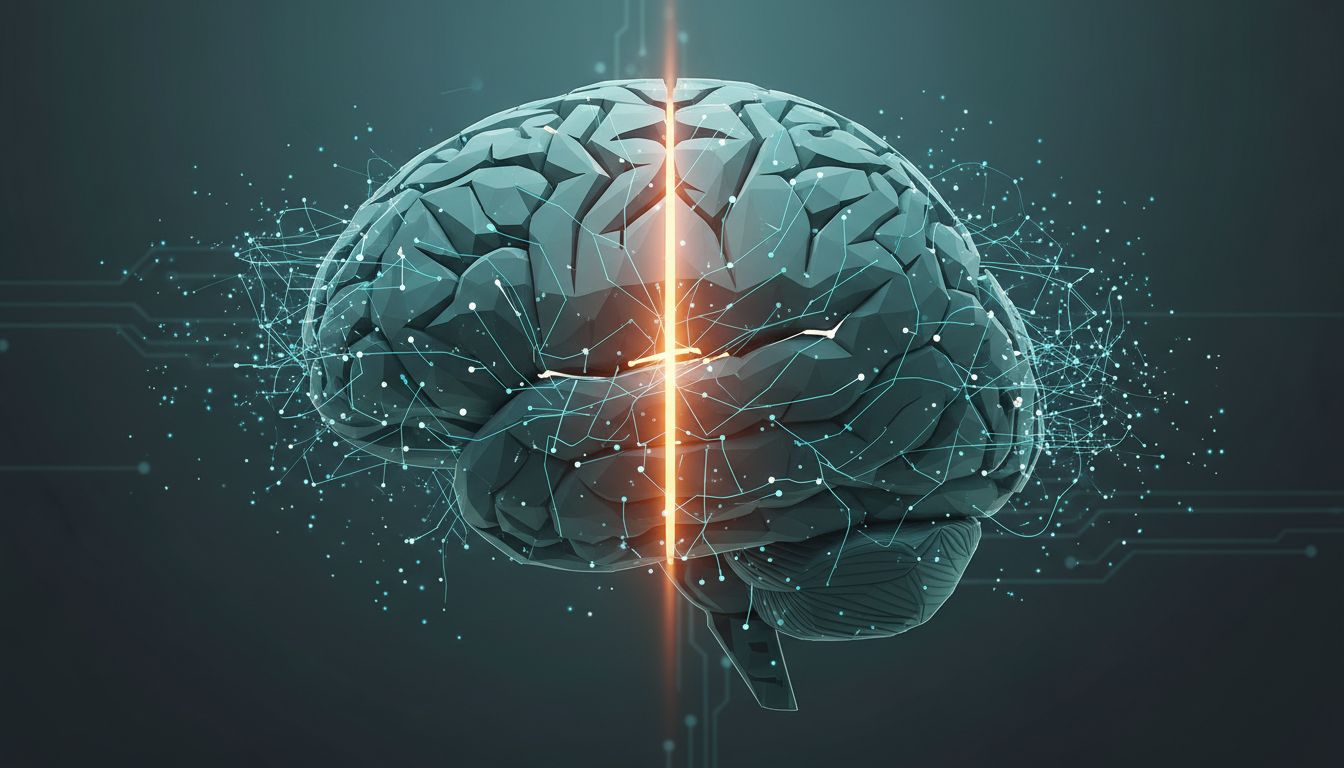
Adding monitors feels like an upgrade. The research and the psychology say otherwise. Here's what's actually happening to your attention.
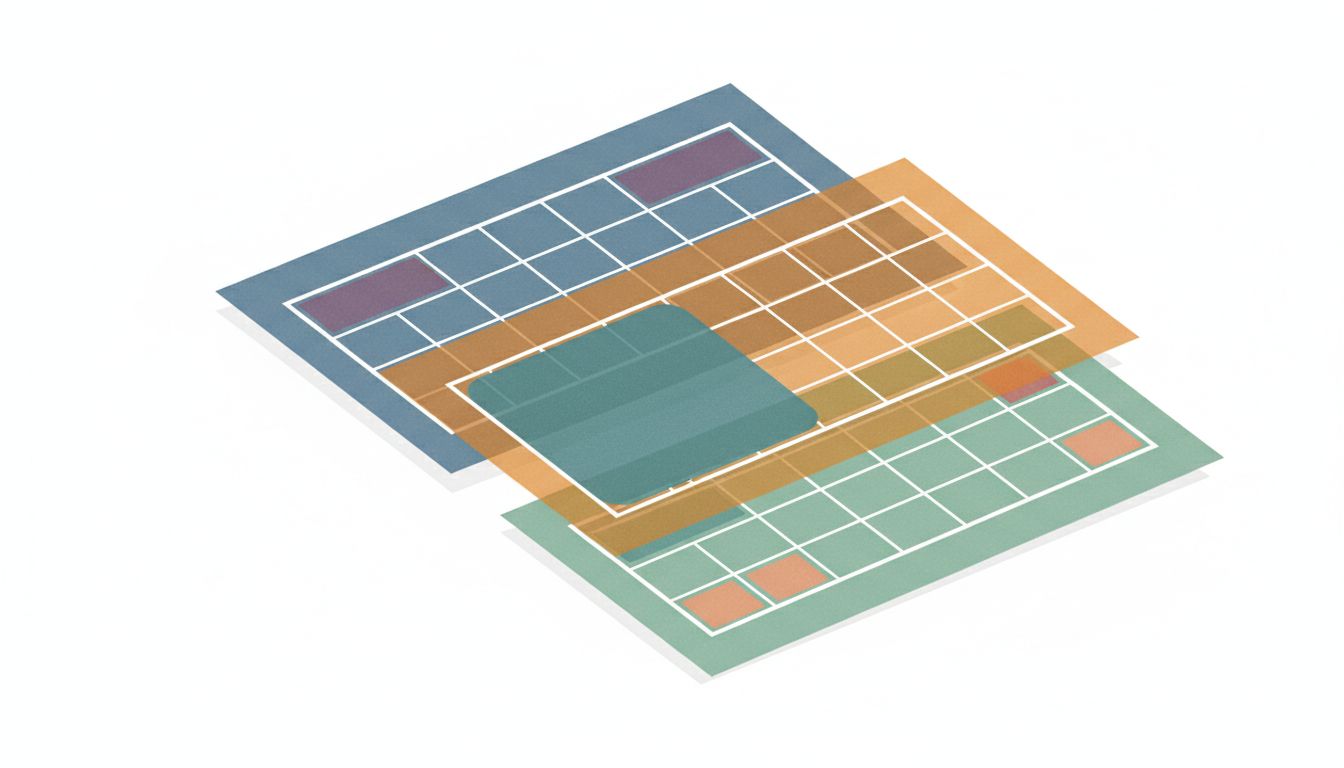
A single master calendar sounds like the organized choice. The people who manage time best know it's actually a trap.
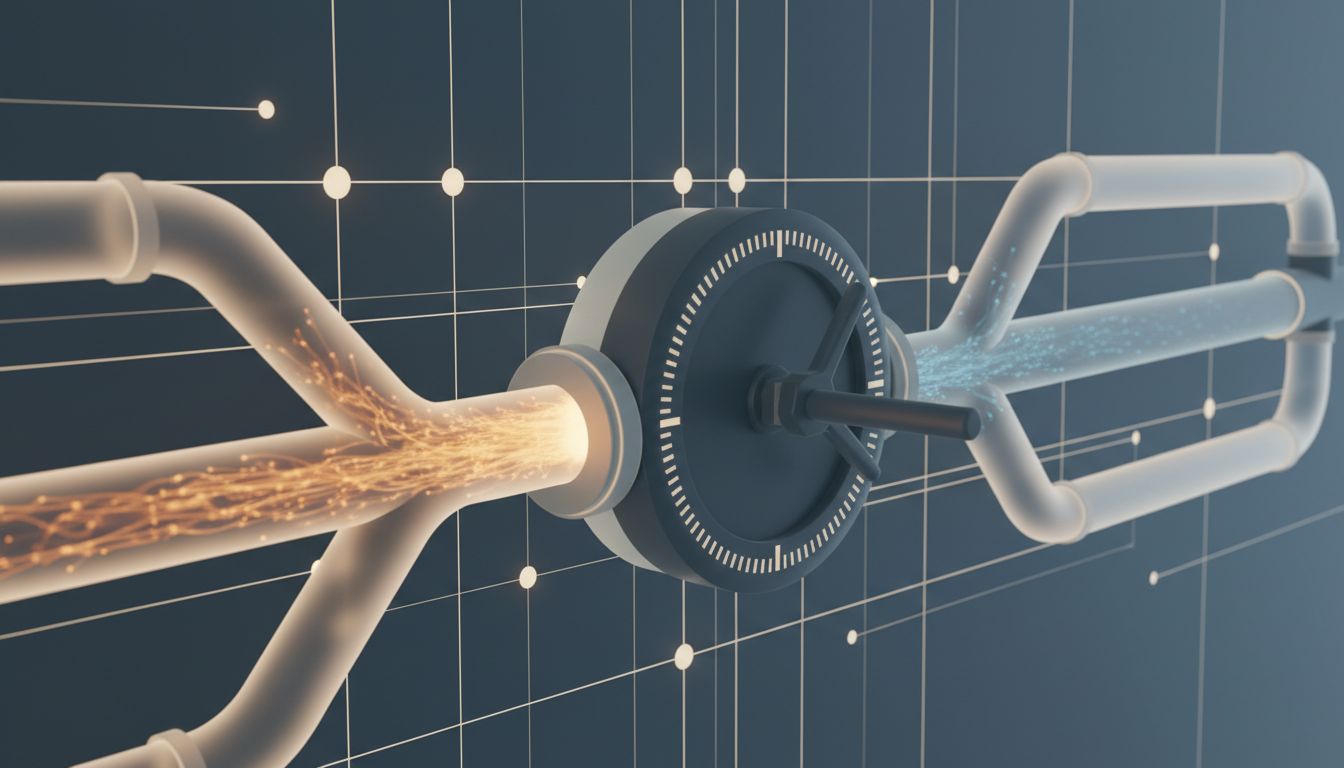
Choosing slower internet sounds counterproductive. Experienced nomads know it's one of the most effective focus tools available.
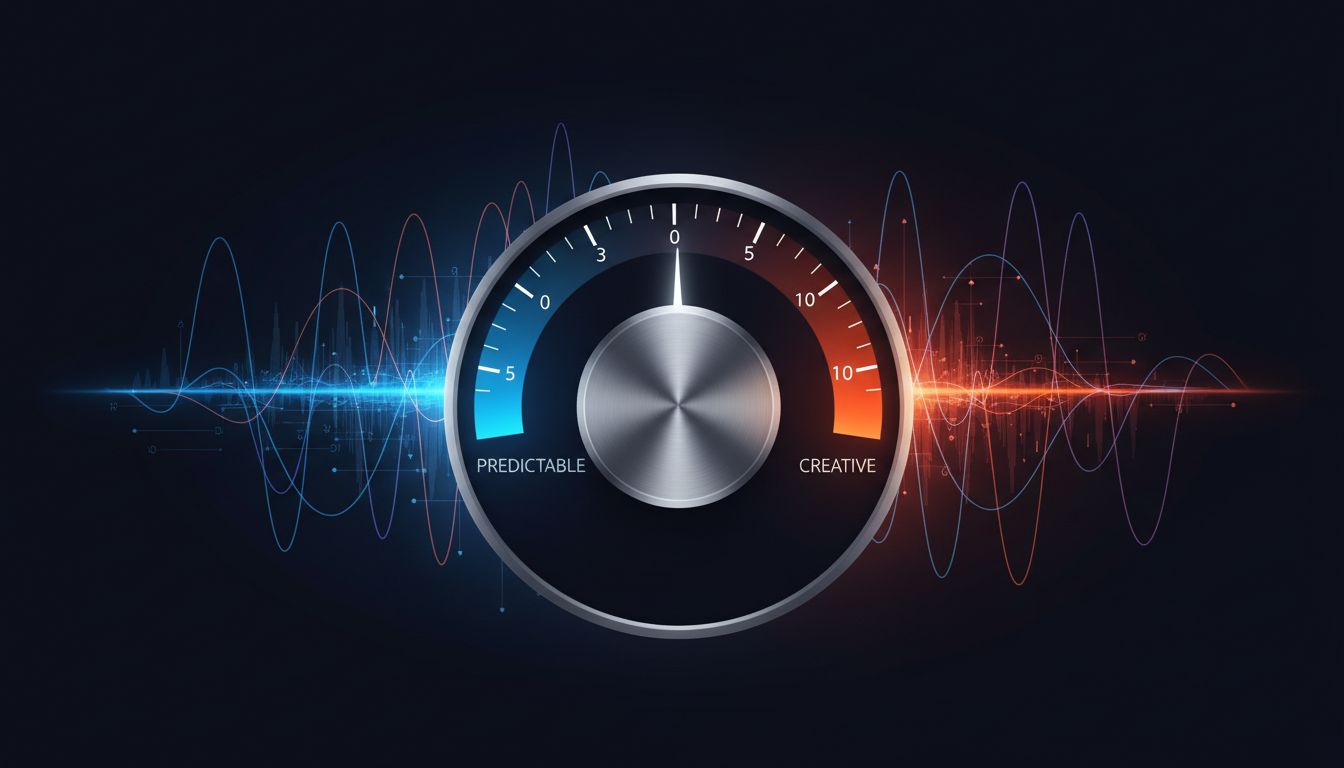
It's not a glitch. There's a dial inside every AI model that controls how random its outputs are, and understanding it changes how you use these tools.

The people who preach doing more with less often own more devices than anyone. Here's the counterintuitive logic that actually makes it work.
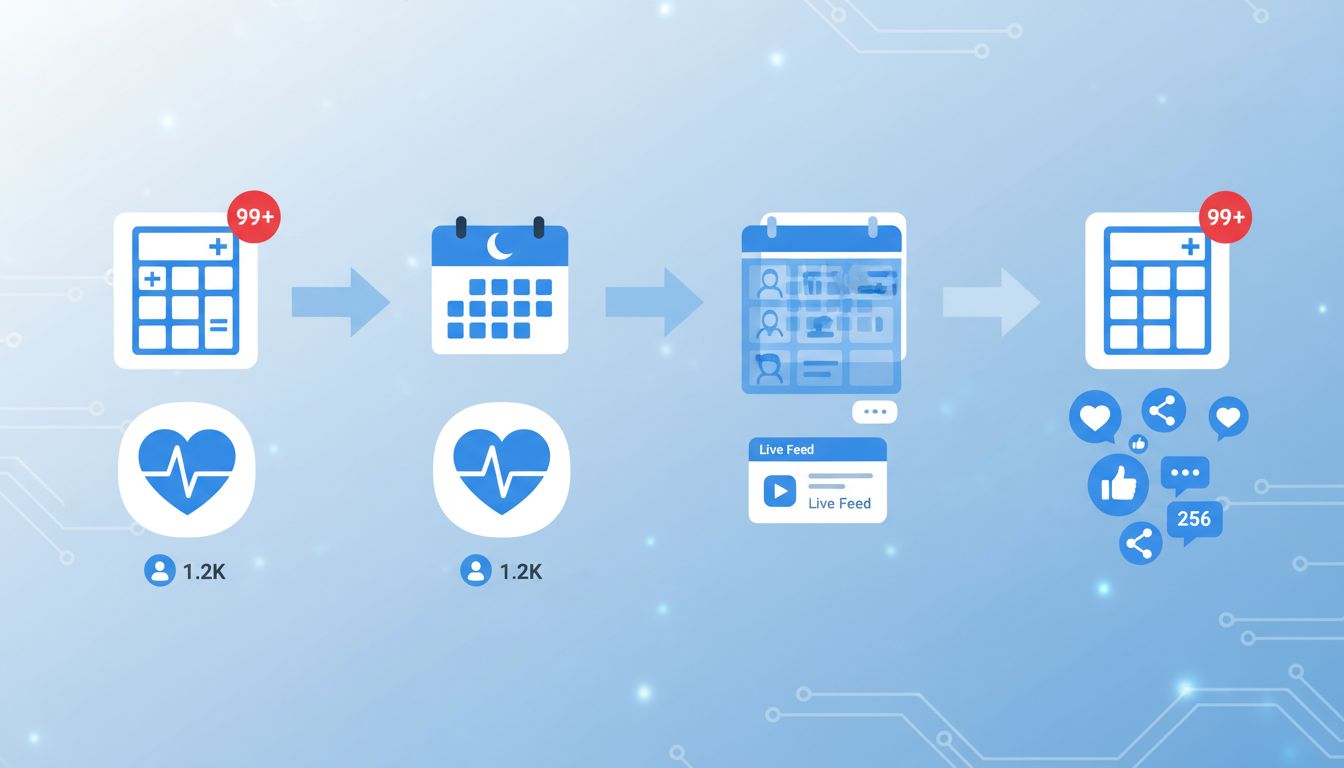
From fitness trackers to spreadsheet tools, apps keep adding social features nobody asked for. Here's the cold logic driving it.
That flawless product demo you watched wasn't lying to you — but it wasn't showing you the real thing either. Here's the gap nobody talks about.
That inconsistency you keep noticing in your AI tools? It's intentional. Here's what's actually happening and how to use it to your advantage.

More apps don't mean more output. The people getting the most done are quietly using less, and the research backs them up.
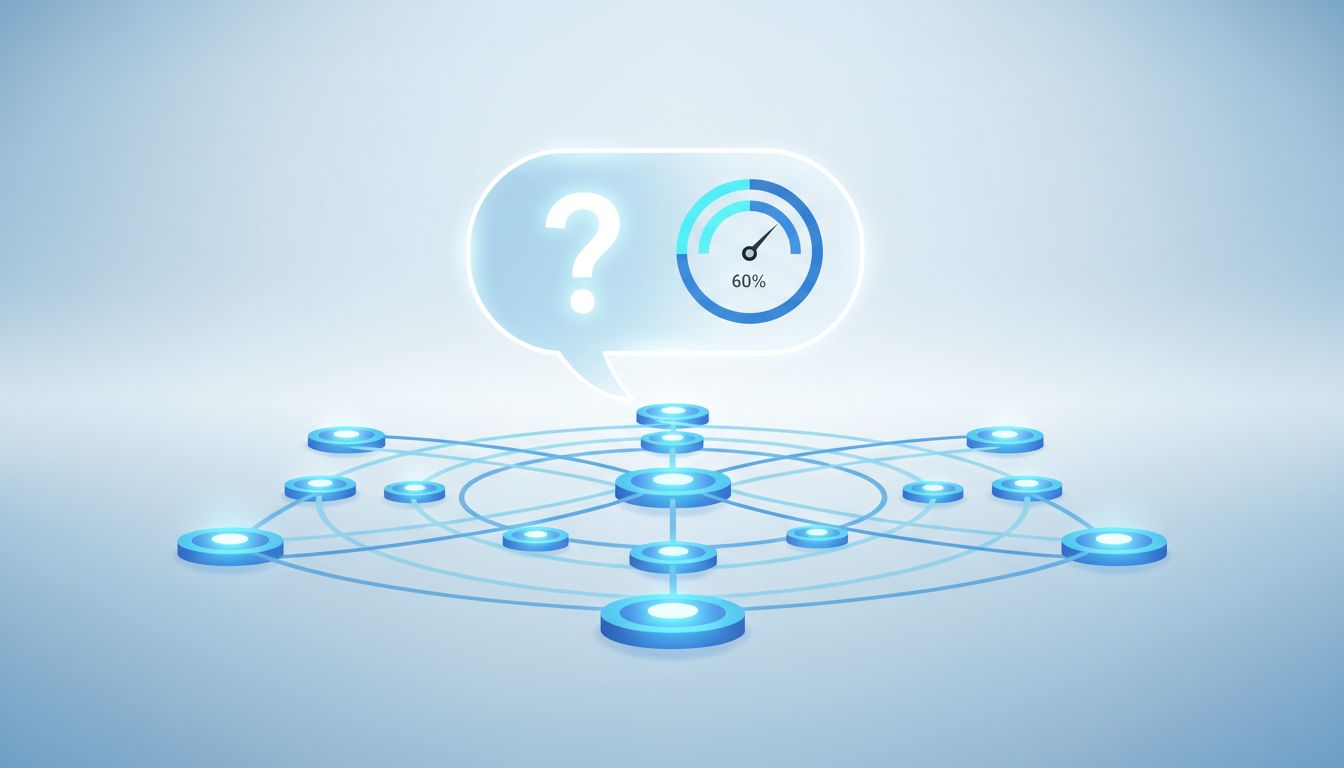
AI chatbots don't stumble into honesty by accident. There's a deliberate, layered training process behind every 'I'm not sure about that.'
Why is it called Python? Or Rust? Or Go? The naming of programming languages follows hidden patterns that reveal how creators think about adoption.
The best digital performers don't just block distracting apps. They make them invisible by design, and the difference is profound.
Your Google Calendar isn't broken. It's working exactly as designed, and that design is subtly training you to be less punctual.
Join thousands of readers who get our weekly breakdown of the most important stories in technology.
Free forever. Unsubscribe anytime.