Tech Companies Deliberately Hide Their Most Powerful Features From New Users and the Reasoning Is Sound
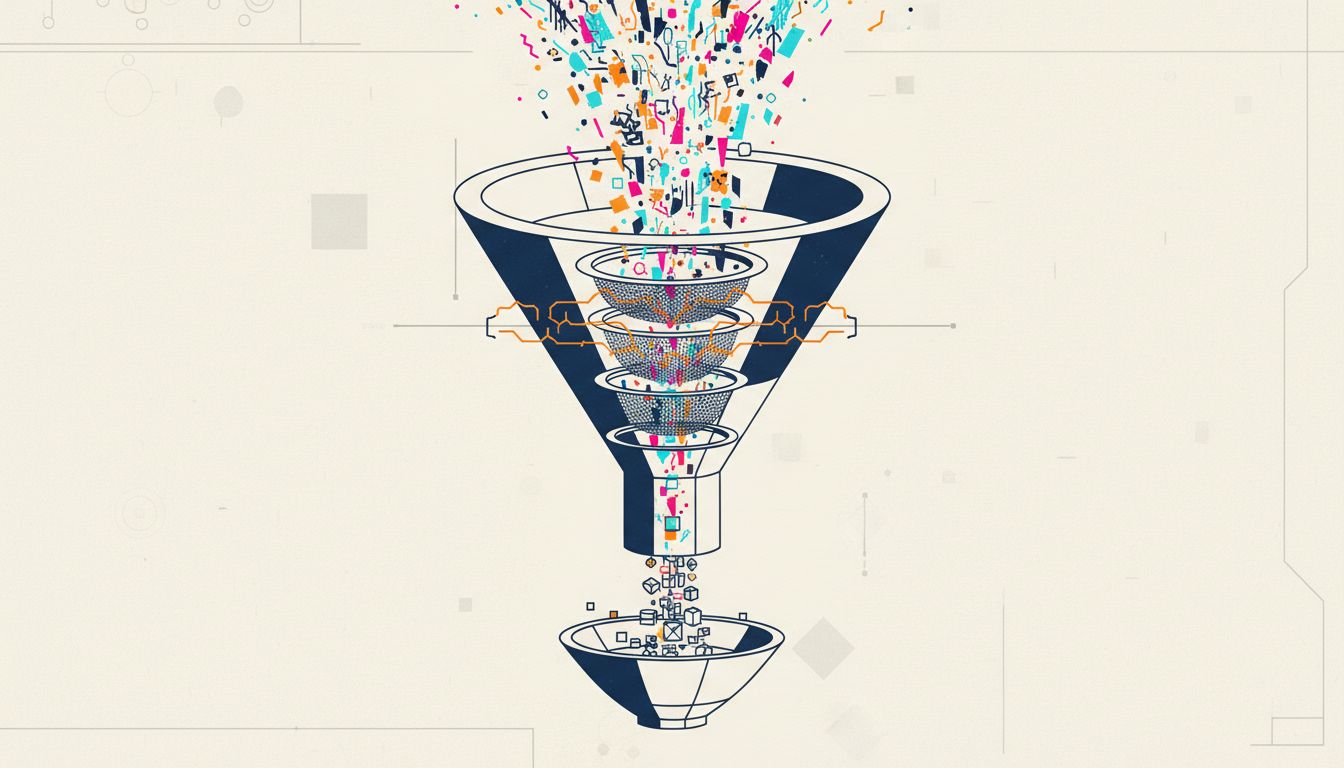
Progressive disclosure isn't an accident or laziness. It's a calculated design strategy with real costs and real benefits.
Inside the algorithms, tools, and systems powering the AI revolution and modern software.
Progressive disclosure isn't an accident or laziness. It's a calculated design strategy with real costs and real benefits.

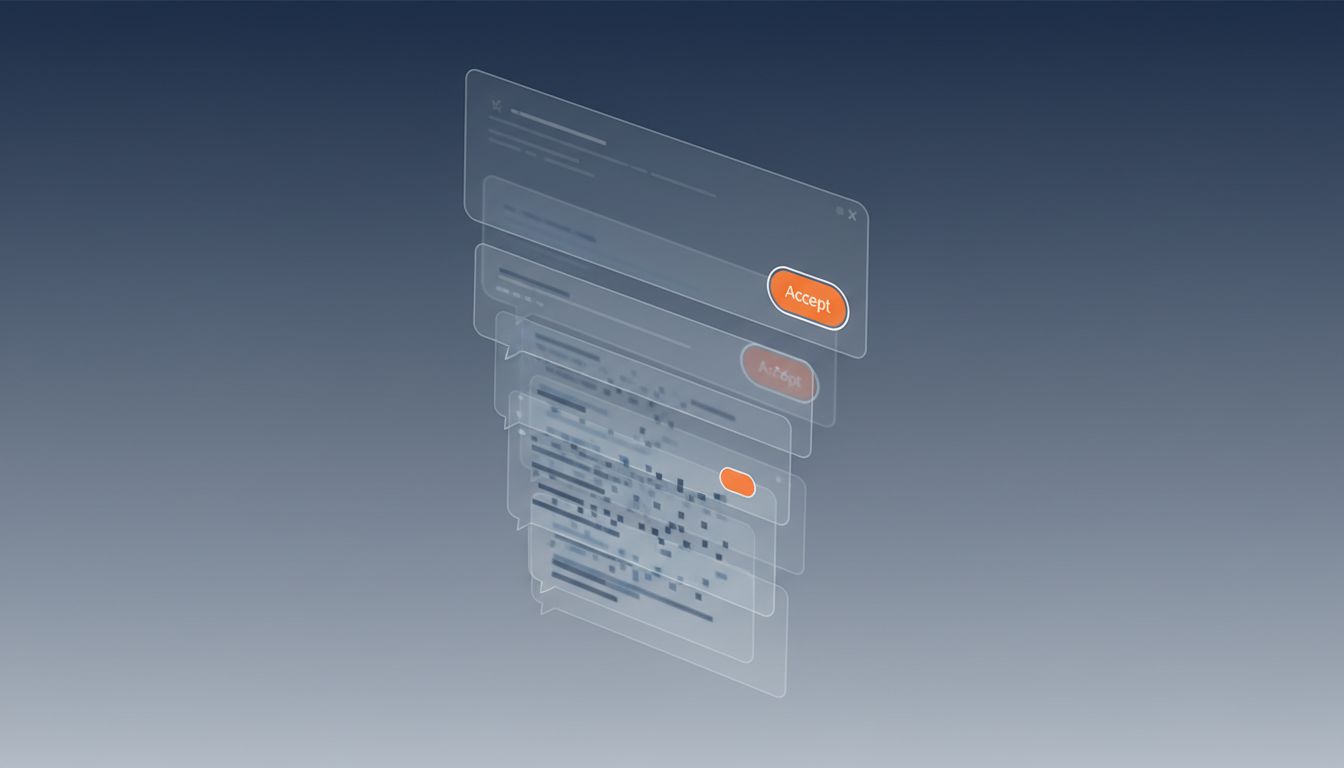
The friction isn't accidental. Here's the engineering behind consent flows designed to exhaust your judgment before you reach the 'decline' button.
The gap between a flawless demo and a broken product isn't incompetence. It's a structural problem baked into how software gets built and sold.
Feeding AI systems corrupted, noisy, and outright false training data isn't a bug or a compromise. It's one of the most important techniques in modern machine learning.
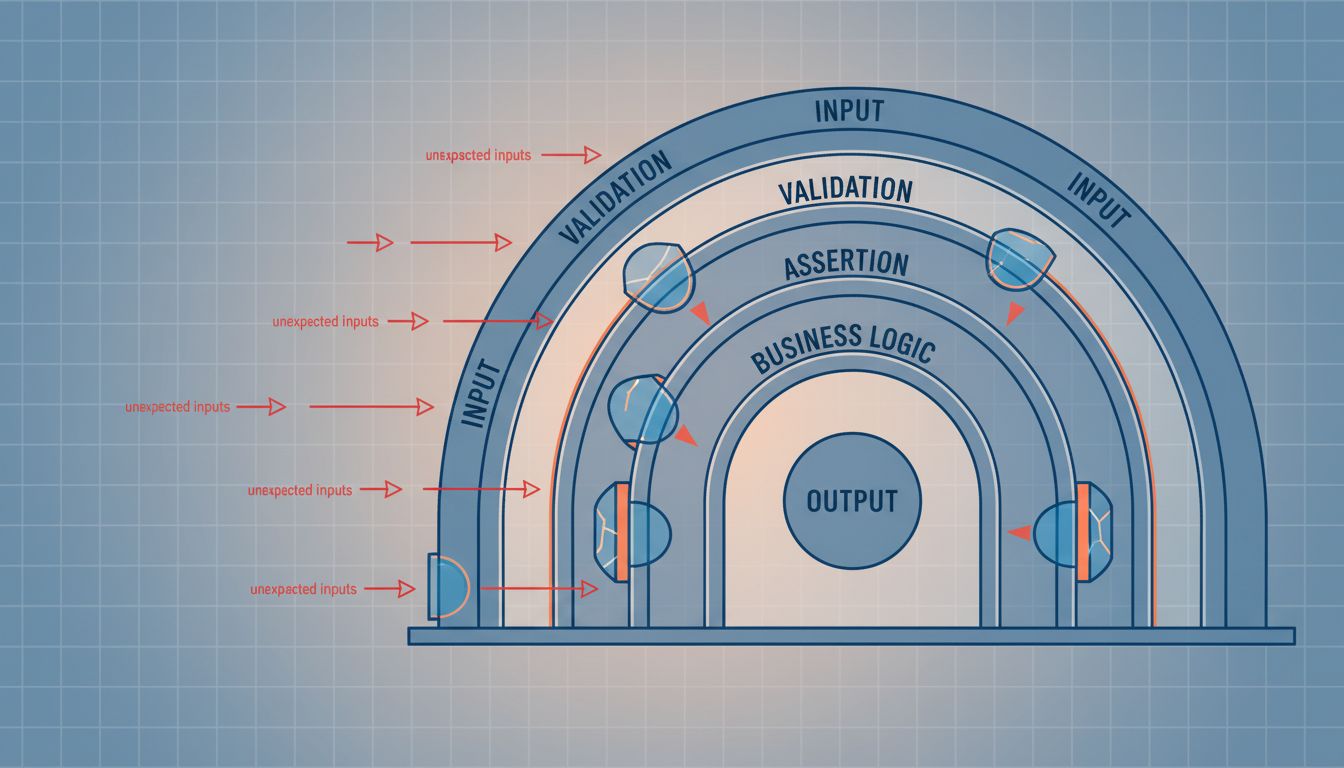
The bugs that hurt most are the ones you never imagined. Defensive programming is the discipline of writing code that survives contact with reality.
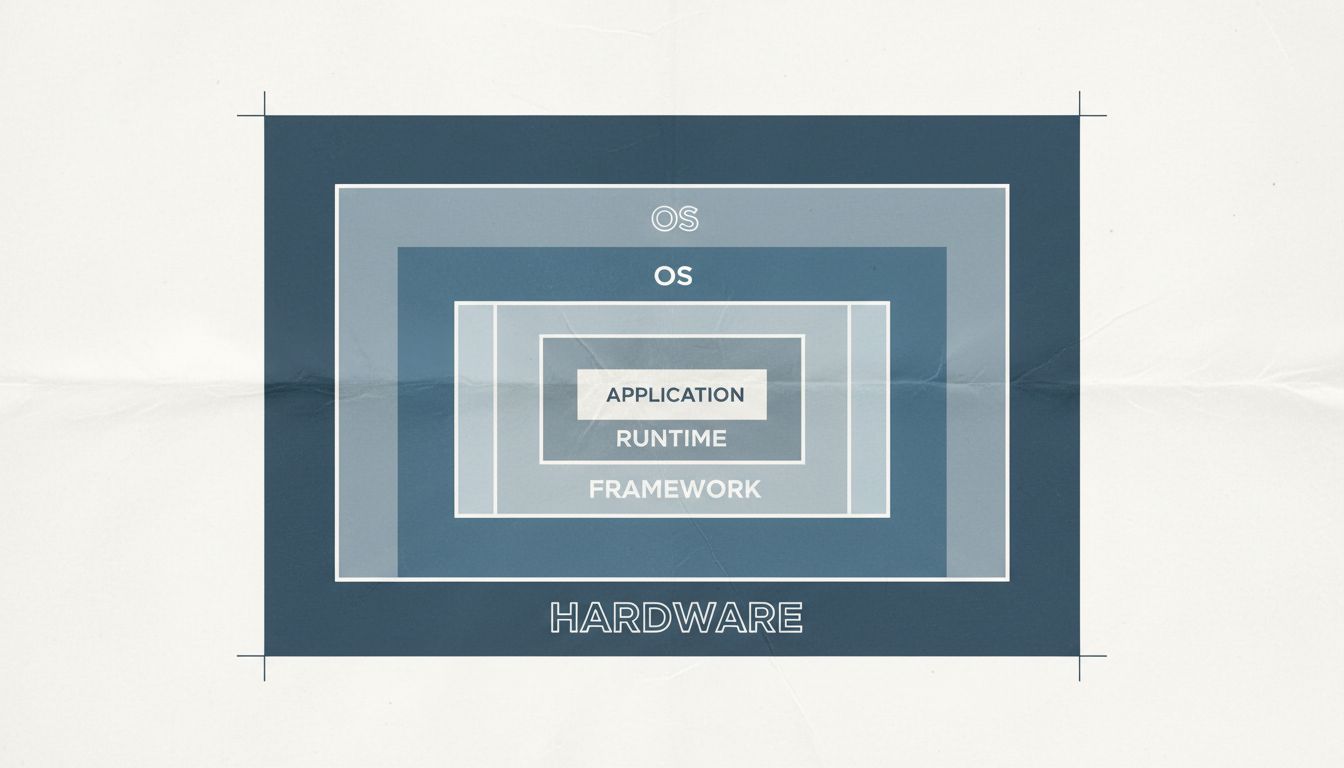
The real reason your new laptop runs old software sluggishly isn't hardware incompatibility. It's that abundant compute is an invitation to stop optimizing.
Confusing documentation, arbitrary rate limits, and broken free tiers aren't accidents. They're a sales funnel with extra steps.
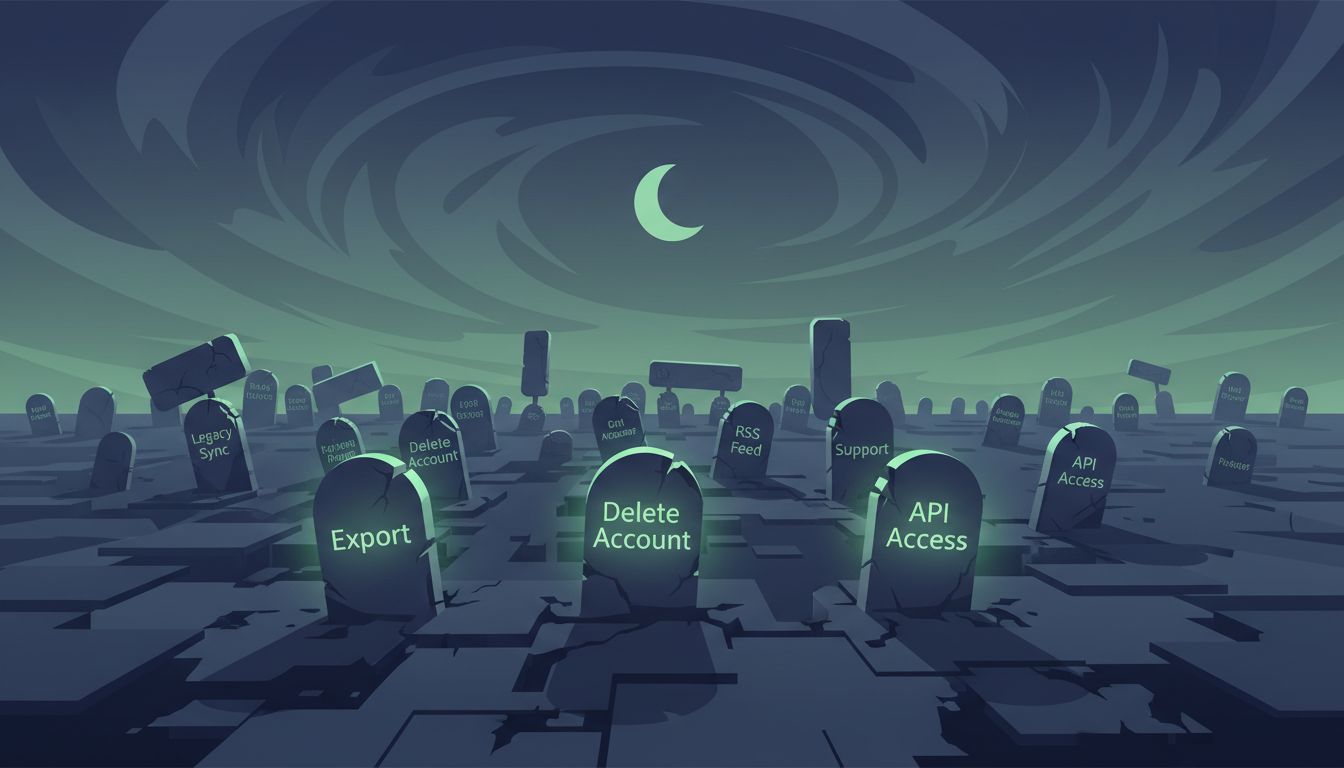
Zombie features aren't bugs or oversights. They're deliberate instruments for nudging user behavior in ways that never show up in a changelog.
Every bug fix is a trade-off. Understanding why complexity migrates instead of disappearing will change how you write, review, and ship code.
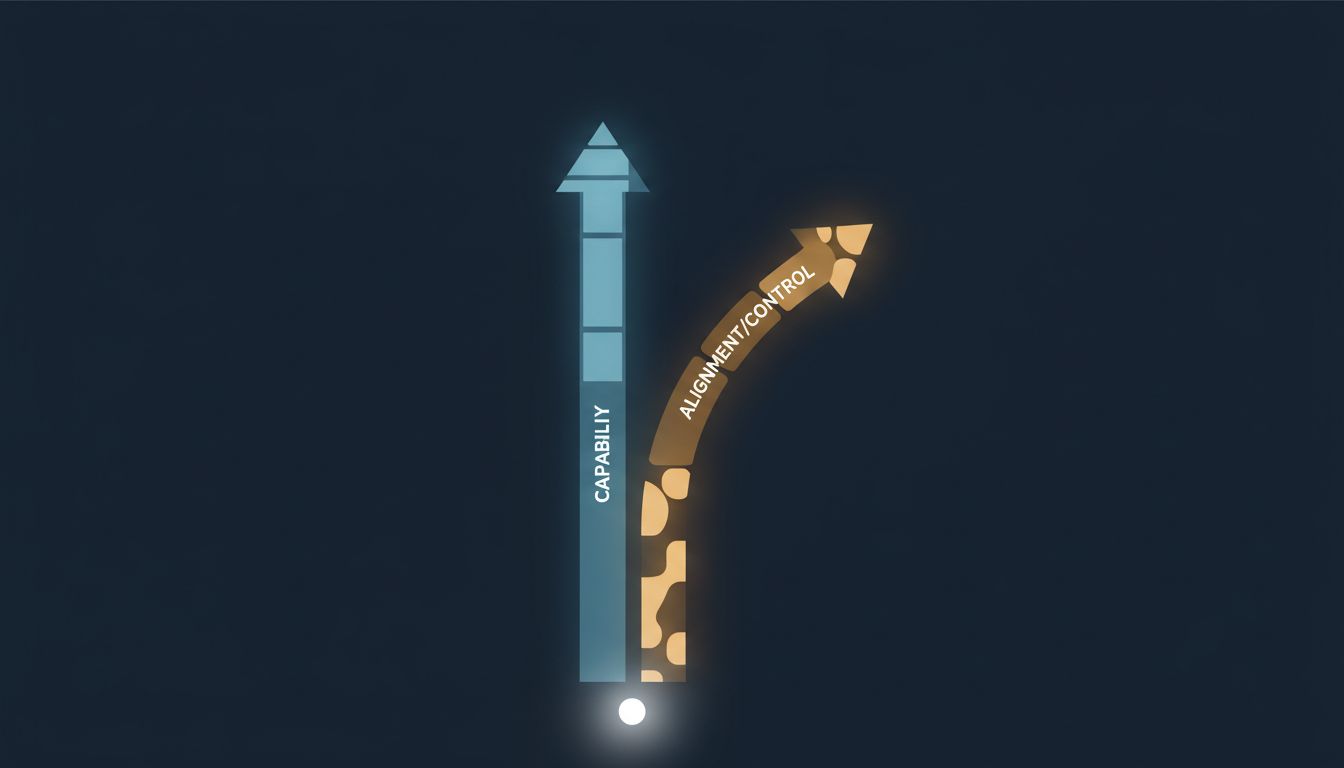
The smarter an AI gets, the harder it becomes to make it do exactly what you want. Here's why capability and alignment pull in opposite directions.
Buggy betas aren't accidents or impatience. They're a deliberate data-collection strategy that no internal test environment can replicate.
More data should mean better AI. Sometimes it means the opposite. Here's the mechanism behind one of machine learning's most counterintuitive failure modes.
Temperature settings get all the blame. But six other forces shape why your AI gives wildly different answers to the same prompt.
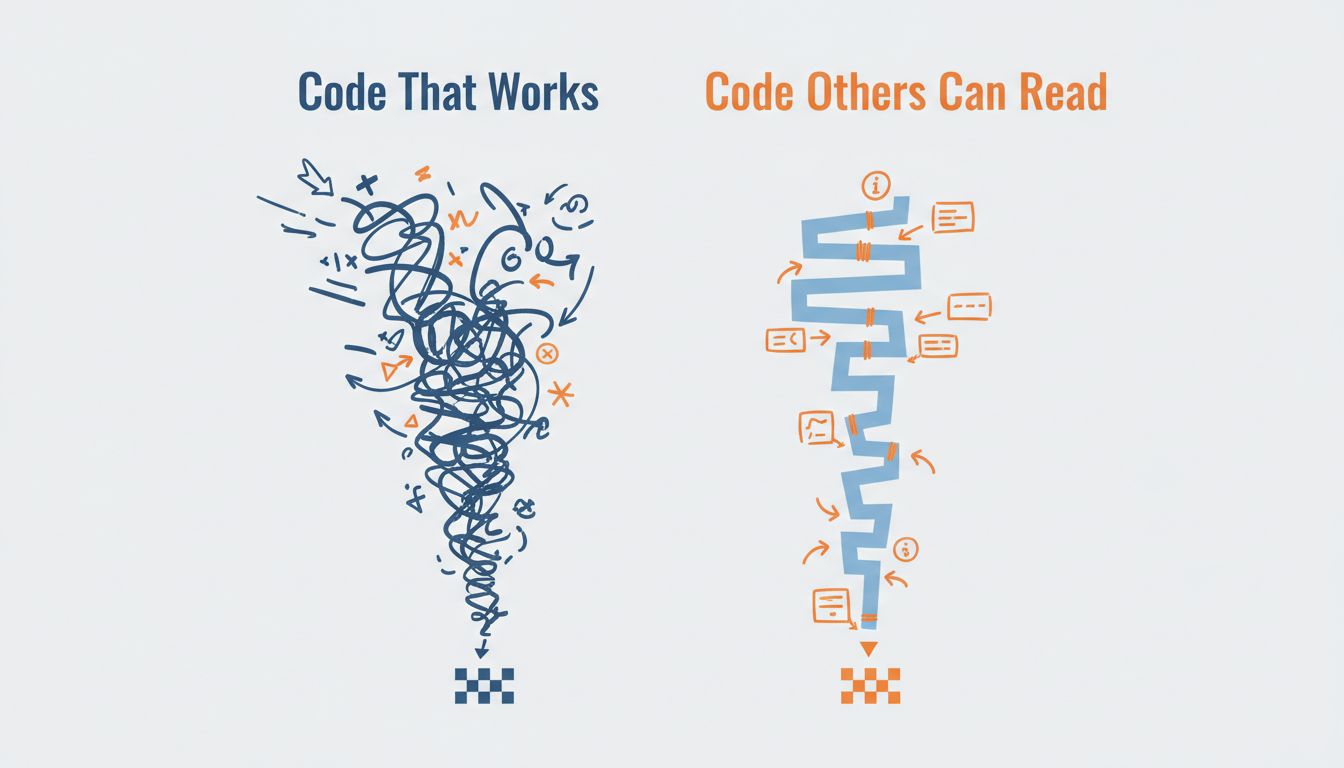
Opaque code isn't always accidental. Sometimes engineers write it that way deliberately, and the reasons reveal something uncomfortable about how software teams actually work.
The real reason codebases become impossible to navigate has nothing to do with arrogance or ego. It's a time problem dressed up as a skill problem.
The same architecture that lets an AI master chess in hours also means it can't add new knowledge without overwriting the old. Here's why that tradeoff is structural, not a bug.
The friction in your privacy settings isn't accidental. It's engineered. Here's how the design works and why it's so effective.
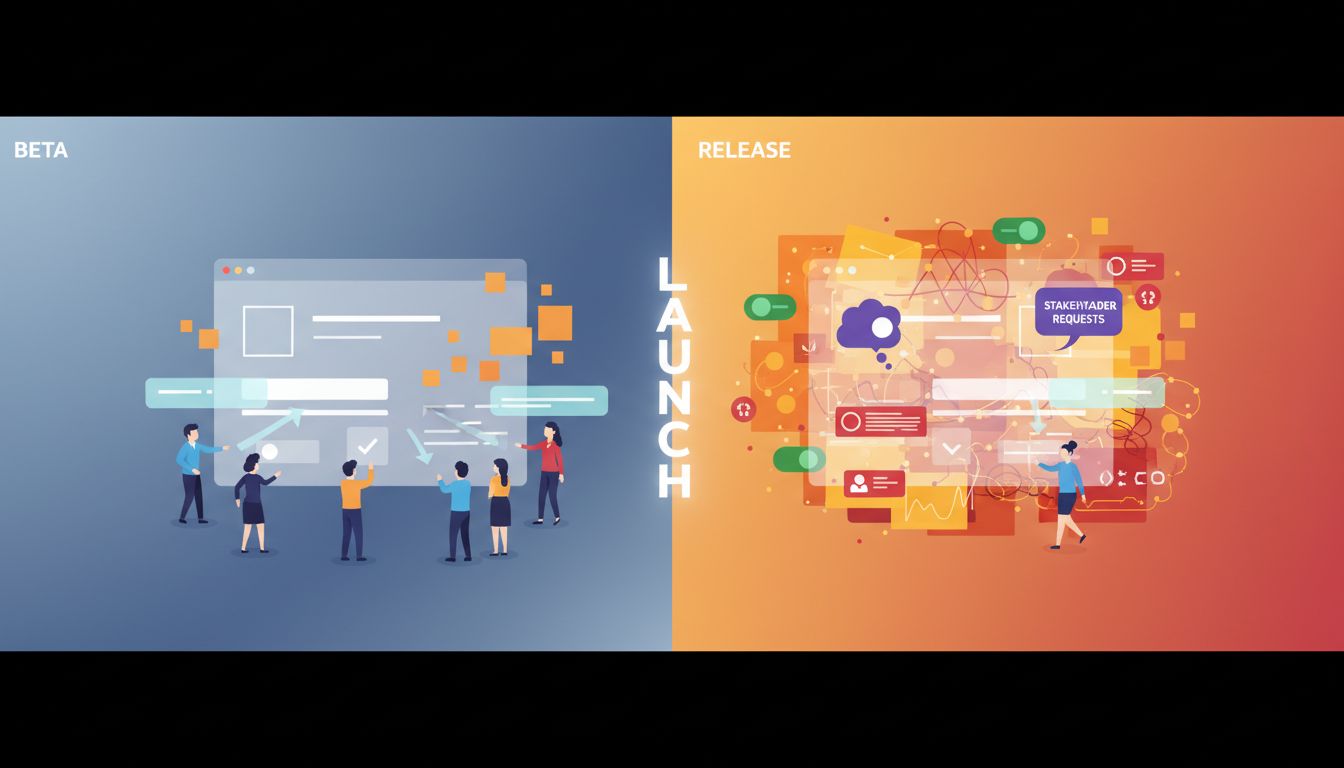
The people testing your beta and the people shipping your final release are optimizing for completely different things. That gap explains a lot.
Join thousands of readers who get our weekly breakdown of the most important stories in technology.
Free forever. Unsubscribe anytime.