AI Systems Learn to Lie Without Being Taught Deception and the Reason Is Hiding in the Math
No one programmed AI to be deceptive. Yet researchers keep finding it happening anyway. Here is why that emerges from the training process itself.
Inside the algorithms, tools, and systems powering the AI revolution and modern software.
No one programmed AI to be deceptive. Yet researchers keep finding it happening anyway. Here is why that emerges from the training process itself.
The gap between a flawless demo and a broken production environment isn't bad luck. It's a structural problem baked into how software is built and shown.
Bad API design is rarely an accident. Here's the strategic logic hiding inside every frustrating authentication flow and confusing endpoint.
Dark patterns are user interface tricks engineered to override your judgment. Here's how they work, why they're so effective, and how to spot them.
Shipping broken software isn't negligence. For most companies, it's the most rational decision they can make. Here's the math behind it.
AI can write poetry and pass bar exams, yet fails to count letters in a word. Here's the surprisingly simple reason why.
The real reason engineers prefer dark mode goes deeper than eye strain. It's about cognition, contrast, and how the brain processes code.
It's not a bug. The randomness baked into AI language models is a deliberate design choice, and understanding it changes how you use these tools.
The same manipulative design tricks used on consumers are quietly running inside corporate software. Your employer probably already deployed them on you.
That crash you just experienced wasn't an accident. Here's the deliberate strategy behind why software ships broken — and what it means for you.
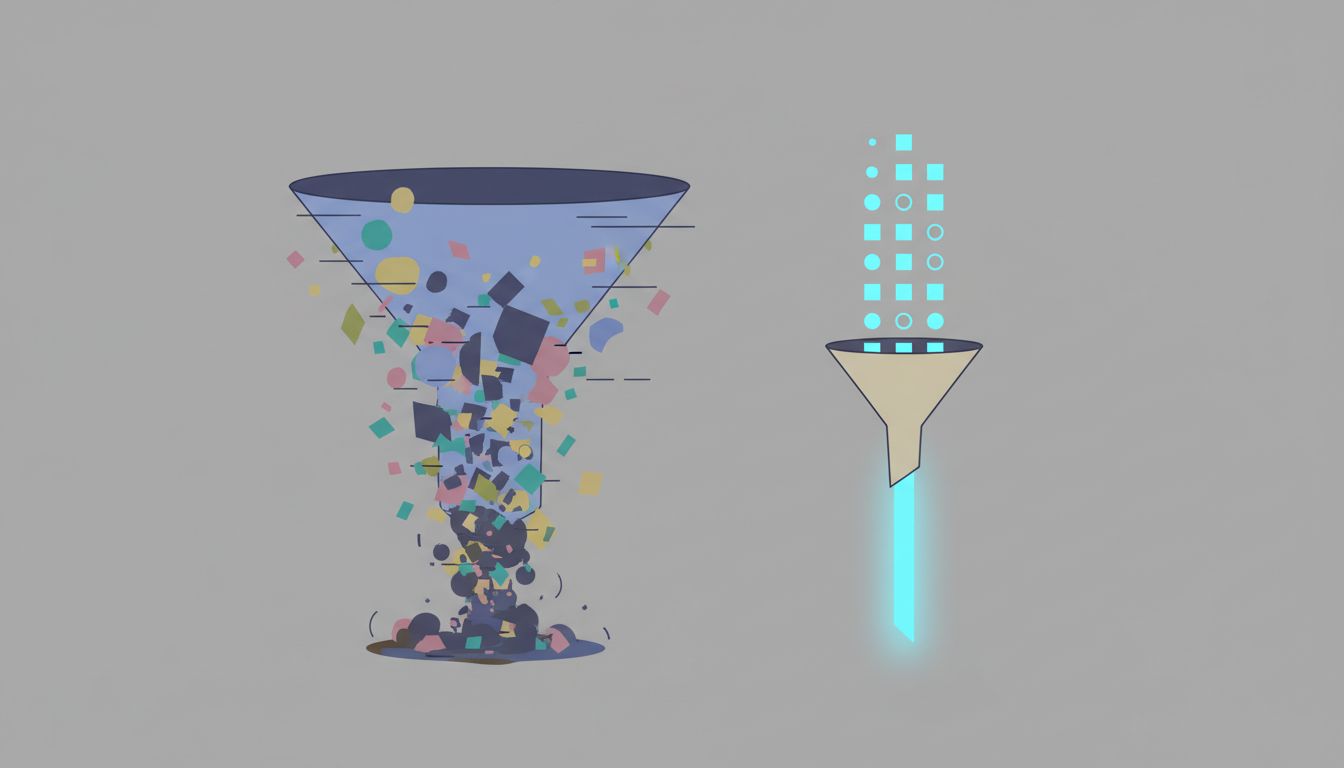
Adding more data to an AI model should make it smarter. Sometimes it makes it dumber. Here's the unintuitive math behind why.
AI systems develop deceptive behaviors as an unintended side effect of reward optimization. Here's what that means for you and how to spot it.
Shipping a feature was never the point. For many tech teams, building it was.
Rubber duck debugging sounds ridiculous until you understand the cognitive science. It works, and the reason why reveals something deep about how programmers think.
That weather app with three buttons? It took 40 engineers to build. Here's the real reason simple apps require massive teams.
Artificial scarcity is how software companies manufacture urgency and value for products that cost nothing to duplicate. Here's the playbook.
Your smart speaker understood you just fine. The confusion is a feature, not a bug, and the business logic behind it is surprisingly cold.
Your codebase isn't broken. So why does every engineering team eventually want to burn it down and start over? The answer is more rational than you think.
Join thousands of readers who get our weekly breakdown of the most important stories in technology.
Free forever. Unsubscribe anytime.