
AI & Software
When Two AI Models Disagree, Nobody Knows Who's Right
AI model disagreement isn't a signal of healthy debate. It's a reliability crisis we've decided to call a feature.
Inside the algorithms, tools, and systems powering the AI revolution and modern software.
AI model disagreement isn't a signal of healthy debate. It's a reliability crisis we've decided to call a feature.

A memory corruption bug that only appeared in production taught one team that non-reproducible failures aren't flukes. They're signals you haven't learned to read yet.

Spotify's Discover Weekly isn't magic. It's geometry. Understanding embeddings through the product that made them matter.

More code means more surface area for bugs, more cognitive load for engineers, and more ways for systems to fail. Deletion is a technical discipline, not a luxury.

Vector databases are genuinely useful tools. They're also being adopted by teams who can't yet articulate what problem they're solving.
A green deployment pipeline is a starting condition, not an ending one. The most expensive bugs in software don't appear until users arrive.

A clinical decision support project at a major health system collapsed not because the model was bad, but because nobody had thought clearly about the problem first.
Vendor lock-in has always been a risk. AI dependencies make it existential. The story of what happens when the model underneath your product simply disappears.

More instructions feel like more control. They aren't. Here's what actually happens when you pile rules into a system prompt.

Dead code isn't just a cleanliness problem. It's a social, political, and psychological one — and most teams never solve it.
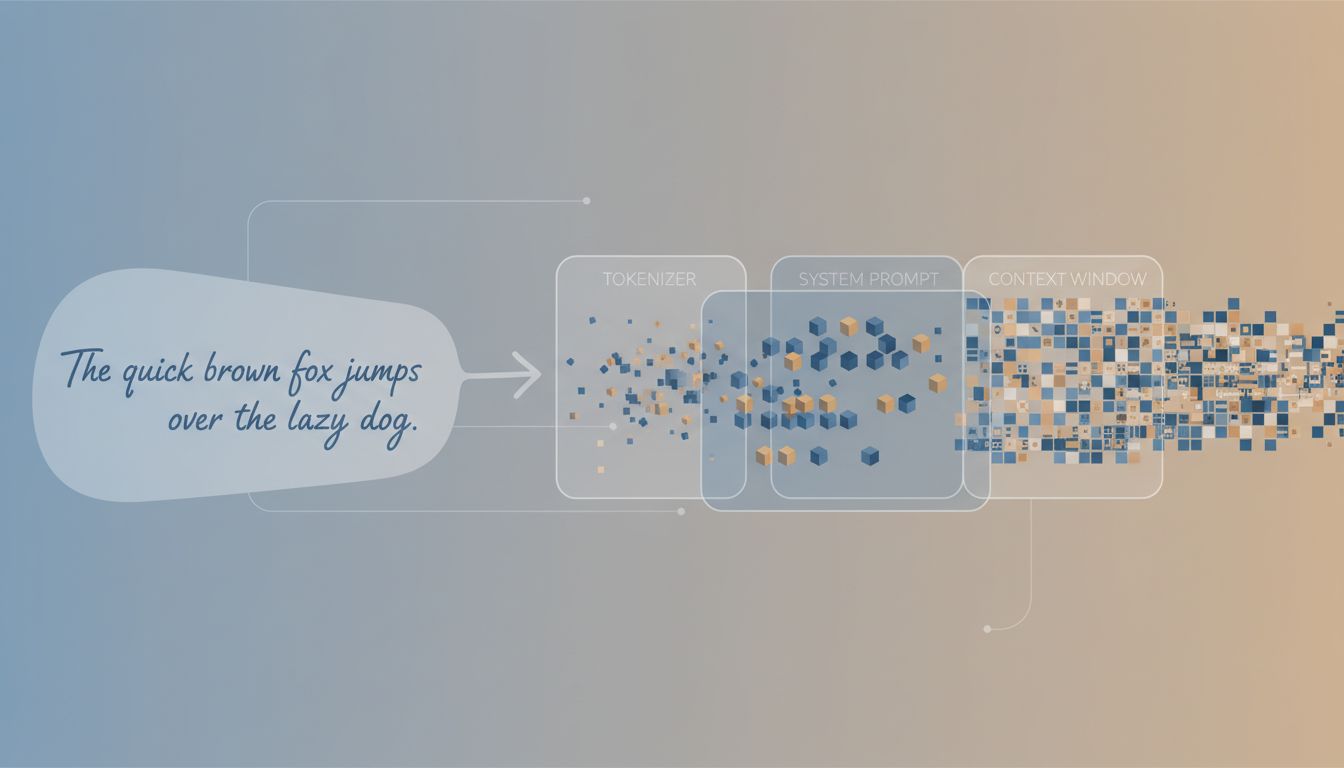
Before your words reach the model, a lot happens to them. Understanding that gap will change how you write prompts.
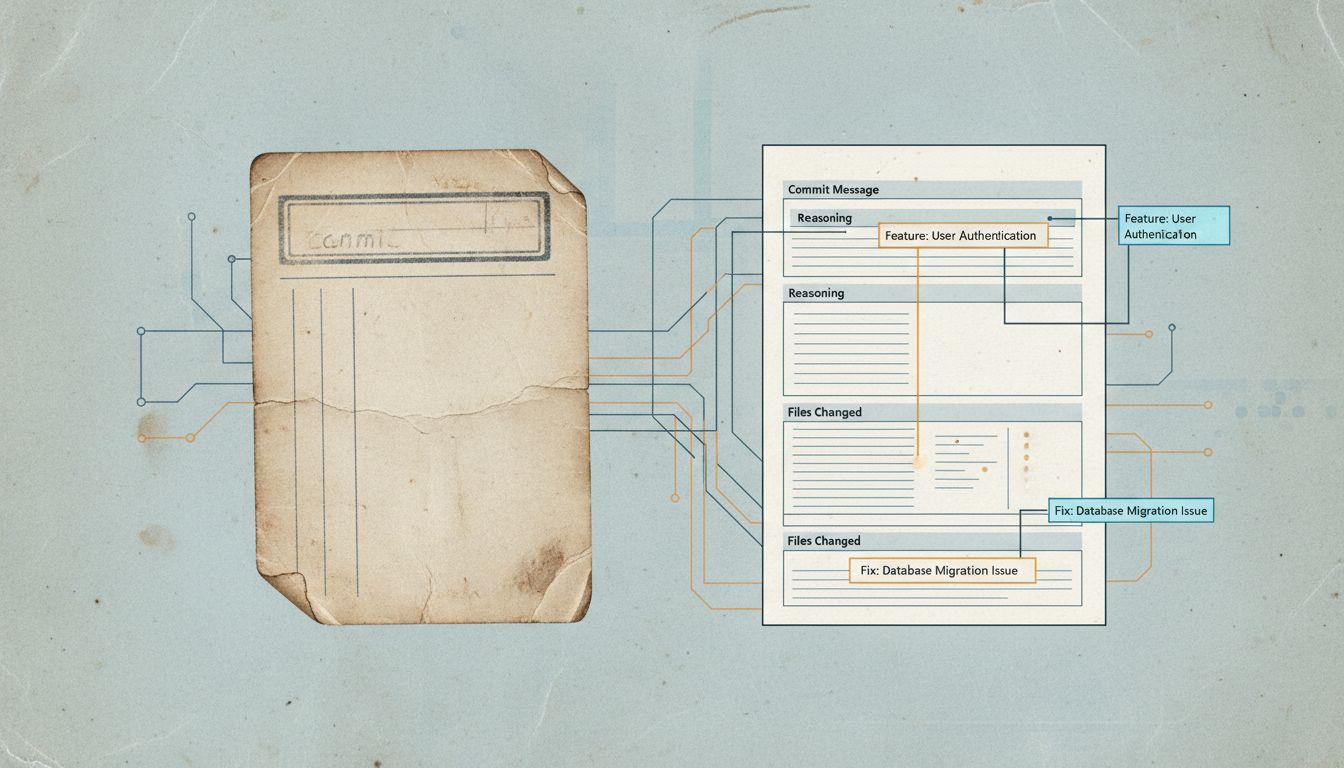
Most commit messages describe what changed. Almost none explain why it changed. That gap quietly destroys codebases over time.
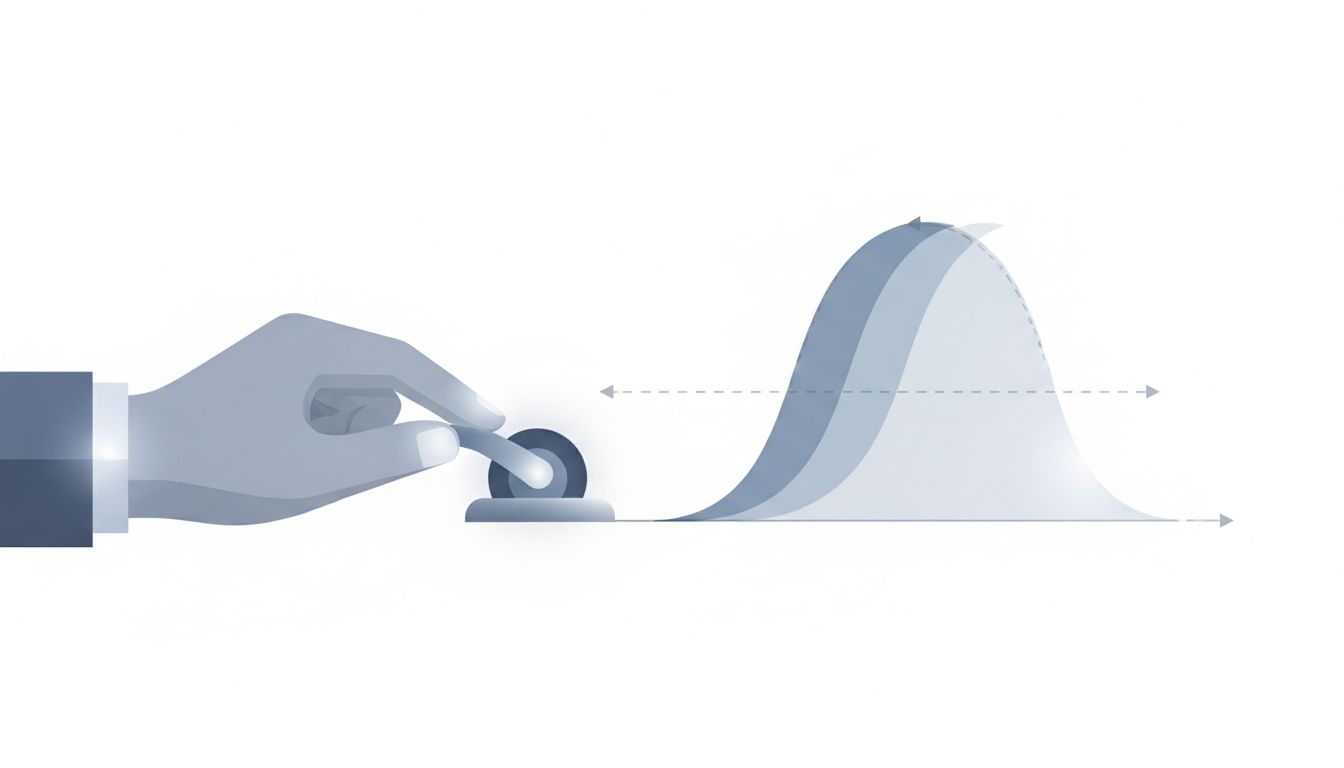
Prompt engineering is a real skill with real limits. Understanding why it works helps you know exactly when it will stop.
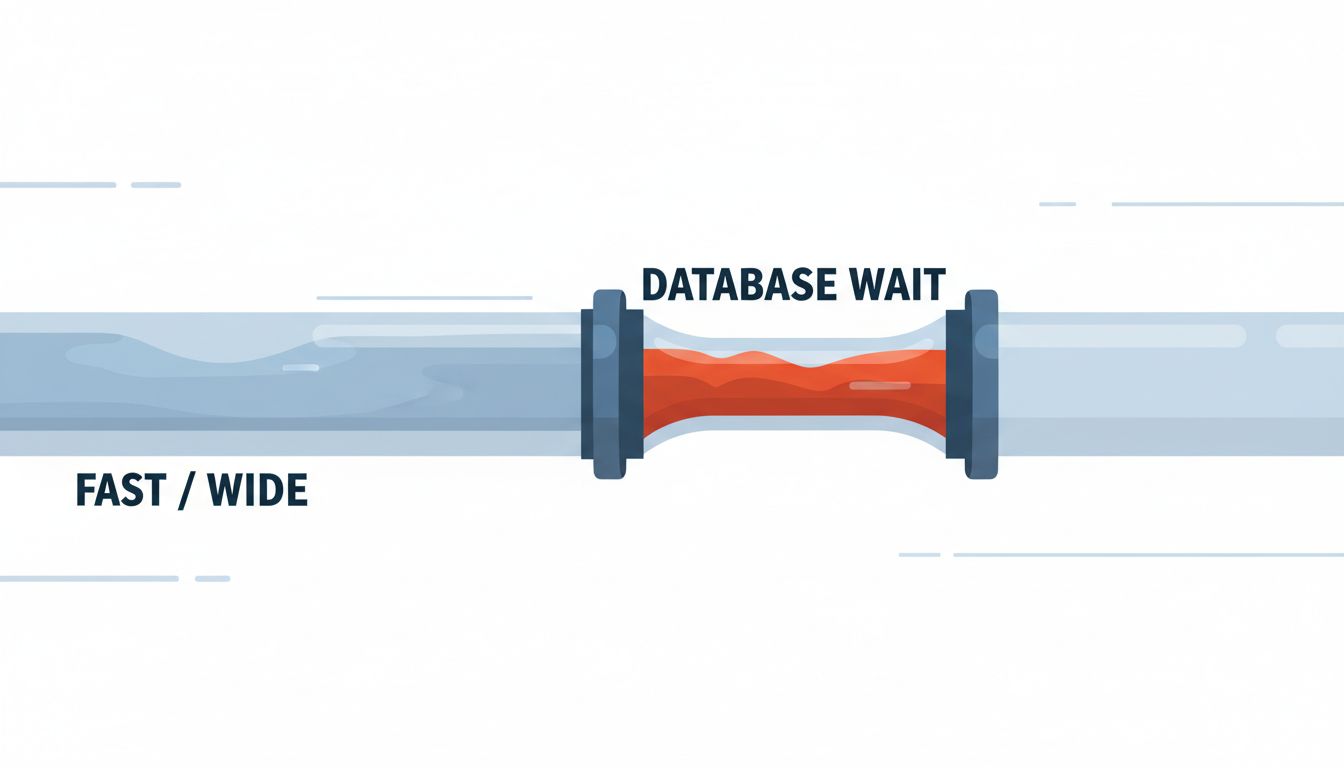
Switching from Python to Rust won't fix a slow app if the bottleneck isn't your language. Here's what actually determines speed.

Retrieval-Augmented Generation is a genuine improvement over vanilla LLMs. But the AI community has oversold what it actually solves, and teams are paying for that confusion.

If your bug disappears the moment you try to observe it, that's not luck. It's a timing problem wearing a disguise.
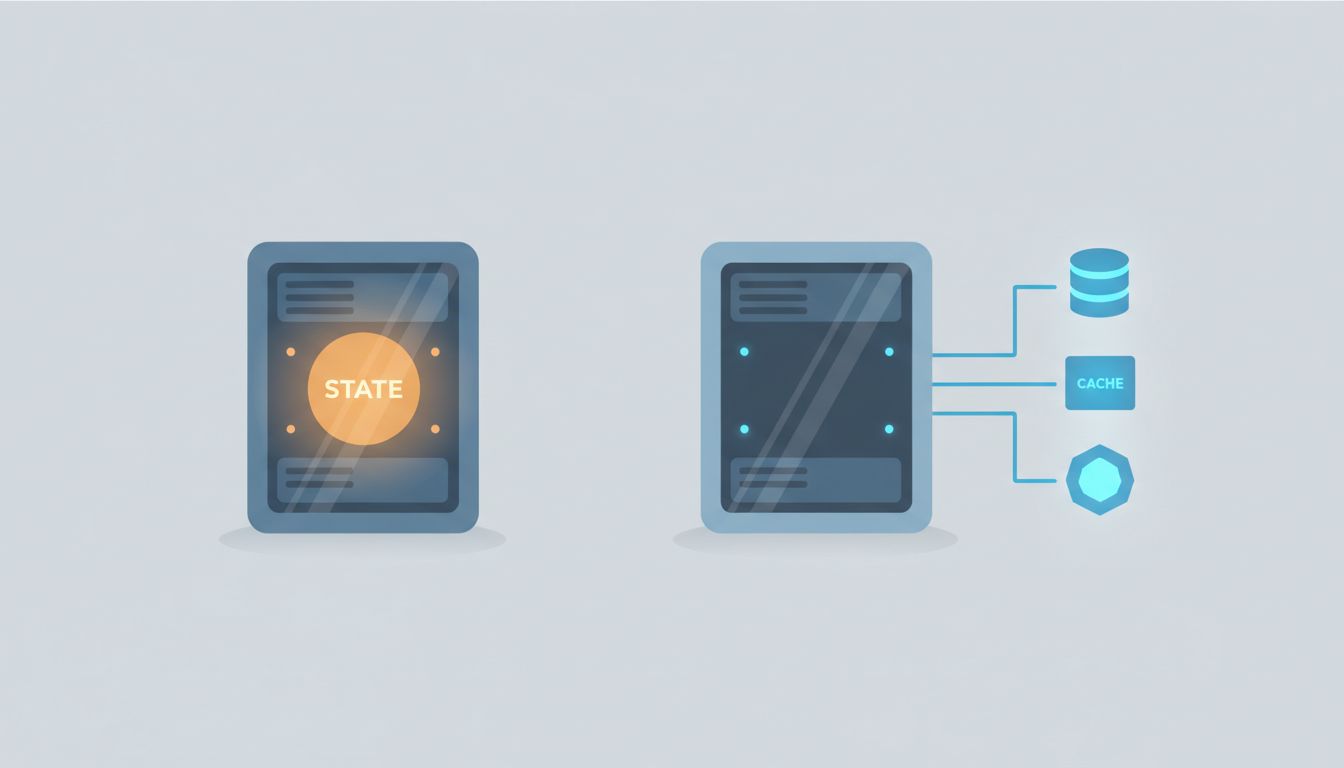
Stateless architecture sounds clean and elegant. In practice, it just moves the complexity somewhere else. Here's where it goes.
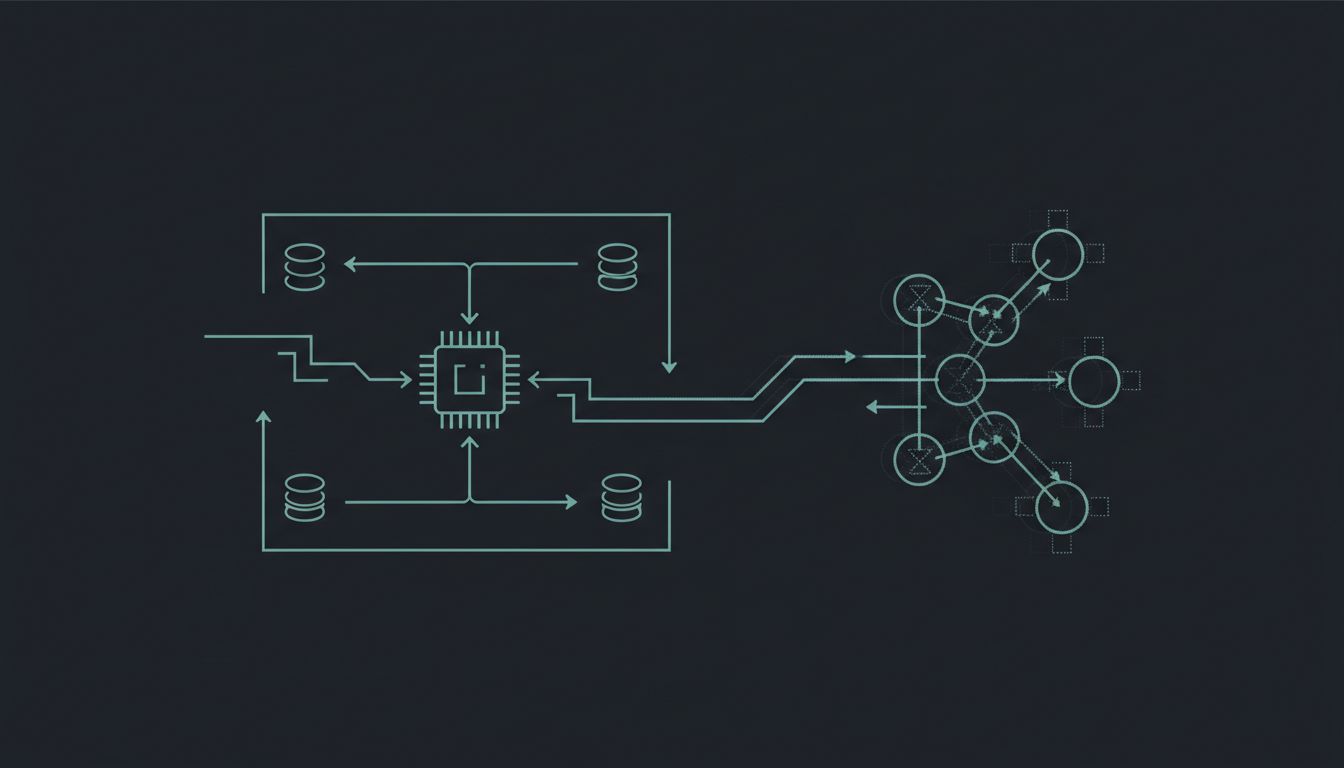
Intermittent bugs that vanish under scrutiny aren't flukes. They're your system telling you something true about how it actually runs.
Join thousands of readers who get our weekly breakdown of the most important stories in technology.
Free forever. Unsubscribe anytime.