
AI & Software
Embeddings Are Just Coordinates. So Why Do They Work?
A vector is a list of numbers. That's it. Yet embeddings power semantic search, recommendations, and translation. Here's what's actually happening.
Inside the algorithms, tools, and systems powering the AI revolution and modern software.
A vector is a list of numbers. That's it. Yet embeddings power semantic search, recommendations, and translation. Here's what's actually happening.

Bigger AI models get the headlines, but smaller ones often do the actual work. Here's why compression makes models faster, cheaper, and sometimes smarter.

Embeddings aren't just 'turning words into numbers.' The real idea is stranger and more powerful than that, and understanding it changes how you think about AI.
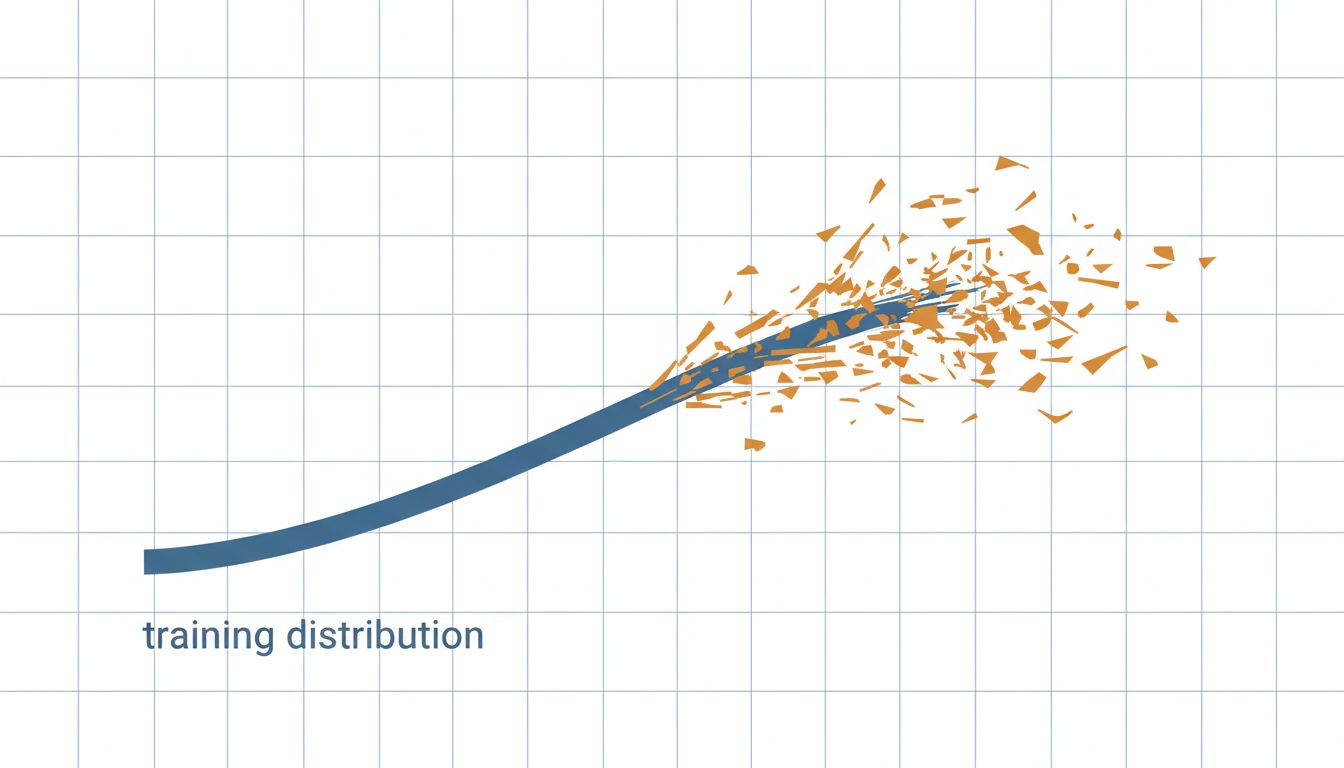
Everyone celebrates the deployment. Nobody talks about the slow, structural failure that starts the moment real users arrive.

Giving your AI assistant a massive codebase and detailed instructions often produces worse results than a focused prompt. Here's why, and what to do instead.

Most people treat AI like a search engine or a person. It's neither. Fix the mental model first, and the prompts fix themselves.
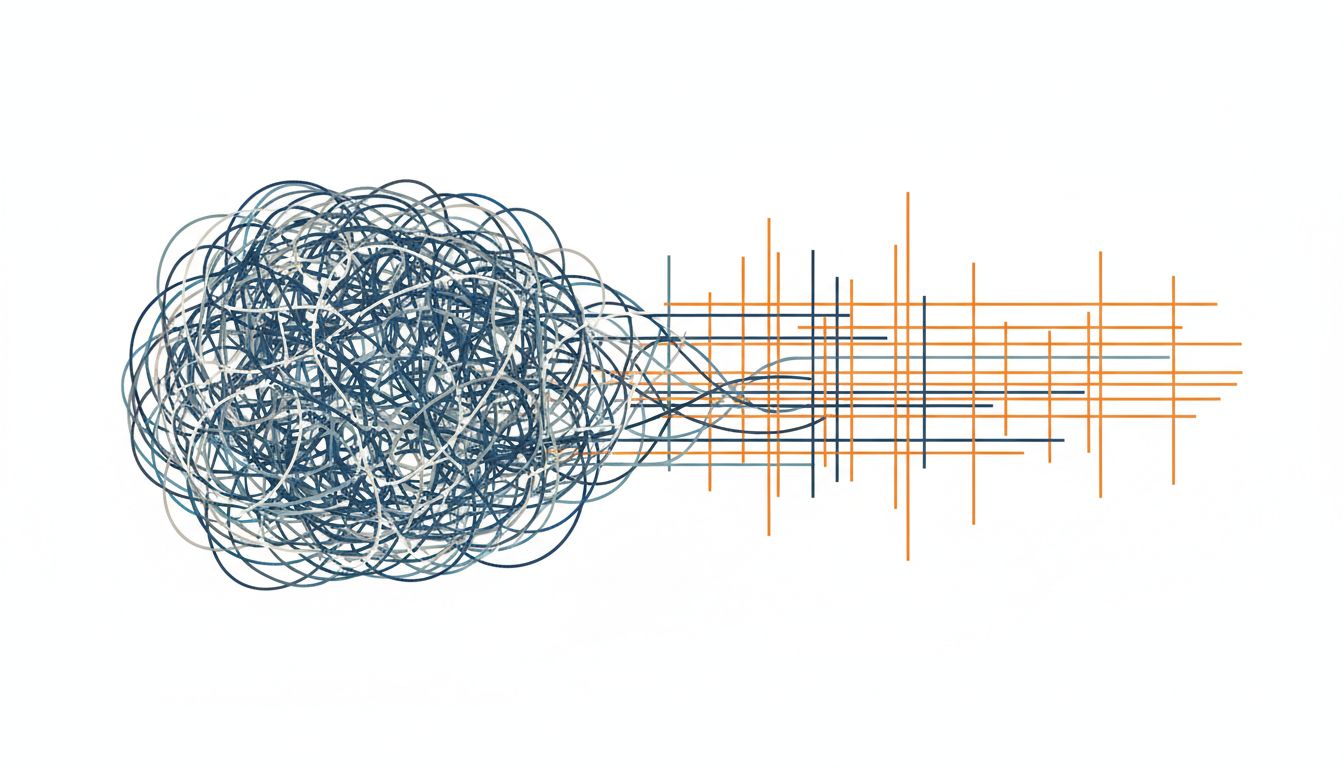
Every line of code is a liability. Understanding why deletion improves reliability is one of the most practical mental models you can carry into a software project.

Some bugs don't exist until your user count crosses a threshold. Here's why scale creates failure modes that testing simply cannot anticipate.
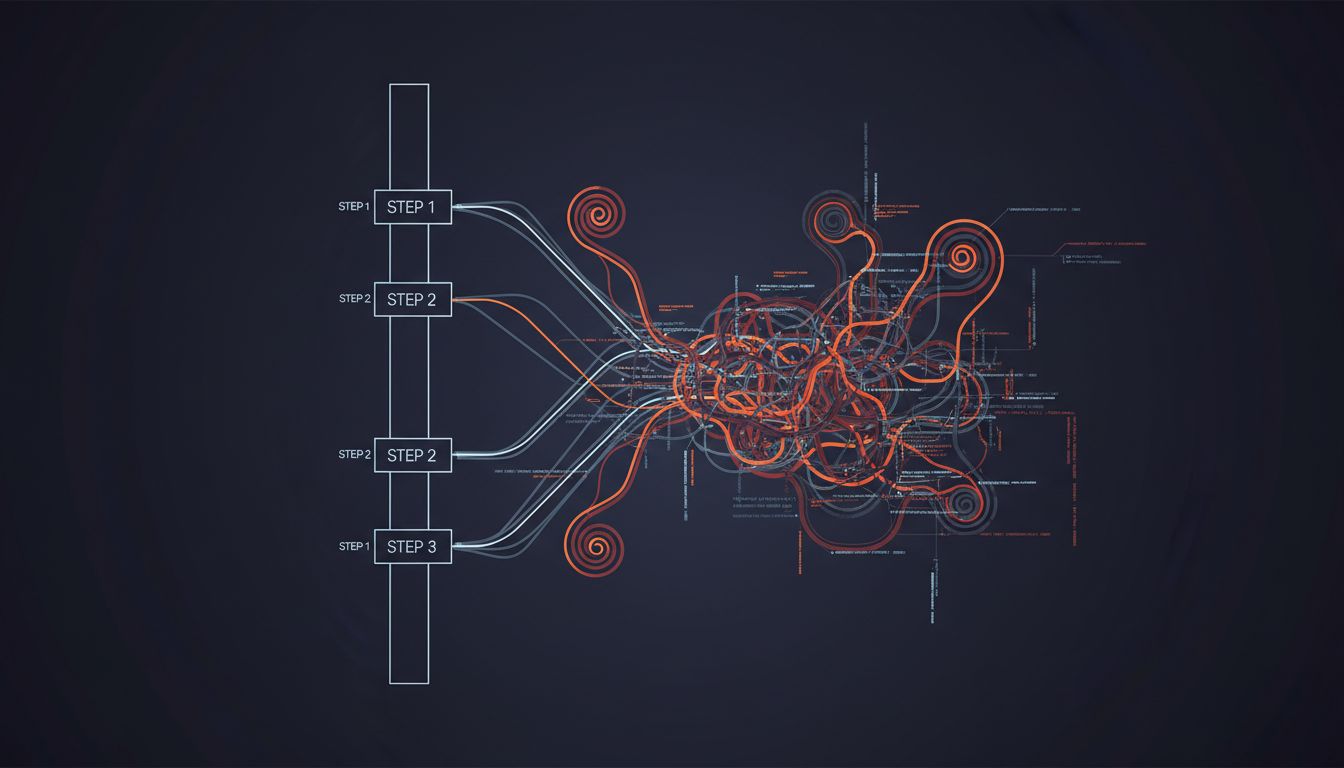
Async code reduces wait time and increases cognitive load at the same time. That tradeoff is structural, not accidental.

Vector databases don't store meaning. They store geometry. Understanding the difference changes how you build with them.

The concept of 'done' in software is a convenient fiction. Here's why that's not a problem to solve, but a reality to design around.
The skills behind effective prompt engineering aren't new. We've been doing this work for decades under different names.

Between your words and the model's attention lies a pipeline you didn't design and probably can't see. Here's what's actually happening to your prompt.

You probably think of embeddings as a search feature. They're actually closer to the connective tissue of modern AI-powered software.

Quantization and pruning shrink models efficiently, but they also change what the model is. The weirdness is worth understanding.

The skills that make you good at writing READMEs and API docs are the same ones that make you good at prompting LLMs. This is not a coincidence.

AI coding tools make you faster. They also quietly erode the understanding that makes you a good engineer. That tradeoff deserves more honesty.

Everyone explains embeddings as 'turning words into numbers.' That's not wrong, but it misses what makes the idea powerful and why it matters.
Join thousands of readers who get our weekly breakdown of the most important stories in technology.
Free forever. Unsubscribe anytime.