Top Performers Use Something Called the 'Context Switch Tax' to Structure Their Entire Workday
Every time you switch tasks, your brain pays a hidden cost. Here's how the best knowledge workers account for it and build their day around it.

Tools, workflows, and strategies for getting more done with technology.
Every time you switch tasks, your brain pays a hidden cost. Here's how the best knowledge workers account for it and build their day around it.
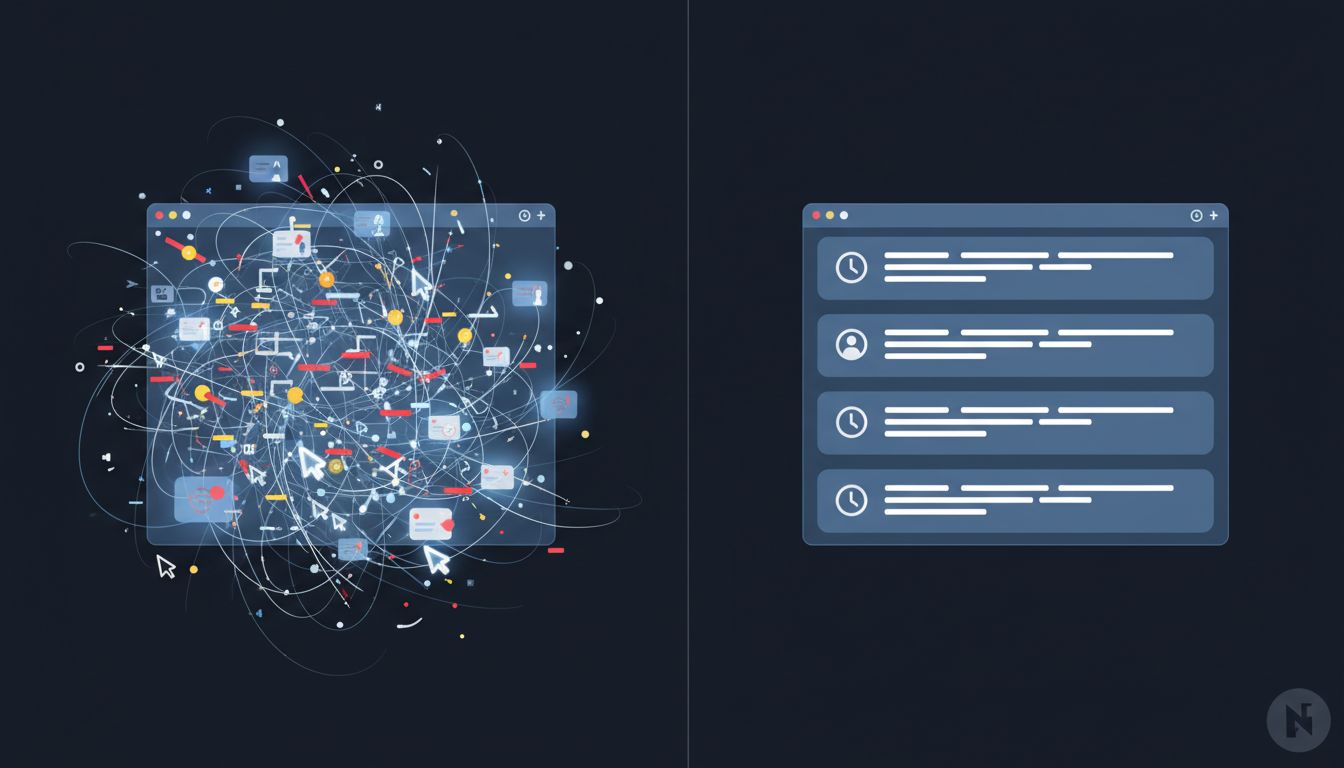
More tools, more tabs, more plugins. Power users think complexity is an advantage. The data says otherwise, and the reason lives deep in cognitive architecture.
Real-time collaboration feels productive. Shared async documents actually are. Here's the technical and cognitive case for slowing down to speed up.
The Digital Sabbath isn't about disconnecting. It's about resetting the cognitive stack that makes you effective online the other six days.
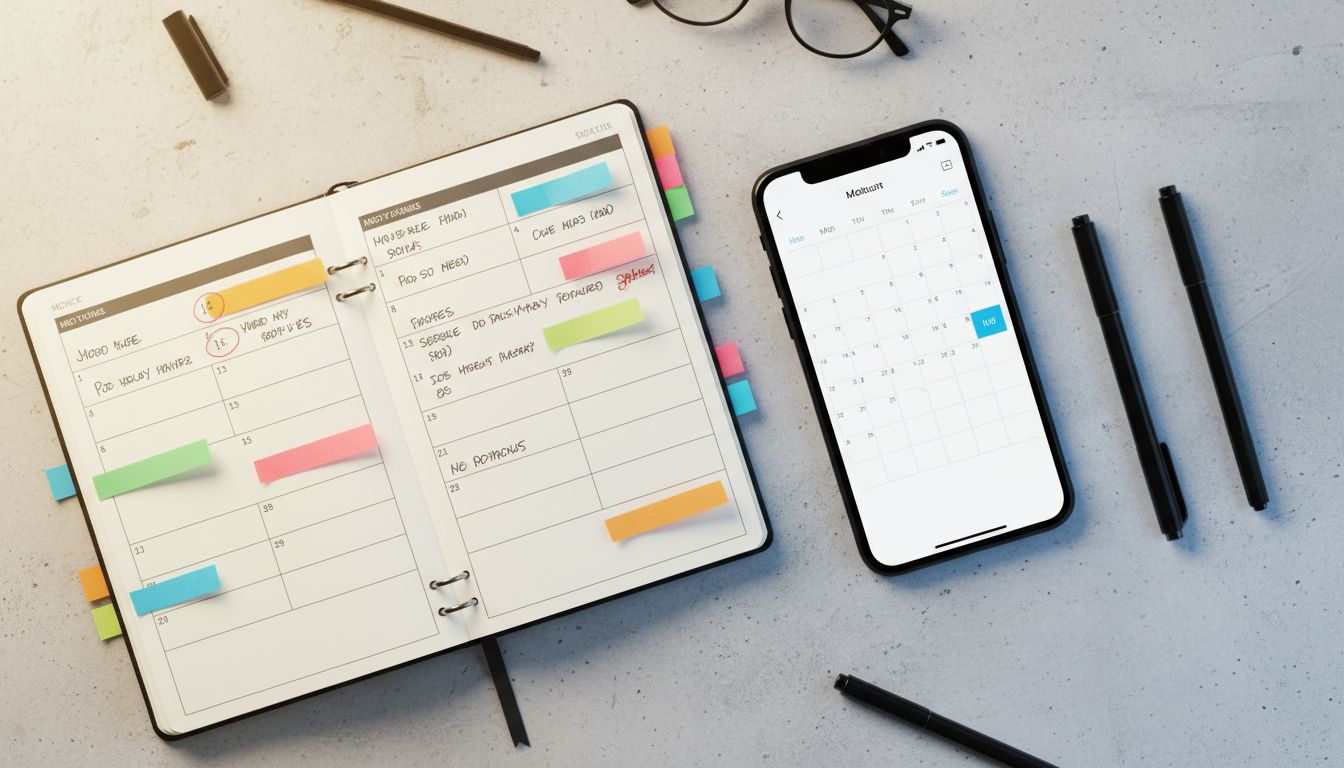
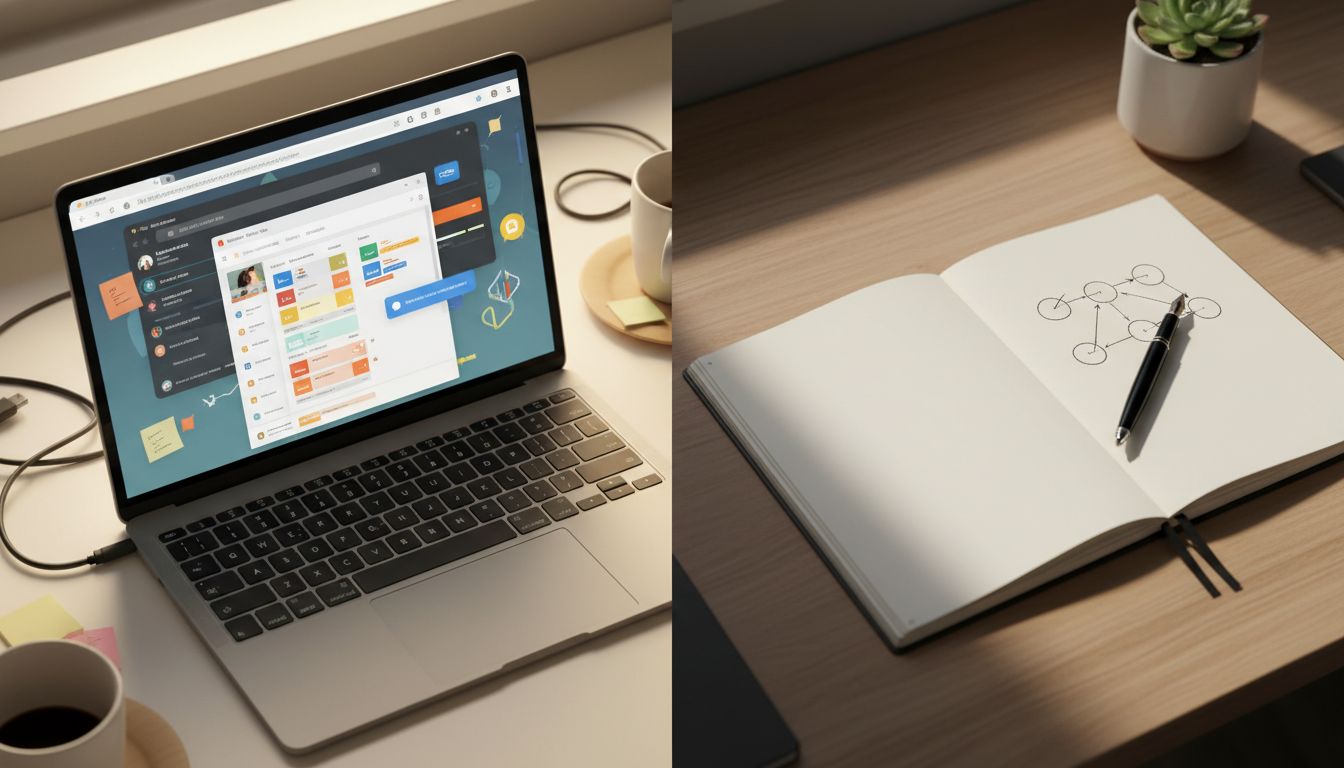
Your Google Calendar isn't just a planner. It's a memory offload system with a critical flaw that paper planners don't share.
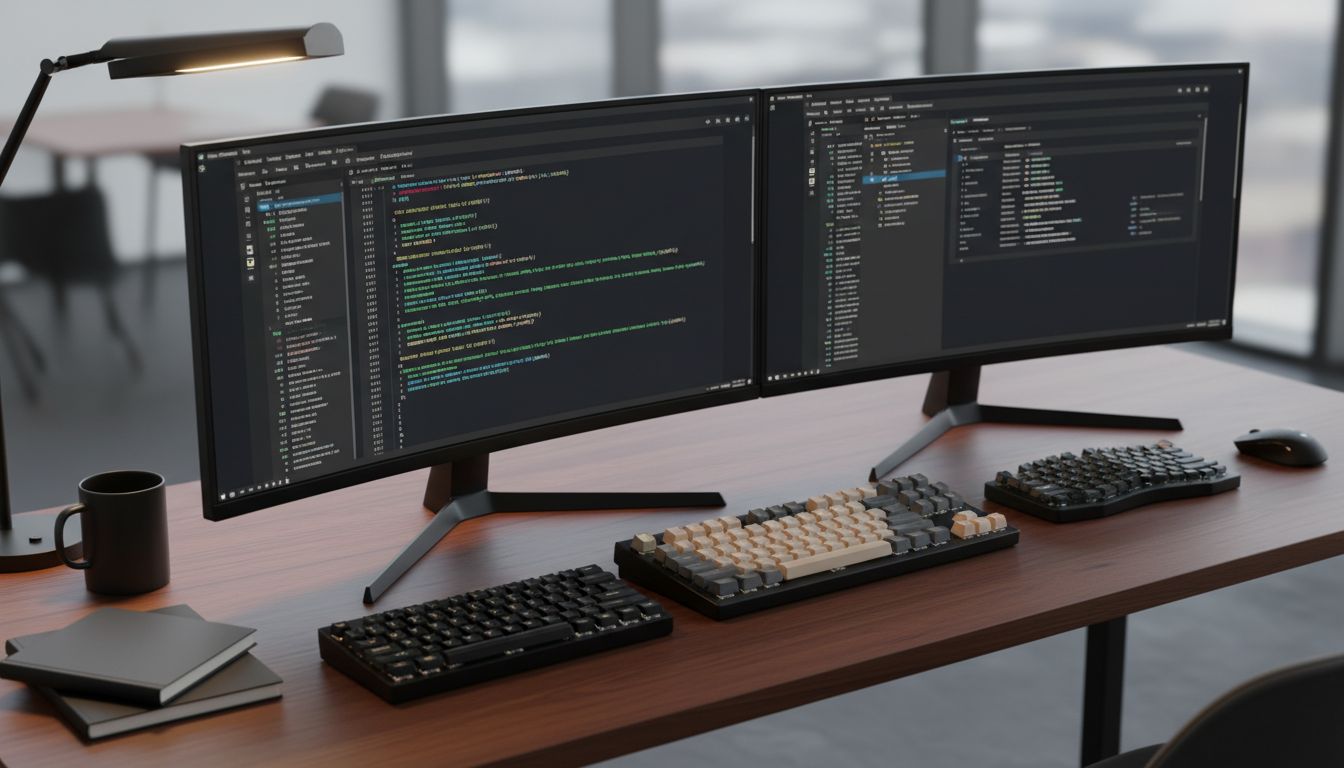
The two-monitor setup is everywhere. The three-keyboard setup is a secret. Here's the cognitive science behind why serious knowledge workers swear by it.
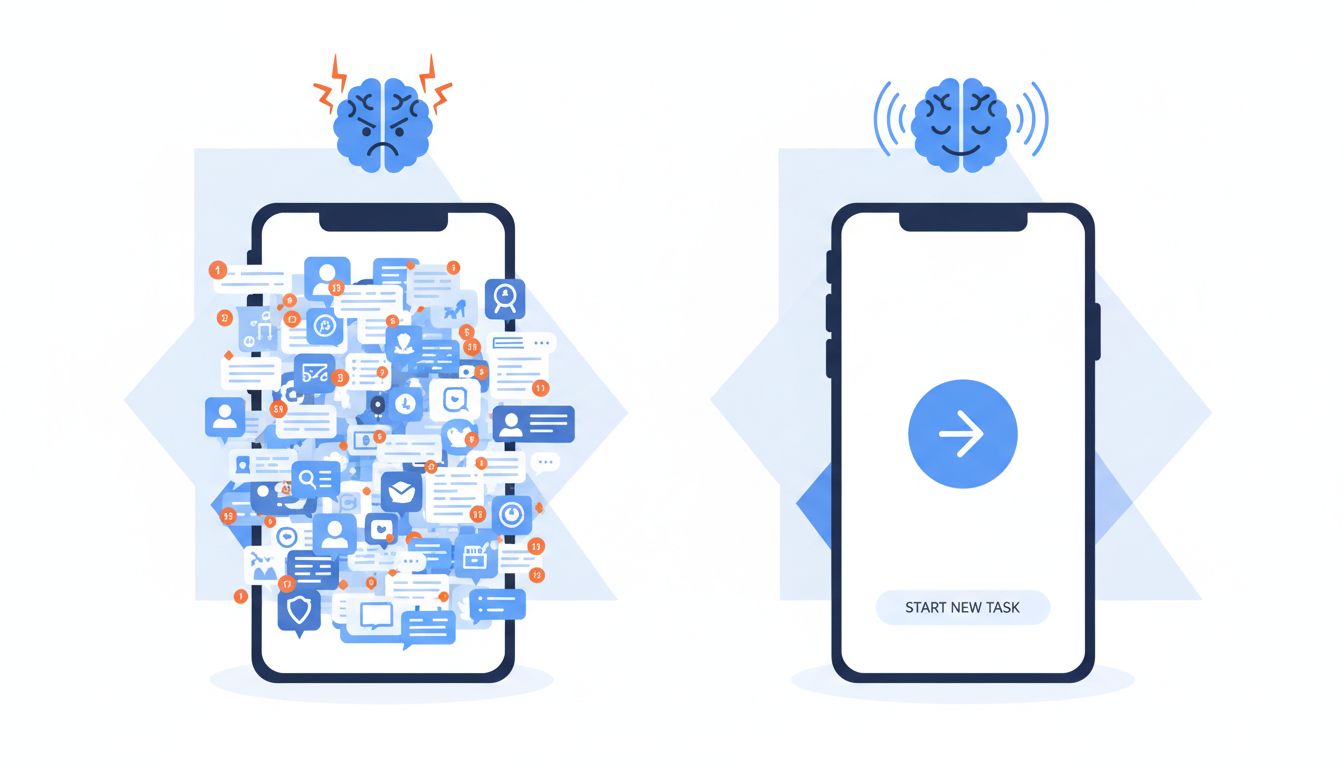
Cognitive Load Theory explains why some apps feel like a breeze and others leave you exhausted. Here's how the best companies apply it.
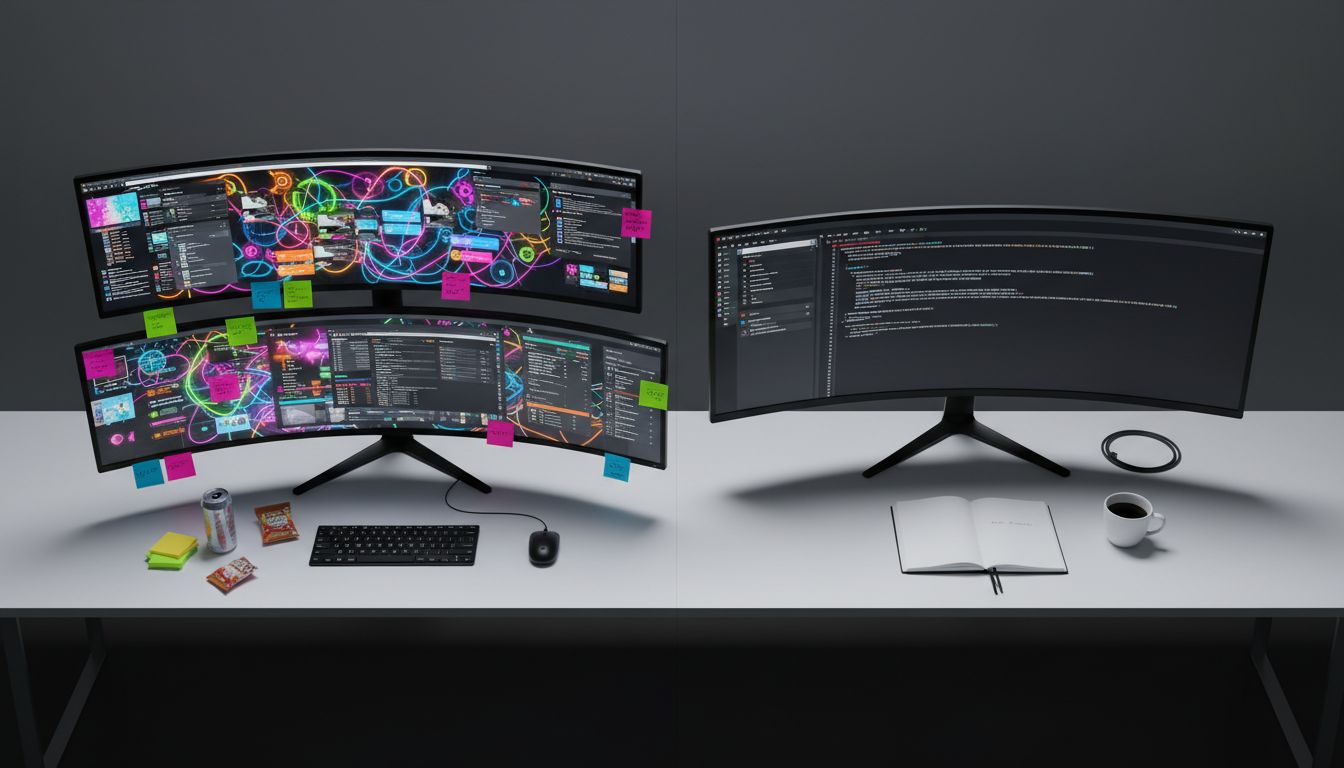
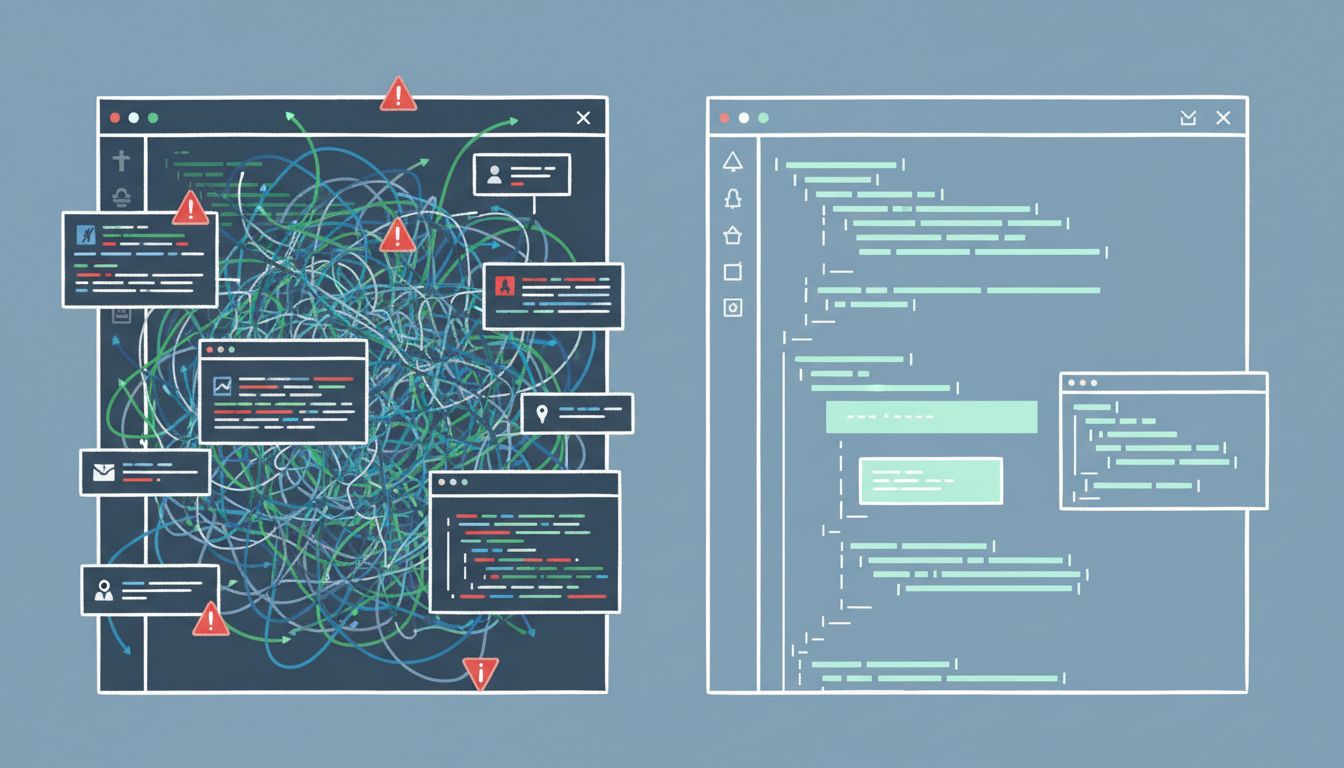
More tools, more tabs, more plugins — yet less gets done. The science behind why minimal setups consistently outperform maxed-out ones.
Cognitive Load Theory isn't just classroom psychology. The best engineering teams in the world are using it to ship faster, debug less, and think clearer.
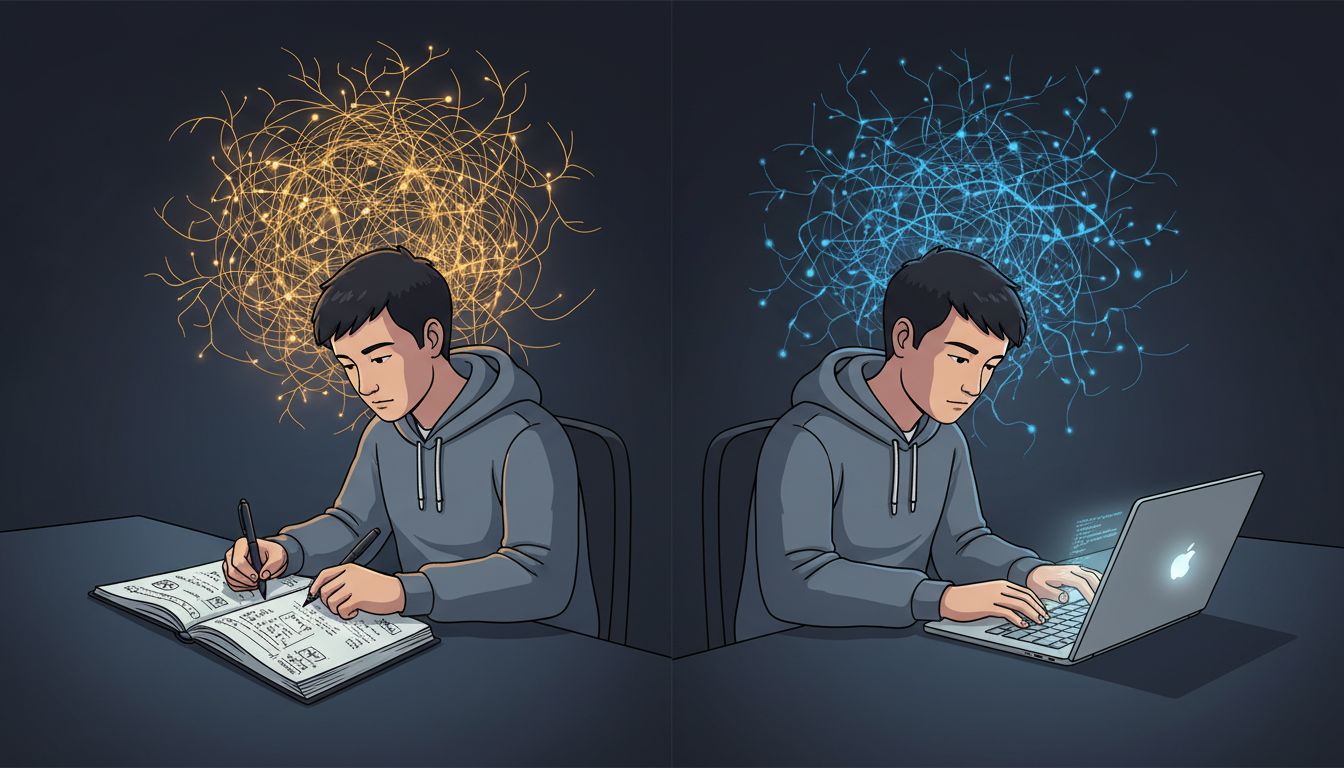
Your brain encodes handwritten notes differently than typed ones. The reason is buried in neuroscience, and no app has figured out how to replicate it.
Top performers don't just optimize their routines — they deliberately blow them up every quarter. Here's the framework behind why it works.
The best teams aren't adding more Slack channels, they're ruthlessly deleting them. Here's the counterintuitive logic behind communication subtraction.
Your $15/month note-taking app might be quietly destroying your best thinking. Here's what the research actually says.
The most productive executives don't manage their devices. They architect them. Here's the simple rule that keeps deep work intact.
Your phone's notification system isn't a communication tool. It's a behavioral conditioning engine, and the engineers who built it know exactly what they made.
The best remote workers aren't optimizing for frictionless tools. They're strategically adding friction to protect their focus.
The secret isn't discipline or better apps. It's a filtering architecture that mirrors how good software handles queues.
You memorized Ctrl+Z in a week but still forget three-finger swipe after months. The reason reveals something fascinating about how your brain builds habits.
Join thousands of readers who get our weekly breakdown of the most important stories in technology.
Free forever. Unsubscribe anytime.